
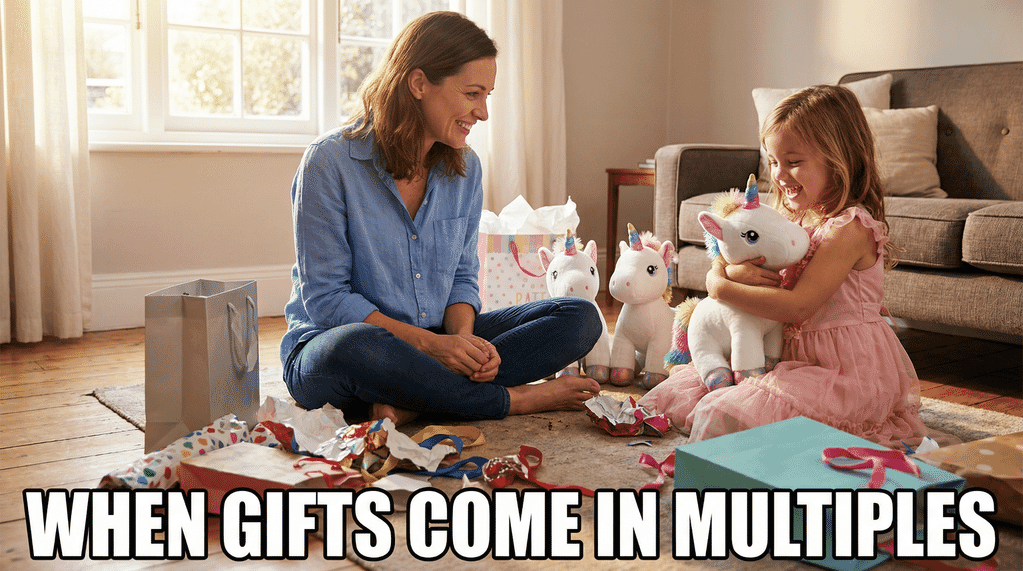
The grandparents meant well. So did your sister, your neighbor, and three party guests. Now you’re standing in your living room after your daughter’s birthday, surrounded by four identical unicorn plushies and wondering how this happened.
Here’s the thing: it happens all the time. And with a little strategy—plus some grace for when prevention fails—you can handle duplicates without drama, hurt feelings, or a closet stuffed with backup toys.

Key Takeaways
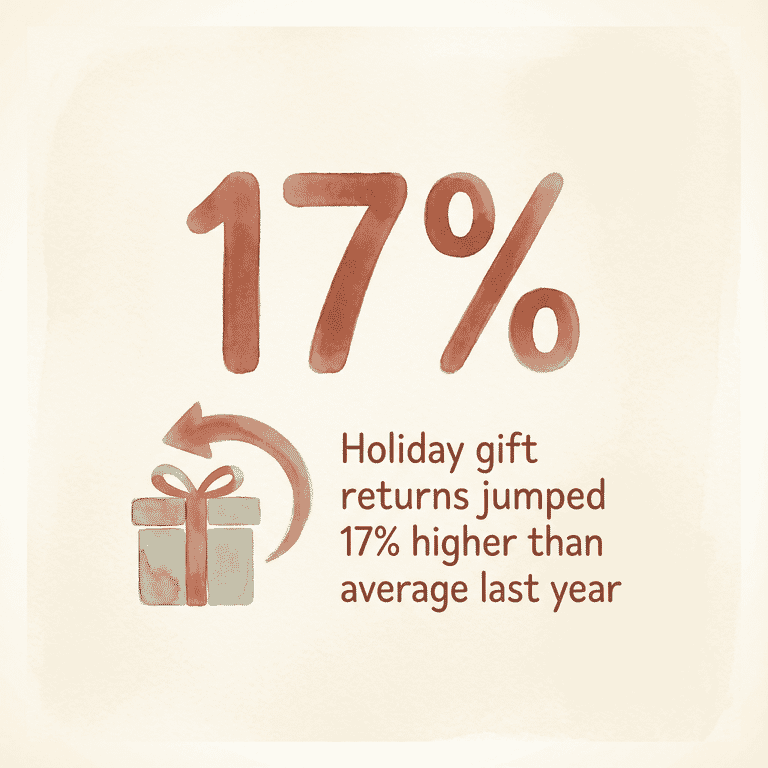
- Duplicates are incredibly common—holiday returns ran 17% higher than average last year
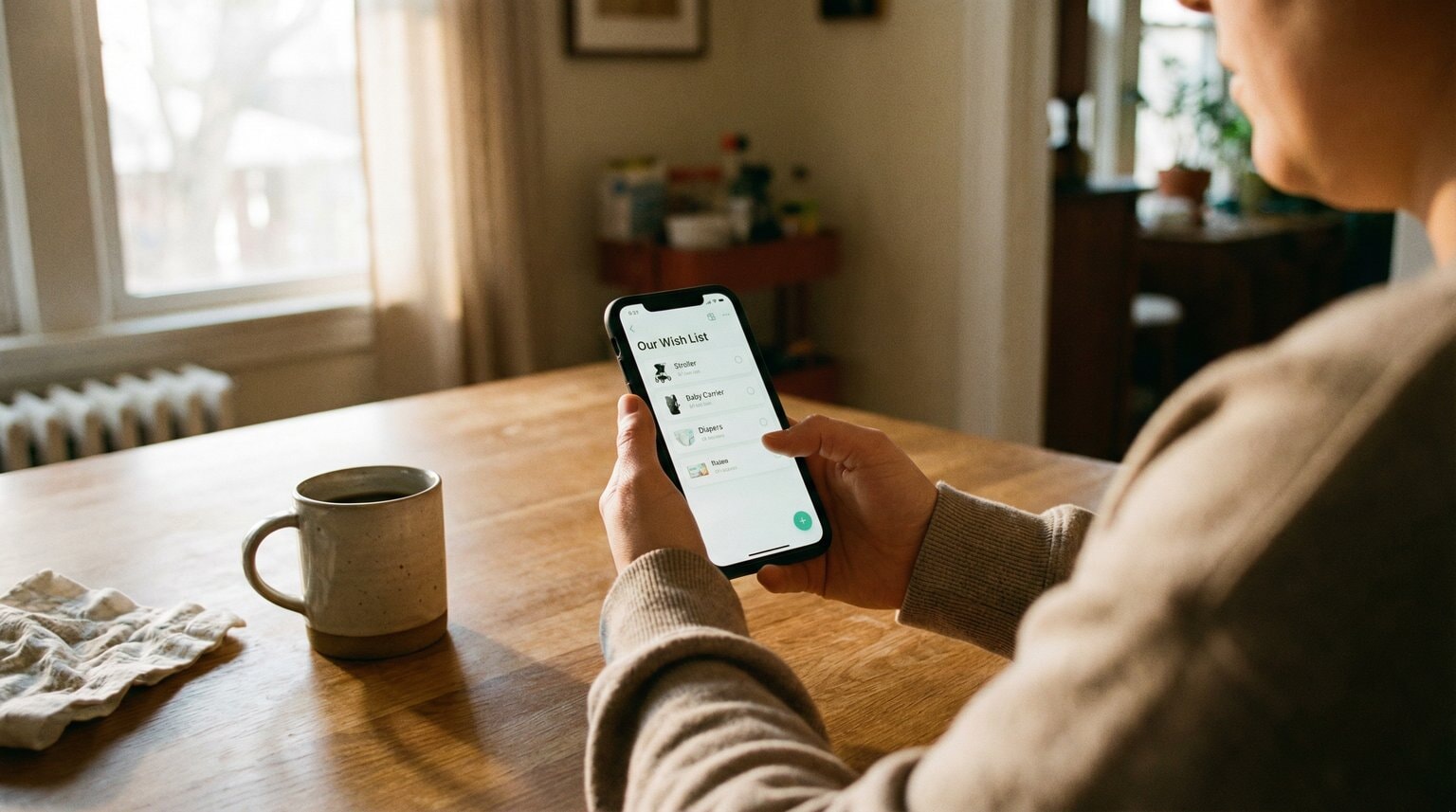
- Research shows recipients actually prefer gifts from wish lists—try a digital wishlist system—even though givers assume surprises are more thoughtful
- Your reaction in the moment matters more than the duplicate itself—kids take cues from you
- Duplicates can become teaching moments about generosity and decision-making
Why Duplicates Happen (And Why It’s Not Your Fault)
Before you beat yourself up for not coordinating better, know this: gift mismatches are so common that holiday returns ran 17% higher than average last year according to retail data. Duplicates are just one variety of a very normal problem.
The psychology behind it is fascinating. Julian Givi, associate professor of marketing at West Virginia University, explains the core issue: we want to feel thoughtful and show how well we know someone.
In reality, these are unconsciously selfish motivations because they don’t put what the recipient really wants first.
In other words, multiple well-meaning people independently think they’ve found “the perfect gift”—and sometimes they’re right about the same item. This isn’t a failure of love. It’s a failure of coordination.
And coordination is something we can actually fix. If you’re dealing with duplicates alongside other common gift-giving challenges, you’re not alone.
Prevention Strategies That Actually Work
The Registry Reality Check
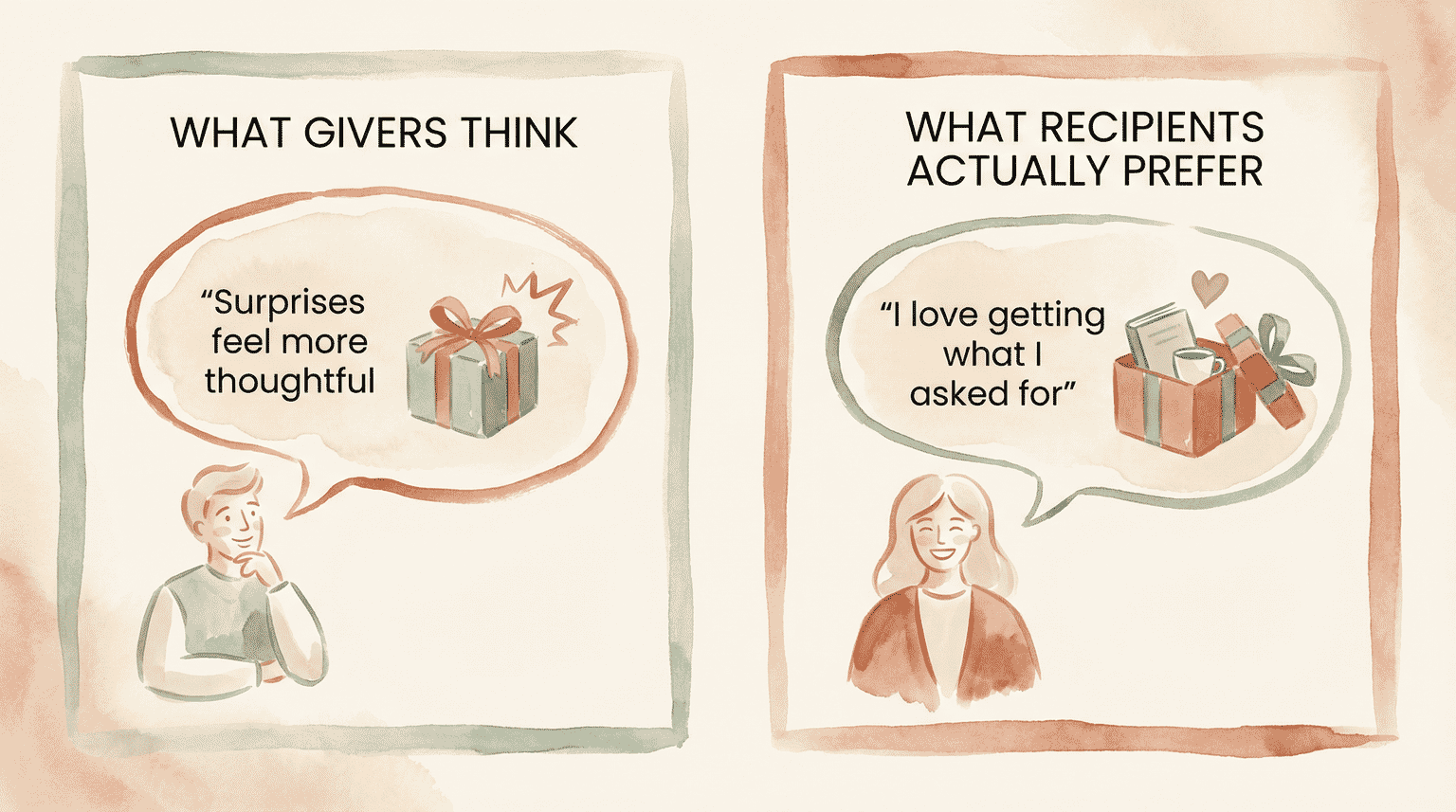
Here’s what the research actually shows: behavioral scientists at The Decision Lab found that gift recipients were more likely to appreciate gifts they had explicitly requested, while gift givers falsely assumed unsolicited gifts would be considered more thoughtful.
Translation? Wish lists work. People like getting what they asked for. The challenge is that givers feel like registry shopping is less caring—even though recipients disagree.
How to encourage registry use:
- Frame it as helpful, not demanding: “Here’s what she’s really into right now if you need ideas”
- Keep it updated—remove items as they’re purchased or received
- Include items at multiple price points so everyone can participate
The Family Coordinator Strategy
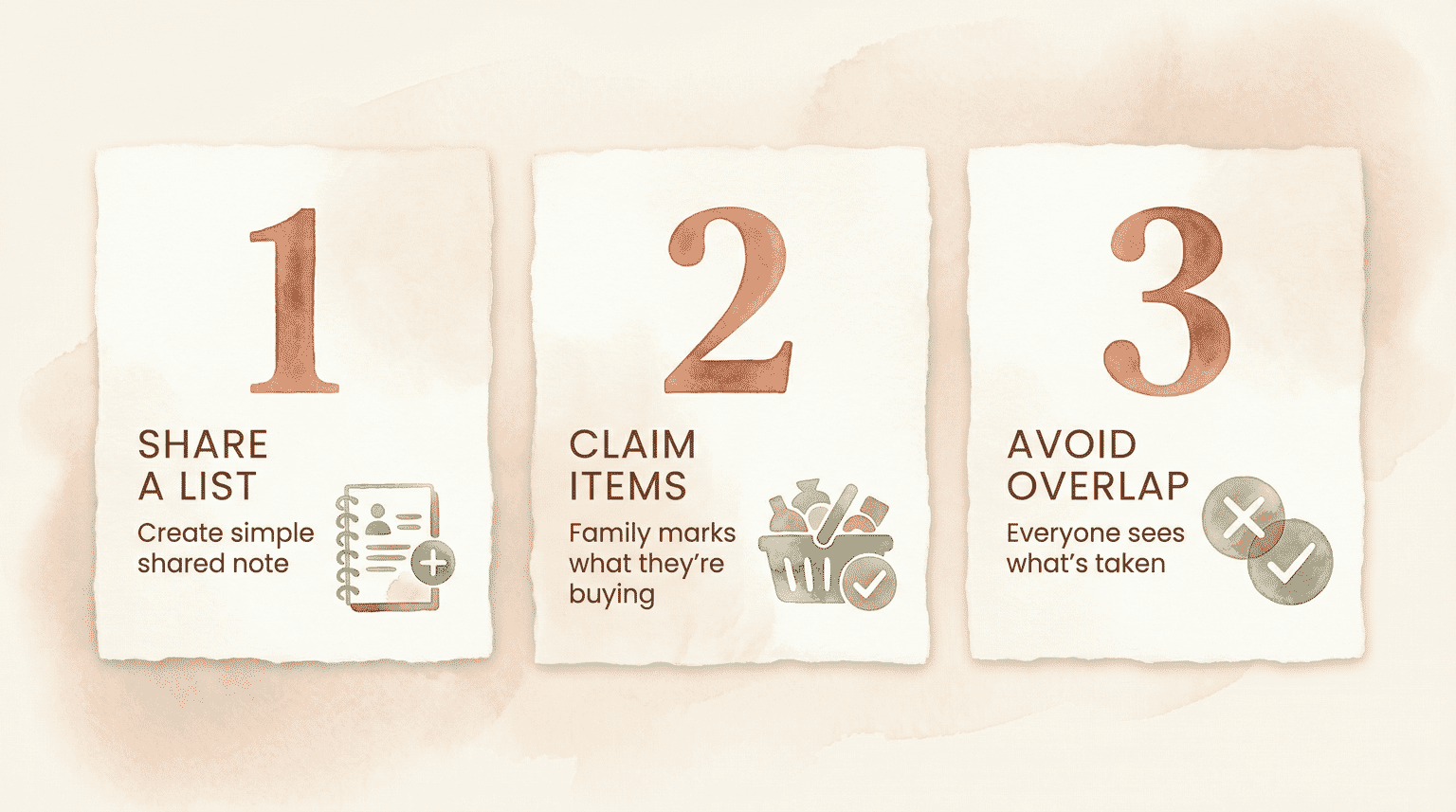
For big events like milestone birthdays, designate one person (often you, let’s be honest) to track who’s buying what. This works especially well with extended family who want to contribute meaningfully.
A simple shared note or spreadsheet can prevent three grandparents from independently buying the same scooter. It doesn’t have to be fancy—it just has to exist.
The Group Chat Approach
For friend-group birthday parties, a quick text thread among parents can work wonders: “Hey, we’re bringing the art supplies set—anyone else want to claim something from the wish list?”
Real-time coordination catches duplicates before they happen. Even a loose system beats no system.
When Family Won’t Cooperate
Some relatives resist wish lists on principle. They want to surprise the child. They want their gift to be special. Here’s how to work with this:
“I know you love surprising her—that’s so sweet. She’d honestly be thrilled with anything related to [current obsession]. The only thing we’re really set on is [specific item], so anything besides that would be perfect.”
— Try saying this to surprise-loving relatives
You’re giving them freedom while steering around the most likely duplicate. It won’t prevent every collision, but it reduces the odds.
In-the-Moment Response at Parties

Prevention doesn’t always work. Sometimes you’re watching your child tear open a gift and—oh no, it’s the fourth copy of the same book.
What to Say When Your Child Opens a Duplicate
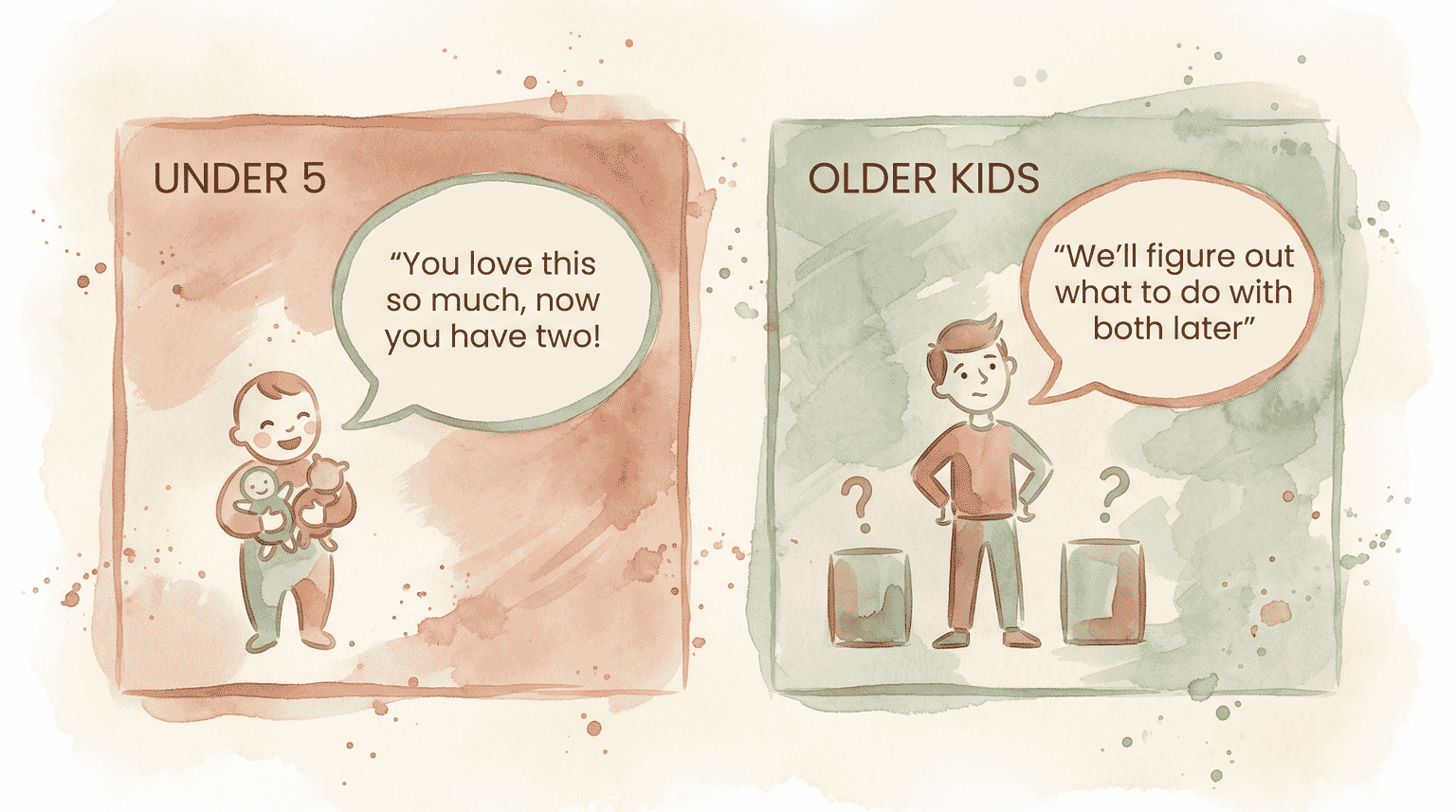
For little kids (under 5), they might not even notice. If they do:
“Oh wow, you love this one so much now you have two! How special that [giver’s name] knew you’d love it.”
— Try this for kids under 5
For older kids who definitely notice:
“That’s so cool—[giver’s name] clearly knows what you’re into. We’ll figure out what to do with both later.”
— Try this for older kids
The goal is acknowledgment without drama. Kids take cues from your reaction.
Managing Your Own Reaction (Kids Are Watching)
Your face in that moment matters. Even a micro-expression of disappointment teaches your child that this is a problem rather than a minor coordination issue.
Take a breath. Smile at the giver. The actual logistics can wait.
Handling the Gift-Giver’s Feelings
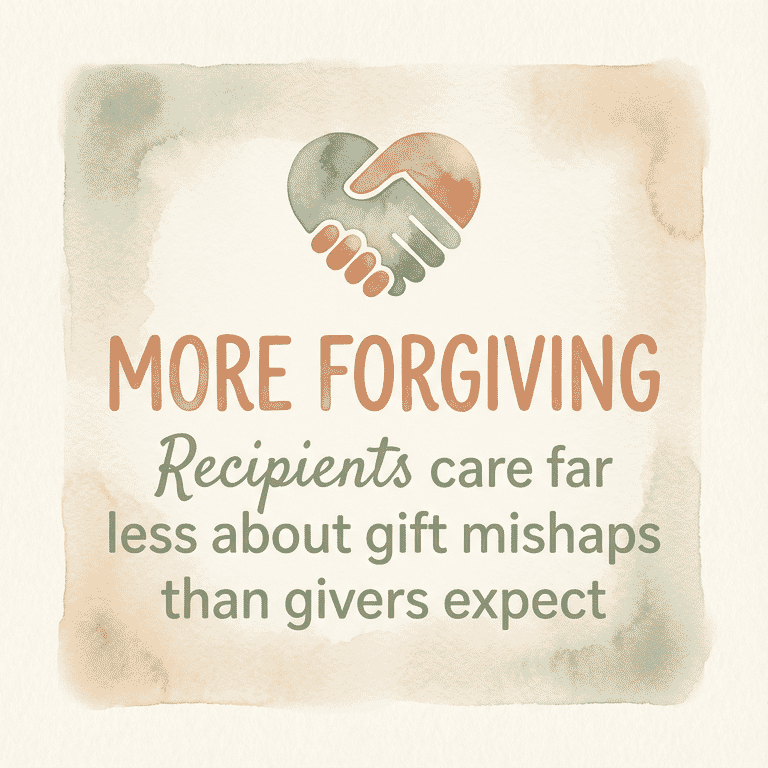
Research from Ohio State University found something reassuring: recipients are far more forgiving about gift mishaps than givers anticipate.
As doctoral researcher Cory Haltman noted, recipients didn’t see mishaps as signaling a lack of care. They were more forgiving than those giving gifts thought they would be.
The same applies to duplicates. The giver likely feels more awkward than you do. A warm, genuine thank-you—focused on the thought behind the gift—smooths most situations.
Rebecca Reczek, professor of marketing at Ohio State’s Fisher College of Business, puts it simply: “One of the key social functions of gift giving is to communicate care for the gift recipient.” When you respond graciously to a duplicate, you’re honoring that care.
The Keep-Return-Donate Decision
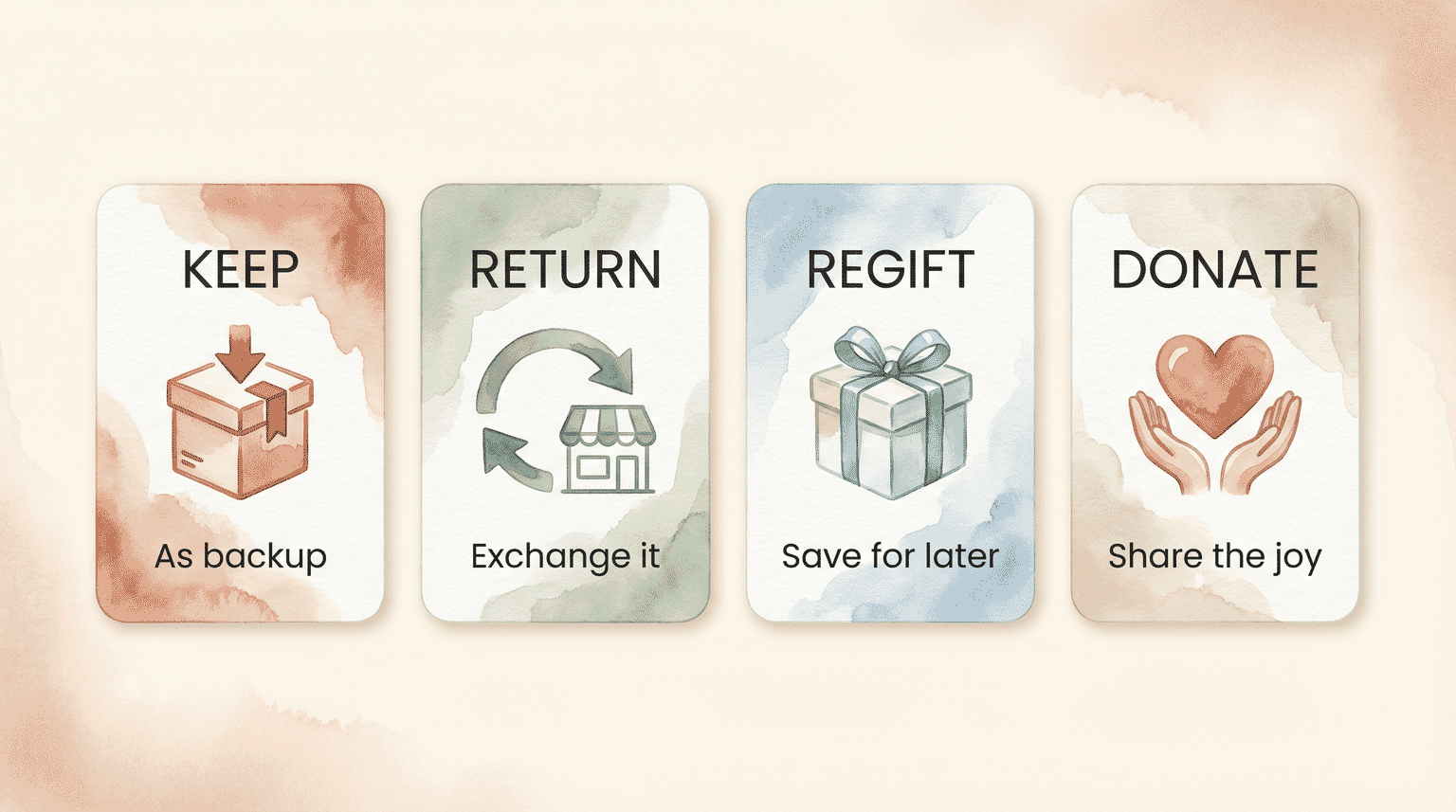
Once the party ends, you have options. Here’s a quick framework:
Keep as backup when:
- It’s a consumable (art supplies, building blocks, play-dough)
- Grandparents live far away and could use one at their house
- The original might break or wear out
Return or exchange when:
- You have the receipt or gift receipt
- The child won’t notice or care
- The exchanged item fills an actual need
Regift when:
- The item is unopened and appropriate for someone else
- You can do it thoughtfully (more on regifting done right)
Donate when:
- Local charities accept the item
- It’s a teaching moment your child is ready for
Involving Your Child
Here’s an angle most advice misses: duplicates are actually a teaching opportunity. Even preschoolers can participate in age-appropriate ways.
For ages 3-5: “We have two of these! One can go to a kid who doesn’t have any. Which one should we keep?”
For ages 6-9: “What do you think we should do with the extra one? We could exchange it, save it, or donate it.”
For tweens and teens: “You’re in charge of this decision. What makes sense to you?”
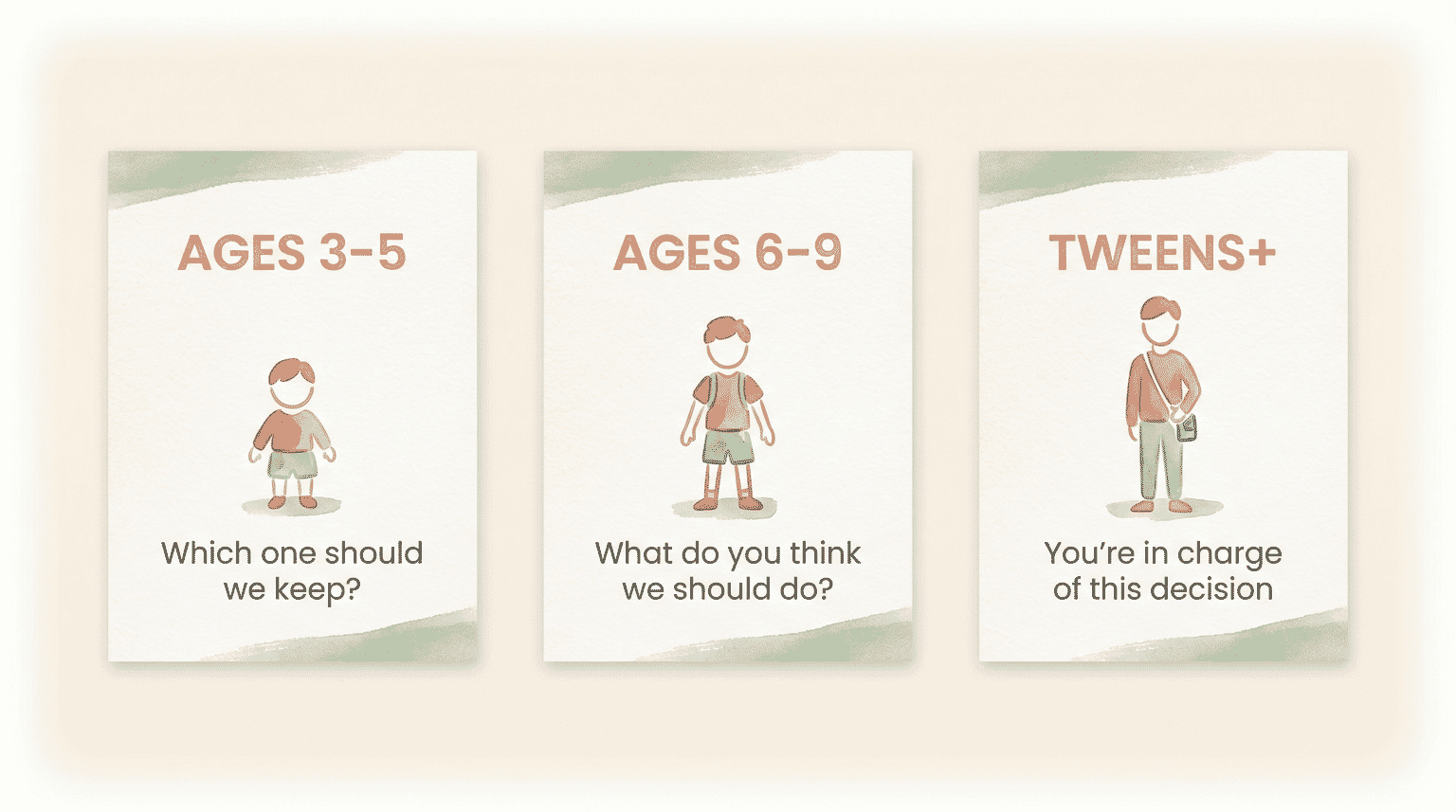
You’re teaching generosity, decision-making, and the idea that having isn’t always better than sharing.
Communicating After the Fact

Thank-You Notes for Duplicate Gifts
Write the thank-you exactly as you would for any gift—focusing on the giver’s thoughtfulness, not the item’s fate.
“Thank you so much for the [item]! [Child’s name] was so excited to open it and loves that you thought of her.”
— Sample thank-you note language
You don’t need to mention the duplicate. The gratitude is genuine regardless.
Telling vs. Not Telling the Giver
Generally? Don’t. Unless they directly ask whether they should include a gift receipt next time (take the hint and say yes), there’s no benefit to announcing that their gift was a duplicate.
The exception: close family members who regularly give gifts and would genuinely want to know for future reference. Even then, frame it gently: “She actually got two of these—totally not your fault! Next time, text me and I’ll let you know what’s already covered.”
Frequently Asked Questions
How do you politely handle duplicate gifts?
React warmly in the moment—thank the giver sincerely and focus on their thoughtfulness rather than the item. After the event, decide whether to keep, return, regift, or donate. Research shows recipients are more forgiving about mishaps than givers expect, so the situation likely matters less than you think.
What do you do with duplicate birthday presents?
You have four practical options: keep one as a backup, return or exchange for something needed, save for regifting at a future party, or donate to charity. Consider involving your child in age-appropriate ways—even preschoolers can help choose which toy goes to “a kid who needs one.”
Is it rude to return duplicate gifts?
Not at all. With return rates running well above average during gift-giving seasons, most givers understand that duplicates happen. The key is gracious acceptance in the moment and a genuine thank-you afterward. You don’t need to mention the return unless directly asked.
How do I tell people what gifts to buy?
Behavioral research shows recipients actually prefer gifts from wish lists—despite givers assuming surprises are more thoughtful. Create and share a simple registry link, frame it as helpful rather than demanding, and update it regularly so available items remain accurate.
Your Turn
How do you handle duplicate gifts? I’ve done the backup stash, the charity donation, and the awkward return. Curious what’s worked smoothly for others—and whether you tell the giver or keep it quiet.
Share your duplicate gift wins and fails—I learn from every story you tell.
References
- The Decision Lab – The Behavioral Science Guide to Gift Giving – Research on registry effectiveness and giver-recipient perception gaps
- Ohio State University – Gift-Giving Research – Study on recipient forgiveness and care communication
- Kiplinger – Gift-Giving Statistics – Data on return rates and wish list satisfaction

Share Your Thoughts