
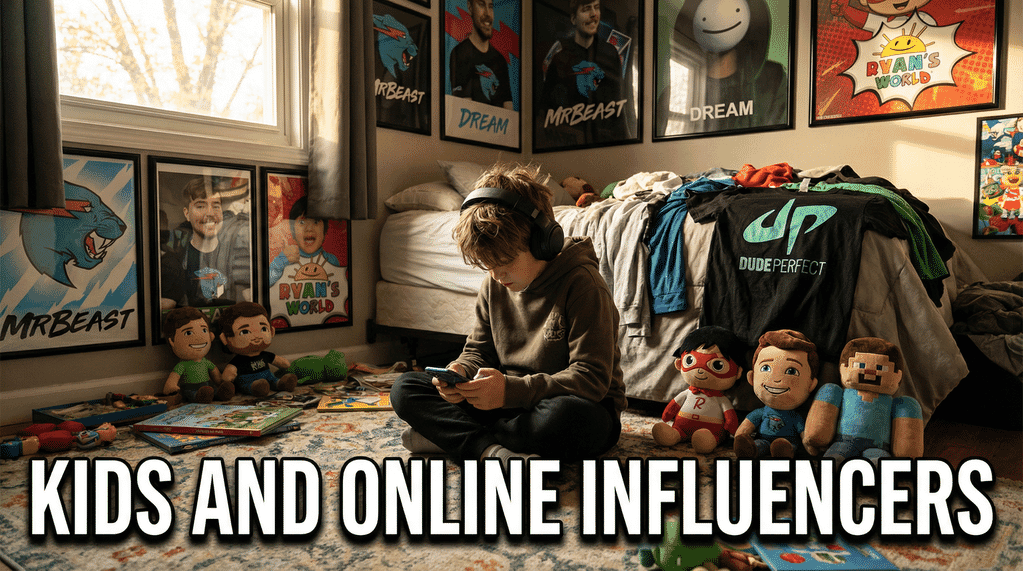
Your daughter talks about MrBeast like he’s coming to dinner. Your son knows every detail of his favorite gamer’s life—their pet’s name, their morning routine, what they ate for breakfast. When you casually mention that these YouTubers don’t actually know your child exists, you get a look that suggests you’re the one who doesn’t understand.
Here’s the thing: your child isn’t confused. Their brain is responding exactly as designed—to intimacy cues specifically engineered to create the feeling of friendship. My librarian brain couldn’t let this phenomenon go without digging into the research.
What I found explains not just what’s happening, but why your child’s attachment to a stranger on screen feels so real to them.
Key Takeaways
- Parasocial bonds form fast: Children can develop genuine-feeling friendships with YouTubers in as little as nine minutes of viewing
- Age matters: Children under 13 cannot recognize when YouTubers are advertising to them—their brains literally aren’t ready
- It’s not random: Platform mechanics and creator techniques are specifically designed to manufacture intimacy
- Some kids are more vulnerable: Social anxiety and unmet relational needs increase parasocial attachment intensity
- Parents can intervene: Platform controls, real-world connection, and gradual media literacy all help
What Is a Parasocial Relationship, Really?
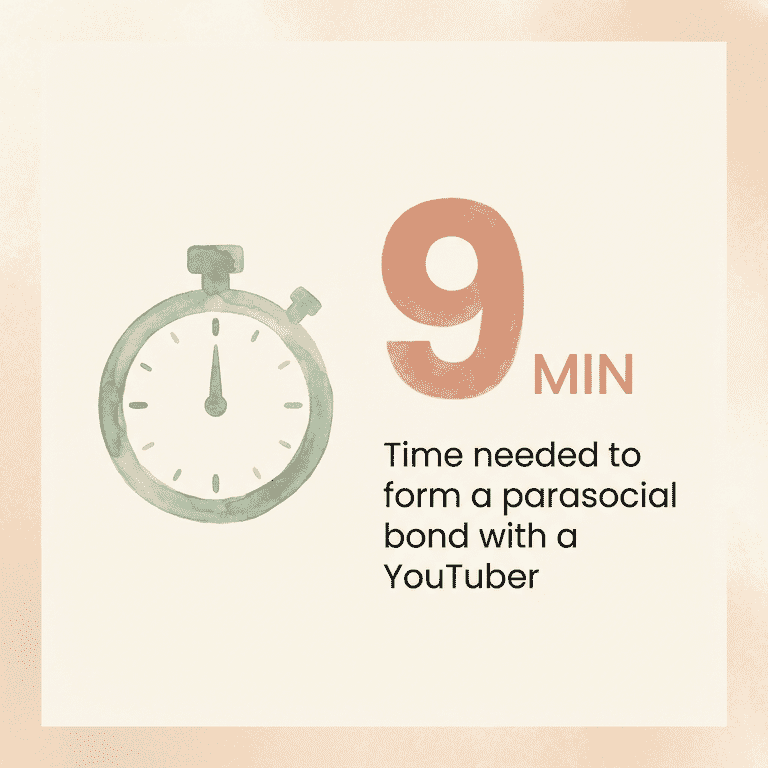
A parasocial relationship is a one-sided emotional bond where your child feels genuine friendship with someone who doesn’t know they exist. University of Essex research found that 52% of people form these connections, with 36% feeling specifically close to a YouTuber. These relationships can develop in as little as nine minutes of viewing and fulfill the same emotional needs as casual real-world friendships.
The term sounds clinical, but the experience is anything but. Google research found that 40% of teenagers believe their favorite YouTuber understands them better than their real-life friends. Let that sink in: nearly half of teens feel more understood by someone who’s never met them than by the people they see daily.
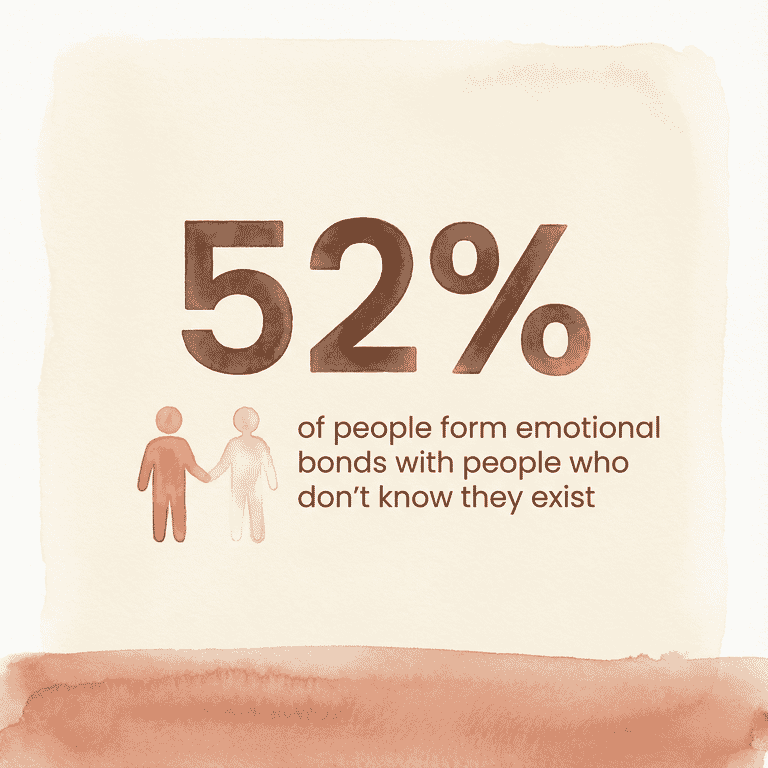
The fundamental asymmetry is striking. Your child knows everything about their favorite creator—their humor, their struggles, their family, their favorite foods. The YouTuber doesn’t know your child’s name.
Yet the relationship feels mutual because it’s designed to. Every element of the content—from camera angles to personal disclosures—creates the illusion of genuine two-way connection.
Why Children’s Brains Fall for This
Here’s where the developmental science gets fascinating—and a little unsettling.
The Advertising Literacy Gap
Research published in PMC establishes that digital advertising literacy only reaches adult levels in “later adolescence.” This means most children literally cannot recognize when they’re being persuaded, marketed to, or manipulated through content. Their brains haven’t developed the cognitive tools for critical evaluation.
Understanding the developmental science behind how children process gifts helps explain why this vulnerability matters so much.
A 2025 study in Childhood & Society confirmed this: only children aged 13 and older can begin to understand YouTubers’ economic motivations. Younger children see recommendations from their favorite creator as genuine advice from a friend—because that’s exactly how it feels to them.
The Intensity Factor
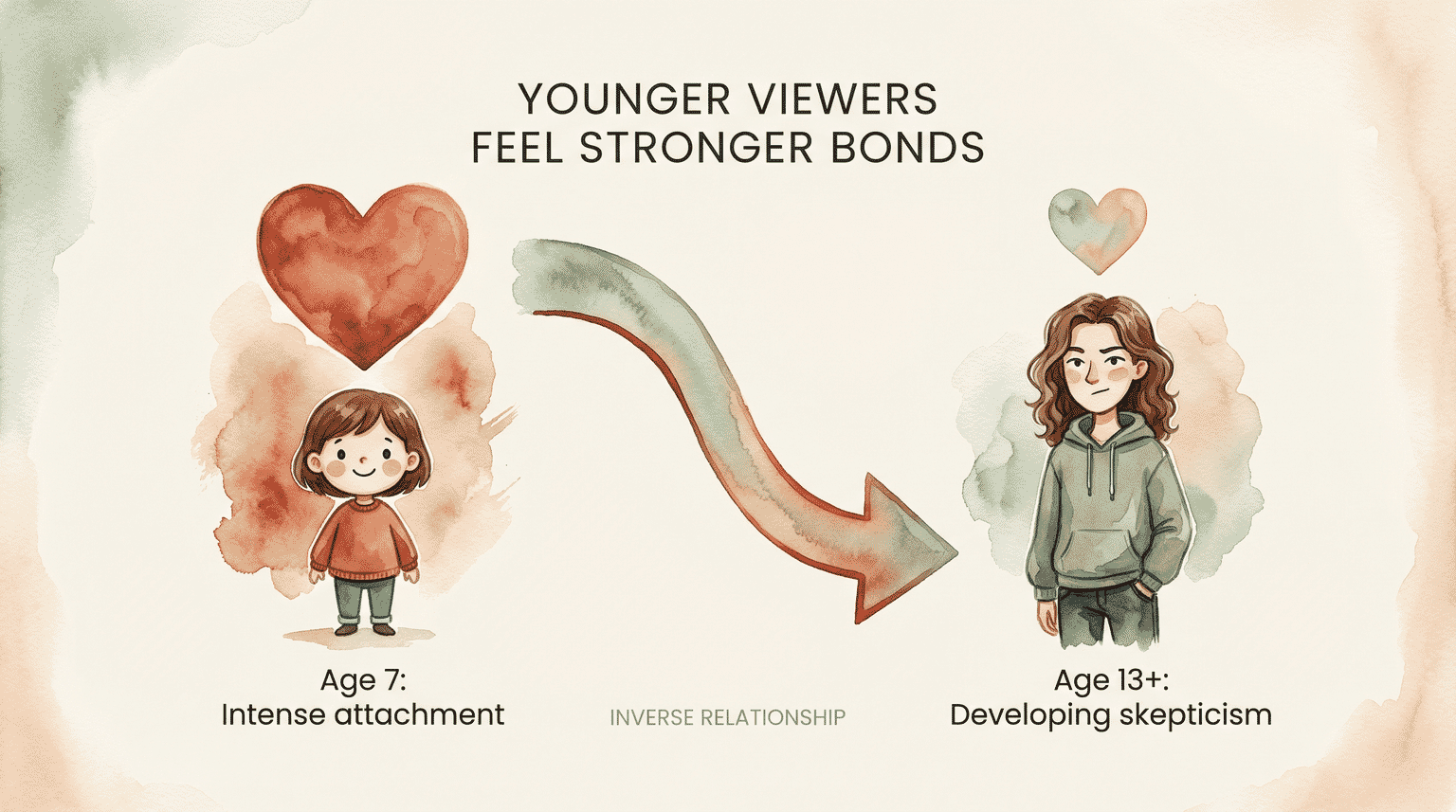
Research consistently shows that the younger the viewer, the more intense the parasocial relationship. A 2022 study found that age inversely correlates with parasocial bond strength. Your 7-year-old doesn’t just like their favorite YouTuber—they love them with an intensity that might seem disproportionate to you but is entirely predictable given their developmental stage.
The Speed of Attachment
Perhaps most striking: research published in Nature’s Scientific Reports found that parasocial bonds can form in as little as nine minutes of relationship-building video content. Nine minutes. That’s less time than a single YouTube video.
The combination of direct eye contact, personal sharing, and familiar greetings creates rapid intimacy—especially in younger viewers whose critical filters aren’t yet developed.
Think about that: a single video can create a bond that feels as real to your child as weeks of playground friendship. The platform is optimized for exactly this kind of rapid attachment.
How YouTube Manufactures Intimacy
The platform itself is engineered to foster these attachments. Understanding the mechanics helps explain why your child’s connection feels so powerful.
Direct Address and Eye Contact
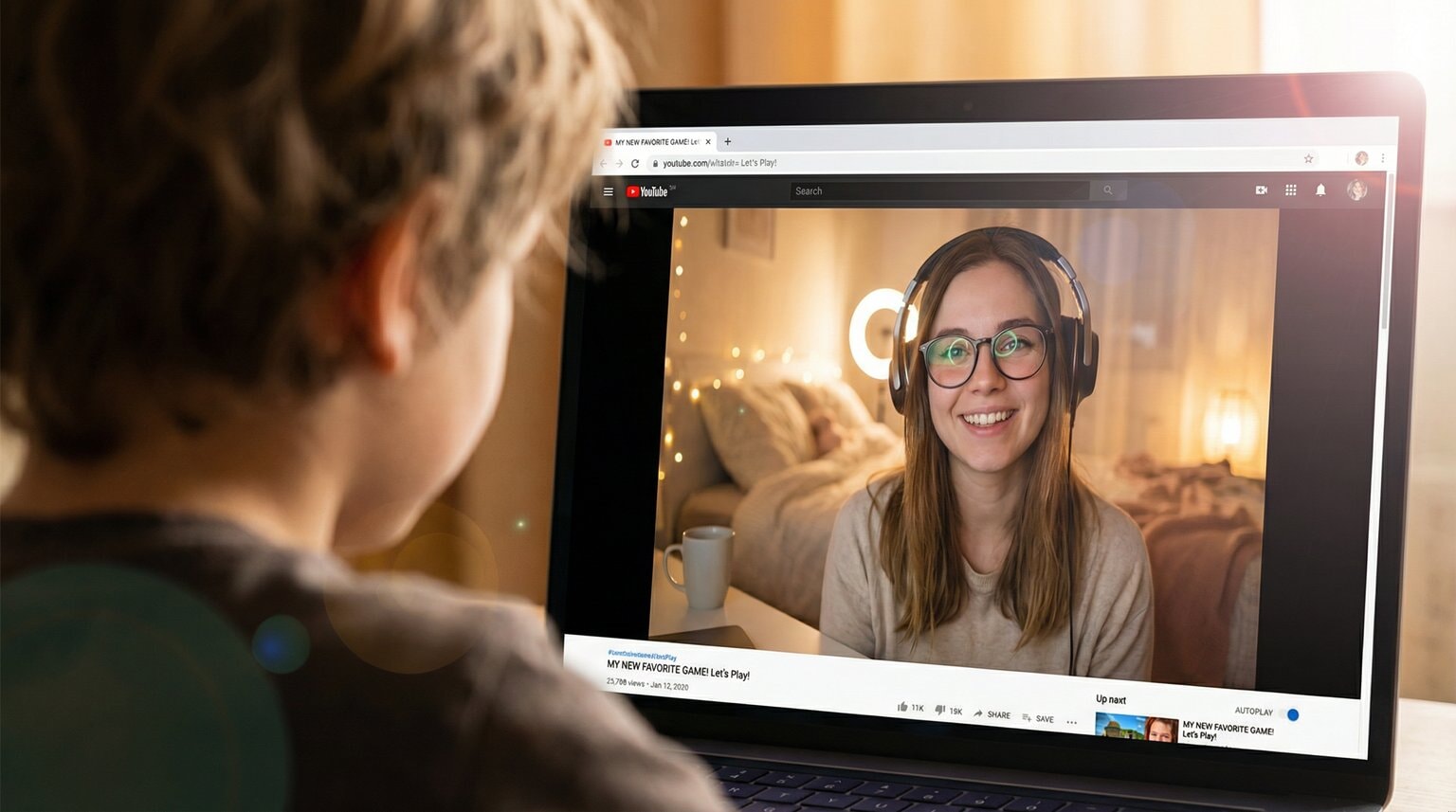
When a YouTuber looks into the camera and says “Hey guys,” your child’s brain processes this as being looked at—being seen. The camera technique creates an illusion of face-to-face interaction. Eye-level positioning, tight framing on the face, and direct address trigger the same neural responses as actual conversation.
Repetitive Exposure and Algorithmic Feeding
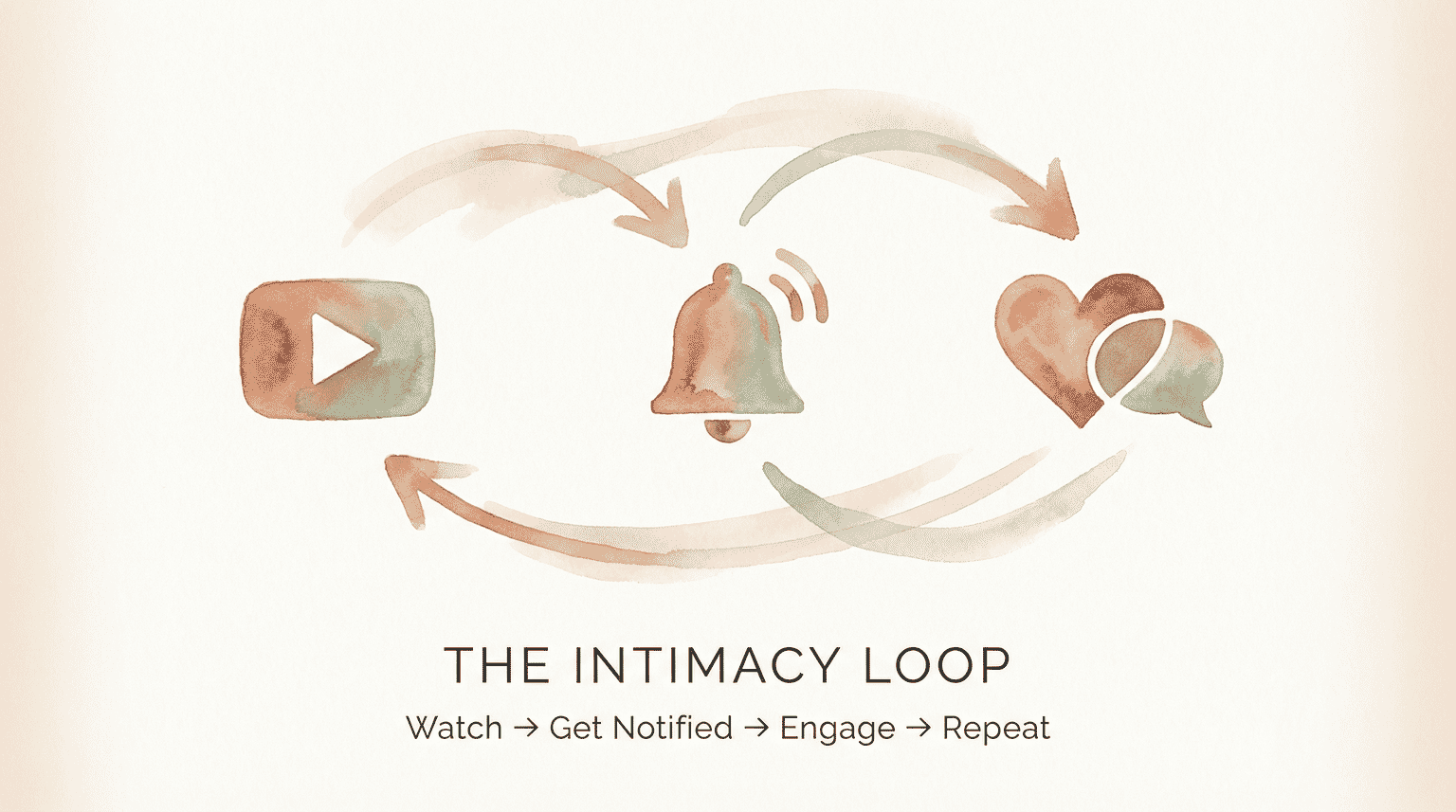
YouTube’s recommendation algorithm ensures that once your child watches one video from a creator, they’ll see that creator again. And again. And again. This repetitive exposure builds the familiarity that underlies attachment.
Research on tweens found that parasocial relationship strength directly correlates with time spent watching specific YouTubers. The algorithm essentially automates relationship-building—the more your child watches, the stronger the bond becomes.
Notification Systems as Relationship Maintenance
When your child’s phone buzzes with a notification that their favorite YouTuber posted, they experience it like hearing from a friend. The platform’s notification system creates relationship maintenance behavior—checking in, staying updated, feeling connected.
Understanding why unboxing videos are particularly compelling helps explain how specific content types leverage these same mechanics to create especially sticky viewing experiences.
The Community Illusion
Comments, likes, and community posts deepen the illusion of two-way relationship. Even if a YouTuber never reads your child’s comment, the act of commenting creates a sense of participation. Your child feels like part of something—a community, a friendship, a relationship—even though the connection remains fundamentally one-sided.
How Creators Build Trust
Beyond platform mechanics, YouTubers themselves employ specific techniques—intentionally or intuitively—that build parasocial trust.
Strategic Self-Disclosure
Research identifies self-disclosure as the most reliable predictor of parasocial relationship formation. When YouTubers share personal struggles, family drama, or vulnerable moments, they’re not just being authentic—they’re building the perceived intimacy that makes your child trust them.
The vlog format is particularly effective: tight face-to-face shots, direct addresses to camera, and evaluative self-disclosure (sharing thoughts and feelings rather than just facts) create the feeling of genuine friendship.
The Host-Selling Technique
A 2024 NIH study found that 48% of children’s YouTube content includes consumerism—branded content, unboxing videos, and calls to purchase. But here’s what makes it potent: when advertising comes from the “host” of the content, children under 8 have particular difficulty recognizing it as advertising at all.
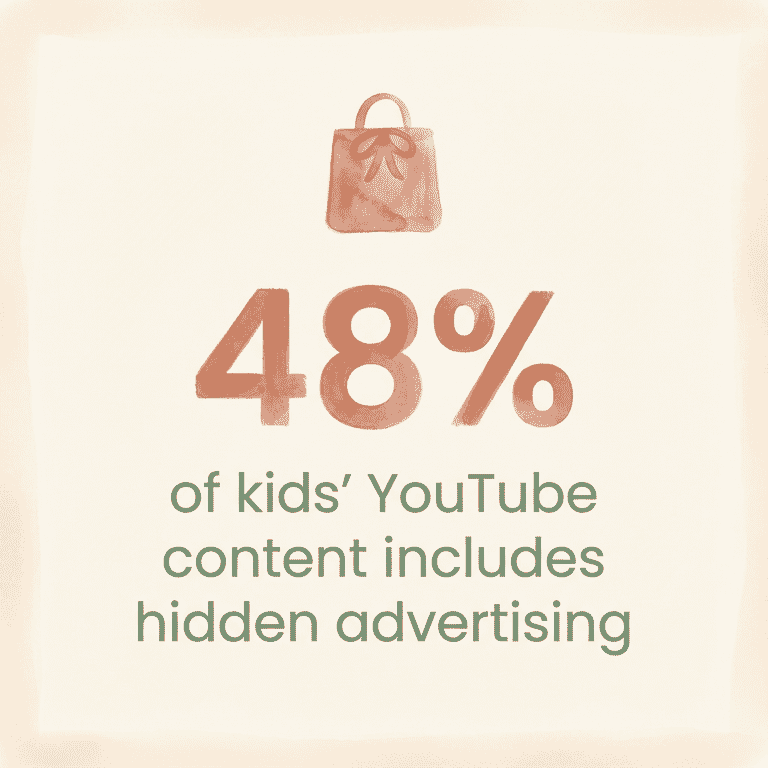
The Swedish study found that children view YouTuber merchandise as more personally connected to the creator than third-party sponsorships. When your child wants that YouTuber’s merch, they’re not just buying a product—they’re acquiring a piece of the relationship.
This is why gift requests often center on YouTuber-promoted items. The recommendation feels like advice from a trusted friend, not a commercial transaction.
Authenticity Performance
The parasocial “friend” must feel genuine, even when much of the content is scripted or sponsored. Successful YouTubers master what researchers call authenticity performance—appearing real, relatable, and trustworthy while operating within a commercial context.
Some older children begin to notice the cracks in this performance.
“A lot of it has become very fake. You don’t really know anymore… They have been told that they should say this is good in this way and then you kind of go: ‘Is this really what you think, or is it just something you’re saying?'”
— Carl, age 13, Swedish research participant
But Carl is 13. Younger children don’t yet have the cognitive tools to ask these questions. Understanding how digital influence shapes what children want reveals the broader pattern of how these parasocial bonds translate into consumer desire.
The Compensation Effect: Why Some Children Are More Vulnerable
Not all children form equally intense parasocial relationships. Research points to specific factors that increase vulnerability.

Social Anxiety and the Comfort of One-Way Connection
The HAL Science study found that viewer social anxiety was positively associated with both the desire for parasocial connection and feelings of intimacy with favorite YouTubers. For children who find real-world interaction uncomfortable, YouTubers offer something irresistible: the feeling of connection without the stress of reciprocal interaction.
“I can see why people feel more comfortable watching YouTube than talking to someone in real life because it is one way—you don’t have to think about their reactions or think about how people perceive you.”
— Emily, age 18, BBC study participant
The “Safe Haven” Appeal
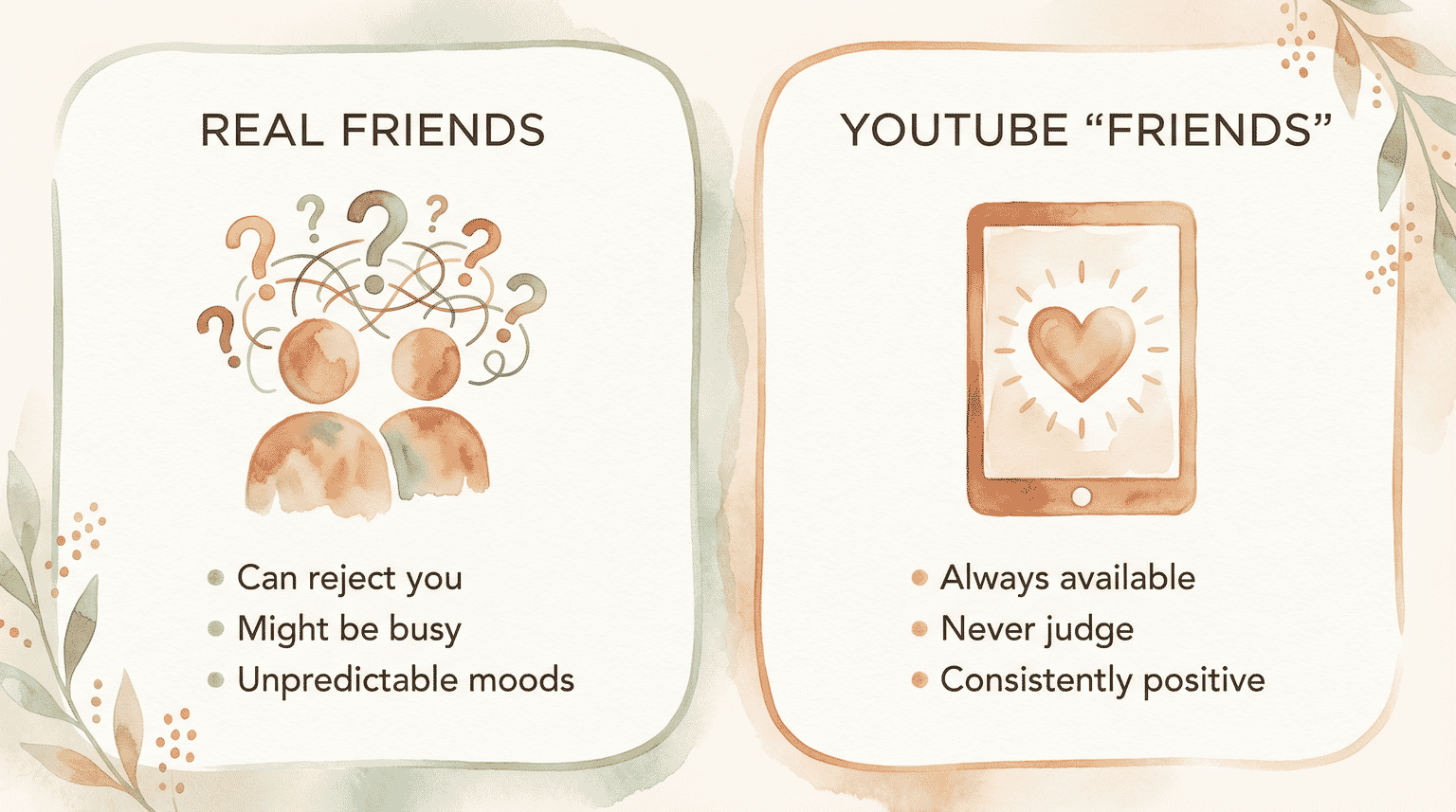
The psychological draw of parasocial relationships comes down to something simple: predictability and safety.
“These parasocial relationships offer that guaranteed safe haven. They maybe can’t hold your hand the way a loved one could, but they can’t reject you or tell you they’re too busy for you because you are able to access them in your own time and on your own terms.”
— Dr. Veronica Lamarche, University of Essex
Your child can “visit” their YouTuber friend whenever they want. That friend will never be in a bad mood, never judge them, never be too busy. For children navigating the uncertain social terrain of school friendships, this reliability is deeply appealing.
Technoference and Unmet Needs
A 2024 study of over 3,000 children found that parent-child technoference—disruption of interaction due to parental device use—directly predicts problematic smartphone use in children. When children’s psychological needs go unmet offline, they seek satisfaction through online networks.
This isn’t about blame. We’re all navigating devices, and perfect attention is impossible with the demands of modern life. But understanding the compensation mechanism helps explain why some children develop particularly intense YouTuber attachments: they’re filling a gap.
In my house with 8 kids, I’ve watched this play out in real time. The children who get less one-on-one time (inevitable with so many siblings) tend toward stronger parasocial connections. The relationship isn’t causal in a simple way—but it’s there.
When Normal Becomes Concerning
Parasocial relationships themselves are normal. Dr. Lamarche emphasizes that these bonds serve as “an important part of our psychological toolbox”—they can provide emotional support, reduce loneliness, and help children explore identity.
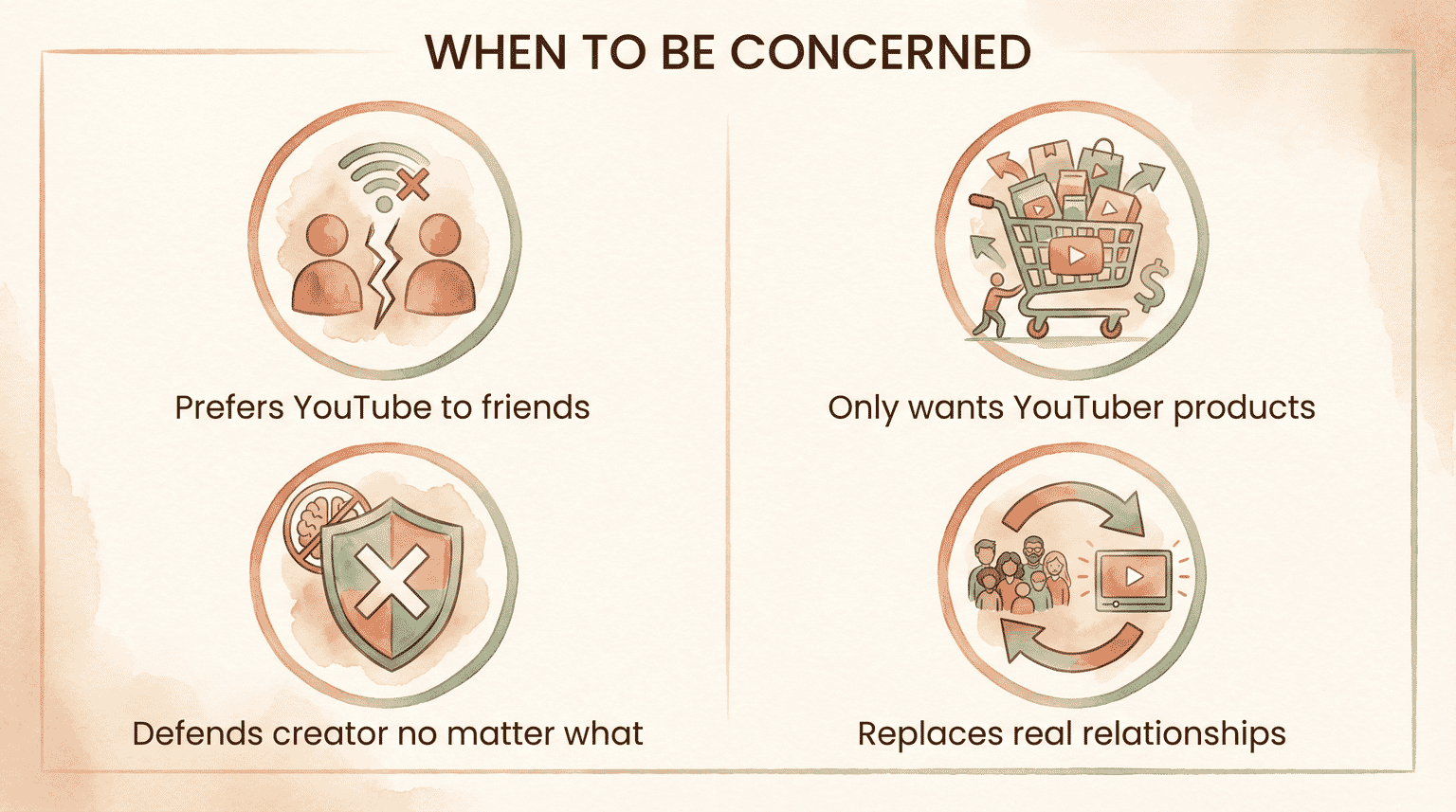
But the mechanism can tip into concerning territory. Watch for these warning signs:
- Real-world relationships suffer: Your child prefers YouTube over spending time with friends, or opts out of activities to watch instead
- Commercial influence dominates: Gift requests are exclusively YouTuber-recommended, or your child shows distress over not having specific products their favorite creator promotes
- Critical thinking disappears: Your child defends everything their YouTuber says or does, unable to recognize any fault
- Substitution becomes complete: The parasocial relationship replaces, rather than supplements, real-world connection
Collectible toy marketing that leverages these bonds shows how commercial interests exploit parasocial dynamics specifically targeting children—worth understanding as you evaluate your child’s particular vulnerabilities.
What This Means for Parents
Understanding the mechanism doesn’t automatically solve the problem—but it does help you identify where intervention might actually work.
Platform Mechanics Have Platform Solutions
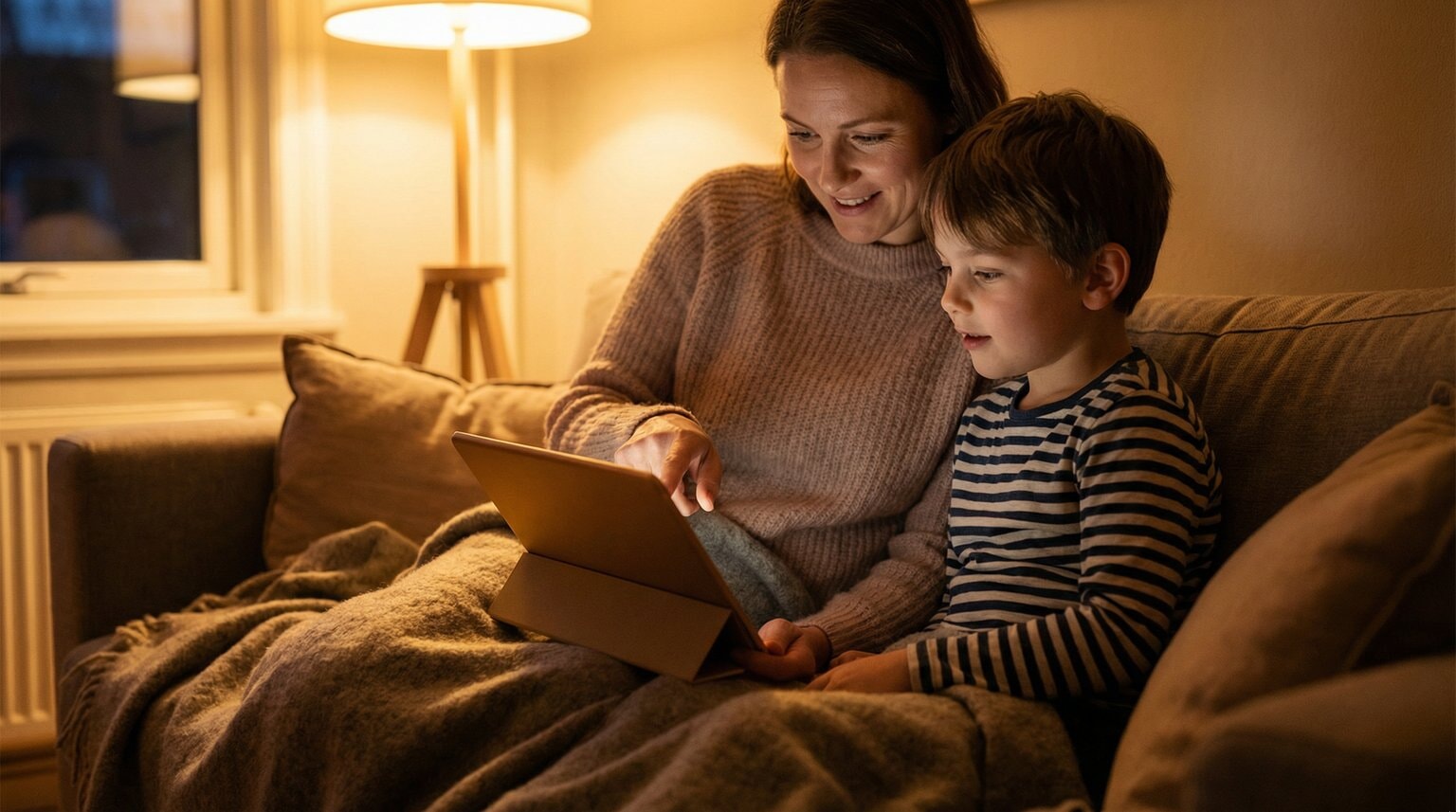
If the algorithm is feeding the attachment, parental controls that limit repetitive exposure to single creators can help. Turning off autoplay interrupts the seamless escalation. Disabling notifications removes the relationship-maintenance prompts.
These aren’t about punishing your child—they’re about disrupting the mechanics designed to manufacture intimacy.
Real-World Connection Addresses Compensation
If parasocial relationships fill gaps left by unmet relational needs, the intervention point is obvious if not always easy: more real-world connection. This doesn’t mean achieving perfect availability (impossible, especially with multiple children), but recognizing when YouTuber attachment might signal a need for more human presence.
Media Literacy Addresses Developmental Vulnerability
Your 7-year-old can’t develop advertising literacy overnight—their brain literally isn’t ready. But you can start building the foundation. Watching together and asking questions (“Why do you think they showed that product?”) plants seeds of critical thinking that will mature as their brain does.
Some children begin developing this awareness earlier than others.
“And it’s just too much advertising, it’s advertising everywhere. You become like, almost brainwashed. Like please leave me alone.”
— Anna, age 10, Swedish research participant
Children can develop awareness that something is happening—even before they fully understand the mechanics.
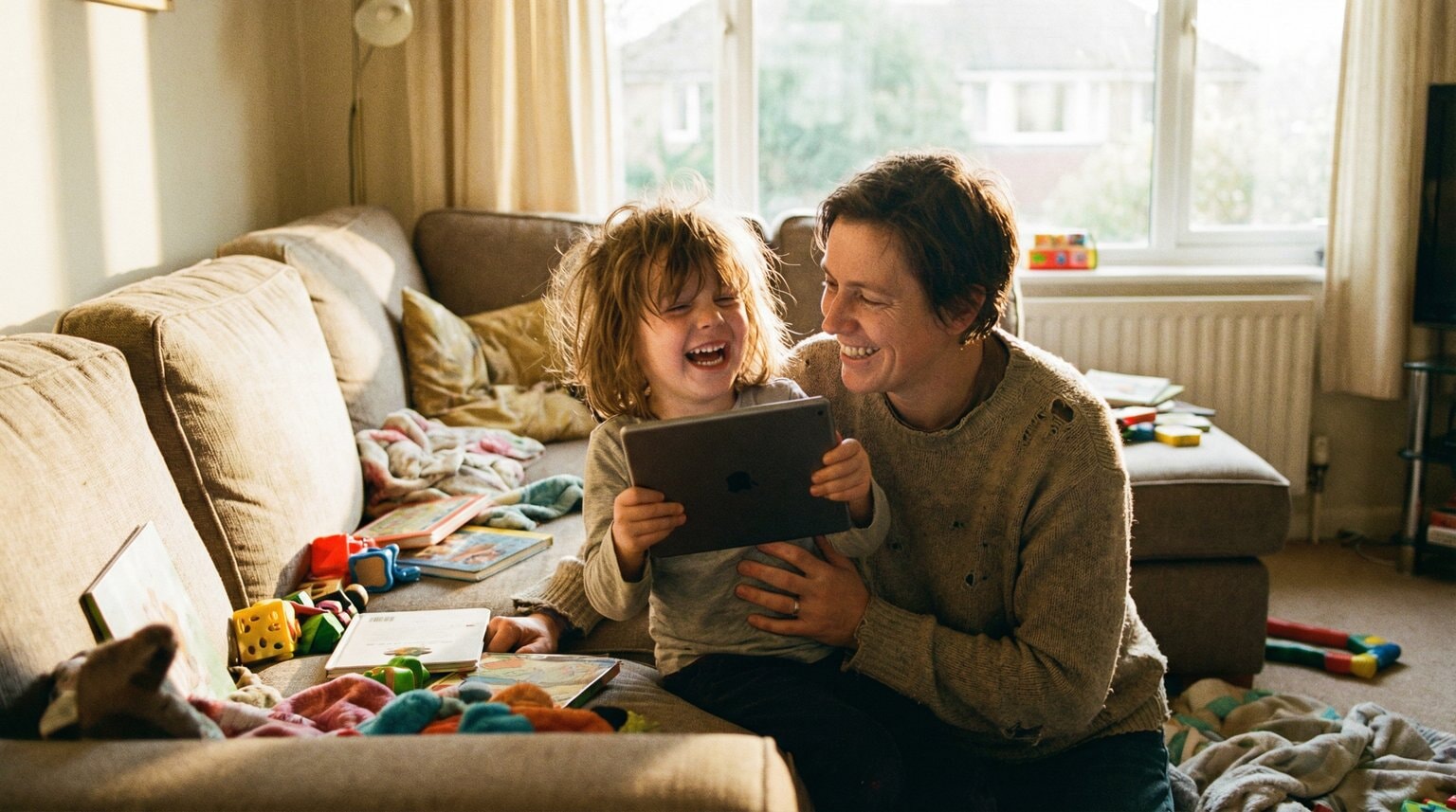
My 15-year-old now occasionally references YouTubers she was obsessed with at 10 with slight embarrassment—the way I might reference a celebrity crush from middle school. She understands now what she couldn’t then: that the relationship was real in her feelings but engineered in its design.
Understanding the mechanism won’t make your child’s attachment disappear overnight. But it does give you something valuable: the ability to see what’s actually happening, and to intervene where intervention might actually matter.
Frequently Asked Questions
Is it normal for my child to feel like a YouTuber is their friend?
Yes. Research shows 52% of people form strong parasocial relationships, and these bonds serve real psychological purposes—providing emotional support and a sense of connection. The concern isn’t the relationship itself but when it substitutes for real-world friendships or makes children vulnerable to commercial influence.
How quickly can children form attachments to YouTubers?
Studies show parasocial bonds can form in as little as nine minutes of relationship-building video content. The combination of direct eye contact, personal sharing, and familiar greeting creates rapid intimacy feelings, especially in younger viewers.
Can my child tell when a YouTuber is advertising to them?
Most children cannot. Digital advertising literacy only reaches adult levels in later adolescence. Before then, children struggle to distinguish genuine recommendations from paid promotions—particularly when the “ad” is delivered through someone they feel is their friend.
Why does my child trust YouTubers more than me?
YouTubers appear to share your child’s interests, speak directly to them, and never criticize or discipline. The parasocial relationship feels unconditionally accepting. This isn’t about trust in you—it’s about the designed appeal of a relationship with no friction or demands.
Over to You
Does your child have a YouTube “friend” they talk about constantly? I’d love to hear how you’ve handled the parasocial relationship—and whether trying to explain it helped or just made things awkward.
Your stories help other parents realize they’re not alone in this.
References
- University of Essex Research – Parasocial relationships and emotional needs
- NIH YouTube Content Analysis – Quality and appropriateness of YouTube content for young children
- Childhood & Society Study – Children’s interpretation of sponsored content and merchandise advertising
- PMC Digital Marketing Review – Children’s advertising literacy development
- Nature Scientific Reports – Parasocial relationship formation speed and prejudice reduction
- HAL Science Archive – Parasocial relationships, social anxiety, and YouTube viewing
- PMC Technoference Study – Parent-child device use and relationship quality
- BBC News Coverage – University of Essex research on YouTube and emotional connection

Share Your Thoughts