
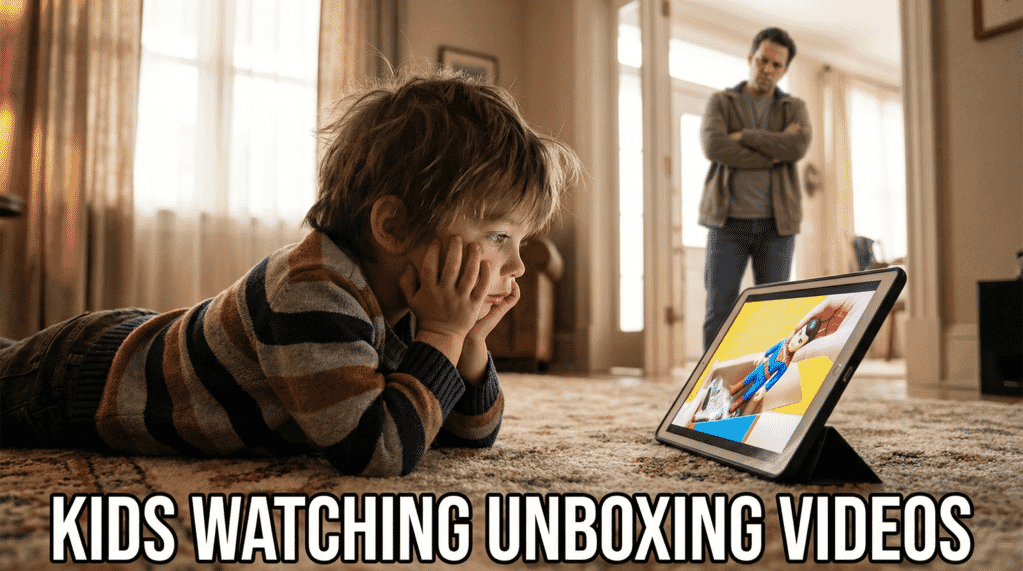

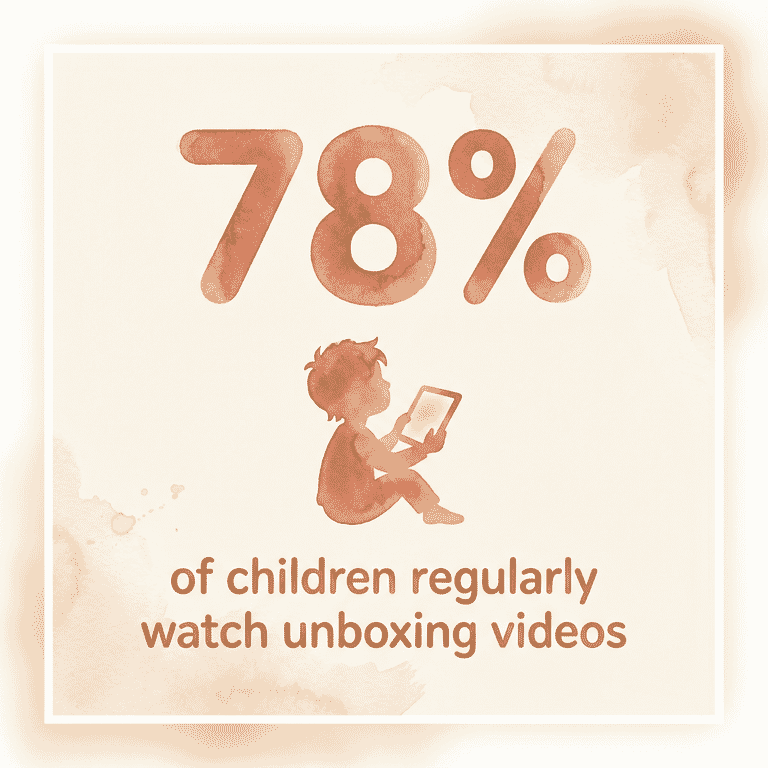
That mesmerizing loop of tiny hands tearing open toy boxes? Your kid isn’t just watching it—78% of children are. And here’s what caught my librarian brain: University of Colorado Boulder research found the more unboxing videos kids watch, the more purchase demands they place on parents.
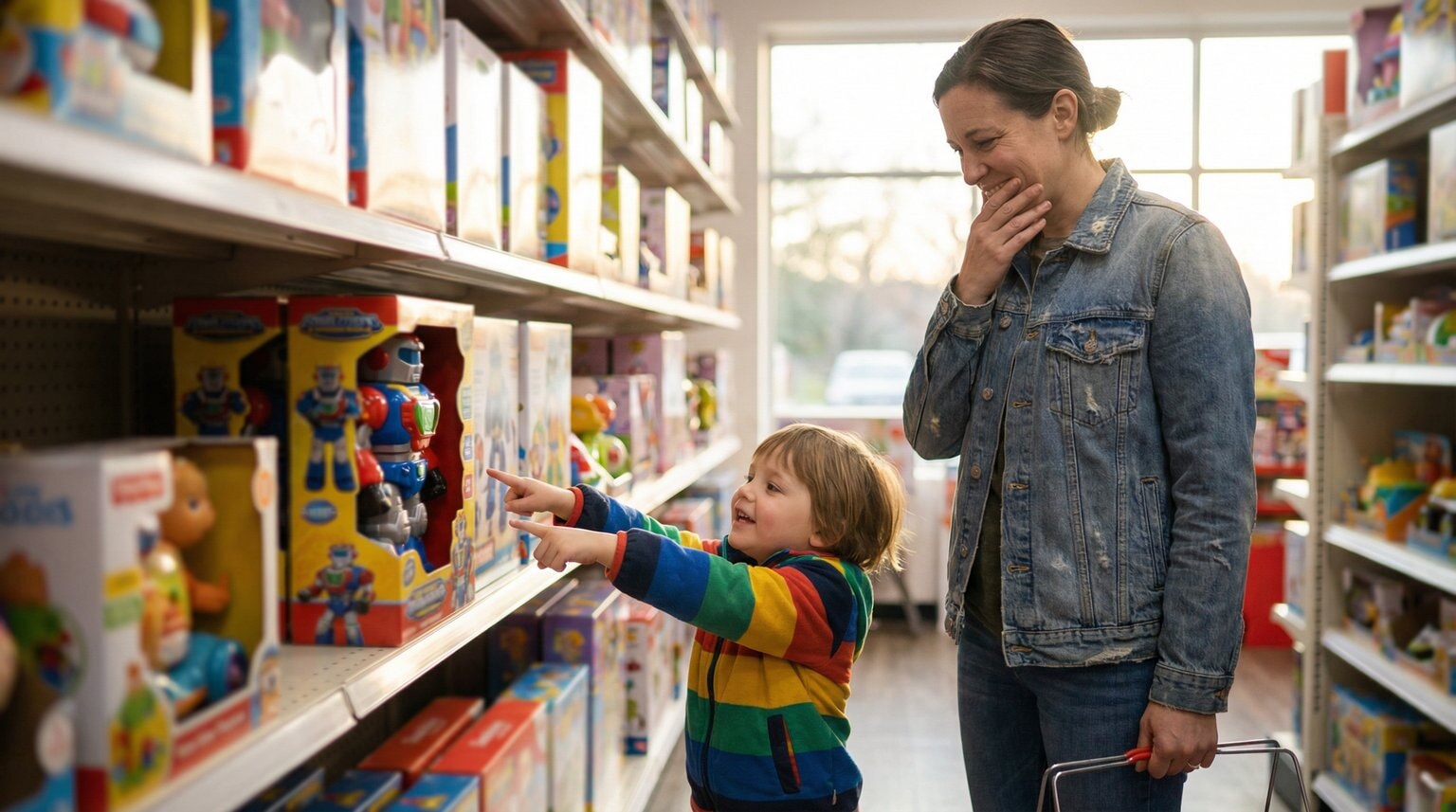
Researchers call this “pester power,” and if you’ve ever walked into Target with a child who knows exactly which toy they need, you’ve experienced it firsthand.
Key Takeaways
- 78% of kids regularly watch unboxing videos, which directly increases purchase demands on parents
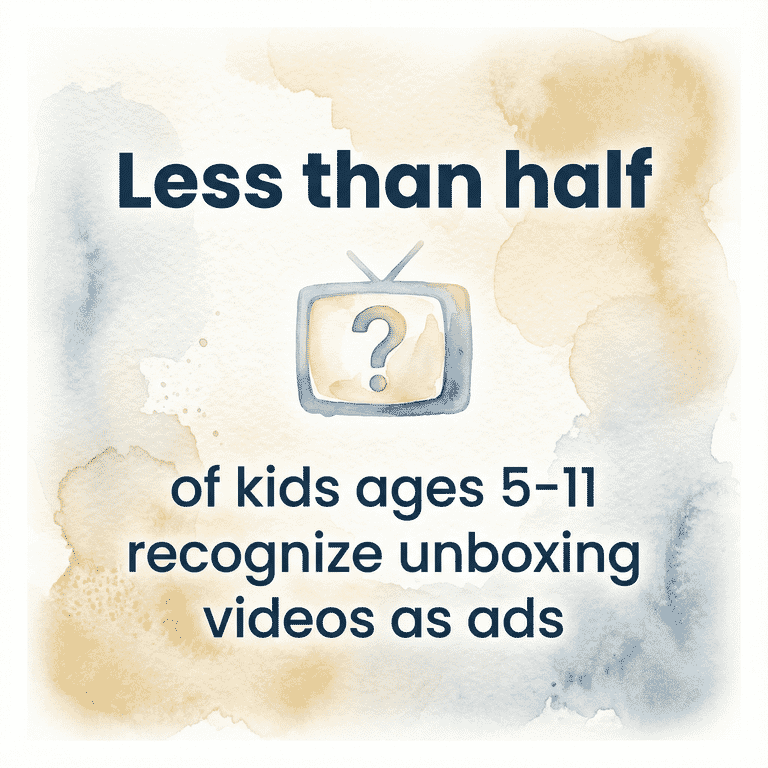
- Fewer than half of children ages 5-11 can identify unboxing videos as advertising
- “Active mediation”—watching together and asking simple questions—helps kids develop ad awareness
- Small conversations add up over time, even if one video won’t undo years of marketing exposure
Most Kids Can’t Spot the Ads
But here’s the part that genuinely surprised me: Federal Trade Commission research found fewer than half of children ages 5-11 can correctly identify an unboxing video as advertising. My 6-year-old watches someone open a toy and sees entertainment. She doesn’t see a commercial—even when that’s exactly what it is.
The research is clear: unboxing videos aren’t just entertainment—they’re a direct pipeline to purchase requests. Kids who watch more, ask for more.
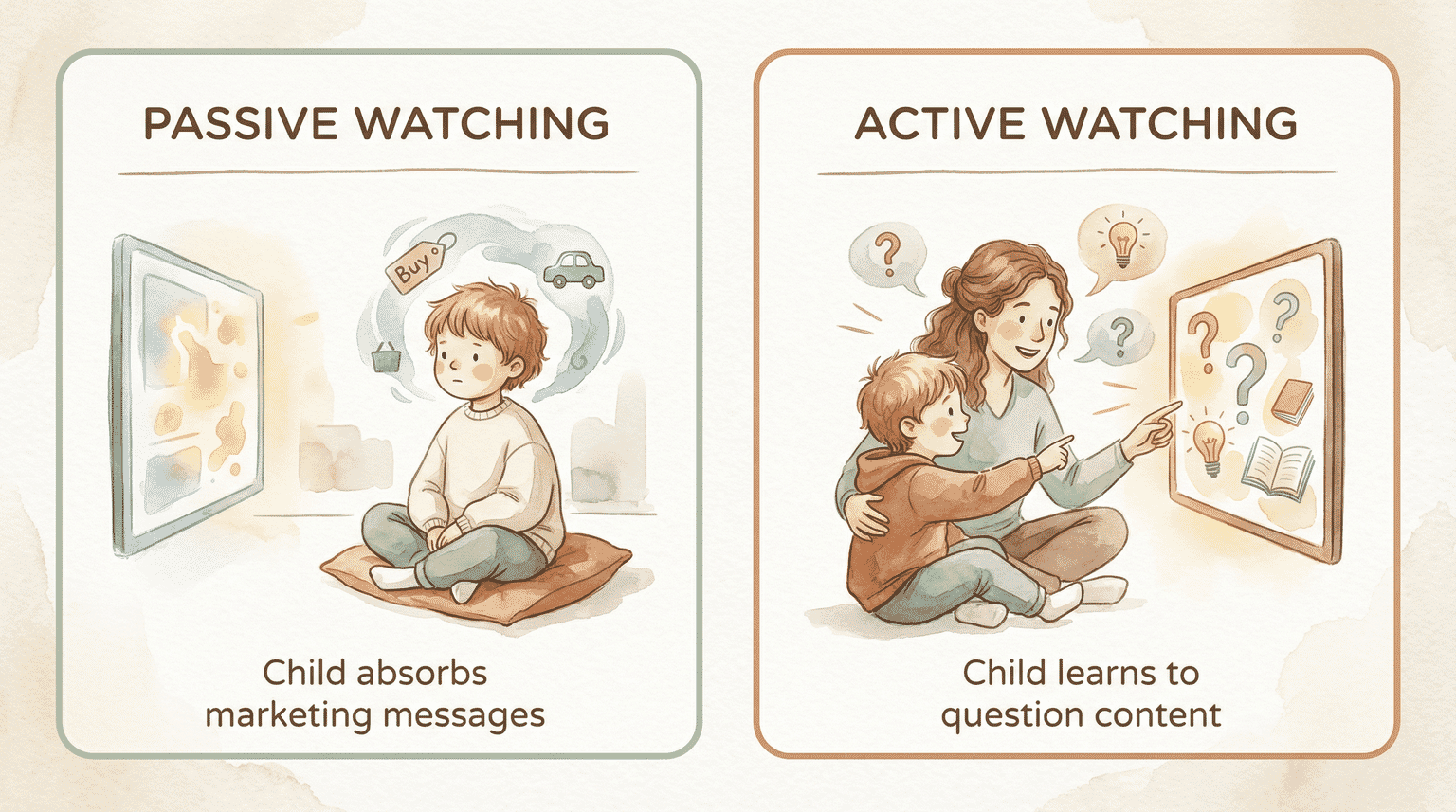
And because children don’t recognize these videos as commercials, they absorb the messaging without any of the natural skepticism they might have toward traditional TV ads.
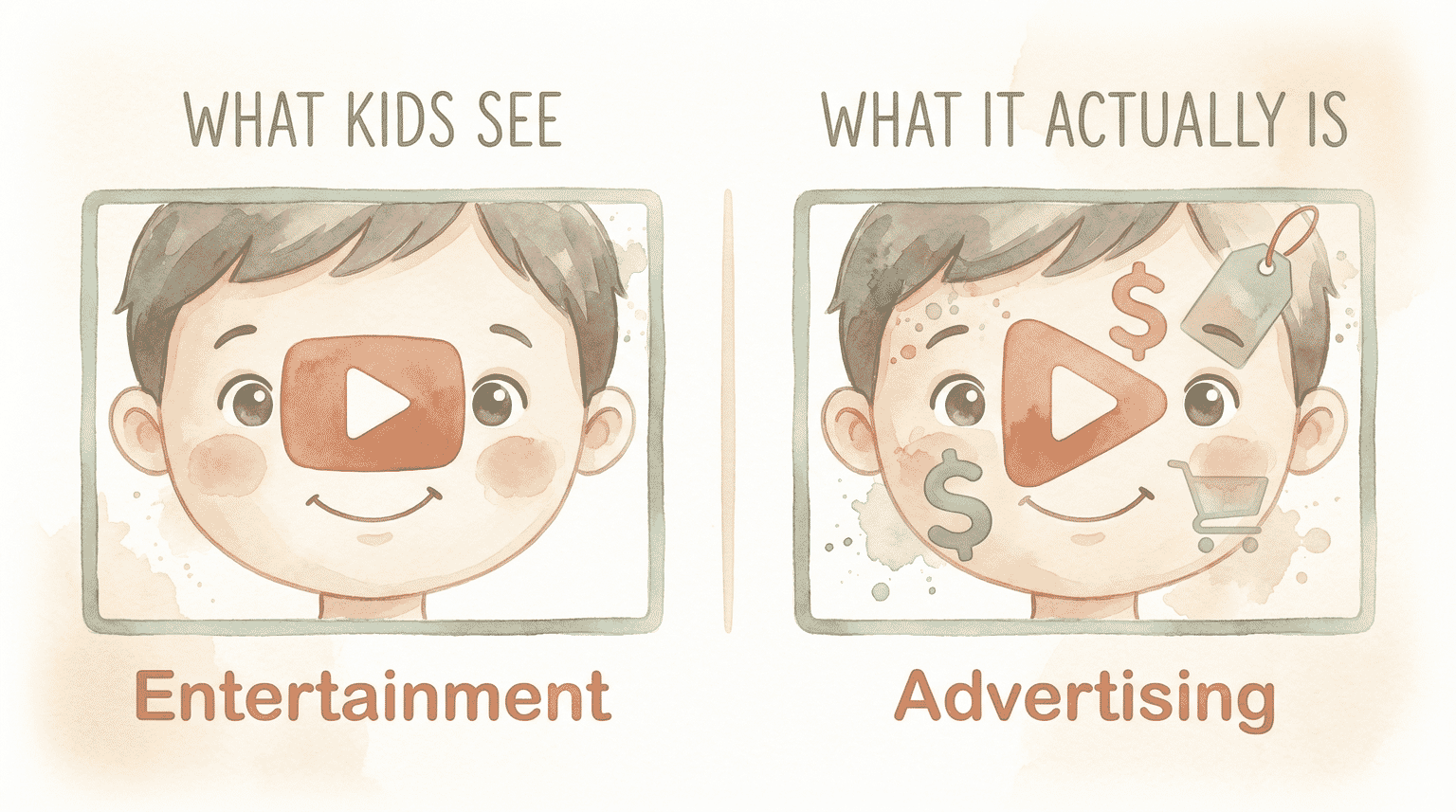
This gap between what kids perceive and what’s actually happening is one of the most common gift-giving challenges parents face today.
Think about it: when a commercial break comes on TV, even young kids learn to recognize it. The format is different. The tone shifts. But unboxing videos? They look exactly like the content kids chose to watch.
There’s no clear boundary. No “we’ll be right back.” Just seamless marketing disguised as play.
The specificity of requests after YouTube time isn’t coincidence—it’s by design.
“Pester power can result from watching these videos on YouTube. Kids know the exact type of toy brand to look for once they enter a store.”
— Dr. Jason Freeman, Brigham Young University
I’ve watched this play out eight times now with my own kids. The requests aren’t vague anymore—they’re laser-focused on specific brands, specific versions, specific colors they saw in a video three days ago.
What Actually Helps
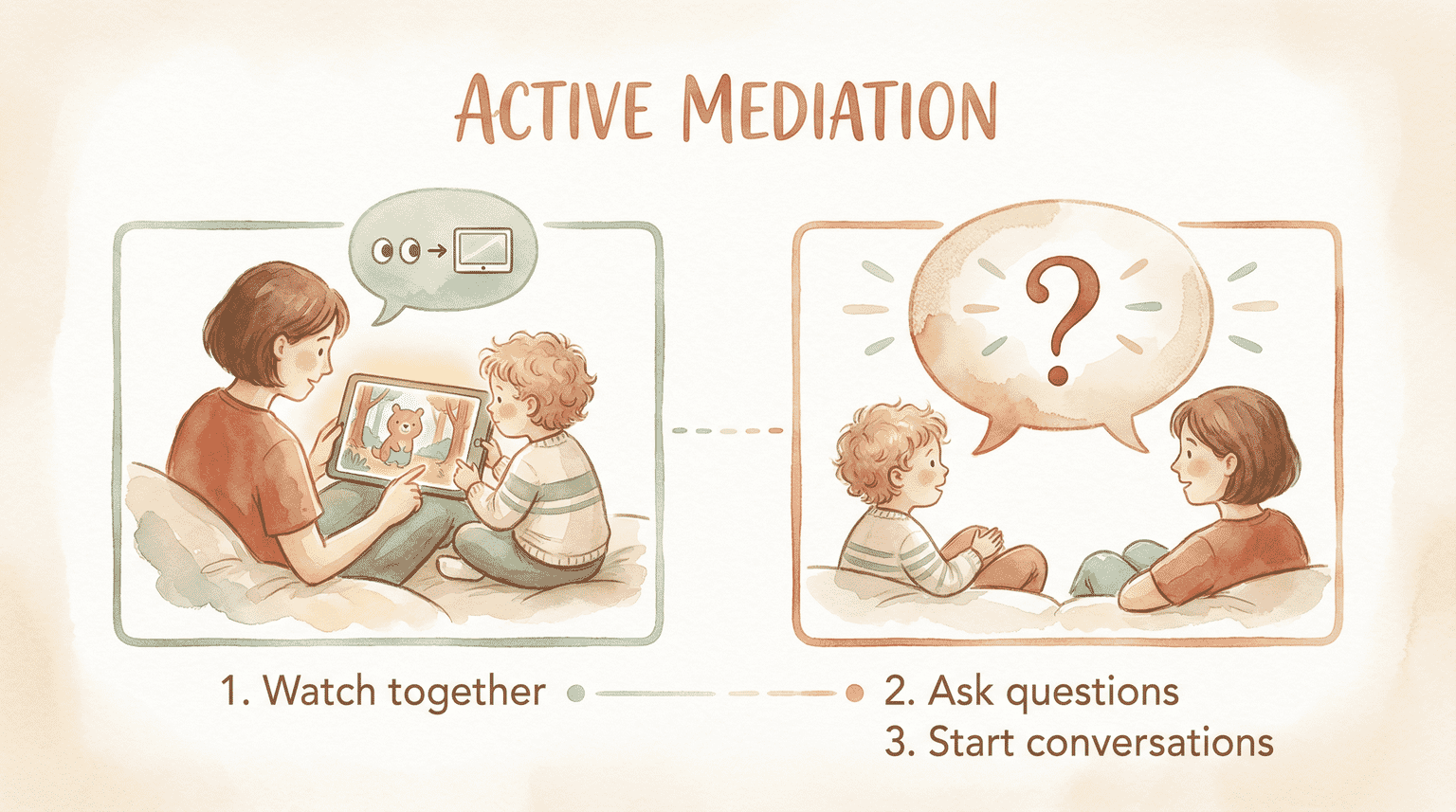
So what actually helps? BYU researchers recommend what they call “active mediation”—which is a fancy term for watching together and talking about what’s happening.
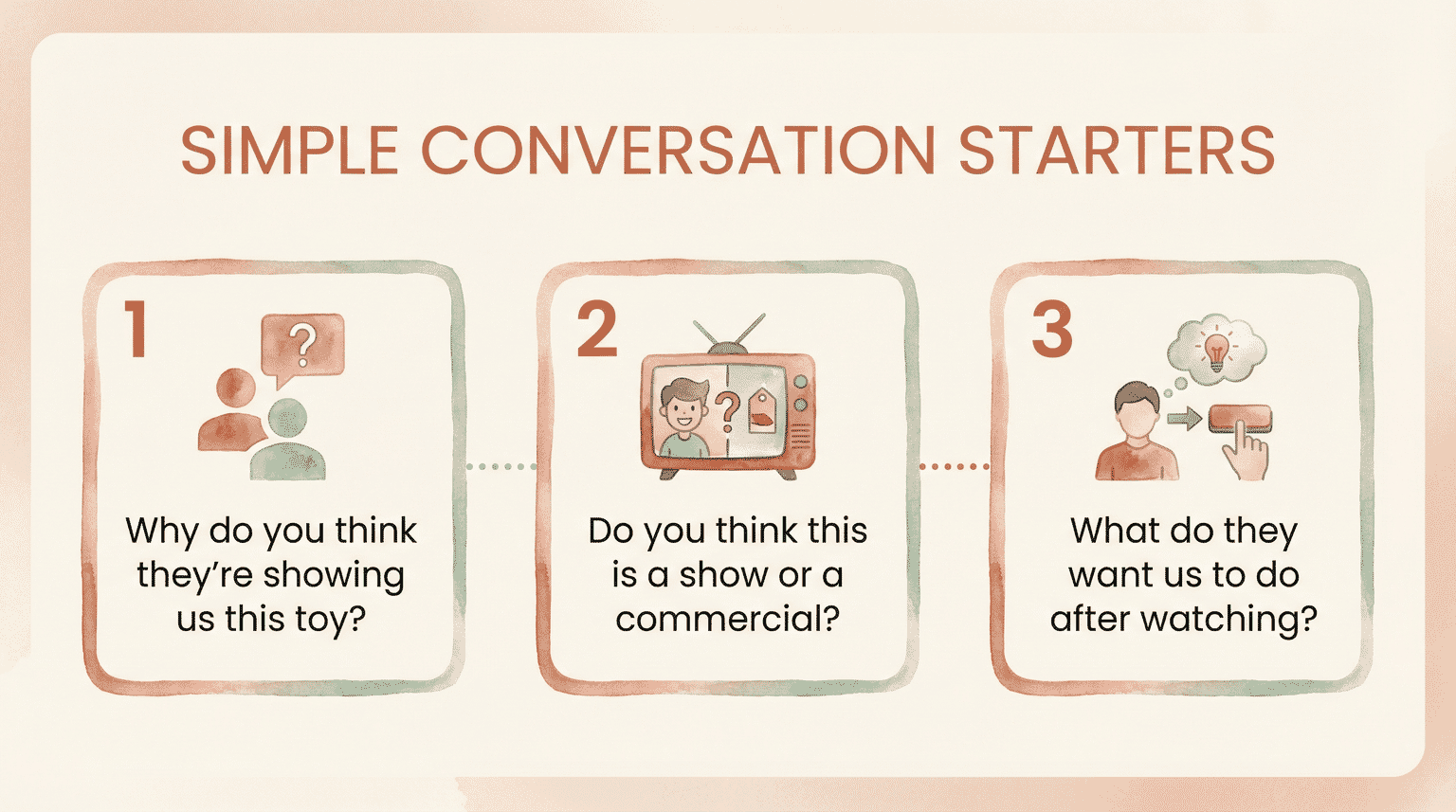
When my 8-year-old and I watch an unboxing video together, I’ll ask, “Why do you think they’re showing us this toy?” It doesn’t have to be a lecture. Just a question.
The goal isn’t to ban unboxing videos—good luck with that anyway. It’s helping kids start to see what they’re really watching.

If you’re curious about why kids are so drawn to unboxing videos in the first place, the psychology is fascinating. And understanding the broader digital gift culture shaping their expectations? That’s worth exploring too.
One video won’t undo years of marketing exposure. But those small conversations add up.
Over to You
Do unboxing videos show up constantly at your house? I’d love to hear whether you’ve found any limits that actually stick—or whether you’ve just accepted them as part of modern childhood.

Your unboxing strategies help other parents navigate this digital maze.
References
- University of Colorado Boulder / Marketing Agent – Research on children’s unboxing video viewing habits and purchase demands
- Federal Trade Commission – Staff perspective on children’s ability to identify digital advertising
- Brigham Young University – Research on parental mediation strategies for commercial content

Share Your Thoughts