
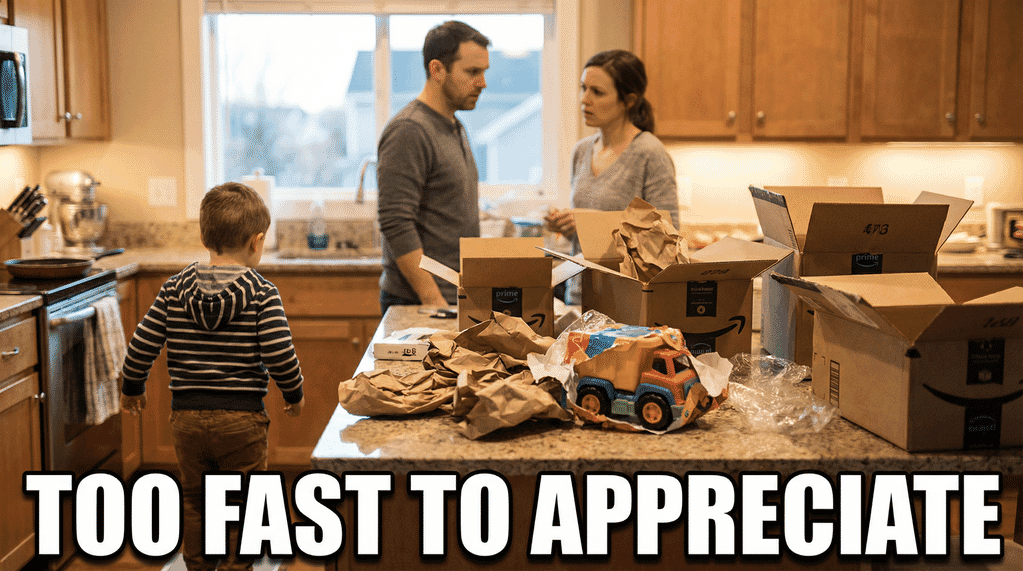
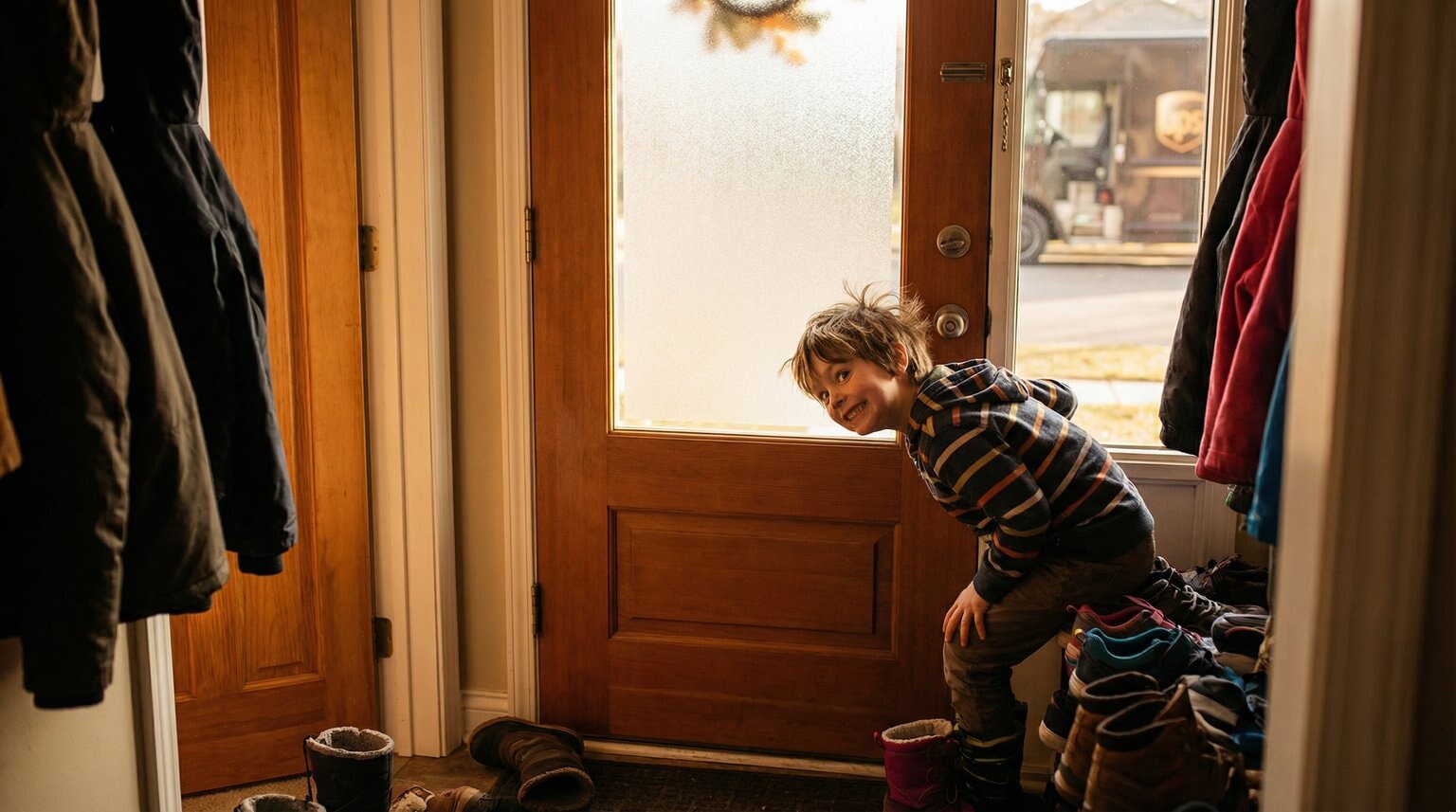
Your 6-year-old just checked the tracking app for the third time today. The package was ordered six hours ago. “Why isn’t it here yet?” she asks, genuinely confused. Welcome to raising children in an era where waiting feels like something broken—not something normal.
Here’s what the research actually shows: today’s kids are growing up in a fundamentally different world than any previous generation when it comes to expectations about getting what they want. And understanding this shift isn’t about judging our convenience-loving culture—it’s about parenting intentionally within it.
Key Takeaways
- Children today have far fewer opportunities to practice waiting, making patience an unfamiliar skill rather than a natural one
- Research shows waiting actually increases satisfaction—anticipation enhances the joy of receiving
- Prime households spend more than double non-Prime households annually, and our kids are watching
- Values-based framing (“we’re choosing to wait because…”) works better than positioning slower delivery as deprivation
- Small shifts matter—you don’t have to eliminate fast shipping to raise patient children
The Amazon Effect Comes Home
The “two-day shipping generation” describes children raised in an era where instant delivery is the norm. These children have grown up expecting purchases to arrive within one to two days—sometimes hours—shaping their baseline assumptions about waiting, patience, and gratification in ways previous generations never experienced.
The numbers are staggering. According to BYU Marriott School of Business researchers, e-commerce experienced ten years of growth during just the first three months of the pandemic. Retail e-commerce sales exceeded $300 billion in the US alone in Q3 2024. Package deliveries are projected to surpass 100 million per day by 2026.
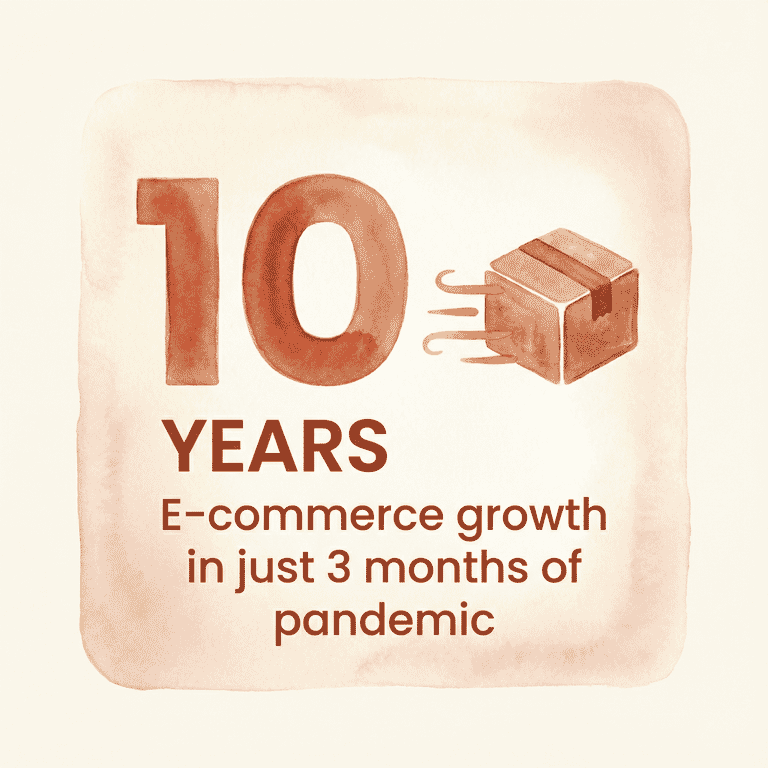
That acceleration wasn’t gradual—it was a seismic shift in how families shop and receive goods. What took a decade under normal circumstances happened in weeks.
Our children absorbed these new expectations during their most formative years, making instant delivery feel not like a convenience but like the natural order of things.
Scott Webb, a Teaching Professor at BYU Marriott, puts it bluntly: “In the industry, they call it the Amazon effect—the idea that delivery should be really fast, and it should be free. Customers absolutely love it, but the truth is, it’s always been an unsuccessful business model.”
What does this mean for families? Our children are absorbing expectations that didn’t exist when we were growing up—and that may not be sustainable for anyone.
A Different Kind of Childhood
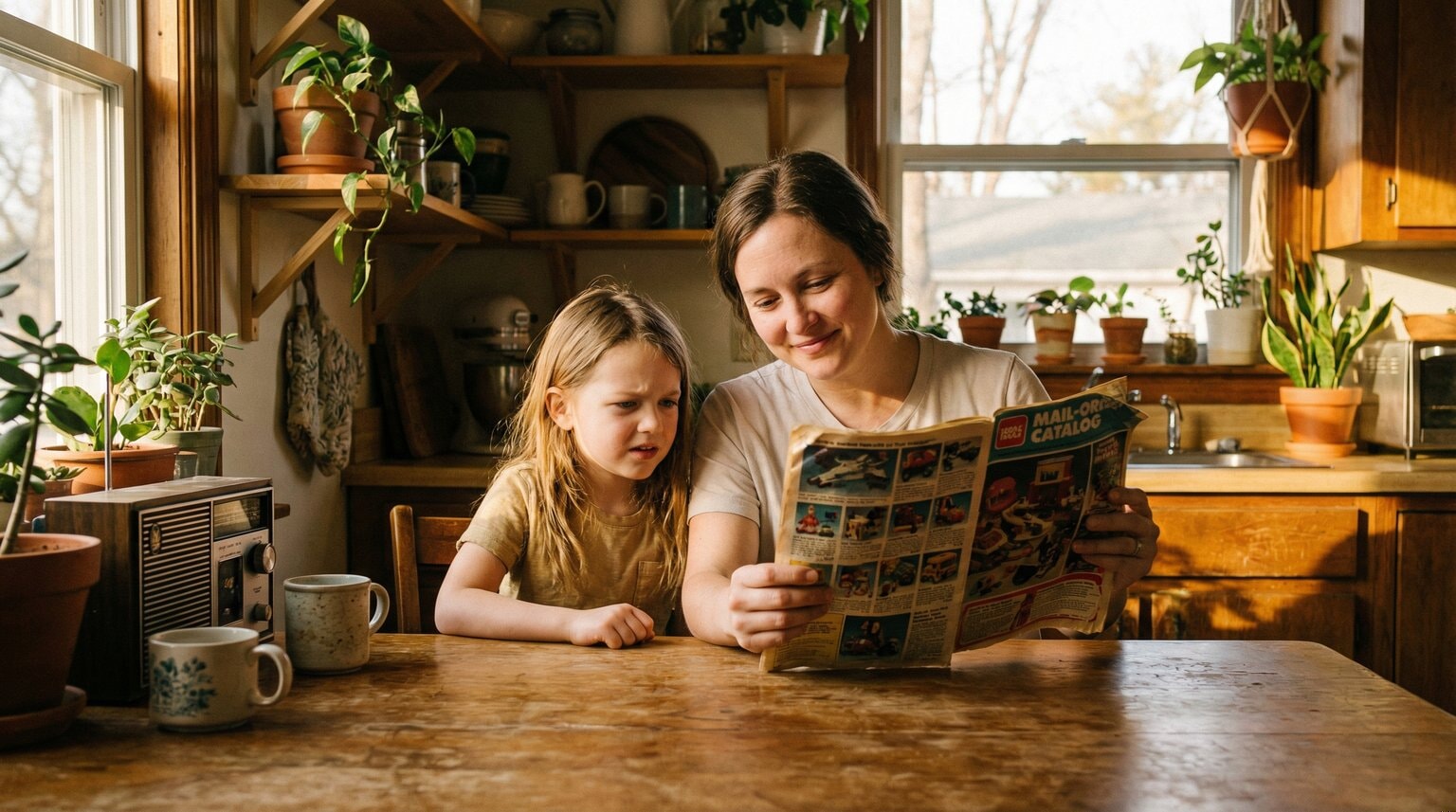
I remember ordering from catalogs as a kid. Four to six weeks was standard. You circled what you wanted, mailed an envelope, and then… you waited. And forgot. And then one day—surprise!
My kids have no reference point for this experience.
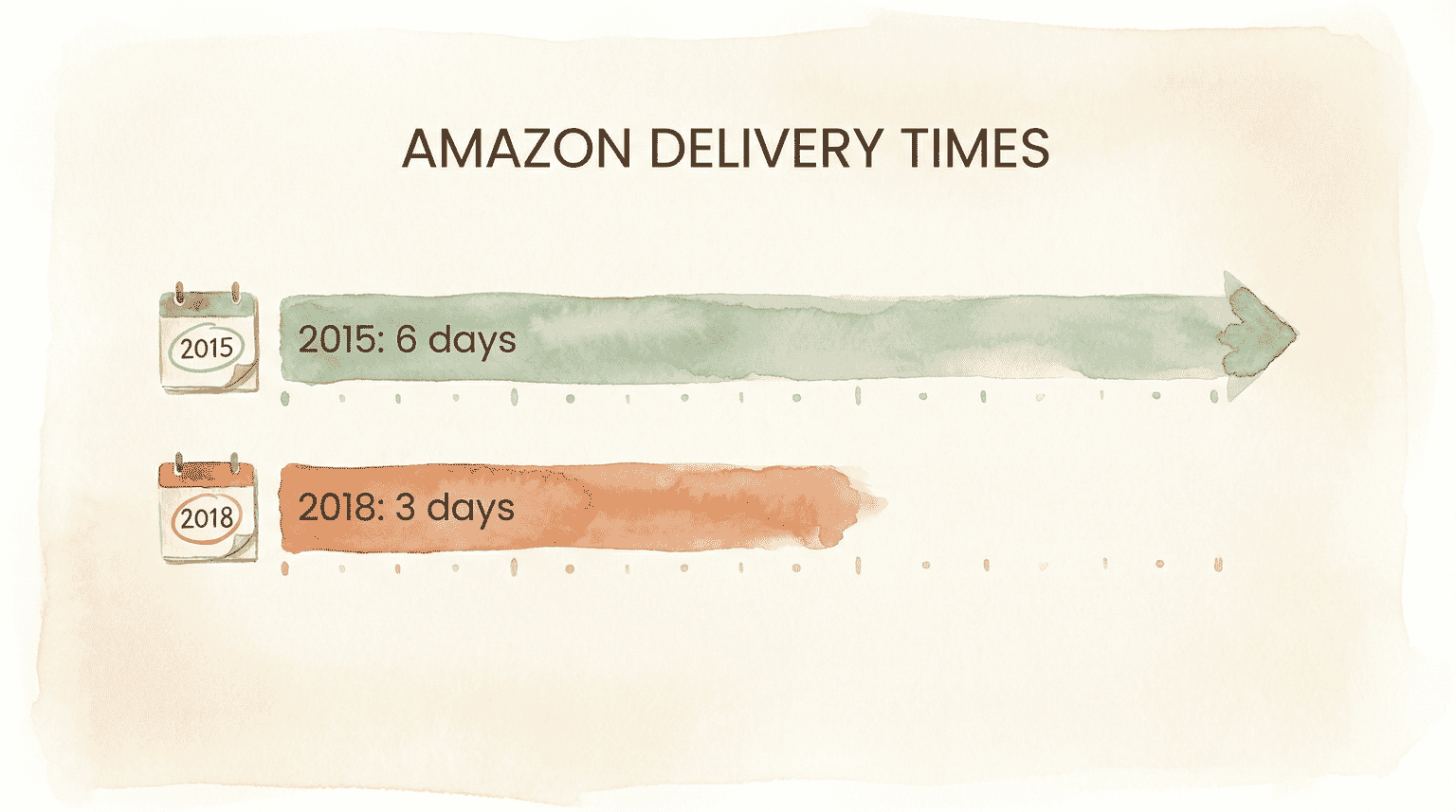
Amazon reduced its average delivery lead time from 5.92 days in 2015 to 3.07 days by 2018. Today, same-day delivery is routine for many items. Research published in the Journal of Retailing notes that a McKinsey study found almost half of consumers abandoned online carts simply because shipping times felt too long.
BYU’s Bekki Brau captures what’s happening: “Now last-mile delivery is so easy on the consumer—it takes only one click of a button—shoppers think they need a lot more stuff than they actually do.”
The compounding effect is significant. When instant delivery combines with on-demand streaming, same-day grocery delivery, and immediate access to virtually everything, waiting becomes unfamiliar territory for children.
It’s not that kids today are more impatient by nature—it’s that they’ve had far fewer opportunities to practice waiting.
The Surprising Psychology of Waiting
Here’s where my librarian brain got interested: research suggests that faster isn’t actually better, even from a satisfaction standpoint.
Psychologists have long understood cognitive dissonance—the mental discomfort we feel after making a decision. The highest dissonance occurs immediately after purchase. Over time, we naturally rationalize our choices, generating reasons why we made a good decision.
When packages arrive almost instantly, this rationalization process gets cut short. The Journal of Retailing study found that fast deliveries significantly increase the likelihood of product returns.
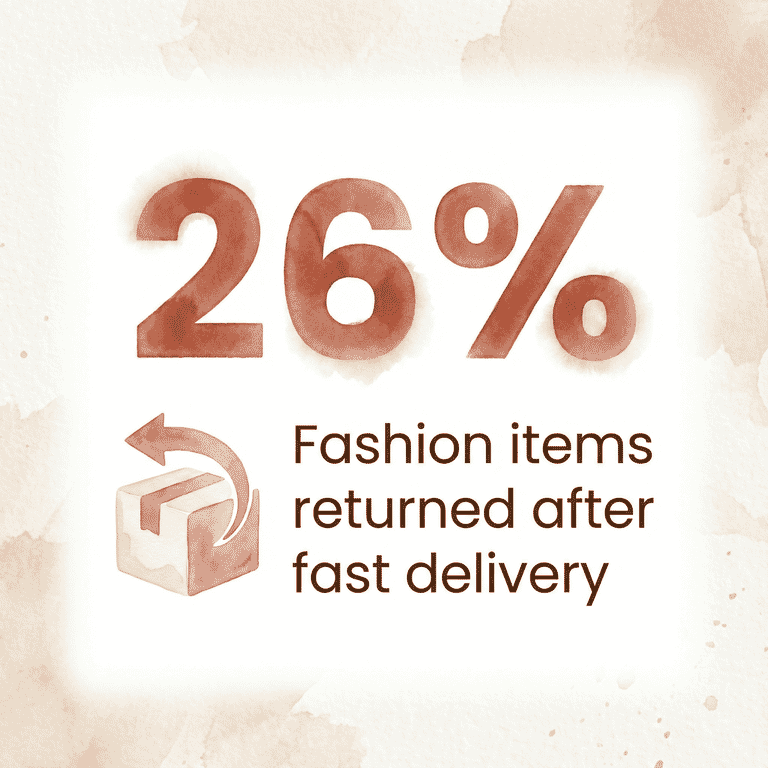
For fashion items, return rates hit 26%. The researchers explain that waiting allows us to mentally reinforce why we wanted something, making the arrival more satisfying.
Think about what that means: the anticipation isn’t just time passing—it’s your brain building up the value of what’s coming.
For children receiving gifts, this finding flips the script on what we assume. Waiting isn’t deprivation—it’s anticipation enhancement. The child who counts down days until a birthday present arrives may actually experience more joy than the one whose wish is instantly fulfilled.
If you’re working on teaching children delayed gratification, this research offers encouraging news: the waiting you’re asking them to do isn’t just building character—it’s actually building capacity for satisfaction.
What We Model Matters More Than What We Say
Here’s the uncomfortable truth: Amazon Prime households spend an average of $1,400 annually online, compared to $600 for non-Prime households. Our children watch us click “buy now” and have packages appear the next day. Regularly.
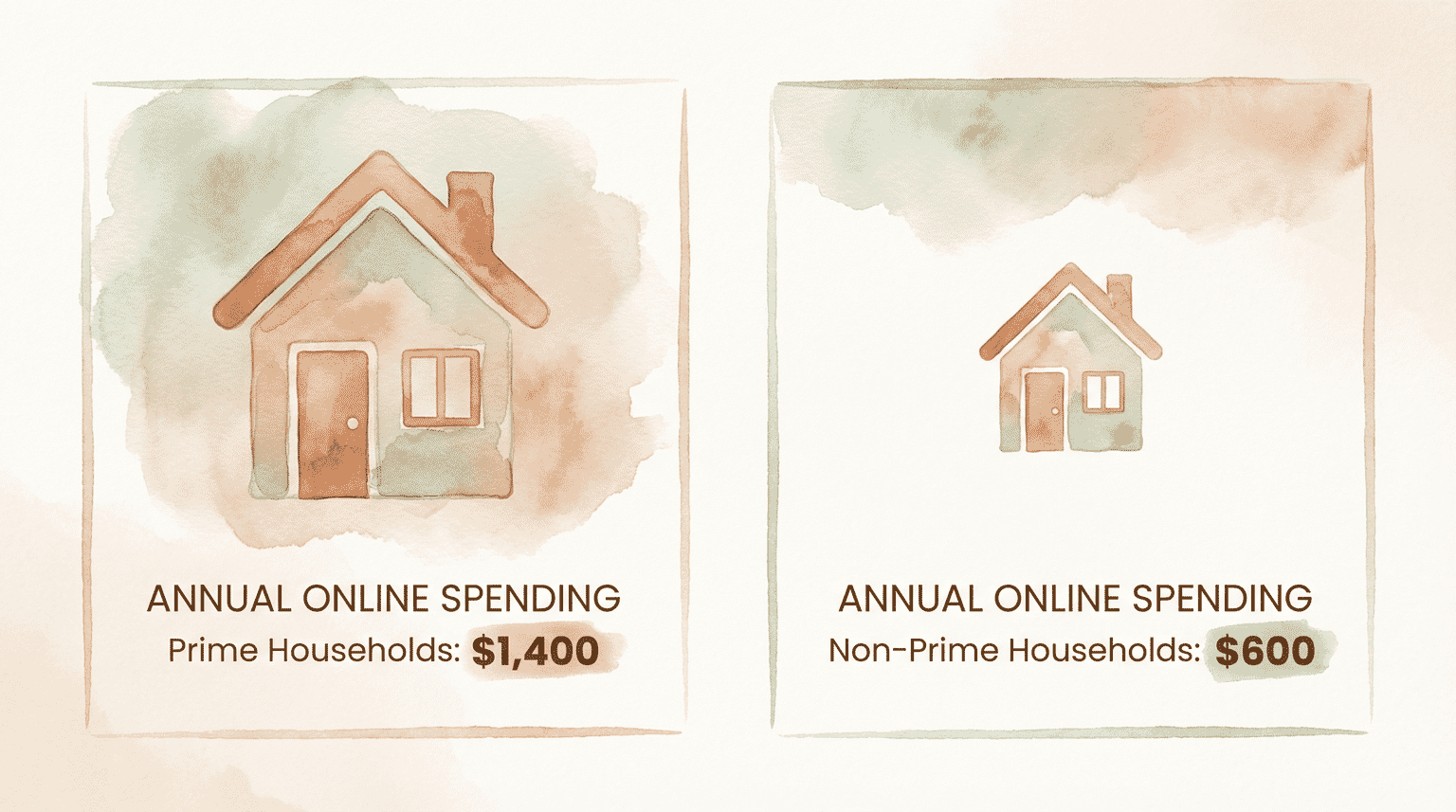
That’s more than double the spending. And while correlation isn’t causation, it’s worth asking: does the ease of one-click ordering change how much we buy?
More importantly, what lessons are our kids absorbing as they watch us navigate this convenience?
“Consumers are ultimately the ones who are creating the demand, and businesses are responding to that demand. If, collectively, we have a reawakening on how much we buy, there can be a lot of good that can take place.”
— Bekki Brau, BYU Marriott School of Business
NC State marketing professor Stefanie Robinson adds important context: “In an effort to create a competitive edge, retailers have created this norm for consumers. Consumers now expect fast, free delivery, so it’s hard to shift those expectations.”
This isn’t about feeling guilty. It’s about recognizing an opportunity. The disconnect between telling children to be patient while we default to same-day delivery isn’t hypocrisy—it’s a chance for intentional conversation about choices and their consequences.
Creating Anticipation on Purpose
So what does intentional waiting look like in practice?
NC State research found something surprising: pledging $1 to charity is more effective than offering a $1 discount in encouraging consumers to choose longer delivery times. Values-based framing beats financial incentives. For families, this means connecting slower delivery to something meaningful works better than positioning waiting as deprivation.
“We’re choosing to wait because it’s better for the planet” lands differently than “We have to wait.”
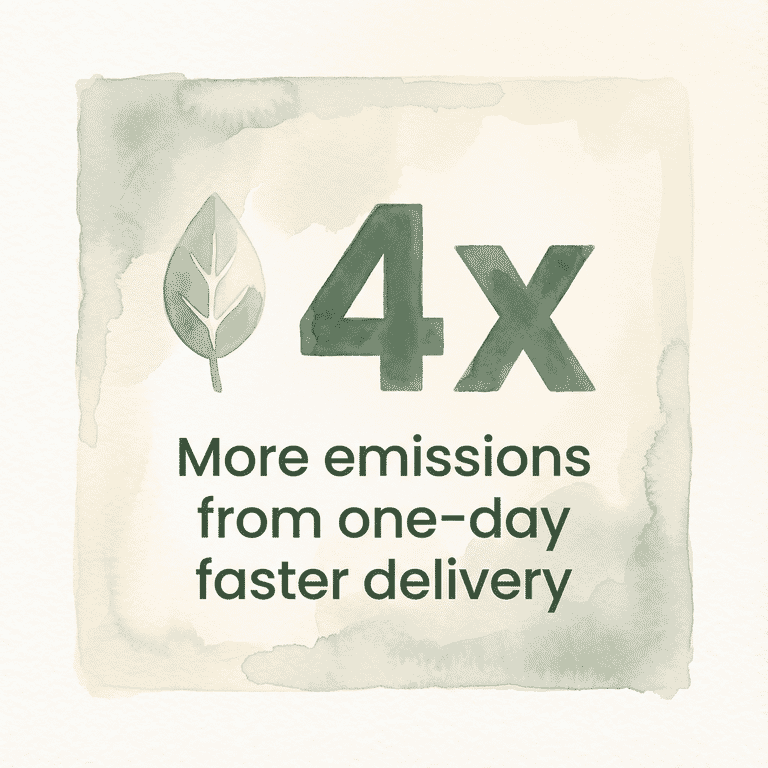
The environmental teaching moment is real. Research published in Nature Communications found that reducing delivery speed by one day increases greenhouse gas emissions fourfold per delivery.
Conversely, adding two days of transportation time cuts emissions in half. These are concrete numbers children can understand.
Brau frames the bigger picture: “We can’t have this culture of consuming, consuming, consuming. We should stop and think, ‘What impact am I having on the planet and on future generations?'”
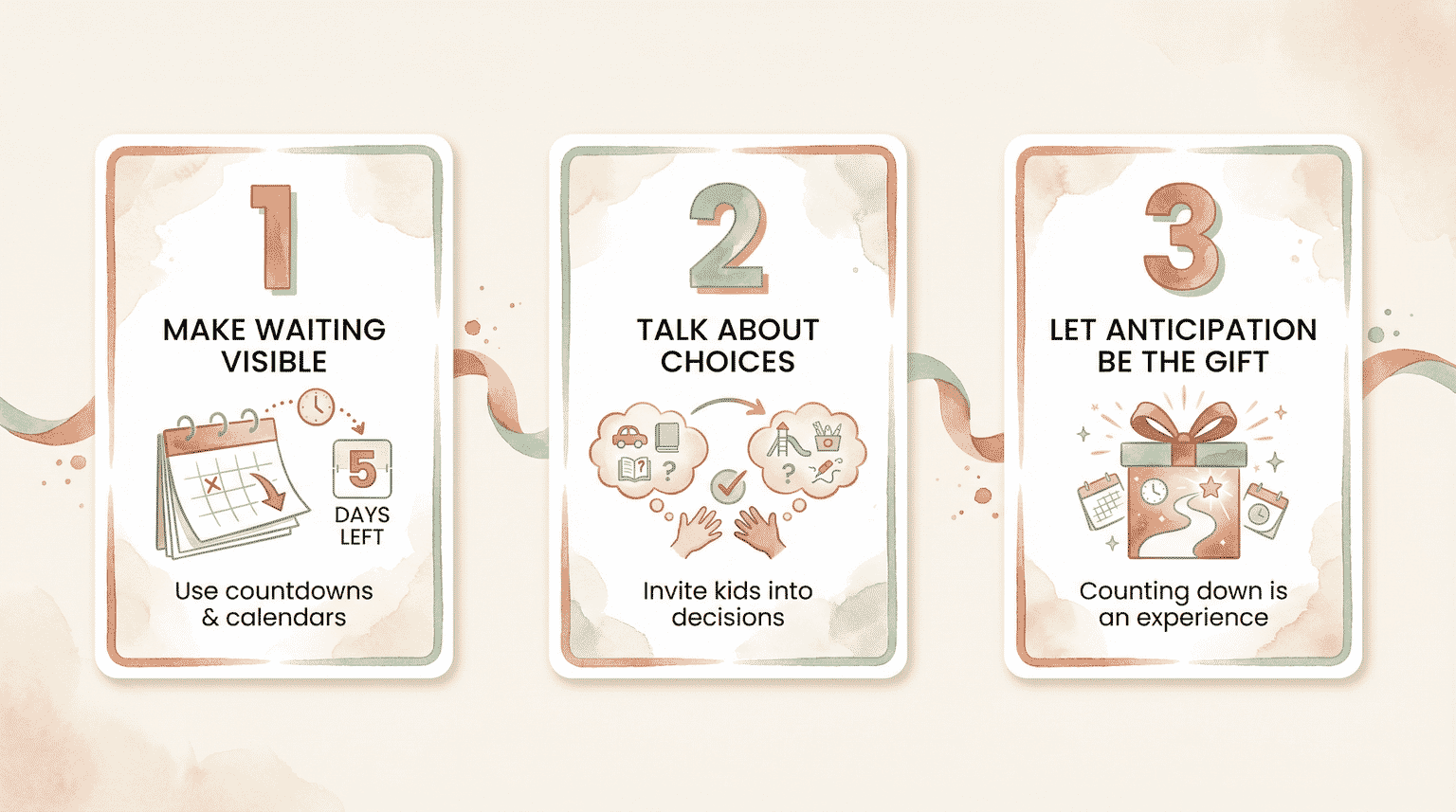
Practical strategies that work in my house:
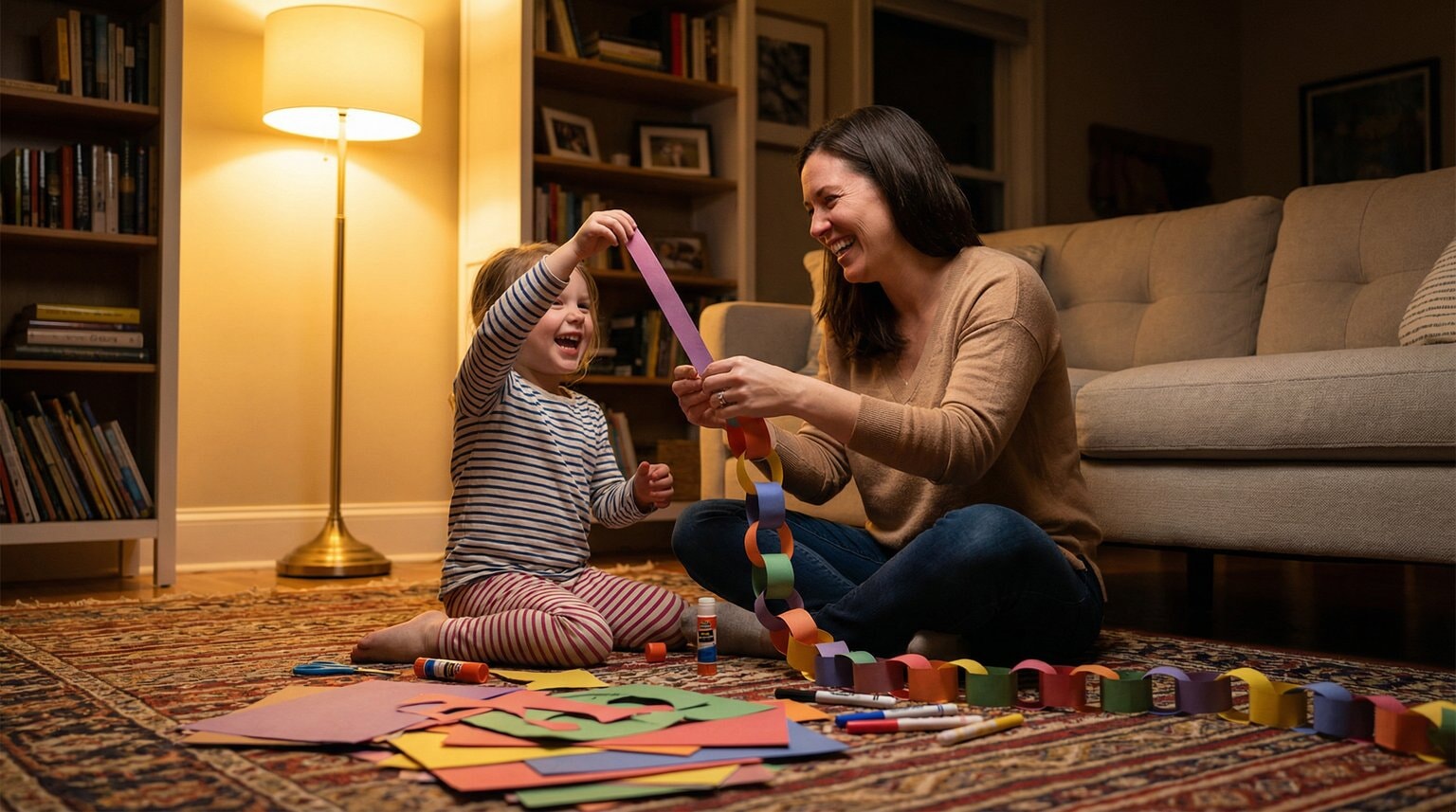
- Make waiting visible. Countdowns and calendars transform abstract waiting into tangible anticipation—exploring gift-giving in the digital age means finding ways to make invisible processes feel real.
- Talk about choices, not rules. “We’re picking the slower option this time because…” invites children into decision-making rather than imposing restrictions.
- Let anticipation become part of the gift. The excitement of waiting, checking, counting down—this is an experience, not just a delay.
Choosing thoughtful gift choices over impulse purchases naturally creates space for anticipation, since meaningful gifts often require more planning.
When Fast Shipping Serves Your Family
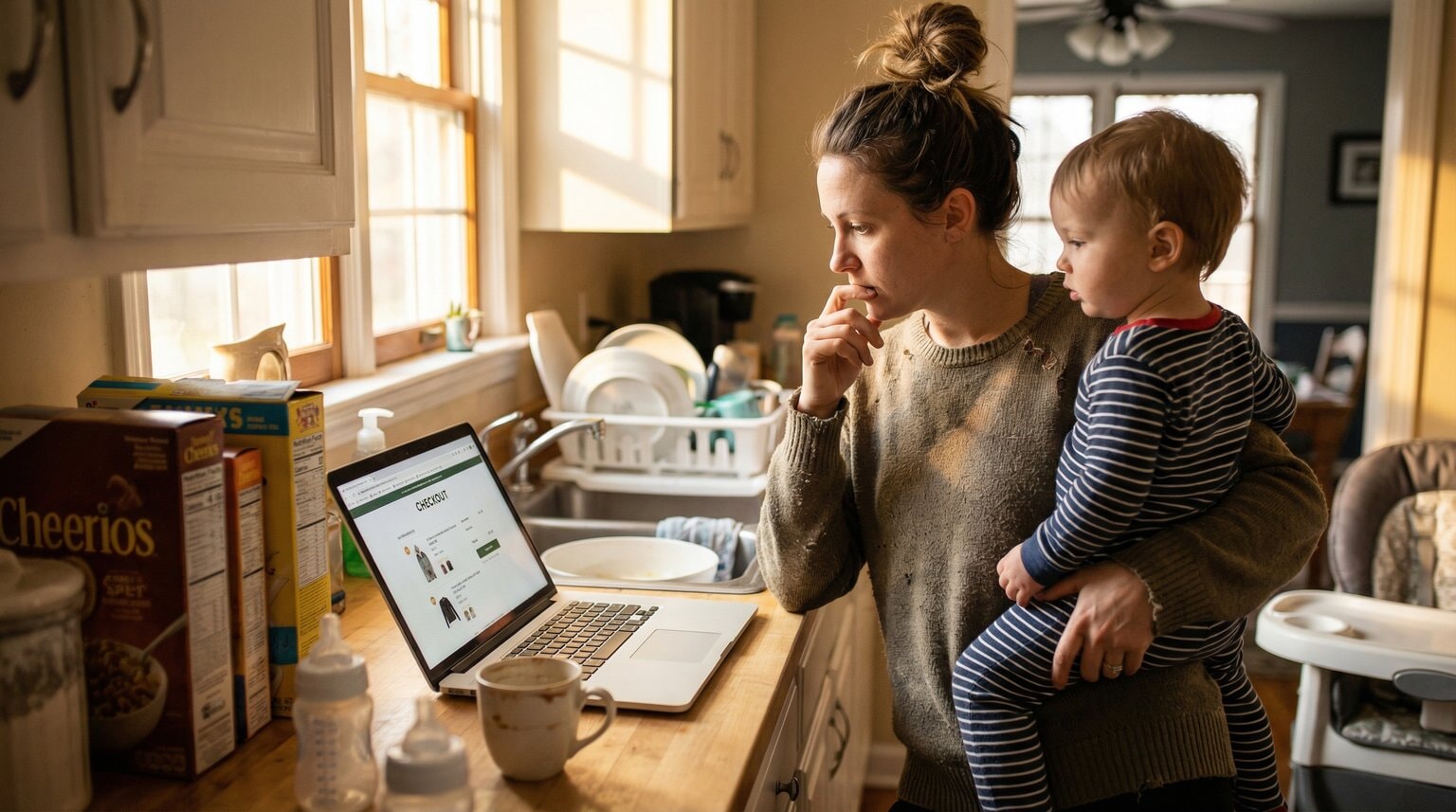
Let me be clear: convenience has real value. Same-day delivery of medicine for a sick child? Worth it. Last-minute birthday party supplies? Sometimes necessary. The goal isn’t eliminating fast shipping—it’s moving from default fast to intentional fast.
Research on gift-giving timing offers some relief for anxious parents. A study from Ohio State found that 65.52% of people agree gifts should arrive on time, but gift givers systematically overestimate how much recipients actually care about timing. Recipients are more forgiving than we anticipate.
That said, Professor Robinson offers practical holiday wisdom: “Instead of just hitting that next-day-delivery option all through December—even if you don’t really need it—you could wait. That could make a big difference for retailers and the burden placed on workers and our environment.”
The question isn’t whether to ever use fast shipping. It’s whether your family makes that choice intentionally or by automatic default.
The Bigger Picture
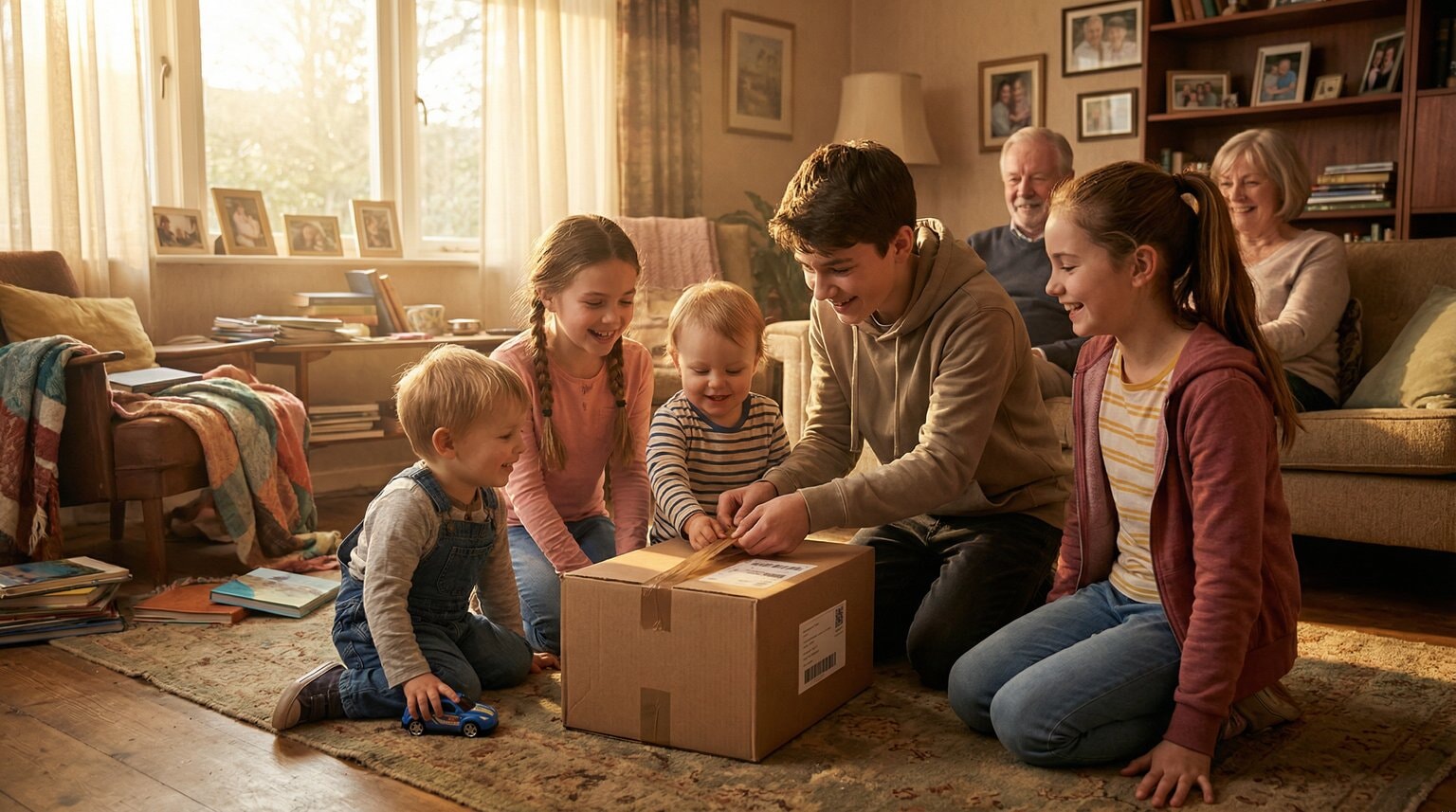
This generation will grow up. The habits they develop now—around consumption, patience, instant gratification—will shape their adult lives and, eventually, how they raise their own children.
I’ve watched this play out eight times now, with kids ranging from toddlers who can barely grasp “tomorrow” to teenagers who remember (barely) a time before Prime. What I’ve observed matches what the research suggests: children who practice waiting—and experience the genuine satisfaction of anticipated arrivals—build capacity over time.
Small shifts matter. You don’t have to eliminate two-day shipping to raise patient children. But choosing slower delivery sometimes, making the waiting visible, and connecting choices to values you care about? That’s intentional parenting in an instant-gratification world.
Frequently Asked Questions
Should children track packages?
Package tracking can build anticipation or feed anxiety, depending on how it’s used. Consider letting children check once daily rather than constantly, turning tracking into a counting-down-together ritual rather than an obsessive habit.
Is Amazon Prime bad for kids?
The service itself isn’t harmful—convenience has real value for busy families. The question is whether instant delivery becomes the unexamined default or an intentional choice. Families who sometimes choose slower shipping and discuss why are modeling thoughtful consumption, regardless of their Prime membership status.
How long can children wait for something they want?
This varies by age and temperament. Most preschoolers struggle with waits beyond a day, while elementary-aged children can handle several days with visual support like countdowns. The key insight: children who practice waiting build capacity over time.
What should I say when my child demands overnight shipping?
Try: “I hear that you want it right away. Let’s talk about when it will arrive and what we can do while we wait.”
This validates the desire while redirecting toward anticipation. Avoid framing slower shipping as punishment—present it as the normal way things work.
Share Your Story
How does two-day shipping culture show up at your house? I’m curious whether you’ve intentionally chosen slower delivery—and whether your kids noticed the difference. These small resets can be surprisingly hard to pull off.
I read every response—especially the creative workarounds that actually worked.
References
- BYU Marriott School of Business – Research on the “Amazon effect” and e-commerce growth trends
- NC State Poole College of Management – Strategies for encouraging slower delivery choices
- Journal of Retailing – Research on delivery speed and product returns
- Nature Communications – Environmental impact of express delivery timelines

Share Your Thoughts