
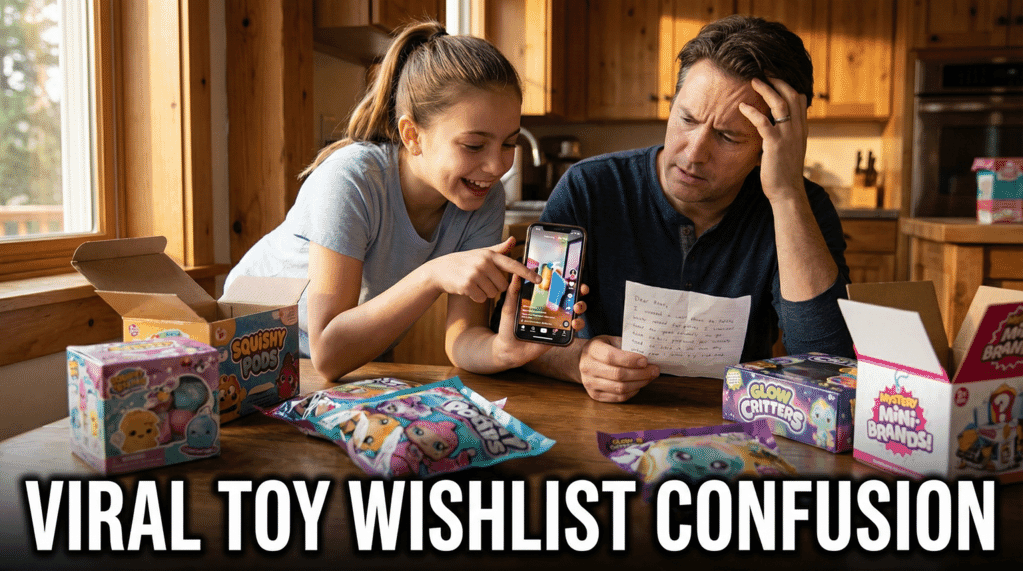
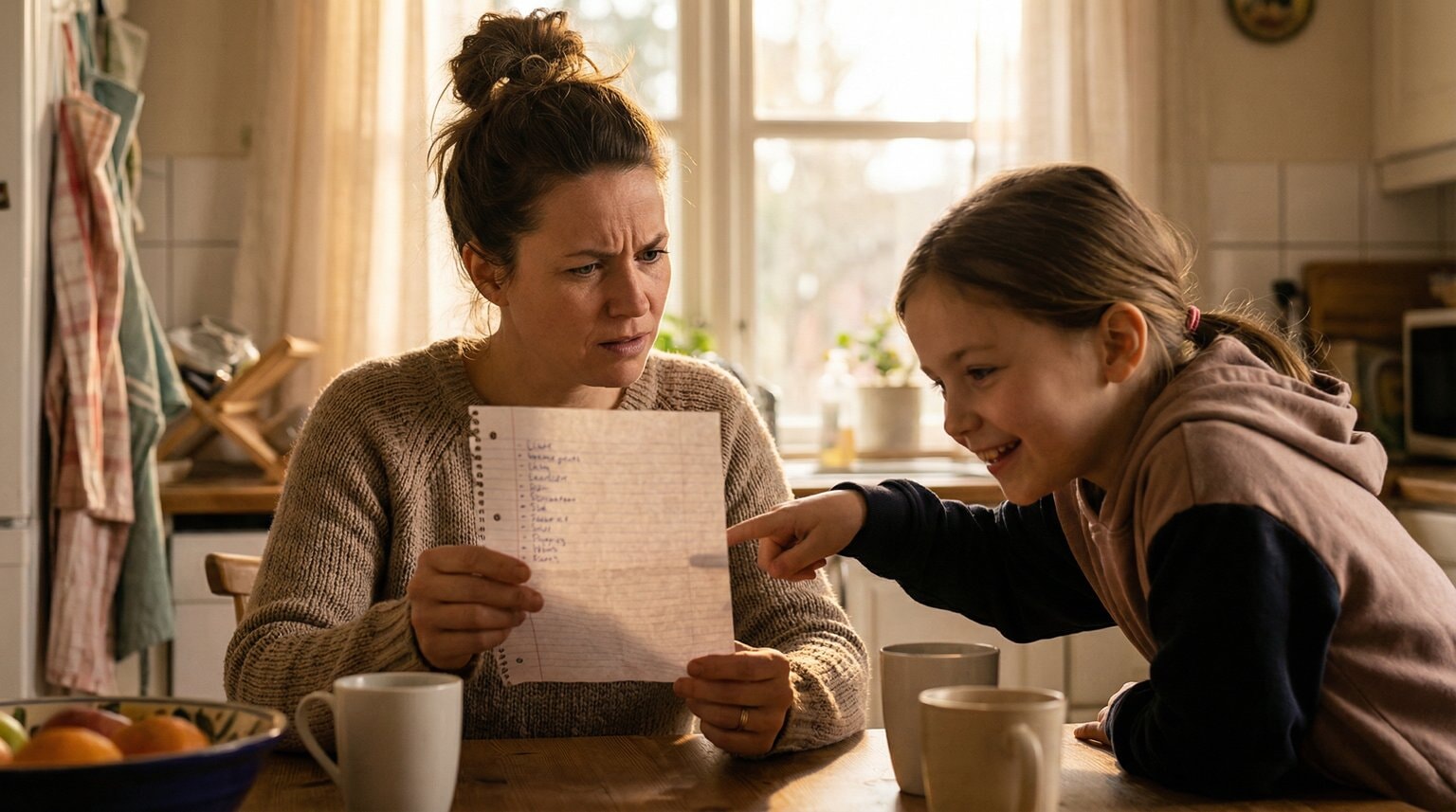
Your 10-year-old hands you her birthday wishlist. You don’t recognize a single item.
Labubu. Squishmallow (but a specific one). Something called a “Skibidi Toilet” figure. Every entry has the same citation: “It’s on TikTok.” You haven’t heard of any of these, yet suddenly they’re non-negotiable requirements for happiness.
My librarian brain couldn’t let this go. With eight kids spanning ages 2 to 17, I’ve watched viral toy obsessions ripple through my house in real time—the 10-year-old desperately wants what the 12-year-old already has, while the 15-year-old pretends she’s above it all (she’s not).
So I dug into the research. What I found wasn’t a story about spoiled kids or manipulative marketing—though both exist. It’s a story about developing brains, clever algorithms, and a collision that was probably inevitable.
Key Takeaways
- Ages 10-12 are peak vulnerability—children’s brains become maximally sensitive to social rewards right when they get smartphones
- Mystery boxes and subscription boxes use gambling psychology on developing brains, creating dopamine loops that fuel compulsive collecting
- Wanting viral toys is actually developmentally healthy—it signals social awareness, not shallow materialism
- Saying “you don’t need that” backfires; acknowledging the social need first transforms the conversation
- Ask whether your child wants the toy itself or just the unboxing experience they’ve watched on repeat
Why Their Brains Are Primed for This
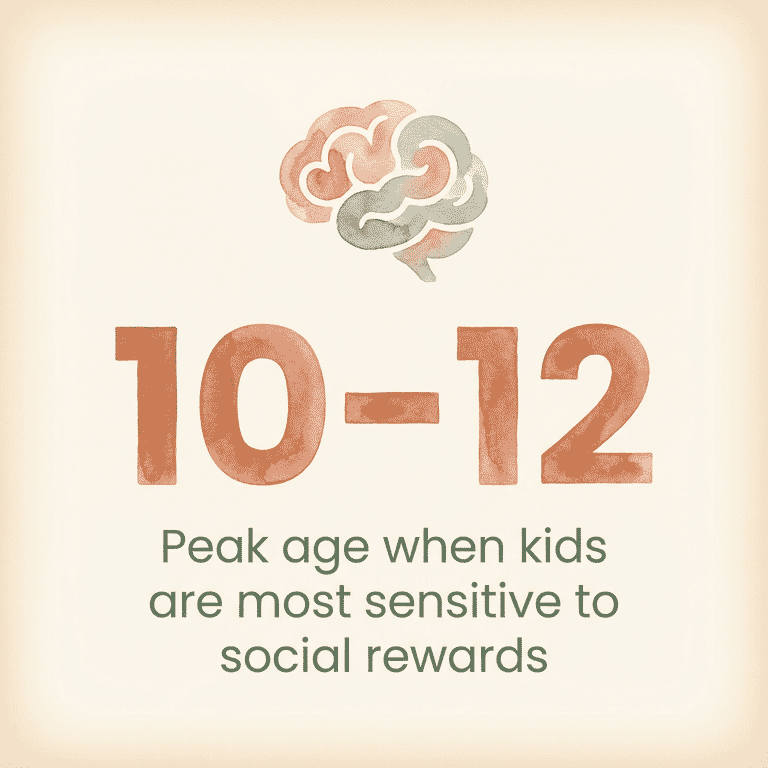
Here’s what the research actually shows: between ages 10 and 12, your child’s brain undergoes a fundamental rewiring. According to the American Psychological Association, receptors for oxytocin and dopamine multiply in the ventral striatum during this window, making preteens “extra sensitive to attention and admiration from others.”
Translation: your child isn’t being dramatic when they say they need what everyone else has. Their brain is genuinely flooding them with social-reward chemicals every time they see peers enjoying something they don’t have.
APA Chief Science Officer Mitch Prinstein explains the mechanism: “Social media activity is closely tied to the ventral striatum. This region gets a dopamine and oxytocin rush whenever we experience social rewards.”
The timing is brutal. Children receive smartphones around age 10 on average—precisely when their brains become maximally sensitive to these rewards. The technology arrives at the moment of peak vulnerability.
This doesn’t mean you should buy everything. But it does mean the intensity of your child’s desire isn’t a character flaw. It’s neurological architecture meeting algorithmic precision.
The Algorithm as Toymaker
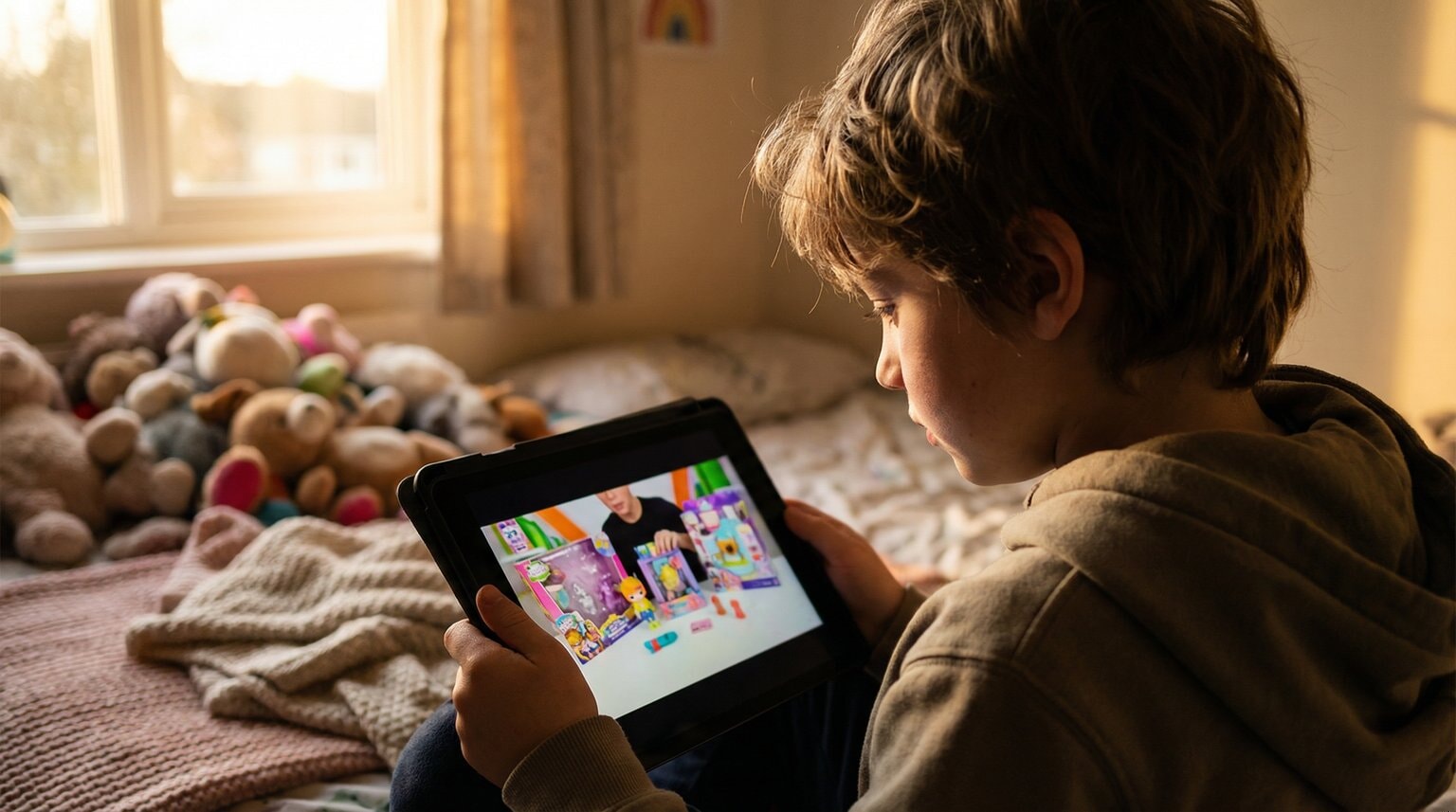
The #TikTokMadeMeBuyIt phenomenon isn’t organic discovery—it’s engineered exposure at scale.
Research from M/C Journal documents how toy review videos blur “the lines between three major genres: review, branded content, and entertainment.” Your child isn’t watching advertisements—or at least, they don’t experience it that way. They’re watching someone they feel connected to genuinely enjoy a product.
That connection matters enormously. Developmental psychologists have documented “parasocial relationships”—the one-sided emotional bonds viewers form with creators they’ve never met. When your child watches a favorite TikToker unbox a mystery toy, the recommendation lands like advice from a trusted friend, not a commercial transaction.
The numbers reveal why this system exists. According to the University of Michigan Law Review, videos featuring children under 13 generate three times more views than other content.
Ryan Kaji became the youngest Forbes top earner at age six, earning $11 million. The commercial incentives driving child-focused viral content are staggering.

And the reach is extensive: 80% of children ages 8-12 use YouTube, while 40% of children under 13 use Instagram despite age restrictions. If you’re wondering how digital platforms shape what children want, the answer is: constantly, pervasively, and with considerable sophistication.
The Blind Box Brain Hack
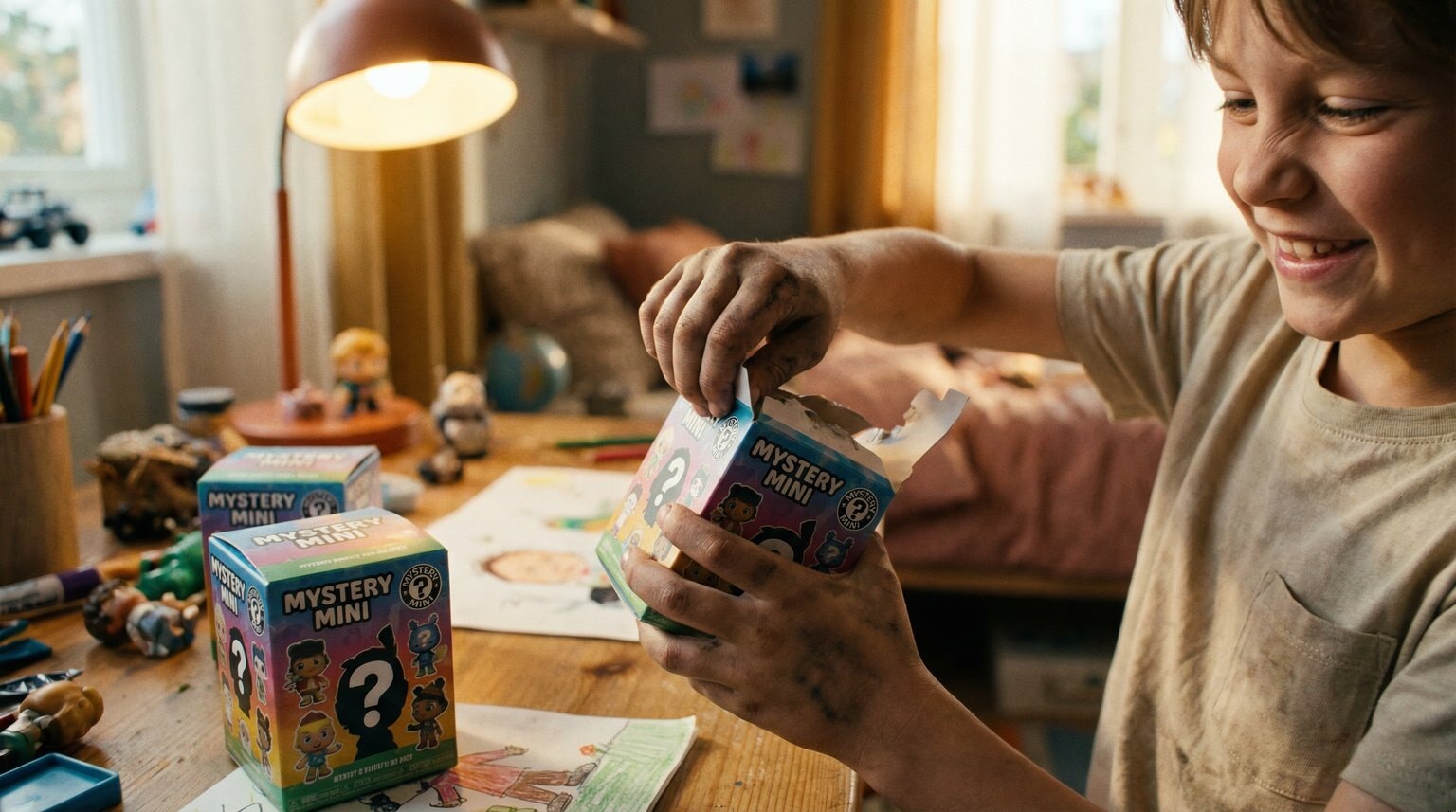
Of all the viral toy trends I’ve tracked through my house, mystery boxes concern me most. Not because they’re inherently evil—but because they exploit a specific brain quirk with remarkable efficiency.
Here’s the mechanism: your brain doesn’t produce its biggest dopamine hit when you get a reward. It spikes when you anticipate it. The uncertainty is the feature, not the bug.
Texas A&M researchers describe this as “intermittent reinforcement—the same logic slot machines use.” Sometimes you get the rare figure, sometimes you don’t, and that randomness keeps you coming back.
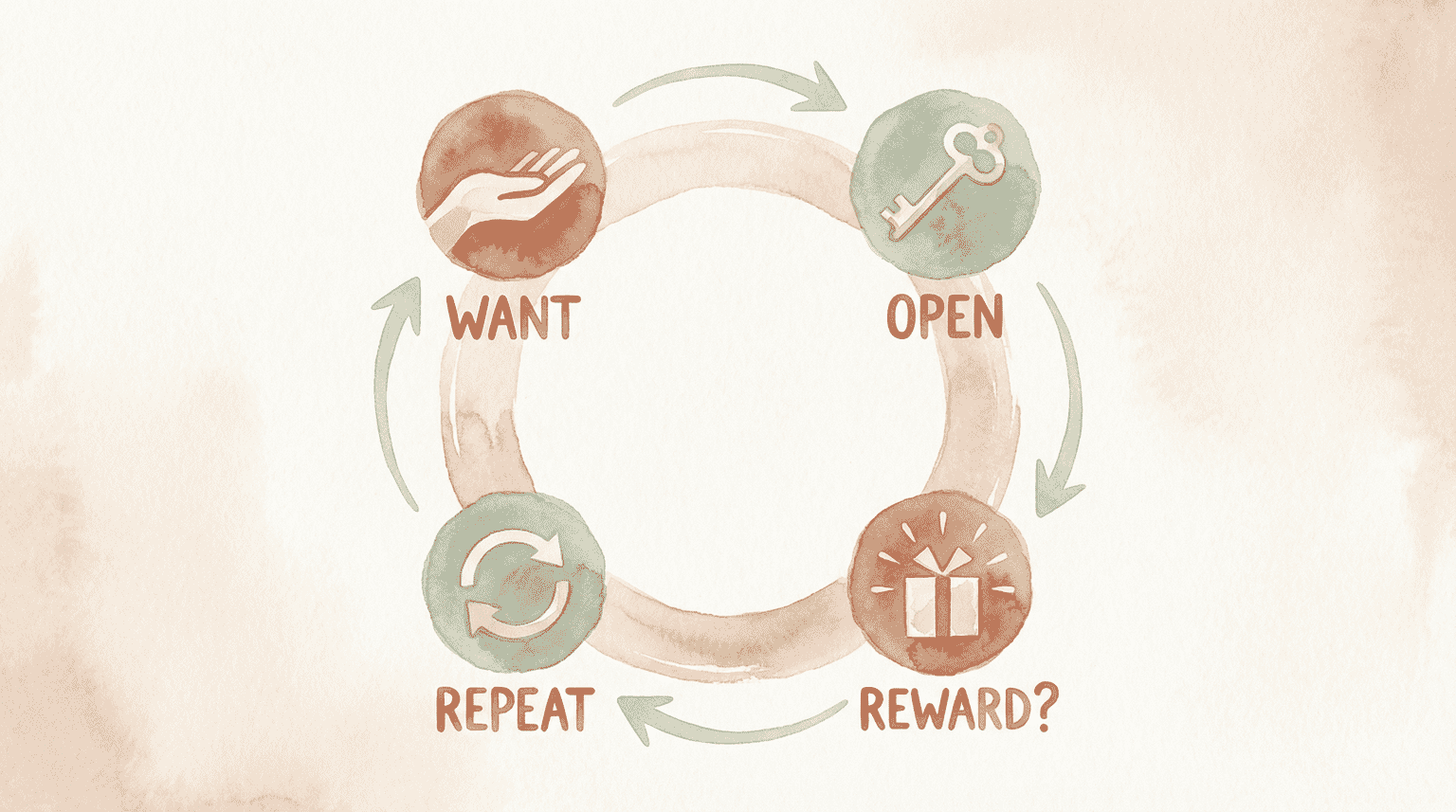
“The feedback loop—want, wonder, open, reward, repeat—is especially potent for kids whose prefrontal cortex is still developing.”
— Dr. Robyn Koslowitz, Clinical Psychologist, Psychology Today
Dr. Narineh Hartoonian from the Rowan Center for Behavioral Medicine adds: “Your brain starts to crave the possibility of a reward, not just the reward itself.”
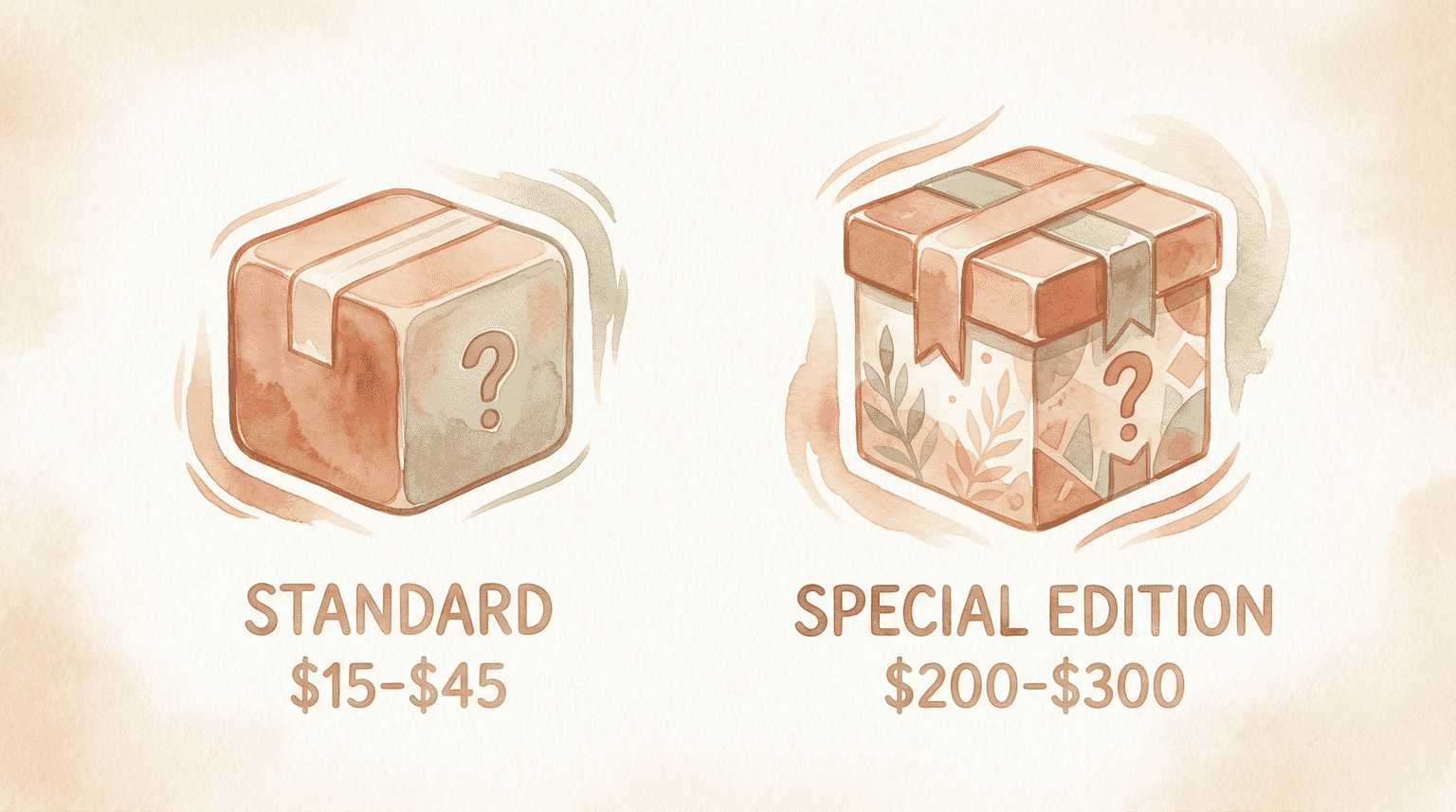
The cost adds up. Pop Mart data shows 70% of customers buy three or more times just to get a specific figure. Standard blind boxes range from $15-$45, with special editions reaching $200-$300. My 12-year-old did the math once and was genuinely shocked at how much she’d spent “chasing” one character.
Texas A&M researchers note that early exposure to gambling-like activities may heighten future behavioral addiction risk. Blind boxes aren’t regulated like gambling, but they use identical psychology. That’s worth sitting with.
If you want to understand more about why unboxing videos captivate children specifically, the neurological loop is the key—children are literally watching anticipation and reward in action.
The Normalcy You Might Be Missing
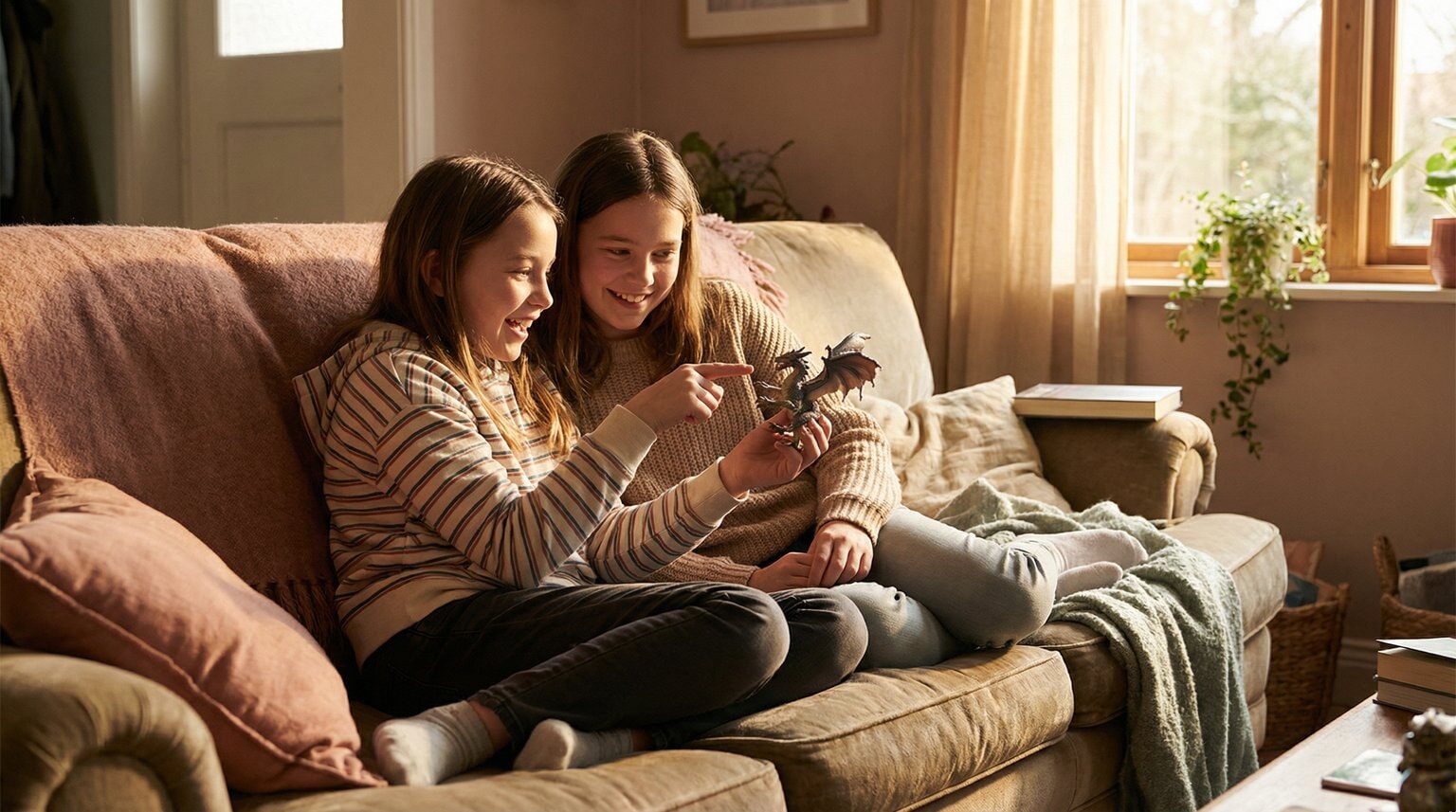
Before I dive into strategies, I need to say something that might surprise you: wanting viral toys is developmentally healthy.
I know. I was skeptical too. But Dr. Koslowitz’s research reframed how I think about this. She describes “symbolic mastery”—the process by which children manage anxiety through ownership of culturally meaningful objects. That Labubu isn’t just a toy; it’s proof: I get the code. I’m in the loop. I’m safe here.
Viral toys function as social signals—emotional shorthand that communicates belonging. The ability to read peer cues and adapt to group norms actually demonstrates emotional intelligence, not shallow materialism.
When your child says “everyone has it,” they’re not just being dramatic (okay, they might be a little dramatic). They’re expressing something real: the fear of missing out on what friends have is developmentally significant, especially in that 10-12 window when social reward sensitivity peaks.
This doesn’t mean buying everything. But acknowledging the underlying need before addressing the specific request changes the conversation entirely.
Evaluating What’s Actually Worth It
Viral popularity and play value occasionally overlap—but they’re not the same thing.
I’ve started asking my kids a few questions before viral toy purchases:
- Do you know what this toy does, or just that it exists? (Many can’t answer this.)
- Is the appeal the toy itself or the unboxing experience? (The unboxing ends in seconds.)
- What will you do with it after the mystery is revealed?
- Will this become part of your play, or sit in a drawer?
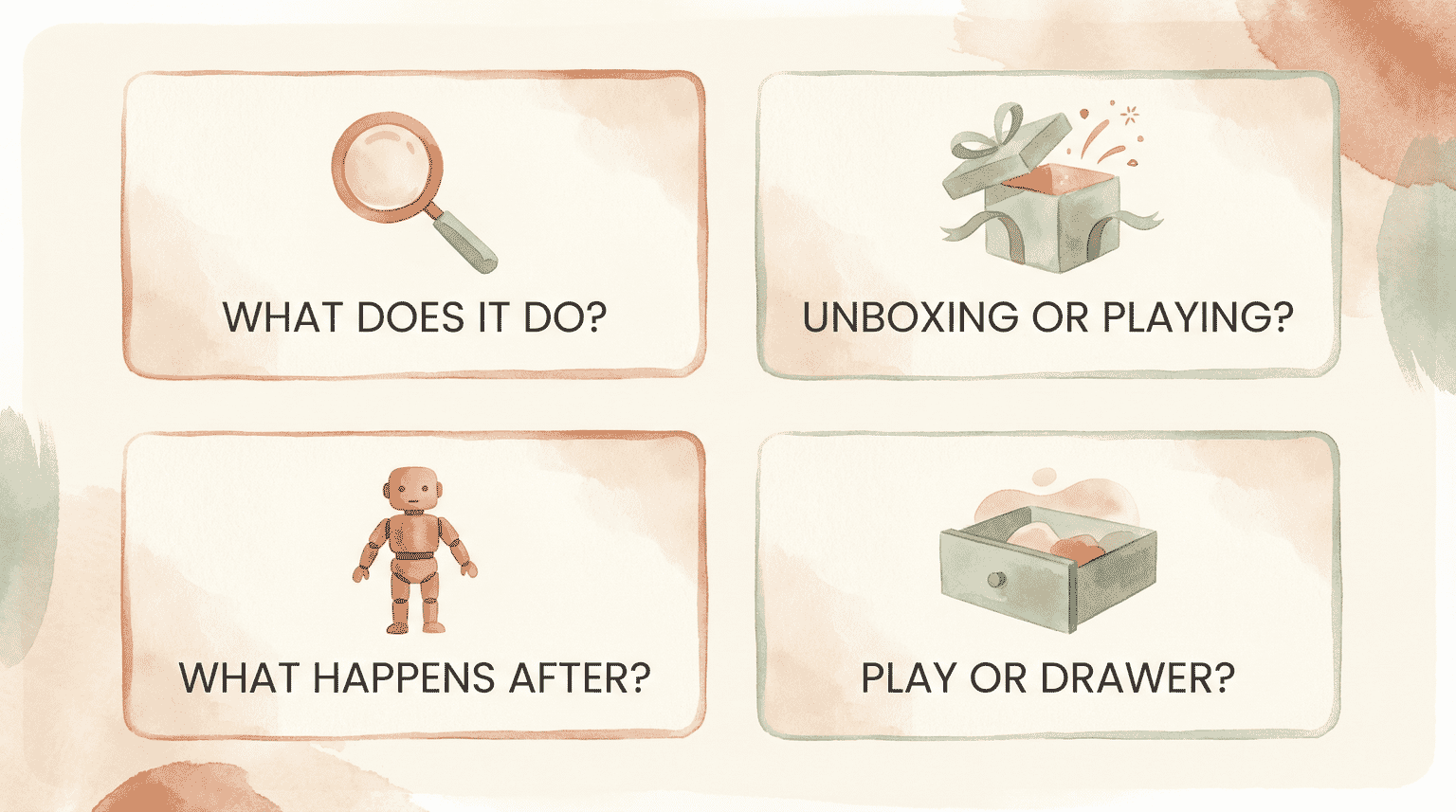
The unboxing problem is real. Much viral content showcases the opening, not the playing. Children may want the experience they’ve watched—which lasts 30 seconds. My 8-year-old once asked for a toy, and when I asked what she’d do with it, she literally mimed opening it and then shrugged.
Quality indicators I look for: Does it offer creative play possibilities after the reveal? Some blind box toys become characters in elaborate imaginative scenarios. Others become drawer-fillers within a day. Watching which is which has taught me more than any product review.
Saying No Without Dismissing
Here’s what I’ve learned works—and what doesn’t—across eight kids and countless viral obsessions.
What doesn’t work:
- “You don’t need that.” (Dismisses the genuine social need.)
- “That’s just marketing.” (They don’t care. The desire is still real.)
- “Nobody actually needs a Labubu.” (See above.)
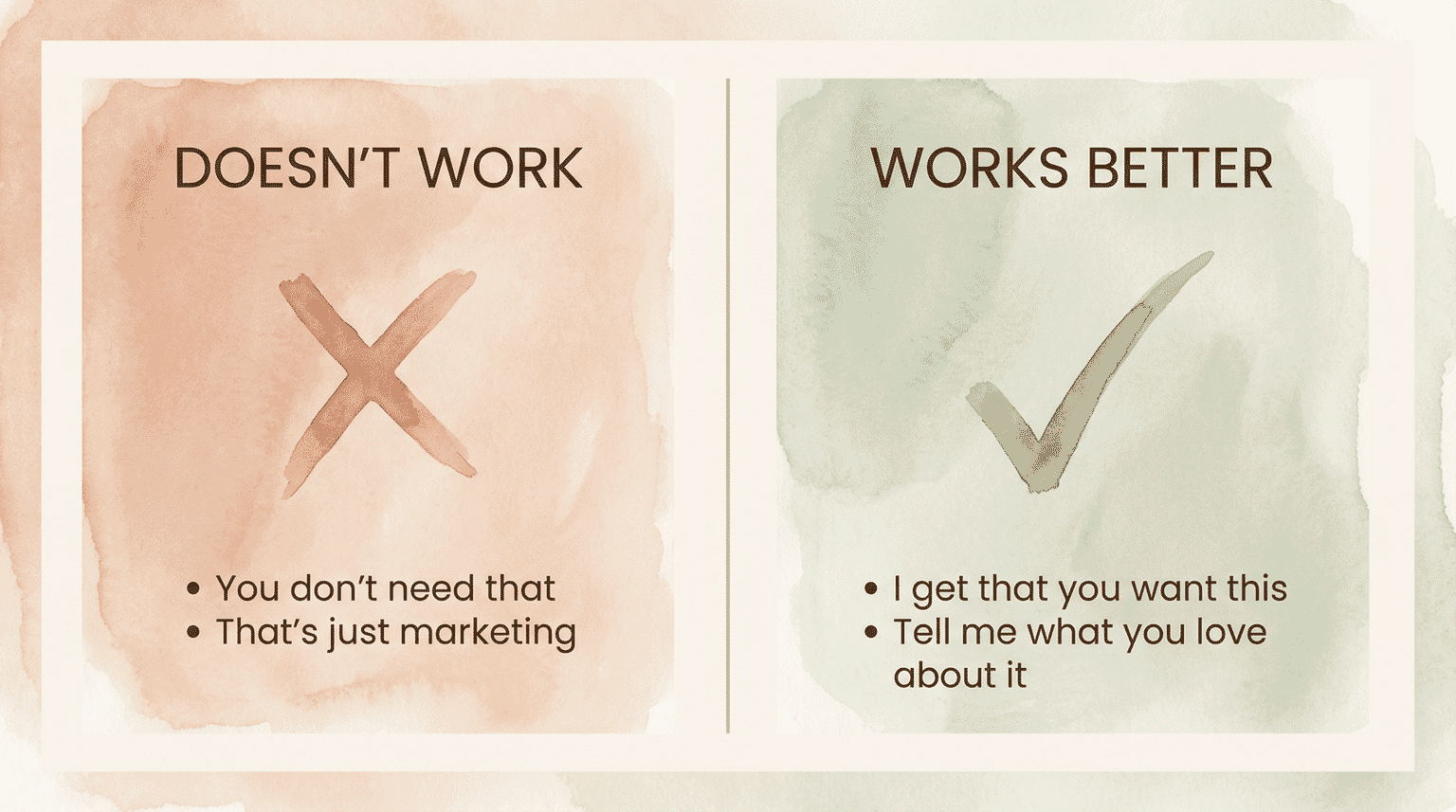
What works better:
Acknowledge first. “I get that you want this. It sounds like it’s really big with your friends right now.” Validation isn’t agreement—it’s recognition that their feelings are real.
Explain the mechanism. Age-appropriate transparency helps: “The people who make this toy use a special trick—not knowing what’s inside makes your brain really want to find out. That’s on purpose.” My 10-year-old found this genuinely interesting rather than condescending.
Empower rather than forbid. “Sounds like you’re going to need to save your allowance” respects their desire while building delayed gratification skills. It also gives them agency and dignity in the process.

Clinical psychologists suggest adding “competing reinforcements”—alternative dopamine sources like creative projects, outdoor activities, or hands-on building. Not as punishments or distractions, but as genuine neurological alternatives.
In my house, this looks like: “While you’re saving up, want to help me build that birdhouse?” It redirects the energy without dismissing the original desire.
When your child says: “Everyone at school has one and I’m the only one who doesn’t!”
Try: “That sounds frustrating. Help me understand what you love about it—what would you do with it?” Then listen. Sometimes they realize they don’t actually know.
The Bigger Picture
Here’s what I keep coming back to: the #TikTokMadeMeBuyIt phenomenon isn’t a bug. It’s a feature of how children experience commerce in the algorithm age.
Their brains are developmentally primed for social influence at exactly the age they gain access to platforms designed to exploit that priming. Mystery toys use gambling psychology on developing prefrontal cortexes. Parasocial relationships make influencers feel like friends whose recommendations can be trusted.
None of this is cause for panic. All of it is cause for understanding.
When you know that wanting viral toys is biologically normal, that blind boxes use slot machine mechanics, and that children form genuine emotional bonds with creators they’ve never met—you can have different conversations.
Not “why do you want this junk?” but “tell me about this—what makes it exciting?”
Not dismissal, but informed engagement.
The toys will keep changing. The algorithm will keep serving new obsessions. Next month it’ll be something else I’ve never heard of.
Your understanding of what’s happening? That’s the constant.
Frequently Asked Questions
At what age are children most susceptible to viral toy trends?
Research identifies ages 10-12 as peak susceptibility, when dopamine and oxytocin receptors multiply in the brain’s reward center. Children also typically receive smartphones around age 10, creating a convergence of developmental vulnerability and platform access that’s particularly powerful.
Is it bad that my child wants what everyone else has?
No—wanting trendy items signals healthy social-emotional development, not shallow materialism. Psychologists describe it as “symbolic mastery”: children use culturally meaningful objects to signal belonging and manage social anxiety. The desire is developmentally appropriate; how families respond to it is what matters.
Why are mystery boxes more appealing than regular toys?
The brain produces its biggest dopamine spike during anticipation, not when receiving a reward. Mystery boxes exploit this perfectly by keeping contents unknown until opening. Clinical psychologists note this feedback loop is especially potent for children whose impulse-control centers are still developing. (The 24-hour rule helps.)
How can I tell if a viral toy is actually worth buying?
Ask whether your child knows what the toy does beyond existing, whether appeal lies in the product or the unboxing experience, and whether it offers creative play possibilities after the mystery ends. Many viral toys showcase exciting reveals that end in seconds, leaving little sustained engagement.
Share Your Story
Has a TikTok trend hijacked your kid’s wishlist? I’d love to hear which viral toys you gave in to—and whether they were worth it or forgotten within a week. These stories help other parents decide.
Your TikTok toy stories help other parents navigate the viral wishlist chaos. For a quick TikTok trend decoder, start there.
References
- American Psychological Association – Research on adolescent brain development and social media vulnerability
- Psychology Today – Clinical psychology perspective on viral toy trends and symbolic mastery
- Texas A&M Real Estate Research Center – Analysis of blind box psychology and gambling mechanics
- Rowan Center for Behavioral Medicine – Clinical research on dopamine loops and compulsive behavior
- M/C Journal – Academic research on child influencers and toy marketing
- University of Michigan Law Review – Legal analysis of kidfluencer economics and regulation

Share Your Thoughts