
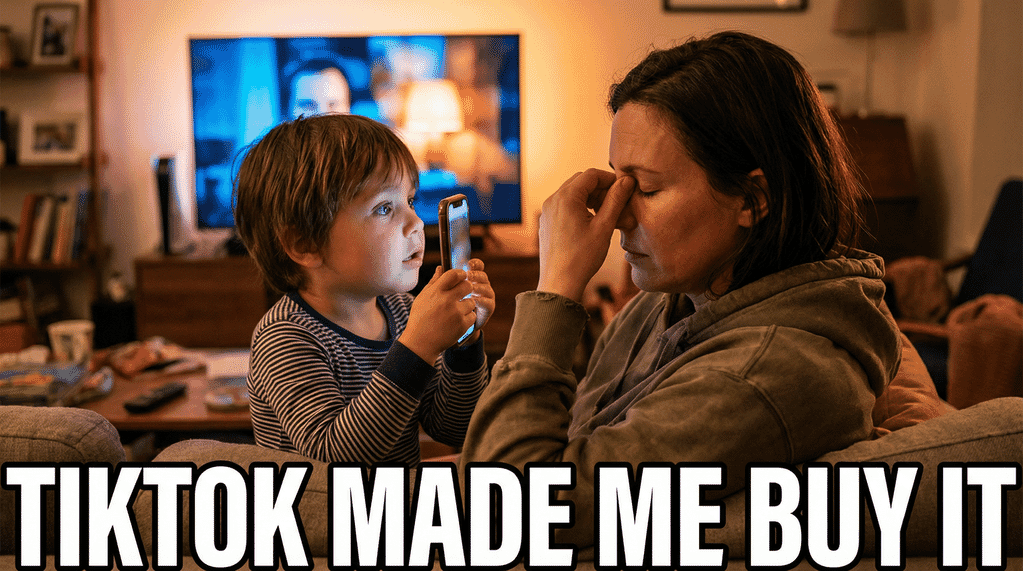
Your kid just asked for the third viral product this week. You’ve never heard of it, but apparently everyone has one. Sound familiar?
It’s one of the trickiest gift-giving challenges parents face today. You’re not imagining this phenomenon—research shows that 72% of Gen-Z users have made purchasing decisions based on TikTok content.

Understanding why these requests feel so urgent can help you respond thoughtfully instead of reactively. If you’re noticing more digital gift requests than ever before, you’re part of a massive shift in how kids discover products.
Key Takeaways
- TikTok’s slot-machine design creates genuine urgency in kids’ brains—their requests aren’t manipulation, they’re neuroscience
- Use the 4-Question Quality Check before buying any viral product
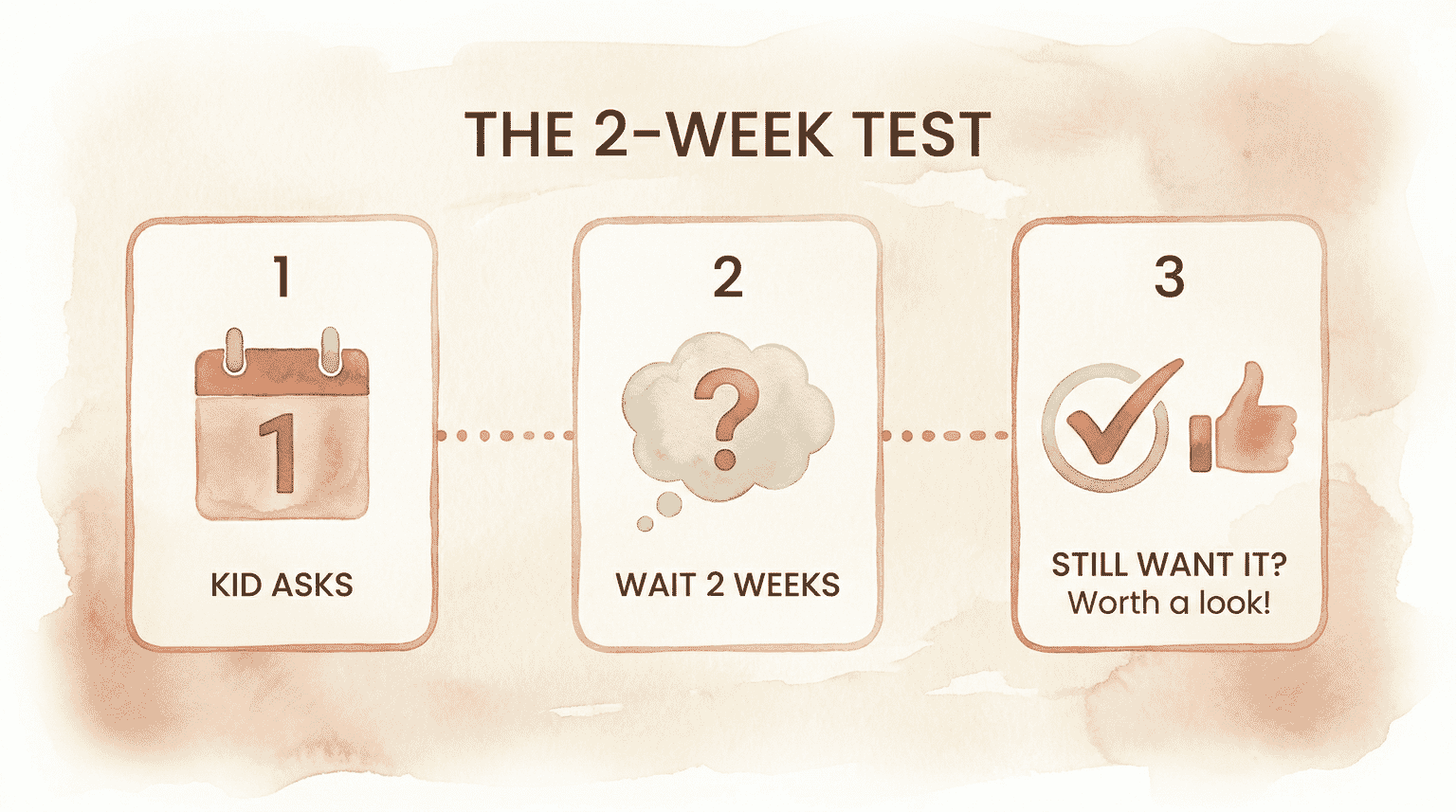
- The 2-week waiting test naturally filters fleeting algorithm-driven wants from genuine interests
- Over 35% of young buyers report regret after impulse purchases—patience protects both wallets and feelings
Why Viral Products Spread So Fast

Here’s what’s actually happening in your child’s brain. Brown University researchers found that TikTok’s design works like a slot machine—each swipe delivers a potential dopamine hit. Users may watch 180+ videos daily, and that “swipe down” motion mirrors pulling a lever.

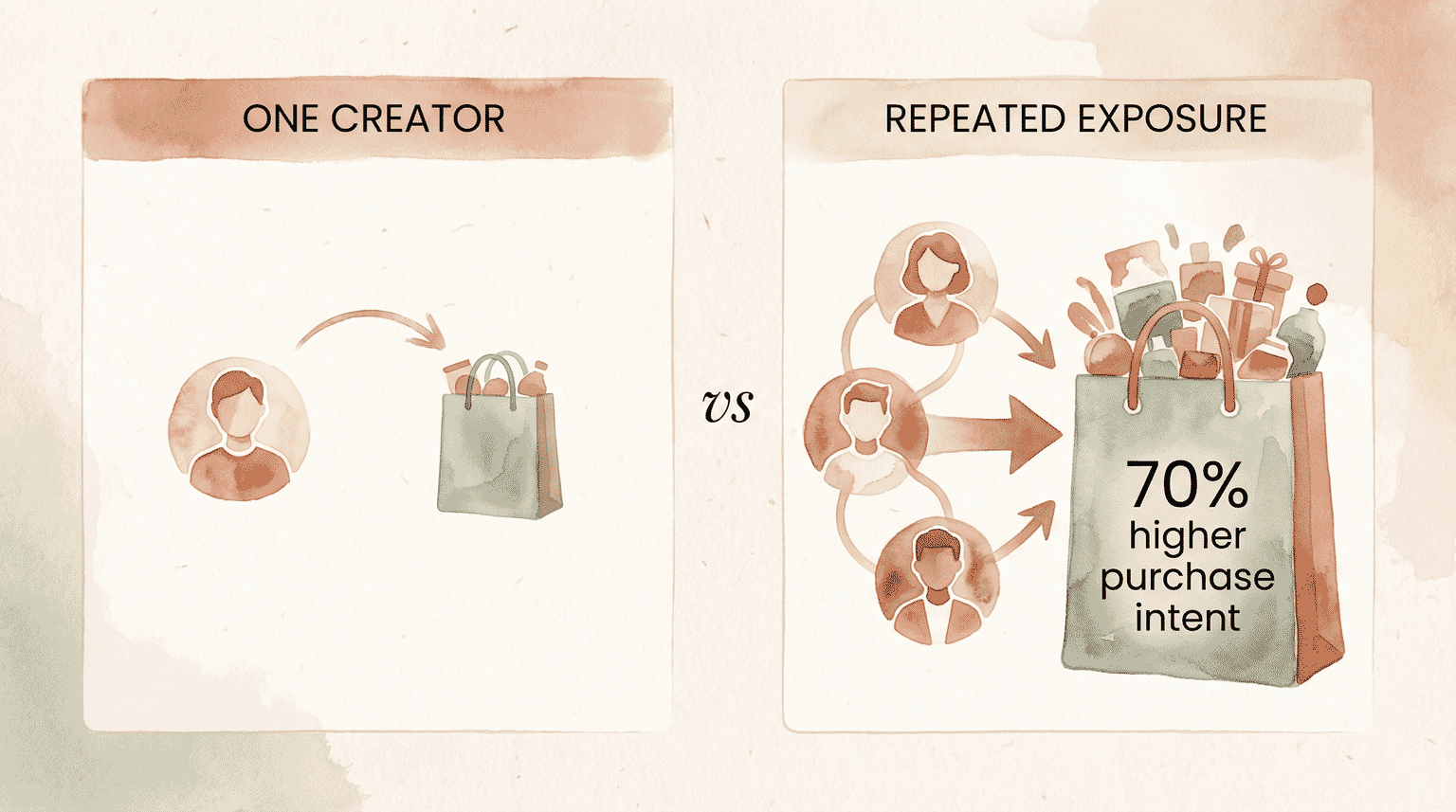
When your child sees the same product from multiple creators, something powerful happens. A 2025 Lindenwood University study found that repeated exposure to the same creator increases purchase intent by nearly 70%.
Consumer psychologists call this state “TikTok brain”—a constant pursuit of mood-boosting content that makes impulse desires feel genuinely urgent.
This isn’t your child being manipulative or materialistic. It’s their brain responding exactly the way these platforms are designed to make it respond.
The 4-Question Quality Check

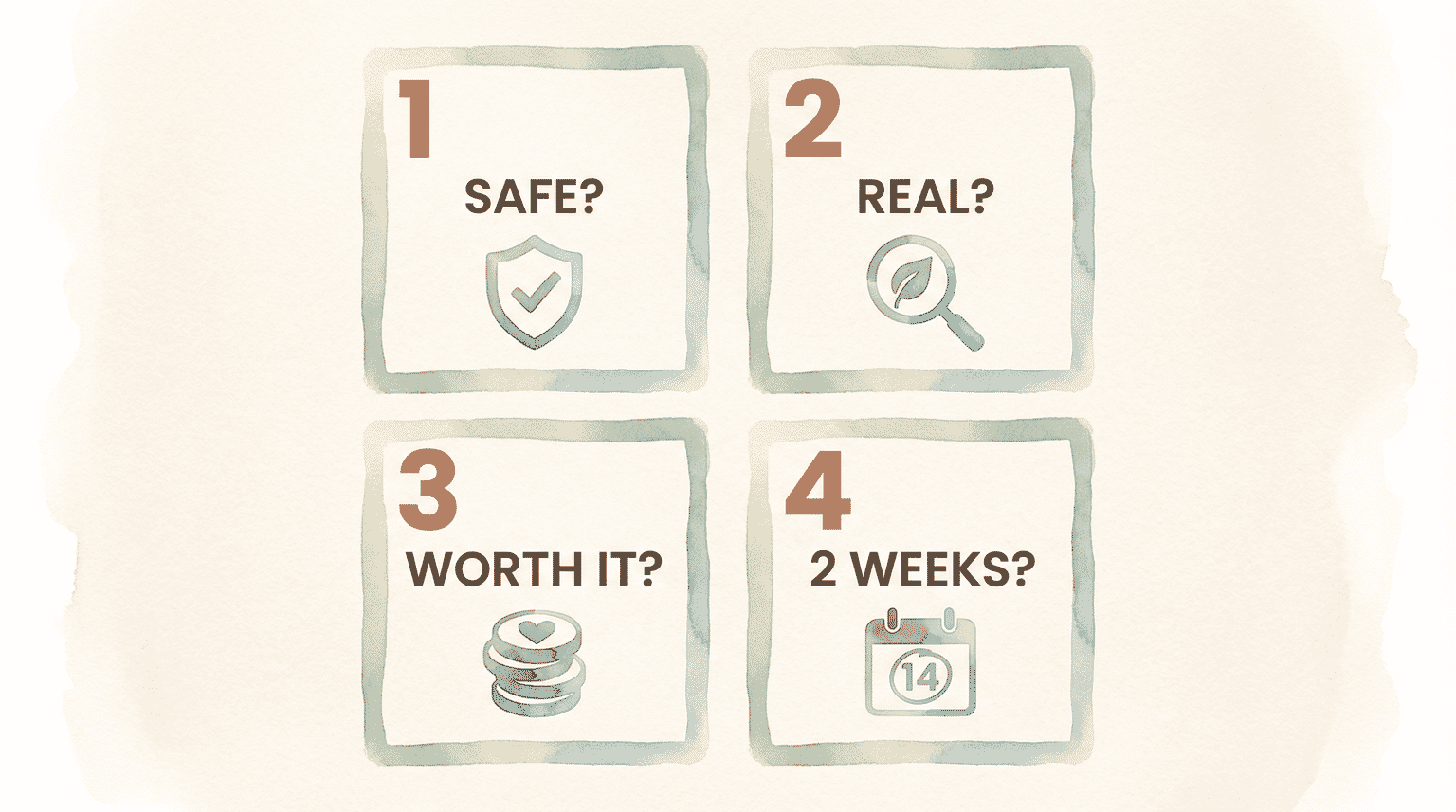
Before you buy (or say no), run through this quick framework:
- Is it safe and age-appropriate? Viral doesn’t mean vetted.
- Will it actually work as shown? Video editing and staging can make anything look magical.
- Does the price match realistic play value? A $40 gadget used once isn’t a deal.
- Has interest lasted more than 2 weeks? This is your built-in quality filter.
That last question matters most. Marketing professor Angeline Scheinbaum explains the psychology behind viral product obsession.
“Parasocial relationships are so strong that people are moved to buy.”
— Angeline Scheinbaum, Marketing Professor
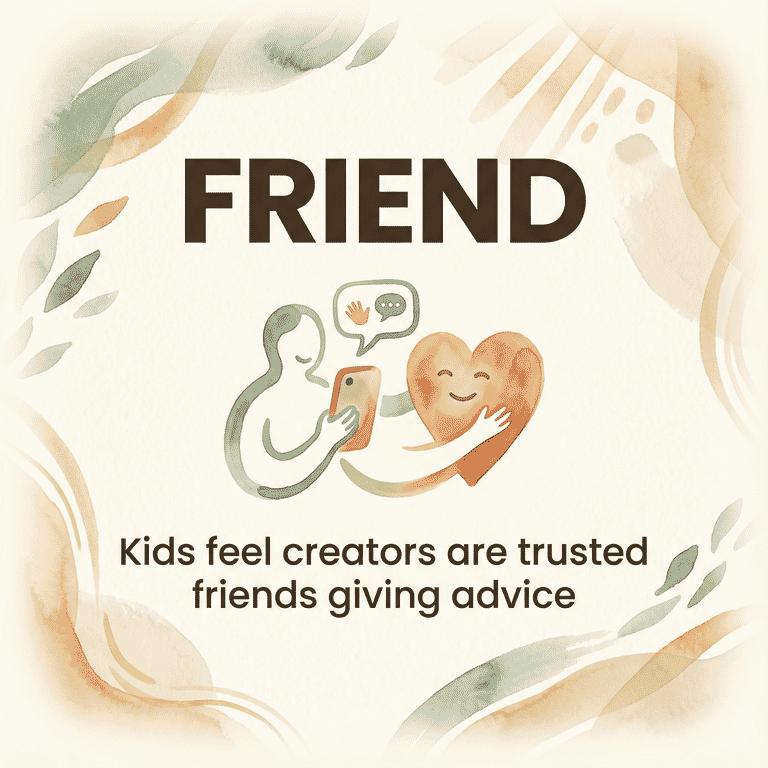
Your child genuinely feels like these creators are friends giving trusted advice. It’s not gullibility—it’s how human brains are wired to respond to familiar faces and voices.
Understanding this helps you approach these conversations with empathy instead of frustration. Their feelings are real, even when the “need” isn’t.
How Long Will This Obsession Last?
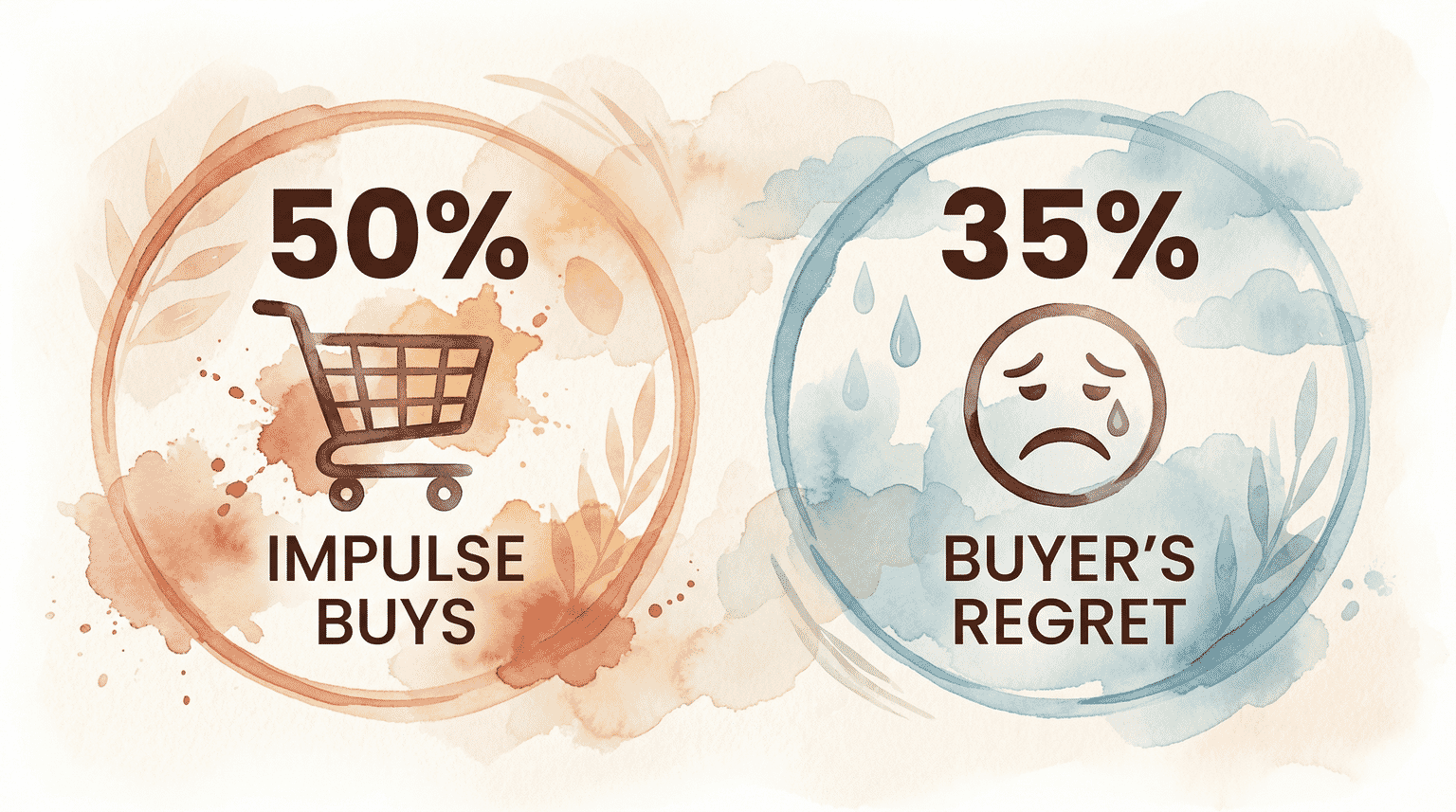
Most viral product obsessions peak within 2-4 weeks. Research indicates that over 50% of online purchases are impulse buys, and about 35% of young buyers report regret afterward.
If your child is still asking after a month, their interest is likely genuine rather than algorithm-driven. The waiting period isn’t punishment—it’s a natural quality filter that separates fleeting wants from real desires.
The bottom line: When the next viral must-have appears, try the 2-week test. If they’re still talking about it after two weeks, it might actually be worth a look—and we’ve evaluated which TikTok toys are actually worth it to save you the research.
Share Your Story

Has a TikTok trend taken over your child’s wishlist? I’m curious which ones stuck around after two weeks—and which faded as fast as they appeared.
Drop a comment below—your experience helps other parents navigate the viral toy maze.
References
- Influence of TikTok Trends on the Buying Intentions of Gen-Zs – Gen-Z purchasing behavior research
- The Impact of TikTok Marketing on Consumer Behavior – Repeated exposure and purchase intent
- What Makes TikTok so Addictive? – Platform design and dopamine mechanisms
- Key Determinants of Online Impulse Buying Behavior – Impulse purchasing statistics

Share Your Thoughts