
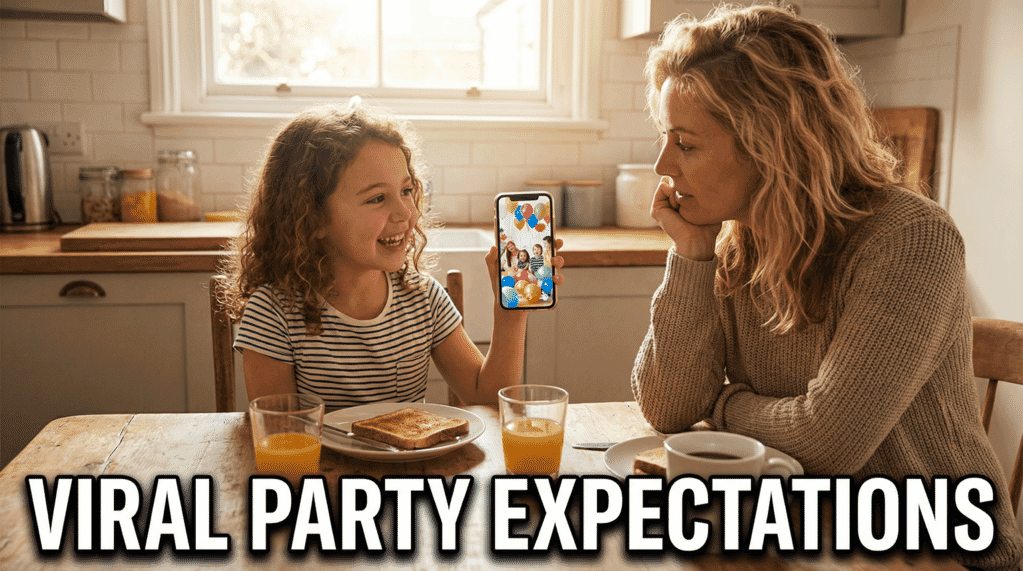
Your daughter has been glued to her tablet for the past hour. When she finally looks up, she announces that her birthday party needs a candy wall, a professional balloon arch, matching outfits for all her friends, and a cake that looks exactly like her favorite video game character. Her friend’s birthday video got 500 likes. What does she have to compare?
I’ve watched this scene unfold with my own kids more times than I can count. And with eight children spanning ages 2 to 17, I’ve seen how social media birthday pressure has intensified with each passing year. My teenagers remember when a birthday meant cake and a few friends. My younger ones think elaborate productions are the baseline.
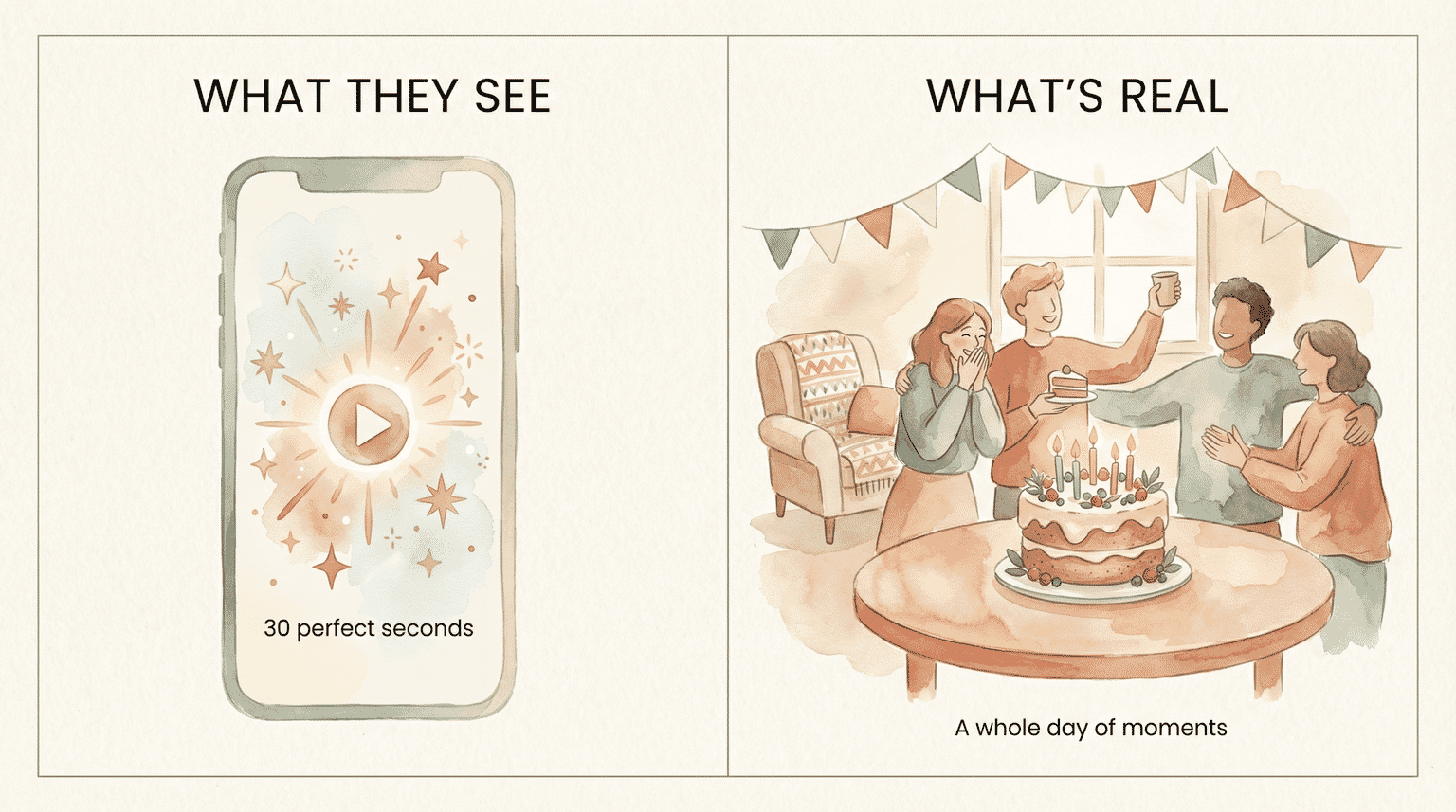
Here’s what the research actually shows: psychologist Ash King explains that “social media has intensified unrealistic expectations” through constant displays of grand celebrations, surprise deliveries, and parties with tables full of friends. Children scroll through these curated highlight reels and absorb them as normal—without understanding they’re seeing the very best seconds of someone else’s very best day.

What follows are the specific scenarios I’ve encountered (and that you’re likely facing too), along with exactly what to do and say in each one.
Key Takeaways
- Social media shows curated highlight reels, not typical birthday parties—help your child understand the difference between videos and reality. (See our Instagram birthday party reality check.)
- Posts and likes don’t equal caring—redirect attention to who actually showed up in real, tangible ways
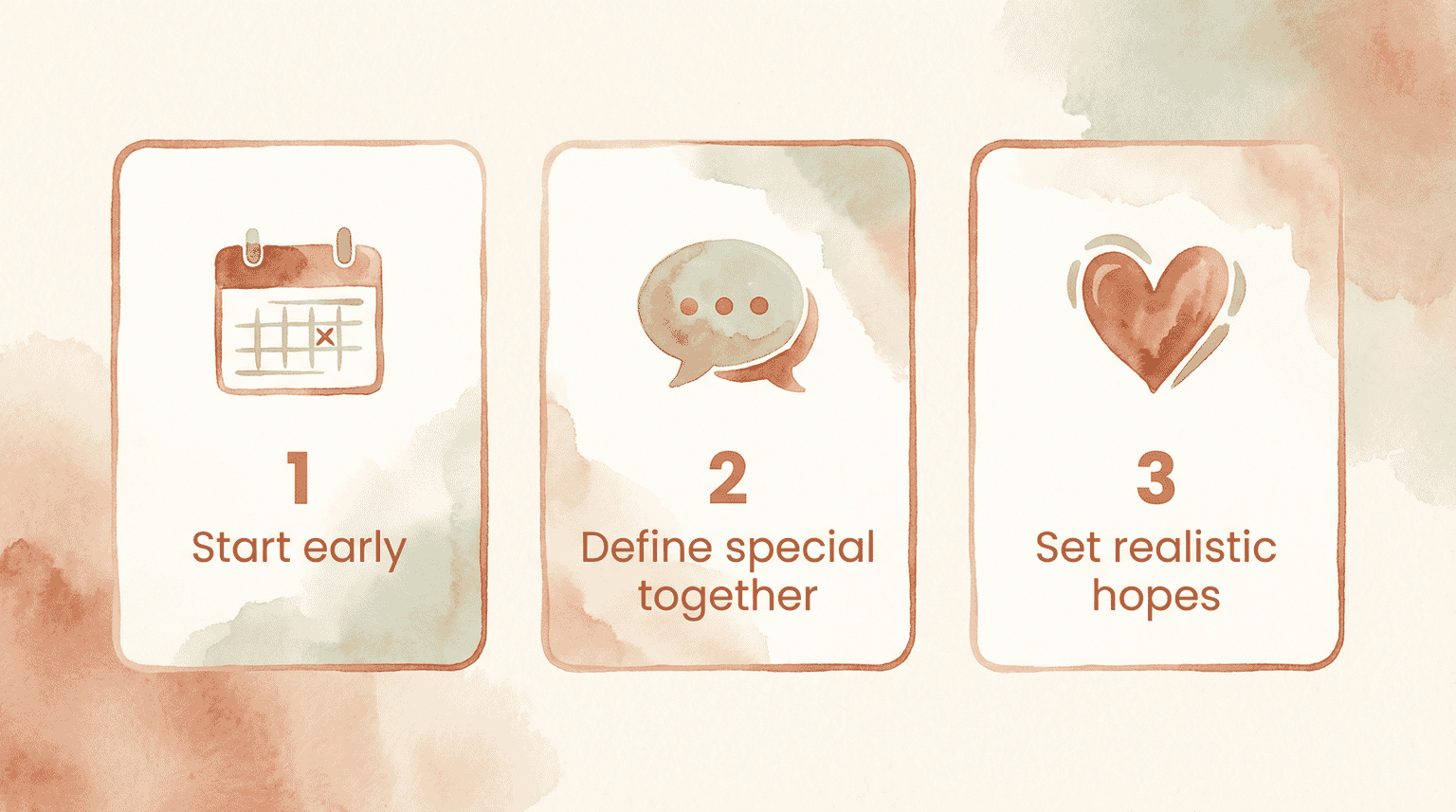
- Start expectation-setting conversations before the birthday arrives to define what “special” means together
- Parents feel this pressure too—give yourself permission to opt out of the comparison game
- The best birthday moments usually aren’t the ones anyone posted
The Viral Birthday Video Scenario
“My child watched party videos and now expects their birthday to look like that”
What’s happening: Children encounter edited, filtered, professionally-lit highlight reels of the most elaborate celebrations families can create. These aren’t typical parties—they’re productions designed to perform well on social media. Your child doesn’t have the developmental capacity to understand this distinction.
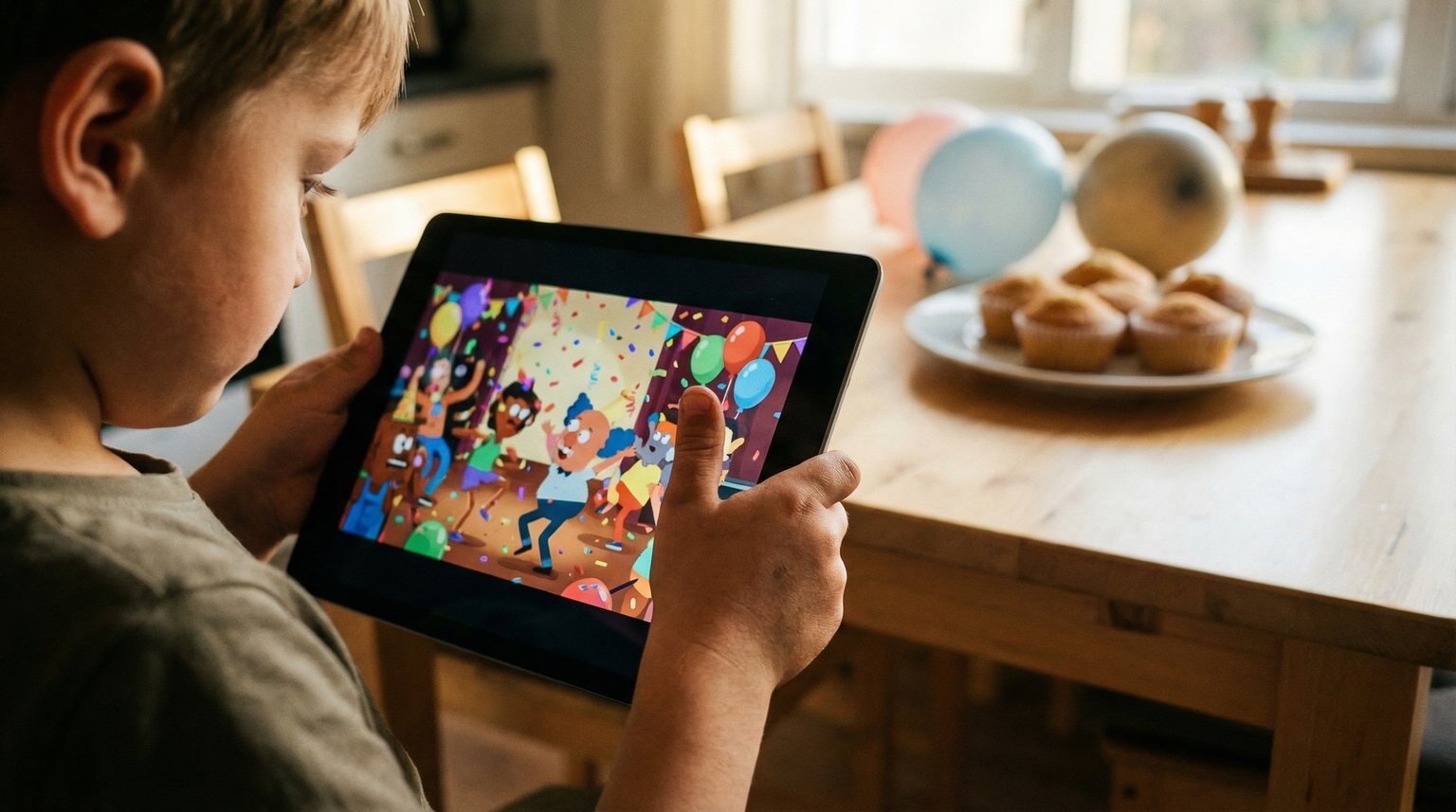
In my house, this looked like my 10-year-old showing me a video of a birthday party with a literal pony and asking why we couldn’t “just do that.” The pony was the least of it—she’d already mentally catalogued the custom backdrop, the dessert table, and the coordinated outfit changes.
What to do:
- Acknowledge the appeal without dismissing their feelings
- Explain that videos show highly selected moments
- Redirect toward what would make their birthday feel meaningful
What to say:
“Those videos are really fun to watch! What part looked most exciting to you?”
“That’s the very best moment they picked—they didn’t show the boring parts or when things went wrong.”
“What’s one thing that would make YOUR birthday feel special to you?”
Understanding how social media shapes gift expectations can help you have these conversations with more context about what your child is actually experiencing online.
The TikTok Trend Comparison Scenario
“Everyone at school is doing [trending birthday thing] and I want that too”
What’s happening: TikTok birthday trends—elaborate reveals, “get ready with me” party content, aesthetic color schemes—spread through peer groups like wildfire. By the time your child mentions it, half their class has already done it (or claims they will).

King notes that the pressure to feel a certain way intensifies when expectations are externally set. When the trend dictates what a “good” birthday looks like, your child loses ownership of their own celebration.
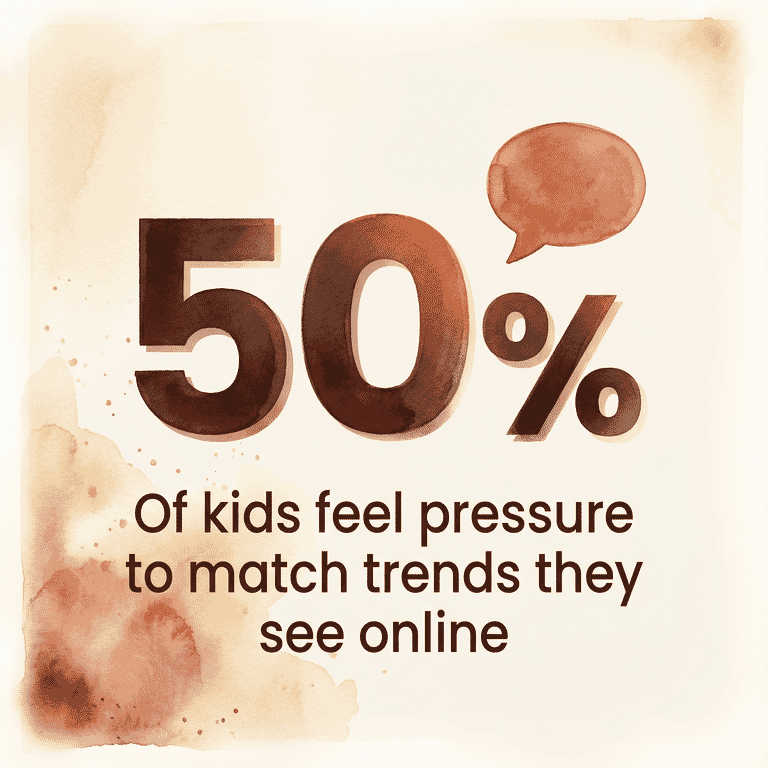
When trends dictate what counts as a “real” celebration, children feel the pressure to perform rather than simply enjoy. This external validation loop starts earlier than most parents realize.
The key is helping your child separate what appeals to them about a trend from the pressure to participate. Sometimes they just want the aesthetic. Sometimes they want to fit in. Those need different responses.
What to do:
- Validate the desire to participate
- Separate the trend from the celebration’s actual meaning
- Offer a scaled version that captures what appeals to them
What to say:
“I’ve seen those too—they’re creative! What is it about that trend that appeals to you?”
“We might not be able to do exactly that, but let’s think about what would make your day feel exciting.”
“What matters most—having the trend or having your closest friends there?”
The “Not Enough Posts” Scenario
“Nobody posted about my birthday”
What’s happening: Your child measures whether their birthday “counted” by social media acknowledgment. Did people post Stories? Did they get tagged? If not, did anyone really care?
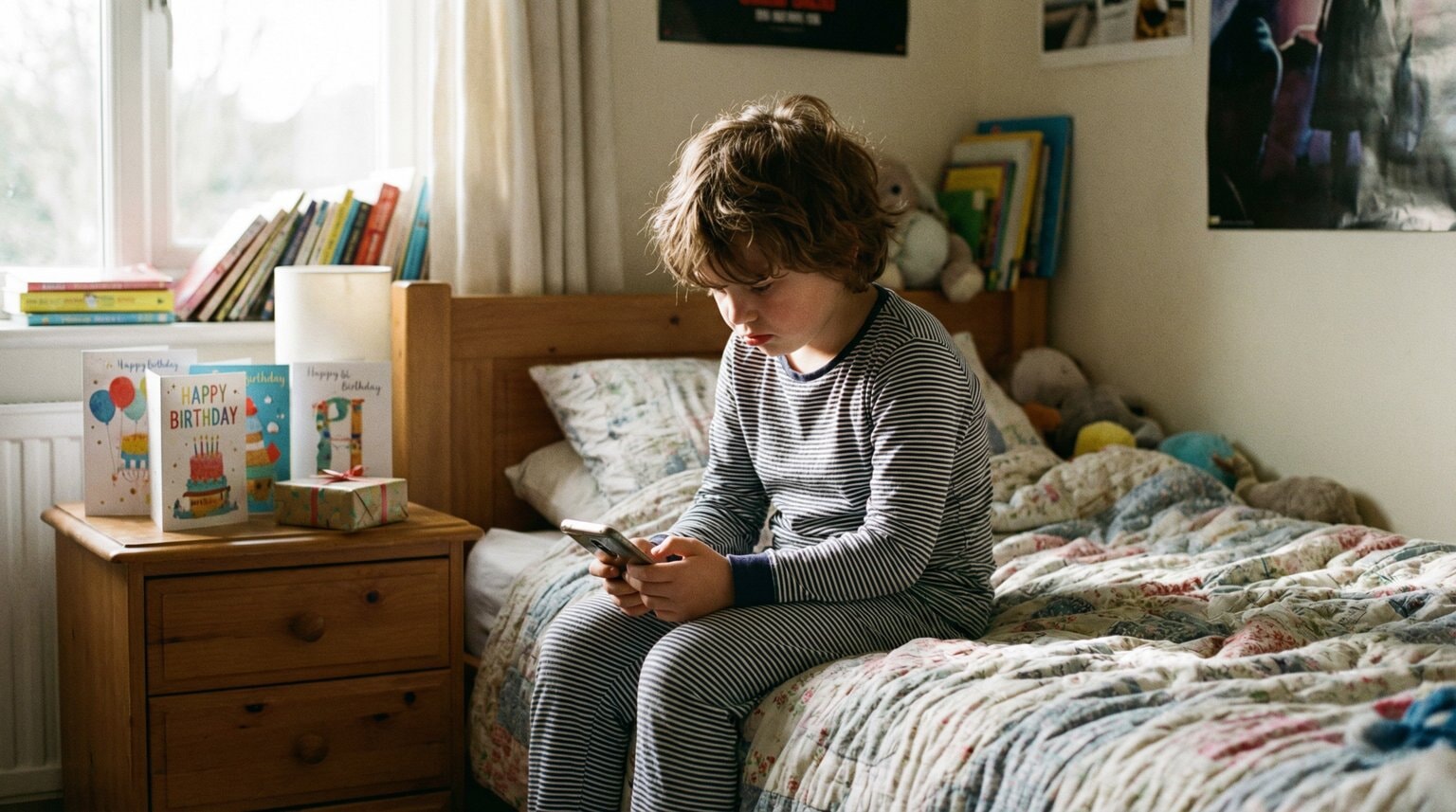
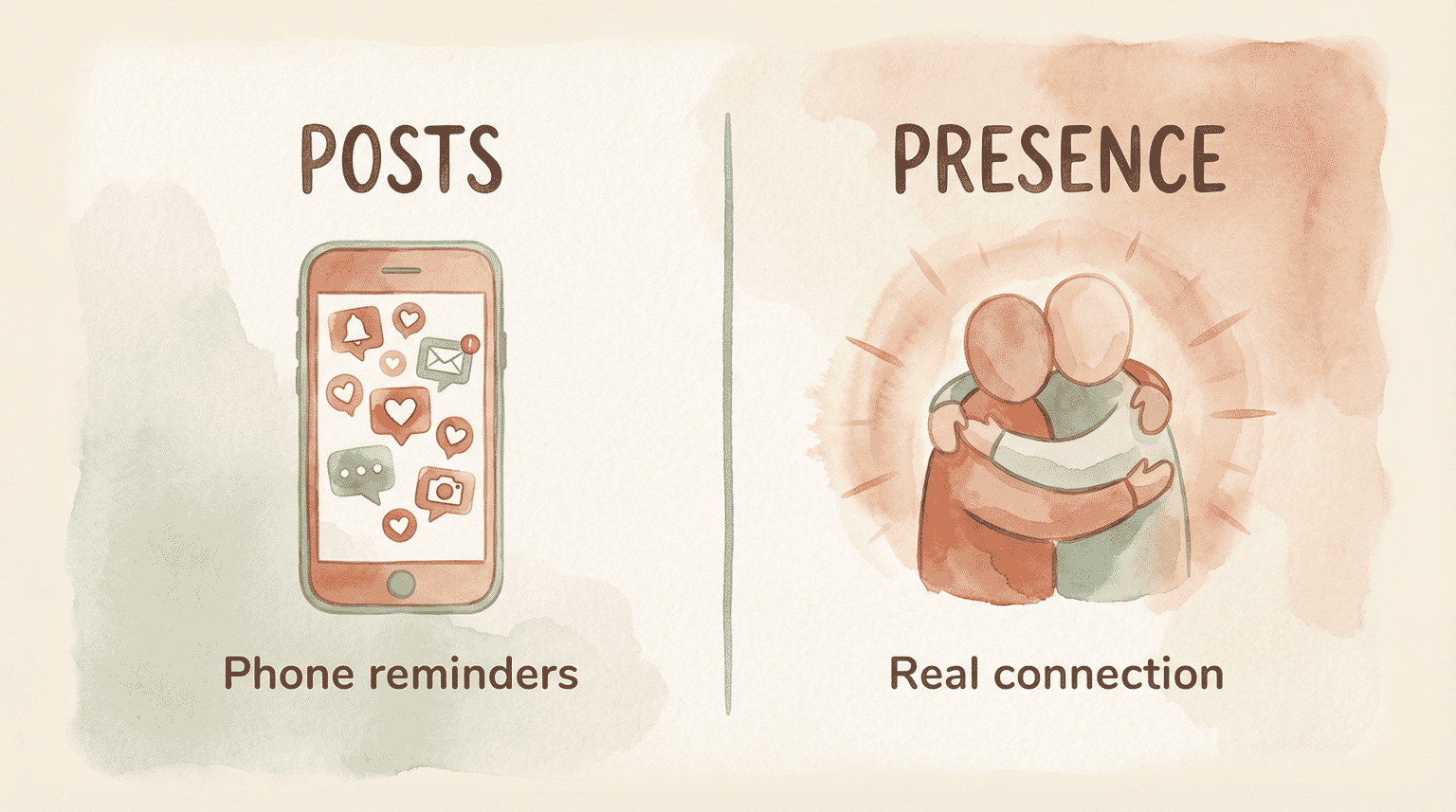
This one hits hard because it reveals how deeply children have internalized external validation as the metric for meaningful connection. The hollow nature of much social media birthday attention—people posting because their phone reminded them, not because they were genuinely thinking of your child—isn’t something kids naturally understand.
What to do:
- Acknowledge the disappointment directly
- Explain that posts don’t equal caring
- Refocus attention on who showed up in real, tangible ways
What to say:
“That felt disappointing, didn’t it?”
“A lot of people post ‘happy birthday’ because their phone reminded them—it doesn’t always mean they were really thinking about you.”
“Who called you today? Who gave you a hug? Those people showed up for real.”
The Real Versus Performed Joy Scenario
“My party wasn’t as fun as it looked in the pictures”
What’s happening: Your child had a birthday party. You took pictures. The pictures look great. But your child feels… let down. The gap between lived experience and documented experience is disorienting for them.
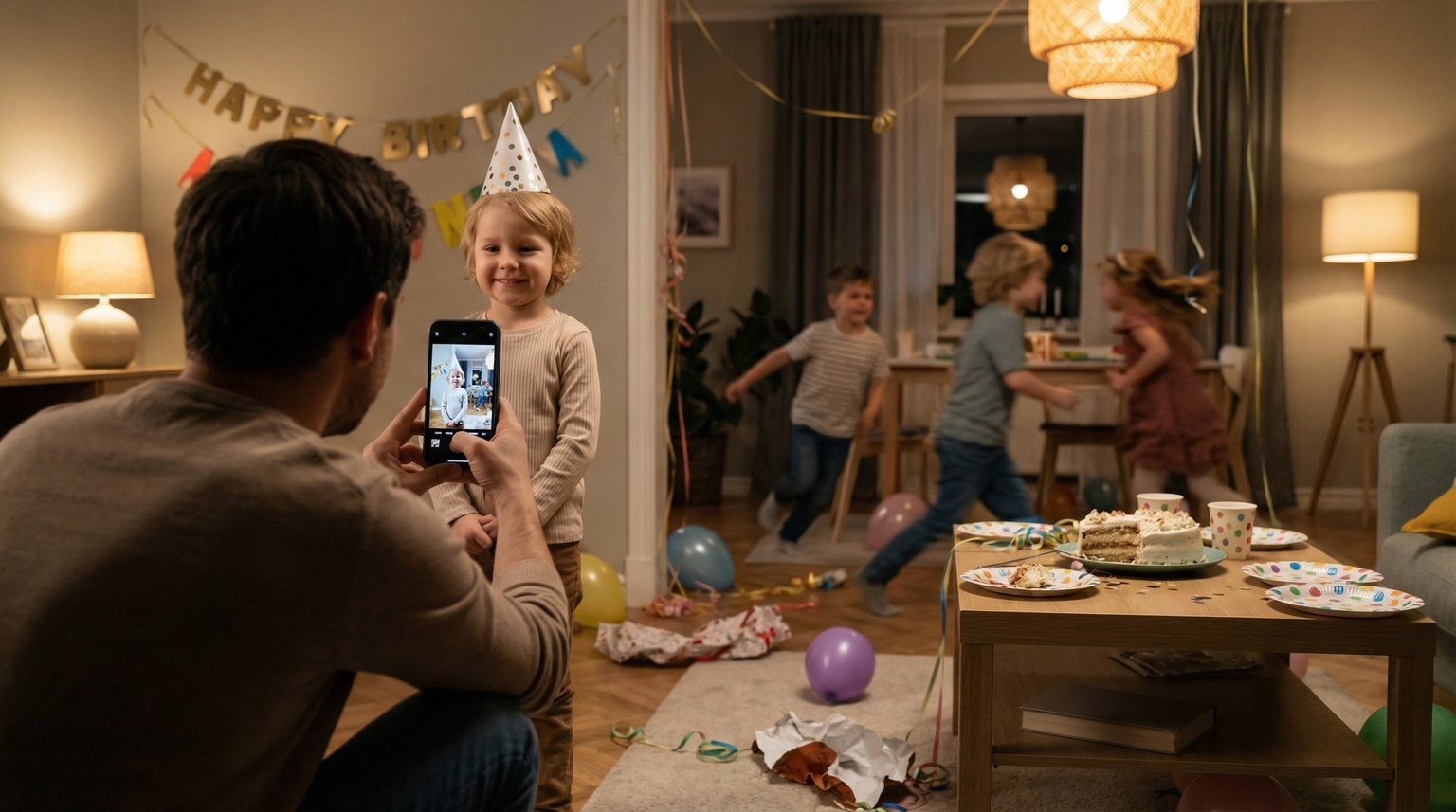
King identifies this as the expectation/reality mismatch that social media uniquely widens. Your child expected to feel like the kids in the videos look—pure, uninterrupted joy. Real parties have awkward moments, games that flop, and that one friend who always causes drama.
I’ve seen this play out eight times now—some of my kids’ favorite birthday memories are moments nobody captured on camera. The spontaneous dance party. The inside joke that started during cake. The quiet moment when a friend said something kind.
These unscripted moments don’t photograph well, but they’re the ones my kids actually remember years later. The perfectly posed group shot? Forgotten within weeks.

What to do:
- Normalize the disconnect between photos and feelings
- Separate memories from documentation
- Create space for honest reflection about what was actually good
What to say:
“Sometimes the pictures show the very best second, not how the whole thing felt.”
“What was your actual favorite part of the day—not for pictures, just for you?”
“The best birthday moments usually aren’t the ones we photograph.”
The Pre-Birthday Expectation-Setting Conversation
Proactive strategy before the birthday arrives
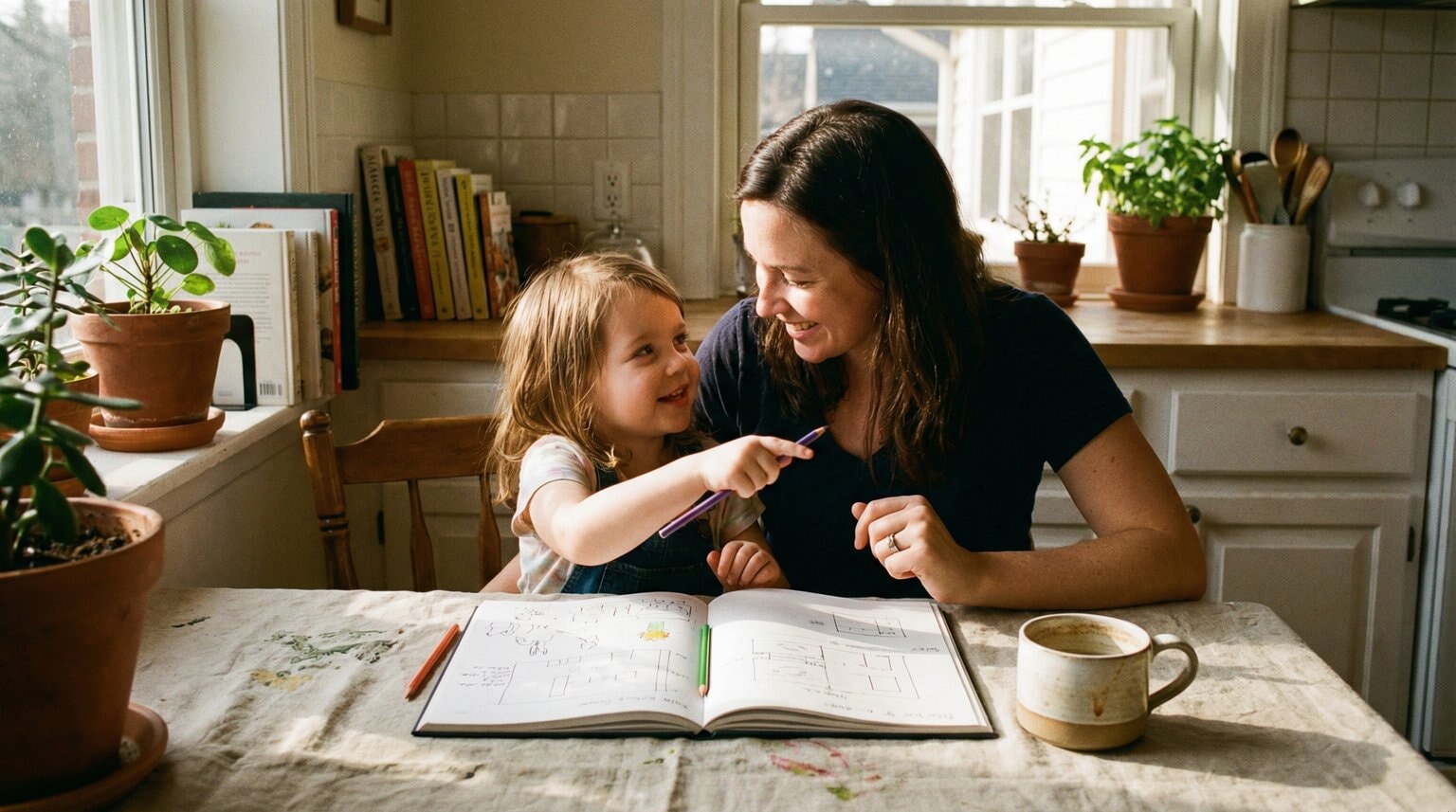
What’s happening: Nothing yet—and that’s the point. Ash King recommends getting “reflective” about what thoughts and feelings arise around birthdays. Applied to children: having this conversation before the birthday prevents comparison spirals from taking root.
What to do:
- Initiate conversation days (or weeks) before the birthday
- Collaboratively define what “special” means to your specific child
- Set realistic parameters while still making them feel heard
What to say:
“Your birthday is coming up! What would make it feel really special to you?”
“Let’s think about what’s realistic—and what would make you feel celebrated.”
“Remember that TikTok shows the fanciest parties, but what matters is the people and the moments.”
My librarian brain couldn’t let this go without checking: King’s advice to adults—don’t pressure yourself to feel a certain way just because it’s your birthday—translates directly to how we can guide our kids. The goal isn’t to manufacture joy. It’s to create space where genuine celebration can happen.
The Parent’s Own Social Media Pressure
When you feel pulled to create “postable” moments
What’s happening: Let’s be honest—parents experience this pressure too. The urge to document, to prove your child had a good birthday, to keep up with what other families are posting. You might not even realize you’re planning the party for Instagram rather than for your actual child.

King’s advice to “lower expectations” and respond with “self-compassion” applies just as much to the adults orchestrating these celebrations. The escalation parents feel—what some call the birthday party arms race—often comes from the same social media pressures affecting our kids.
What to do:
- Check your motivation before planning
- Model authentic celebration over performative documentation
- Give yourself permission to opt out of the comparison game
What to say (to yourself and to your child):
“I don’t need to prove this was a good birthday to anyone watching.”
“We’re going to focus on what feels fun, not what looks good in pictures.”
“The people who matter were here—that’s the real story.”
The Permission to Celebrate Differently
Here’s what I keep coming back to after years of birthday parties, gift expectations, and post-party debriefs with my kids: social media birthday pressure thrives when we accept external metrics of celebration success.
The antidote isn’t banning screens or refusing to let your child watch party videos. It’s defining meaningful celebration on your family’s own terms—and having the conversations that help your child understand why their birthday doesn’t need to look like anyone else’s.
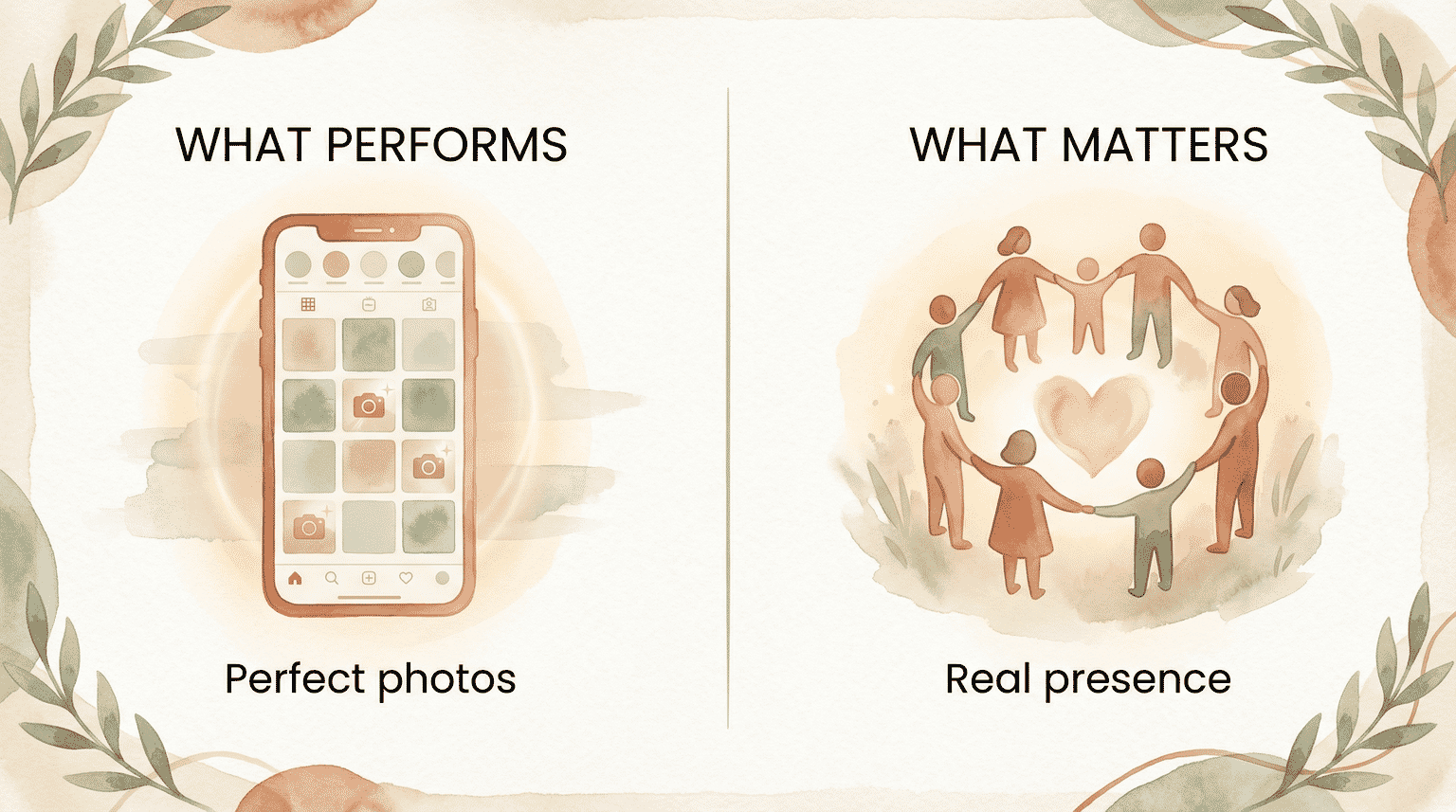
King puts it simply: give yourself permission to feel good through low-key activities, to need something gentler than a big production, to measure your birthday by what actually brought joy rather than what performed well online.
Your child deserves that same permission.
The real birthday moments—the ones that matter years later—usually aren’t the ones anyone posted.
Frequently Asked Questions
Why does my child have unrealistic birthday expectations?
Social media exposes children to curated highlight reels of elaborate celebrations—viral party videos and TikTok trends representing the most extravagant moments, not typical experiences. Psychologist Ash King explains that social media has intensified unrealistic expectations by presenting constant images of grand gestures and aesthetic parties. Children lack the context to understand these are exceptional, not standard.
How does social media affect children’s birthday expectations?
Social media creates a comparison trap where children measure their celebrations against heavily curated content. Children see surface-level attention—birthday posts, Stories, likes—and believe it represents genuine celebration, leading to disappointment when their real-world experience doesn’t match the documented ideal.
What do I say when my child compares their party to others?
Acknowledge the feeling first: “That video did look really fun.” Then provide context: “Those videos show the very best second—they don’t show when things went wrong or the boring parts.” Finally, redirect: “What’s one thing that would make YOUR birthday feel special to you?”
How can I help my child enjoy their birthday without social media pressure?
Start conversations before the birthday to collaboratively define what “special” means. Separate the trend from the celebration’s meaning by asking what specifically appeals to them. Focus on who showed up rather than what was documented. Model this yourself by prioritizing authentic moments over “postable” content.
Join the Conversation
Has TikTok or Instagram shaped your child’s birthday expectations? I’d love to hear how you’ve managed the “but that viral party had…” conversations—and what’s actually worked for resetting expectations.
Your stories help other parents navigate these viral birthday pressures too
References
- Birthday Depression: Why You Cry On Your Birthday – Psychologist Ash King’s research on social media’s role in birthday expectations and coping strategies for birthday-related pressure

Share Your Thoughts