
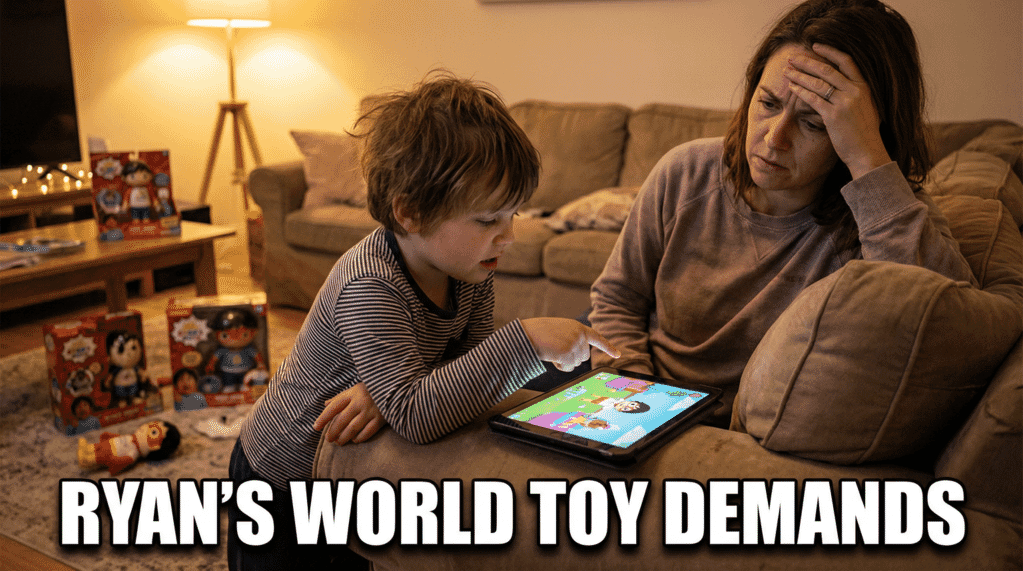
Your child asks to watch “just one more Ryan video.” But what exactly are they watching?

Ryan Kaji earns approximately $35 million annually from YouTube ad revenue, merchandise licensing, TV deals, and brand partnerships. His total career earnings exceed $100 million—and he’s thirteen years old.
Key Takeaways
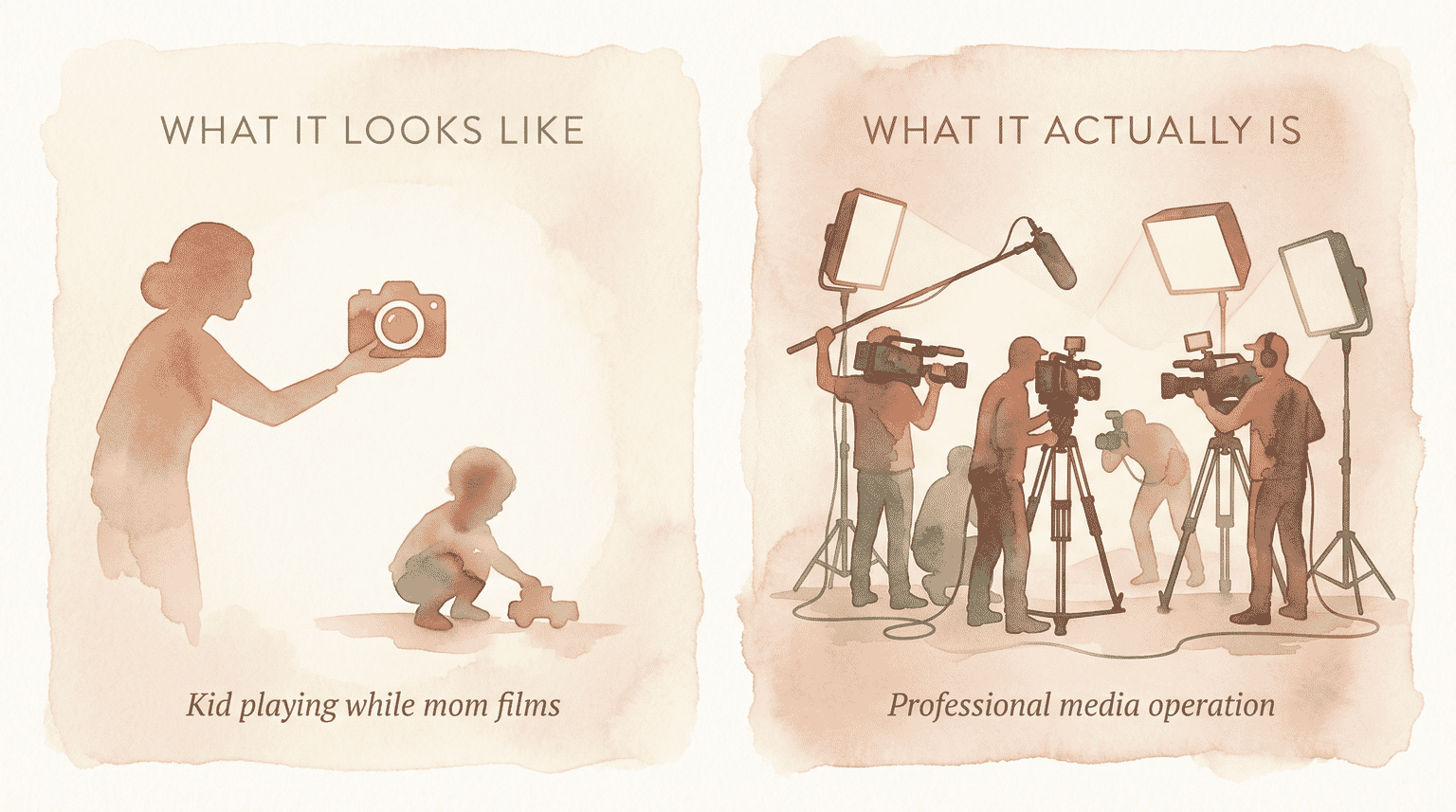
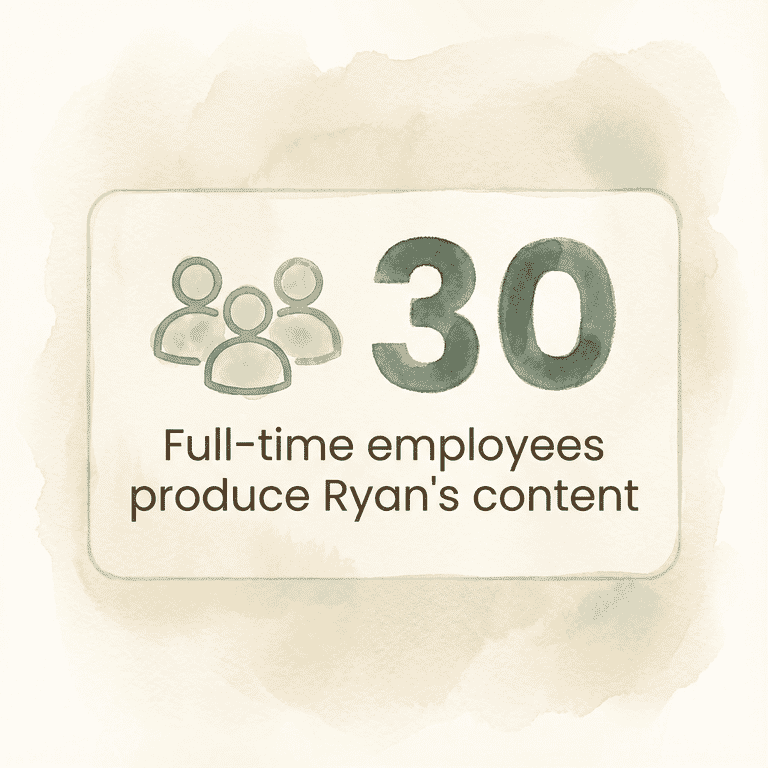
- Ryan’s World is a $100+ million professional media operation with 30 full-time employees—not a kid playing while mom films
- Children’s developing brains can’t distinguish between entertainment and advertising—they feel like Ryan is their friend
- Understanding this reframe helps you navigate gift conversations and “but Ryan has it!” moments
Here’s the breakdown:
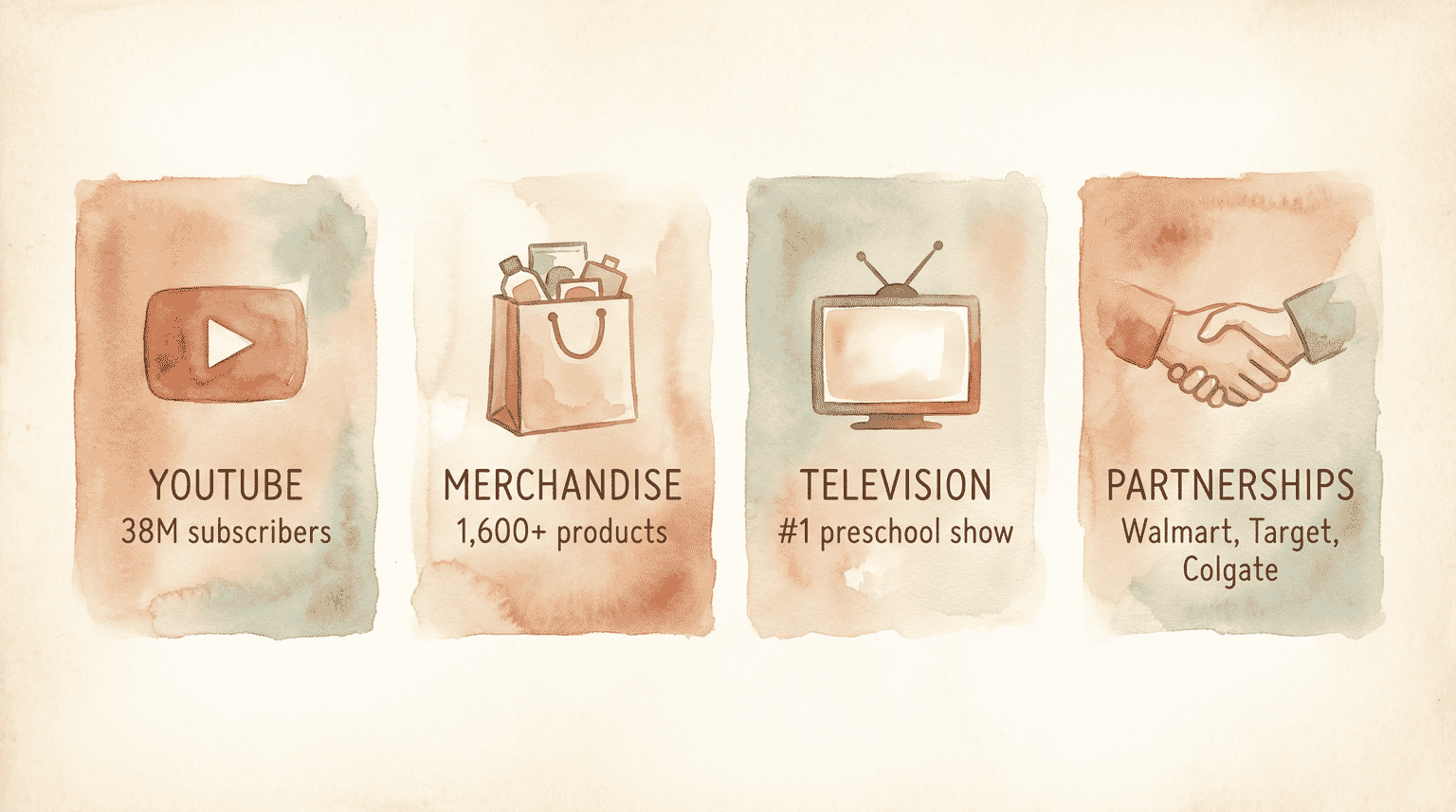
- YouTube advertising: 38+ million subscribers across 9 channels generating new content 5-6 days per week
- Merchandise: Over 1,600 licensed products in 30 countries, bringing in $250+ million in retail sales
- Television: Nickelodeon’s Ryan’s Mystery Playdate was the #1 preschool show in 2019
- Brand partnerships: Deals with Walmart, Target, Colgate, and dozens more
The number that changed how I see these videos? 30 full-time employees.
Research published in the Journal of Business Ethics documents that Ryan’s family company, Sunlight Entertainment LLC, employs 30 creative staff members producing content across those nine channels. This isn’t a kid playing with toys while mom holds a camera. It’s a professional media operation with the production schedule of a television network.
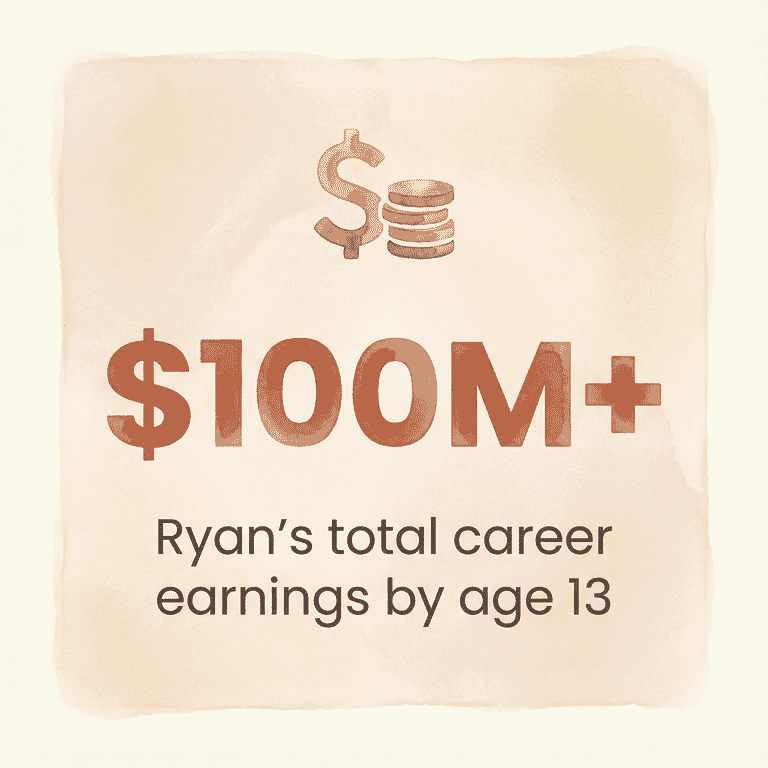
Let that sink in. By the time most kids are finishing middle school, Ryan had built a fortune that would take the average American over 1,500 years to earn.
And every dollar came from content designed to make children just like yours want things. Lots of things.
The neuroscience of this is particularly striking for young viewers.
“Children are dealing with a developing brain that is figuring out the world. And if one of the very powerful inputs into that developing brain is ‘Look at how happy Ryan is with his toy!’ of course they’re going to say, ‘I want that.'”
— Dr. Michael Rich, Boston Children’s Hospital
Your child’s brain literally cannot tell the difference between Ryan genuinely loving a toy and Ryan being paid to love it. The enthusiasm feels real because, to a developing mind, it is real.
This is why the “but Ryan has it!” argument feels so desperate—your child isn’t being manipulative. They’re responding exactly as their brain is designed to respond.

The Parent Takeaway
When your child watches Ryan, they’re watching a professionally produced show designed to make them want things—61 billion views’ worth of wanting. Understanding that reframe matters for what this means for your child’s wish lists and how you navigate digital-age gift giving in your own home.
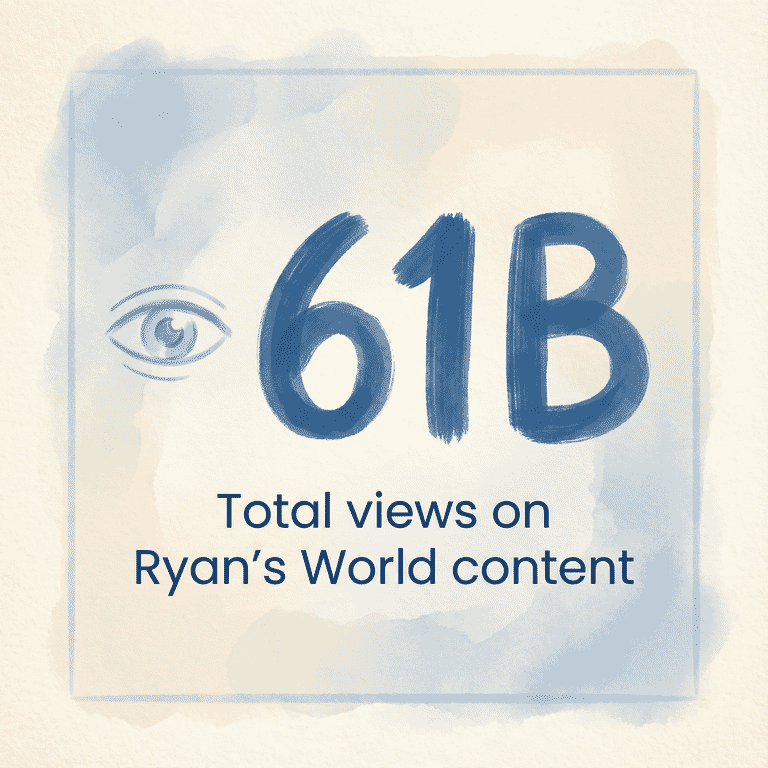
Sixty-one billion views. That’s roughly eight views for every human on Earth.
The scale of influence here dwarfs traditional advertising. And unlike TV commercials, kids don’t see this as marketing—they see it as watching their friend play.
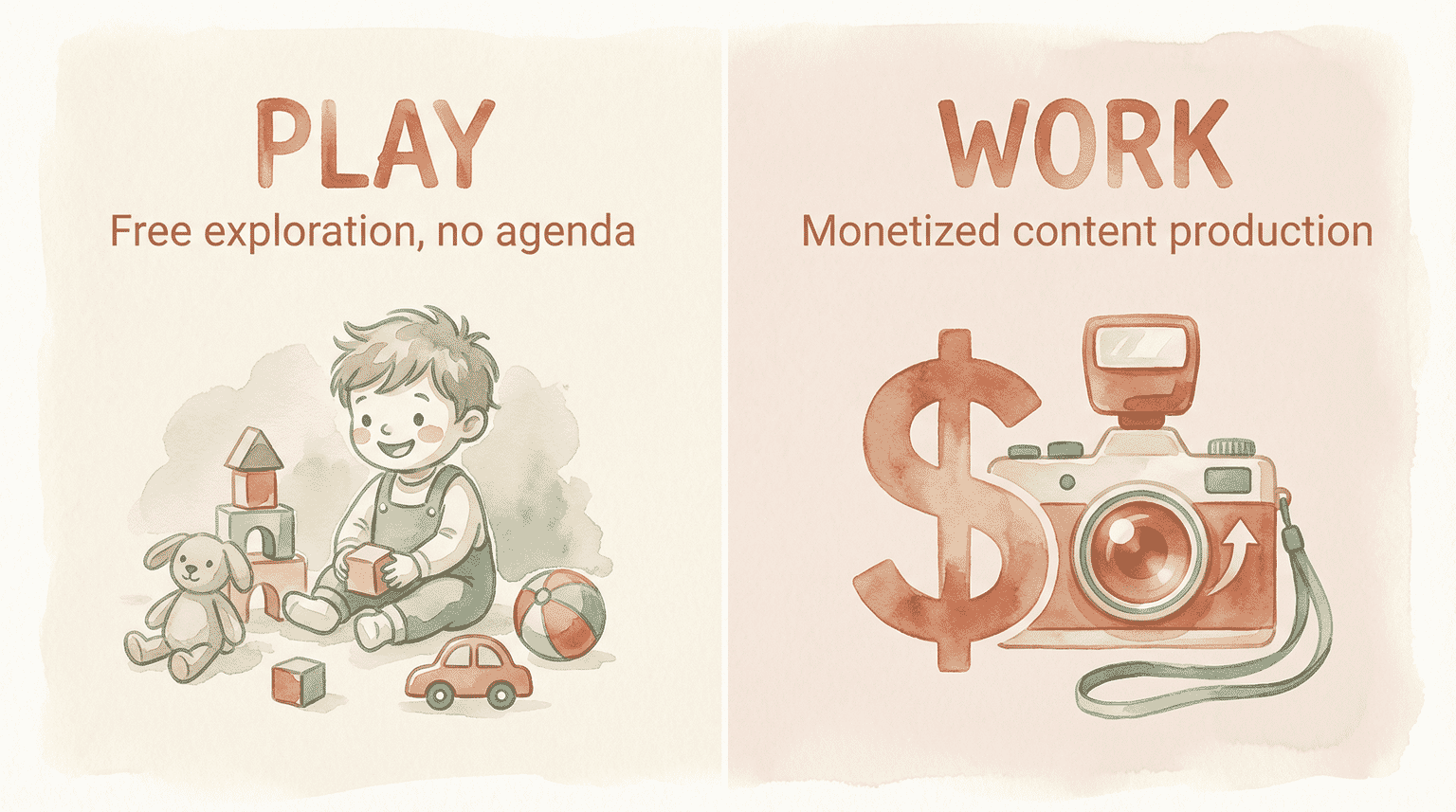
As one Coogan Act co-author noted about child influencer content: “It is not play if you’re making money off it.”
Share Your Story

Does Ryan’s World show up at your house? I’d love to hear how you’ve navigated the “but Ryan has it!” conversations—and whether anything has helped your child see it as entertainment rather than trusted advice.
Your wins and fails could save another parent’s Ryan-induced meltdown.
References
- Journal of Business Ethics (2025) – Child labor ethics in social media, Ryan Kaji case study
- University of Colorado/TIME (2021) – Licensed products and retail sales data

Share Your Thoughts