
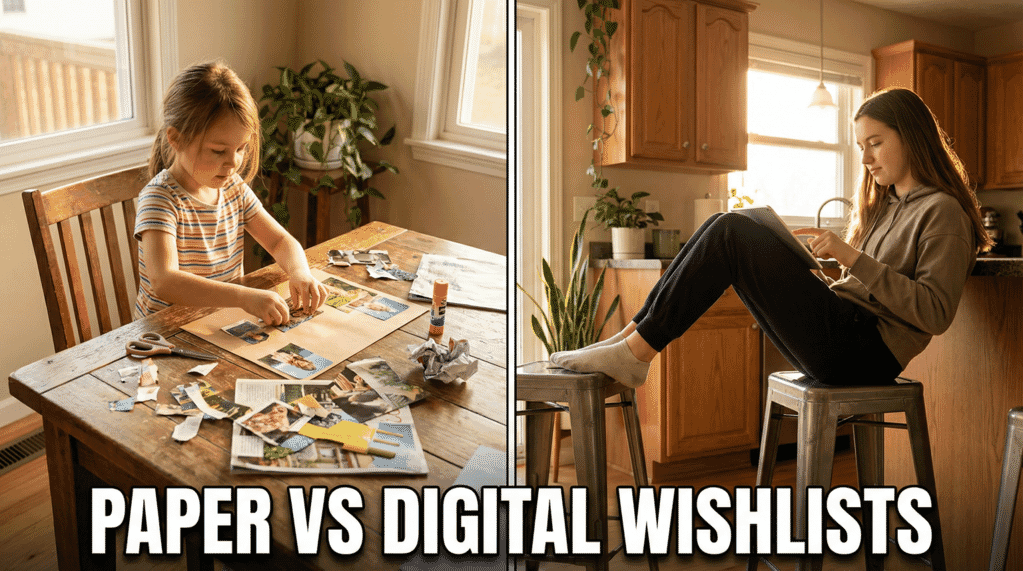
Your child is circling items in a holiday catalog with a marker. Meanwhile, their cousin is tapping hearts on a tablet. Both are making wishlists—but their brains are doing very different things.

Key Takeaways
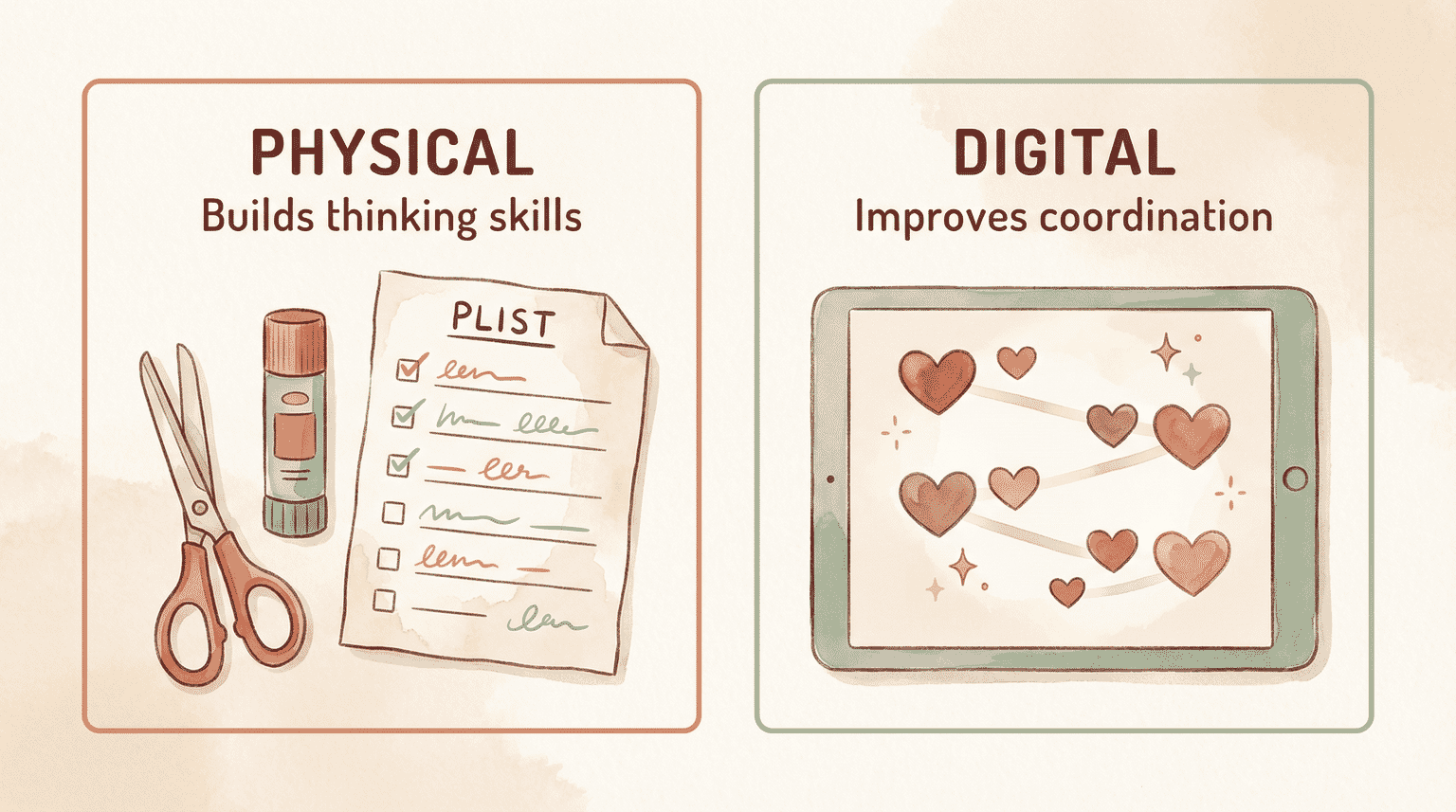
- Physical wishlists build thinking skills because kids process each choice as they make it
- Digital wishlists improve family coordination so relatives can actually see what kids want
- The best approach: Create physical, share digital
- Wishlists reviewed twice lead to more satisfying purchases
The Quick Answer
Physical wishlists build thinking skills. Digital wishlists improve family coordination. Match the format to your goal.
When my 6-year-old cuts pictures from catalogs and glues them onto paper, she’s making decisions with her whole brain engaged. When my teen adds items to an app, she’s creating something grandma can actually access from across the country.
Both have value—for completely different reasons.
Why Physical Lists Work for Young Kids

Here’s what the research actually shows: working with physical materials requires children to consider relationships during the activity, not just after. When your child draws, cuts, or writes their wishlist by hand, they’re actively processing each choice as they make it.
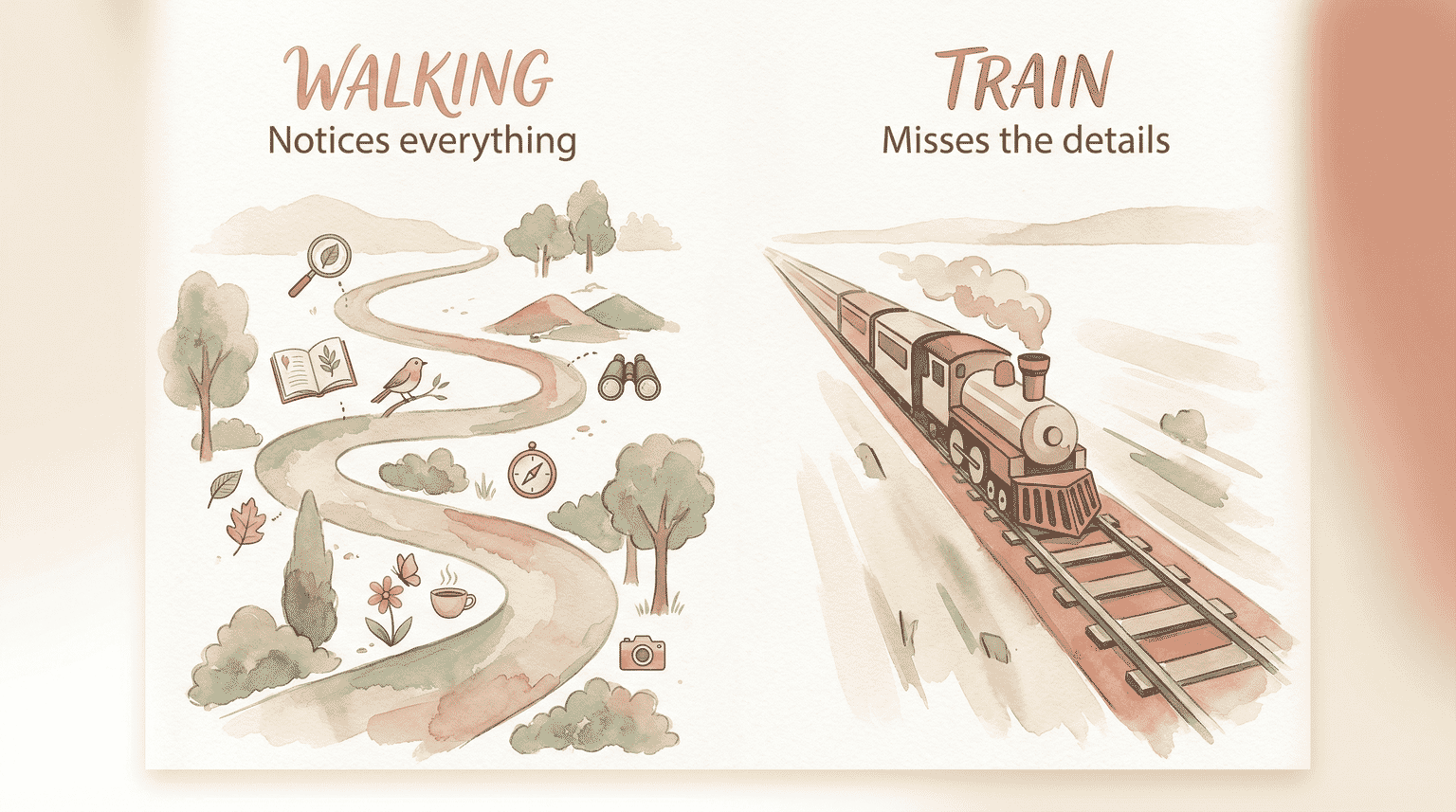
Educational researchers use a helpful metaphor: walking somewhere shows you more details than taking a train. Physical wishlists are the walk—slower, but your child notices everything along the way.
That’s why the craft-table approach matters for younger kids. Every snip of the scissors, every dab of glue—it’s all building decision-making muscles.
Why Digital Lists Help Families Coordinate

Texas Tech marketing researchers found that wishlists create a two-stage decision process. Items added impulsively lose their appeal by the time someone revisits the list—leading to more thoughtful final choices.
“Because people are forced to think about a purchase at two different points in time—when they click the wish list button and when they click the buy button—they enjoy their purchases more.”
— Dr. Deidre Popovich, Texas Tech University Marketing Researcher
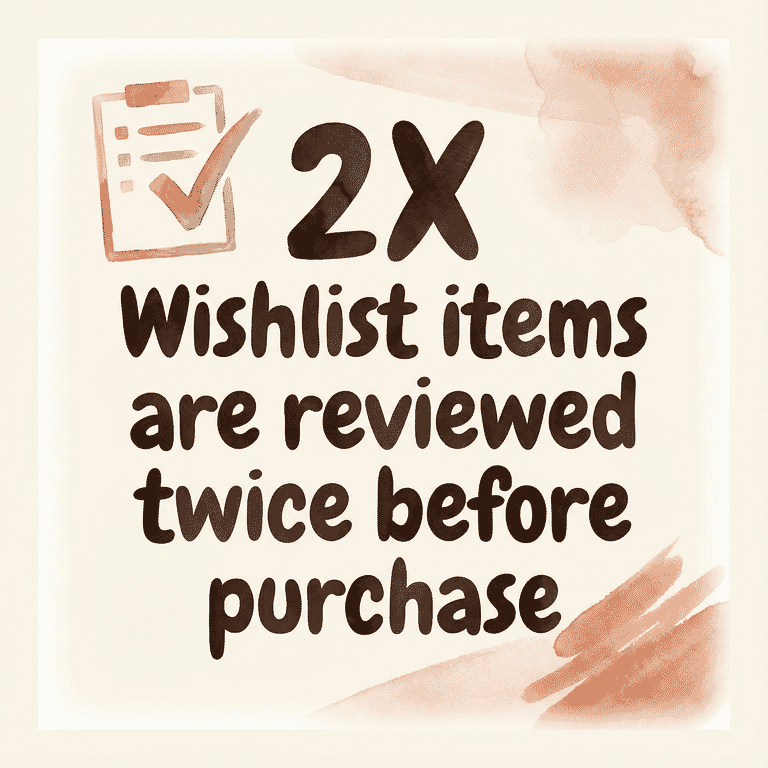
This two-stage review is built into how digital wishlists work. Your child adds something in the moment, then sees it again days or weeks later with fresh eyes.
That cooling-off period naturally filters out impulse additions—no parental intervention required.
Digital formats also solve a practical problem: extended family can actually see them. If you’re exploring how digital tools are changing gift-giving traditions or want to build family gift traditions that include everyone, the coordination benefits become clear fast.
The Simple Solution
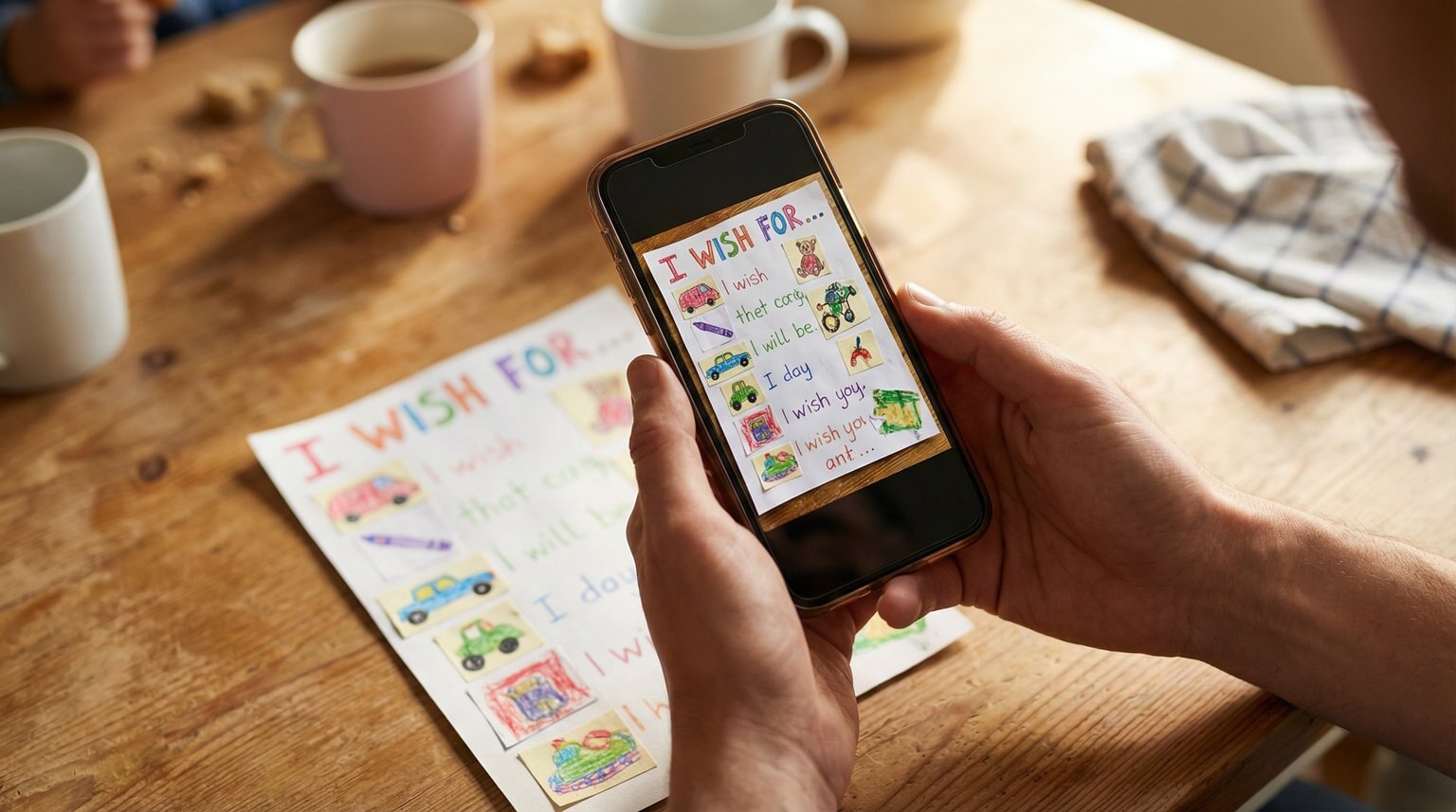
Create physical. Share digital. Let younger kids cut, paste, and draw their lists by hand—then photograph or transcribe for relatives. Many family wishlist apps let you snap a picture of a handwritten list and share it instantly.
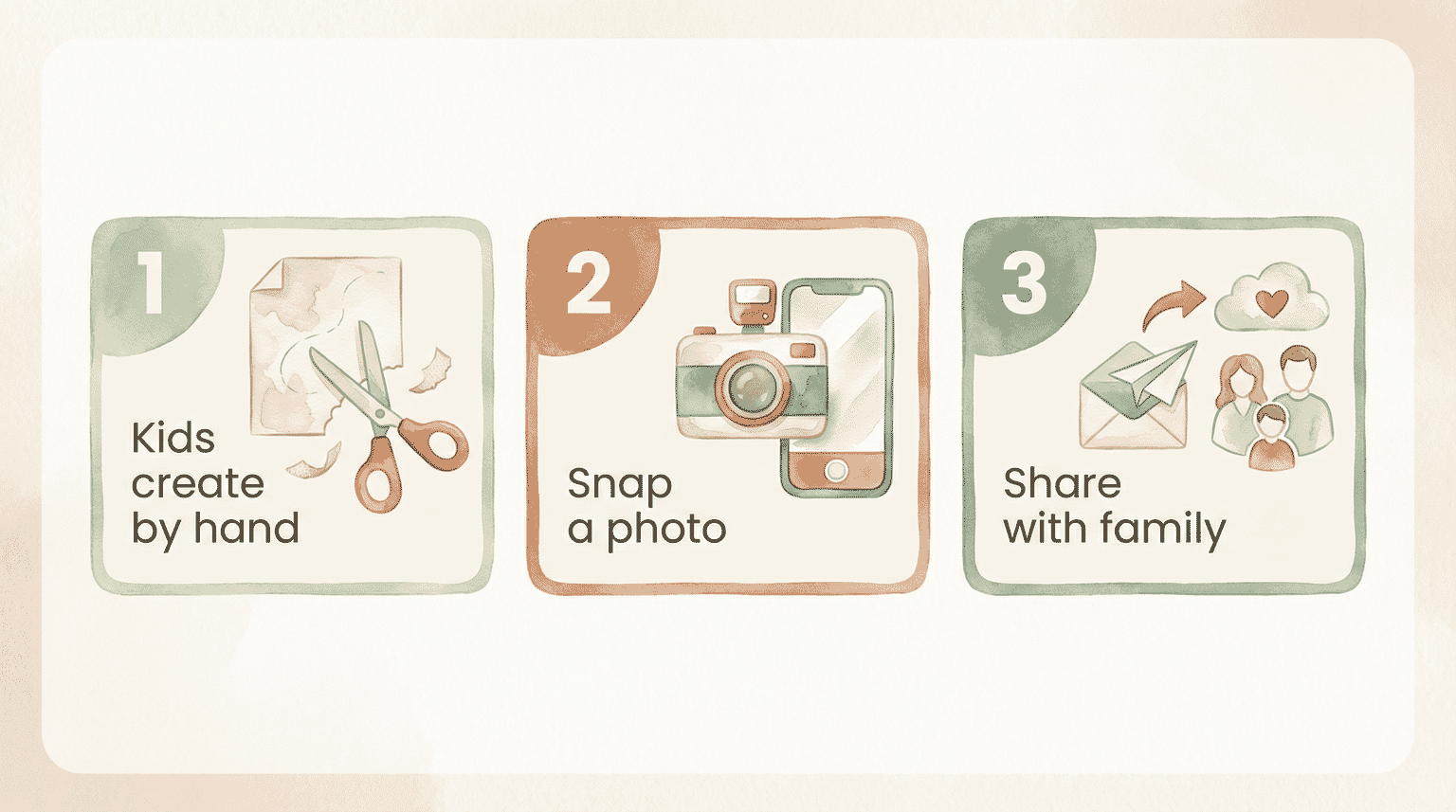
Your kitchen fridge can hold the original. Grandma gets the digital version. Everyone wins.

This hybrid approach gives your child the cognitive benefits of hands-on creation while solving the very real problem of sharing across distances. No compromise required.
Over to You

Do your kids make wishlists on paper, apps, or both? I’m curious what’s worked best for actually sharing with relatives—and whether the digital-to-physical (or vice versa) bridge has been smooth or clunky.
Your wishlist stories always make me smile.
References
- Texas Tech University Research on Consumer Decision-Making – Two-stage wishlist psychology research
- ERIC Database: Semiotic Analyses of Digital and Analogue Materials – Physical vs. digital learning engagement in children

Share Your Thoughts