

It’s December 1st, and your five-year-old has already asked three times if they can open tomorrow’s door too. The chocolate won’t survive the week at this rate—and honestly, you’re not sure 24 days of sugar is how you want to kick off the holiday season anyway.
Here’s what my librarian brain discovered when I started digging: the magic of advent calendars isn’t about what’s inside the doors. It’s about the ritual itself.
Consultant psychologist Dr. Ritz Birah explains it perfectly: advent calendar traditions “tap into psychological mechanisms related to pleasure, nostalgia and the satisfaction of delayed gratification.” That daily ritual of opening one door—just one—gives kids structured practice with anticipation. It’s developmental gold wrapped in holiday excitement.
And here’s something that surprised me: non-candy advent calendars aren’t some modern Pinterest invention. Carnegie Mellon researchers studying German traditions found that advent calendars historically included far more than sweets—toys, toiletries, small gifts, and experiences were always part of the tradition.
Key Takeaways
- The magic of advent calendars is the daily ritual, not what’s inside—connection activities create lasting memories
- Balance your 24 days with 16-18 quick activities and 4-6 weekend experiences for realistic scheduling
- Contribution activities like reverse advent calendars teach empathy through action, not observation
- Experience-based activities create stronger memories than receiving objects
So if you’re looking to swap sugar for something more meaningful, you’re actually returning to the tradition’s roots. Activity-based calendars do something candy can’t: they create daily opportunities for connection, contribution, and celebration—the stuff memories are actually made of.
That daily ritual of opening one door gives kids structured practice with waiting and managing excitement. It’s age-appropriate practice with delayed gratification—something developmental psychologists say builds progressively throughout childhood.
Activity advent calendars also pair naturally with other meaningful family gift traditions that prioritize connection over consumption. The countdown becomes part of a larger approach to the season.
Connection Activities: Family Time Pockets

These are the activities designed to pull you and your kids together—even for just five minutes on a busy Tuesday.
Quick connections (5-10 minutes):
- Hot cocoa date with holiday music
- Extra story at bedtime (your child picks)
- Look at family photos from last Christmas together
- Play one round of a favorite card game
- Build a blanket fort and just… sit in it
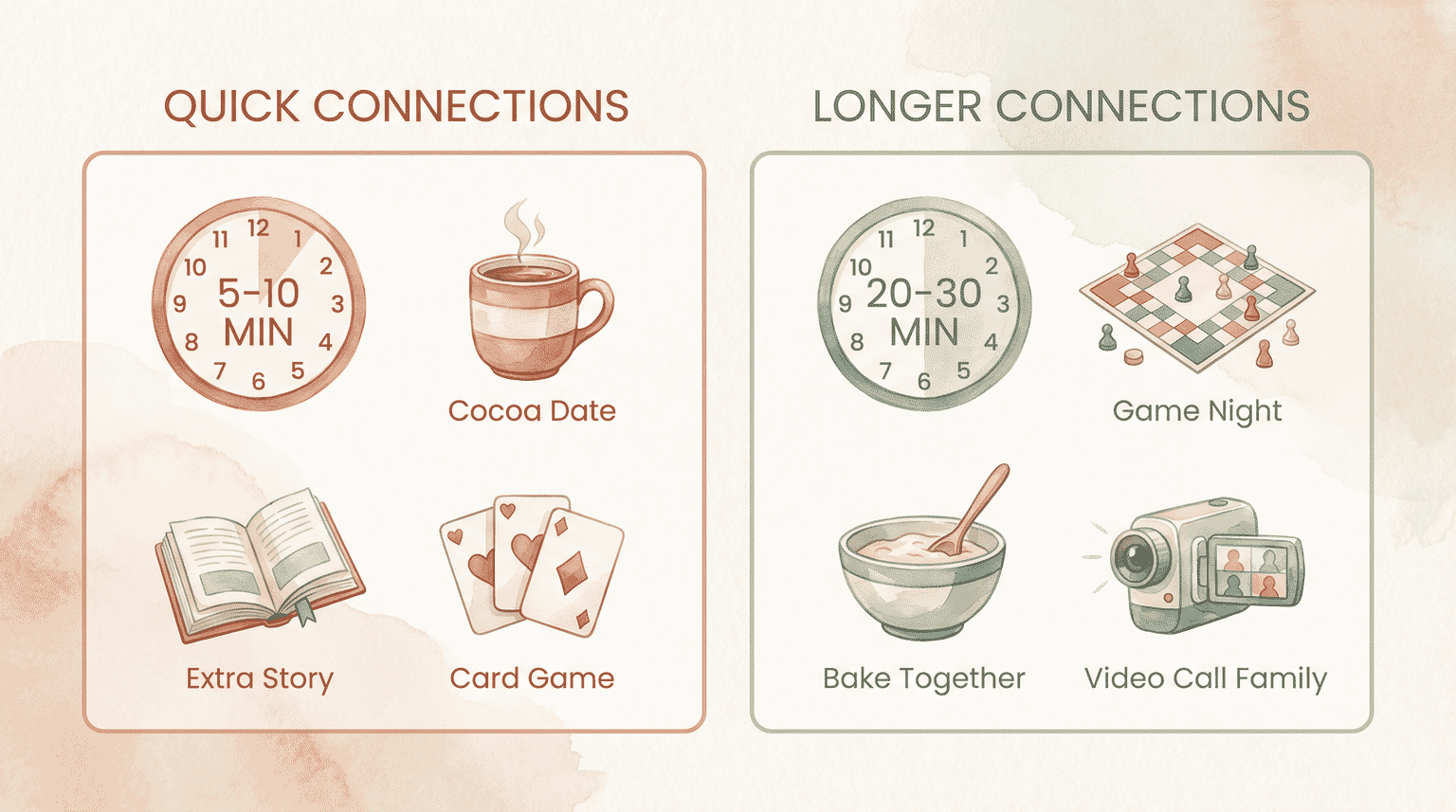
Longer connections (20-30 minutes):
- Game night with a holiday-themed game
- Decoration building together (paper chains work beautifully)
- Cook or bake something simple as a team
- Video call with grandparents or faraway family
The research on tangible connection speaks for itself.
“These traditions are about much more than just chocolate or gifts; they’re a way for parents to maintain a sense of connection and to show love in a tangible, familiar way.”
— Dannielle Haig, Psychologist
That five-minute hot cocoa date? It’s tangible love in a mug. These work especially well for ages 3-10, though my teenagers will absolutely still show up for a game night if snacks are involved. The key is matching activity length to your actual schedule—most weeknights need the quick version.
Contribution Activities: Kindness & Service Focus

Here’s something the developmental research makes clear: empathy is taught, not caught. As child development specialists describe it, prosocial behaviors develop through hands-on modeling, not passive observation. Your kids learn kindness by doing kind things—not just hearing about them.
Simple kindness prompts:
- Write a thank-you note to someone
- Draw a picture for a neighbor
- Give three genuine compliments today
- Help a sibling with something without being asked
- Pick a toy to donate
Bigger service projects (weekends):
- “Reverse advent calendar”—add one item daily to a donation box
- Make cards for a nursing home
- Help deliver cookies to neighbors
- Sort outgrown clothes together for donation
For younger kids (ages 2-5), keep acts concrete and immediate—drawing a picture, sharing a snack. Older kids can handle more abstract kindness (writing encouraging notes) and delayed impact (collecting items all month for donation).
The reverse advent calendar has become a favorite in my house. Instead of receiving something each day, kids give something. By December 24th, you’ve got a full box of donations and kids who’ve practiced generosity 24 times.
There’s something powerful about flipping the script on what advent means. The anticipation shifts from “what will I get?” to “what will I give?”—and that mindset change ripples through the whole season.
Creation Activities: Building & Making
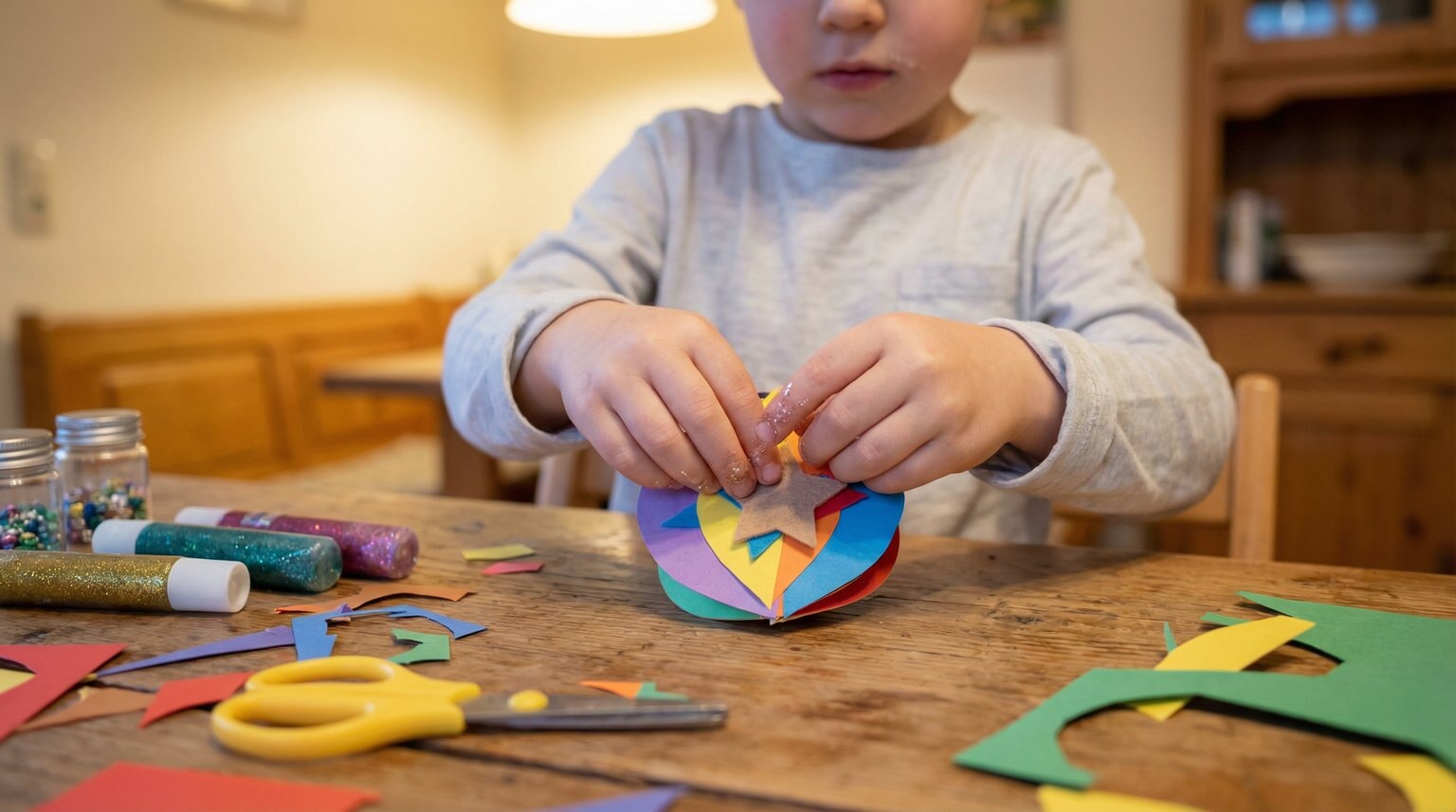
There’s something deeply satisfying about making things—and December offers endless opportunities.
Quick creates (10-15 minutes):
- Paper ornament making
- Holiday card for one person
- Decorate a cookie (bake ahead in batches)
- Draw your Christmas wish
- Make a paper chain ring to add daily
Progressive projects:
- Gingerbread house building across several days
- Collaborative family artwork (add to it each day)
- Story writing—one page per day
- Salt dough ornaments (make, dry, paint on different days)
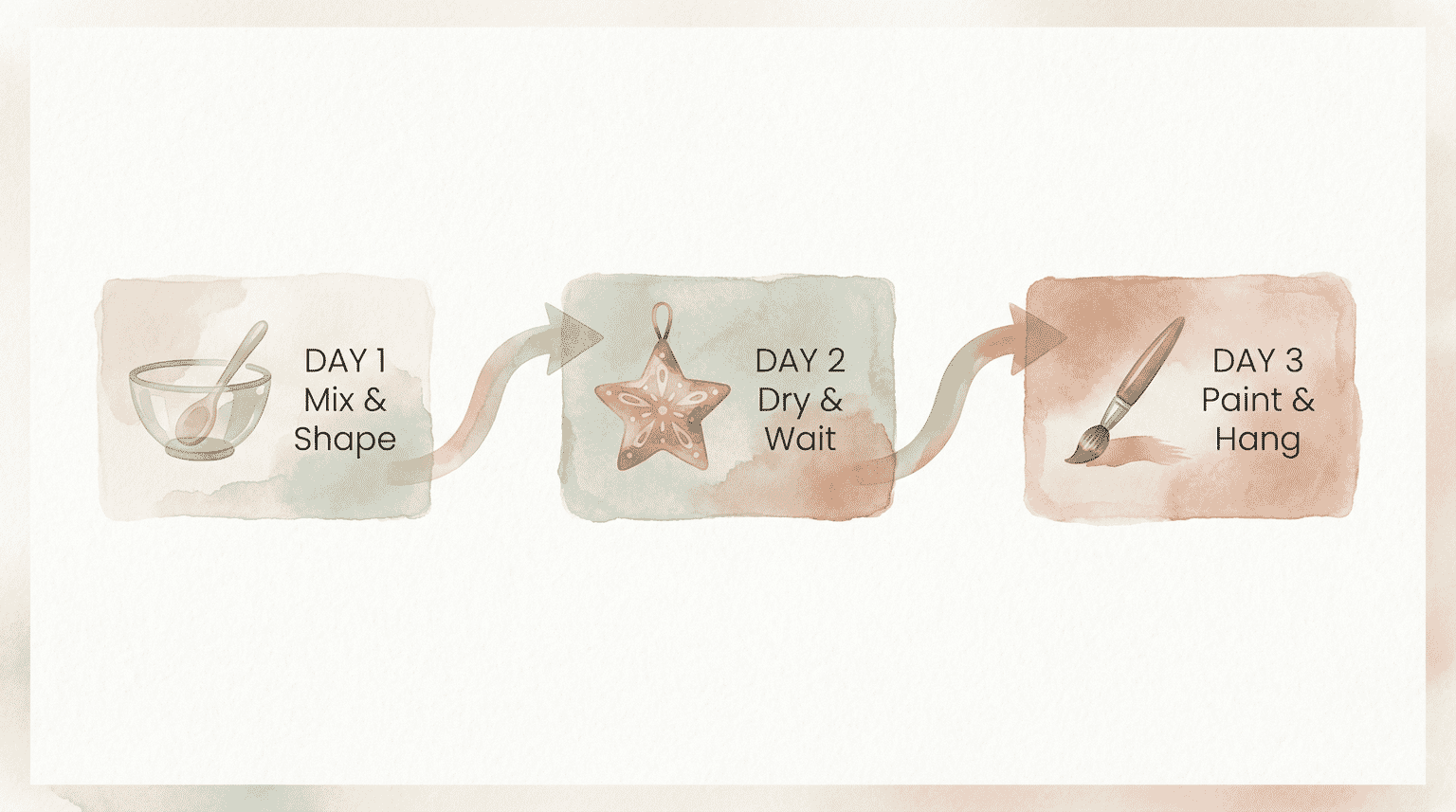
For kids who love stories, try a story progression calendar: read one chapter of a holiday book daily, paired with a simple related activity. A chapter about snow? Make paper snowflakes. A chapter about gifts? Wrap something small for someone.
Ages 4-8 especially thrive with creation activities—they’re past the frustration of limited fine motor skills but still young enough to find genuine magic in making things. My six-year-old will spend twenty focused minutes on an ornament that my teenager would finish in three.
Celebration Activities: Experiences & Special Moments

These are the experience-based reveals—activities that make an ordinary day feel special.
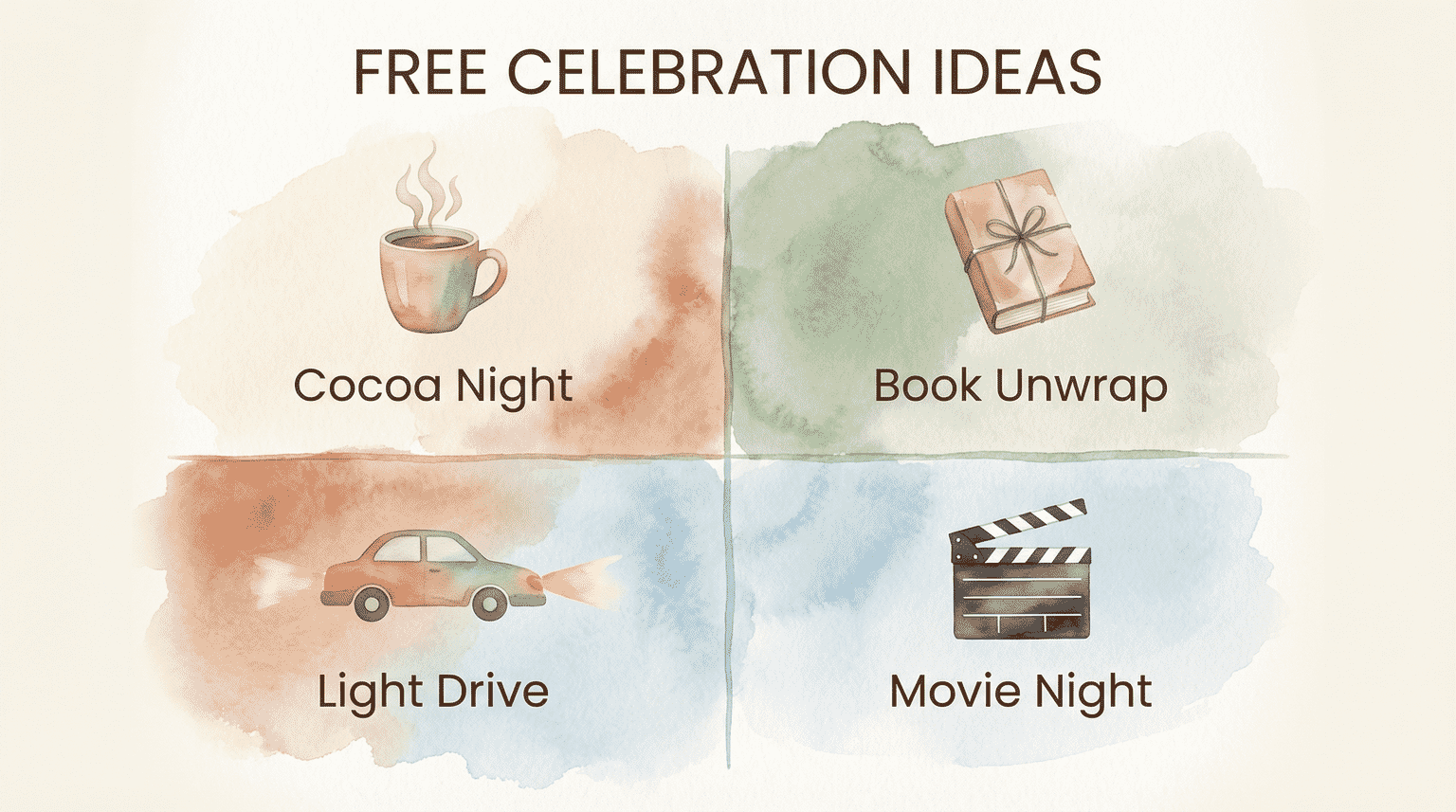
Free or nearly free:
- Christmas light drive after dinner
- Breakfast for dinner night
- Choose tomorrow’s meal
- Dance party to holiday music
- Hot chocolate with extra marshmallows
- Pajama day (on a weekend)
- Flashlight story time
Planned experiences:
- Special movie night with treats
- Trip to see a local holiday display
- Library visit for holiday books
- Dollar store shopping for sibling gifts
A book advent variation works beautifully here: wrap 24 books (library books, thrift finds, or family favorites) and unwrap one each night for cozy reading. The anticipation of “which book tonight?” creates its own daily excitement. My two-year-old doesn’t care that half the books are ones we already own—the unwrapping makes them new again.
Many families extend the anticipation by pairing their advent calendar with a special Christmas Eve box as the celebration culminates.
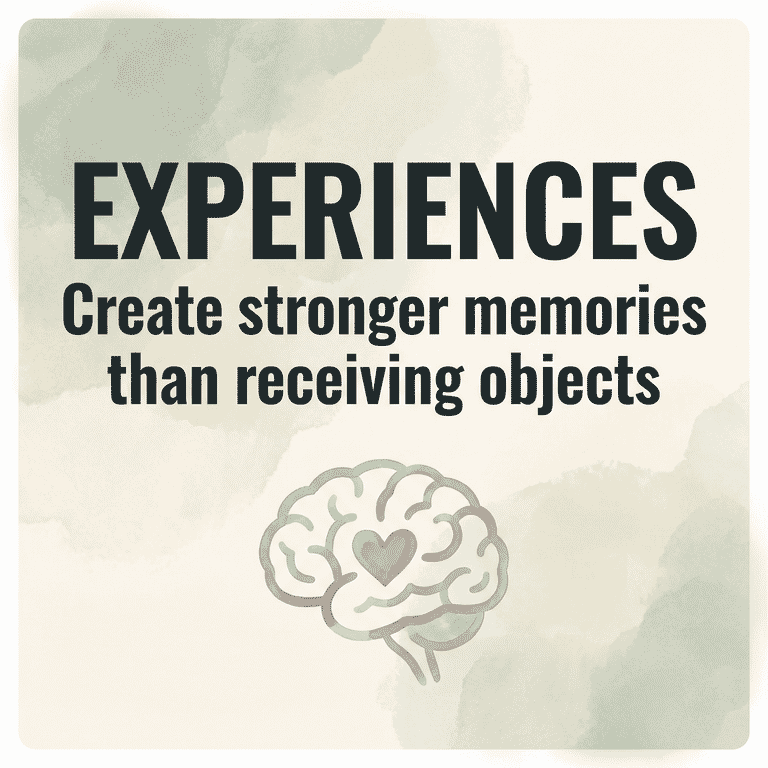
The research on why experiences matter keeps piling up: memory formation around doing things together consistently outpaces memories of receiving things.
That Christmas light drive on December 8th becomes part of your family’s story in a way that the chocolate from door #8 never could. The wrapping paper gets forgotten, but the experience stays.
Planning Your Activity Mix
Twenty-four days is a lot to fill, especially when December already feels overwhelming. Here’s how to make it manageable:
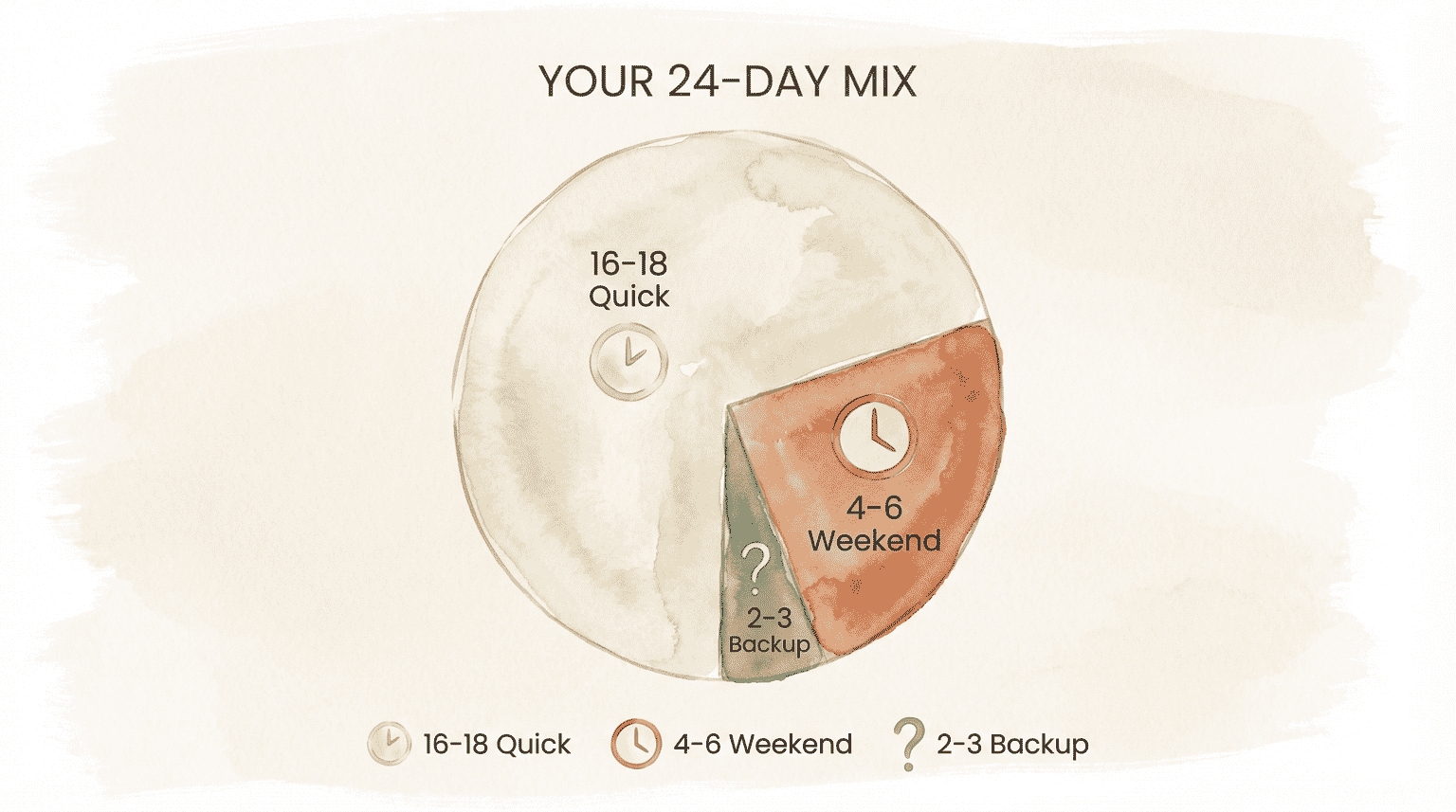
The realistic ratio:
- 16-18 quick activities (10 minutes or less) for busy weeknights
- 4-6 longer activities saved for weekends
- 2-3 backup activities for when plans fall apart
Sample week structure:
| Day | Activity Type | Example |
|---|---|---|
| Monday | Quick connection | Extra bedtime story |
| Tuesday | Quick contribution | Write a thank-you note |
| Wednesday | Quick creation | Paper ornament |
| Thursday | Quick celebration | Hot cocoa date |
| Friday | Quick connection | One round of a game |
| Saturday | Extended celebration | Christmas light drive |
| Sunday | Extended creation | Cookie decorating |
Pro tip from a mom who’s learned the hard way: Don’t assign specific activities to specific dates in advance. Keep a jar or envelope of options and let your child draw one each morning. This builds flexibility for schedule chaos and adds an extra layer of anticipation.
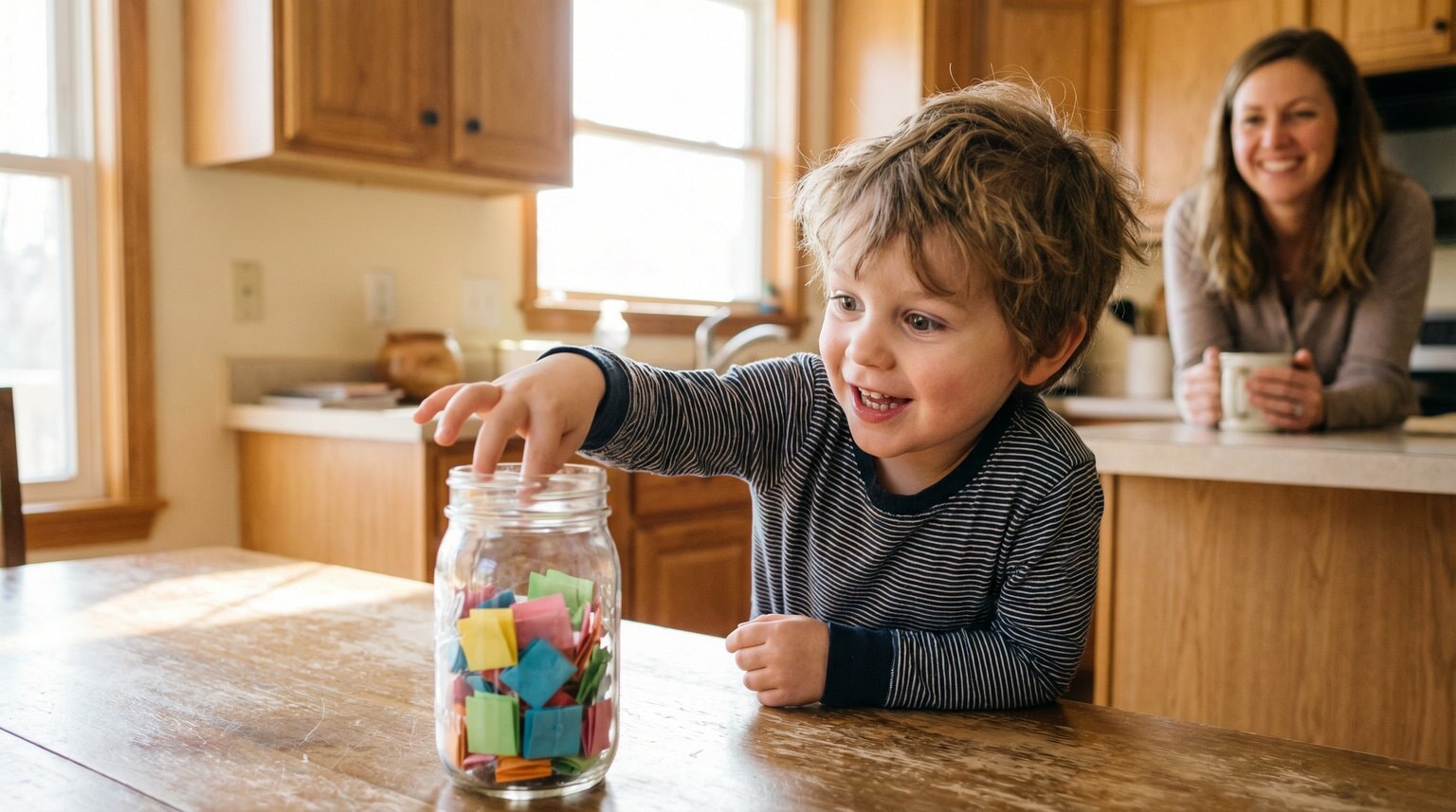
Developmental psychologists have documented that self-regulation skills develop progressively throughout childhood and adolescence. Daily anticipation activities—even simple ones—give kids age-appropriate practice with waiting, managing excitement, and delaying gratification. The structure supports their development without requiring heroic self-control.
Frequently Asked Questions
What can I put in an advent calendar instead of candy?
Fill advent calendars with activity cards organized by purpose: connection activities (game nights, hot cocoa dates), contribution activities (good deed challenges, donation prompts), creation activities (ornament making, cookie decorating), and celebration activities (experience coupons, book reveals). Many families find activity calendars create more anticipation and lasting memories than candy ever did.
How do I make an advent calendar more meaningful?
Focus on experiences over objects. Psychologists note that advent rituals tap into mechanisms related to pleasure, nostalgia, and delayed gratification. Choose activities that build connection, contribution, or celebration rather than simply delivering daily treats. The ritual of opening one door each day matters more than what’s behind it.
What are good advent calendar activities for kids?
Balance quick weeknight options (5-10 minutes) with occasional longer weekend experiences. Connection activities include story time and game nights. Contribution activities include writing thank-you notes and helping neighbors. Creation activities include making ornaments and decorating cookies. Celebration activities include Christmas light drives and special movie nights.
Are advent calendars good for child development?
Yes—when designed intentionally. The daily structure provides practice with anticipation and delayed gratification. Recent research suggests self-regulatory processes develop progressively through childhood and adolescence, making daily anticipation activities developmentally appropriate practice at every age.
What age should children start advent calendars?
Most children can engage with simple advent calendars around age 2-3, when they begin understanding “waiting” and “tomorrow.” Adjust complexity by age: toddlers enjoy sensory activities and picture-based prompts, while older children appreciate service projects and experience reveals.
I’m Curious
What’s in your non-candy advent calendar? I’d love to build a bigger list of activities and small surprises that actually work—especially for mixed-age households where one size doesn’t fit all.
Share your best non-candy advent ideas—I read every comment and add favorites to the list.
References
- Kindness Advent Calendar Ideas that Kids Will Love – Research on hands-on activities and social-emotional development
- What it reveals if you open your advent calendar early – Psychology of anticipation and delayed gratification
- Winter Traditions Around the World – Cultural history of German advent calendar traditions

Share Your Thoughts