
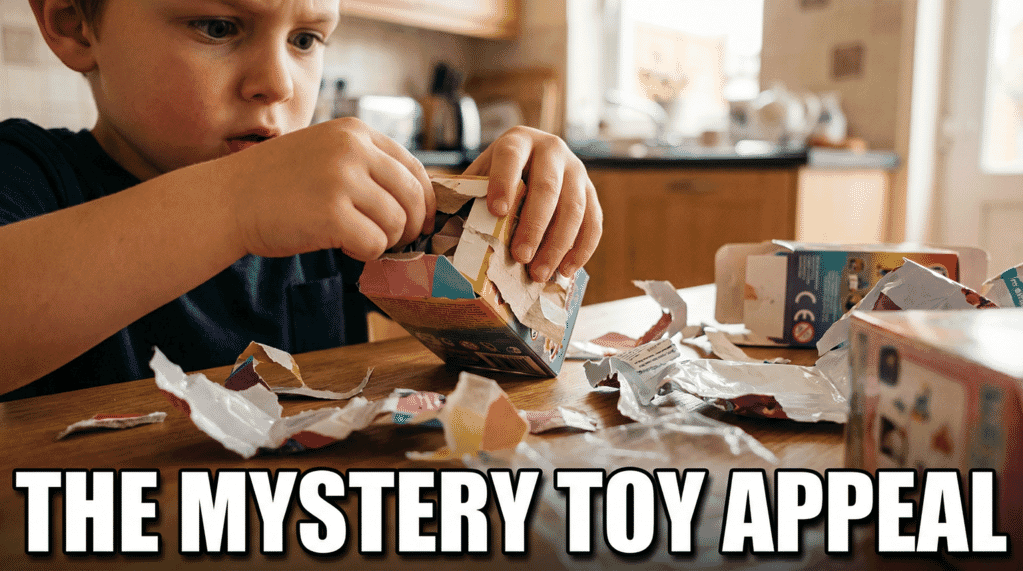
Your 7-year-old doesn’t want to unwrap her own present. She wants to watch a stranger on YouTube unwrap one instead—for the fourteenth time this week. If this sounds familiar, you’re living inside a phenomenon that generated over $6 billion in toy sales and fundamentally changed how children experience anticipation itself.
My librarian brain couldn’t let this go without understanding what’s actually happening here. So I dug into the research. What I found explains not just why your child is mesmerized by L.O.L. Surprise unboxing videos, but why the entire product was engineered around that mesmerization.
Key Takeaways
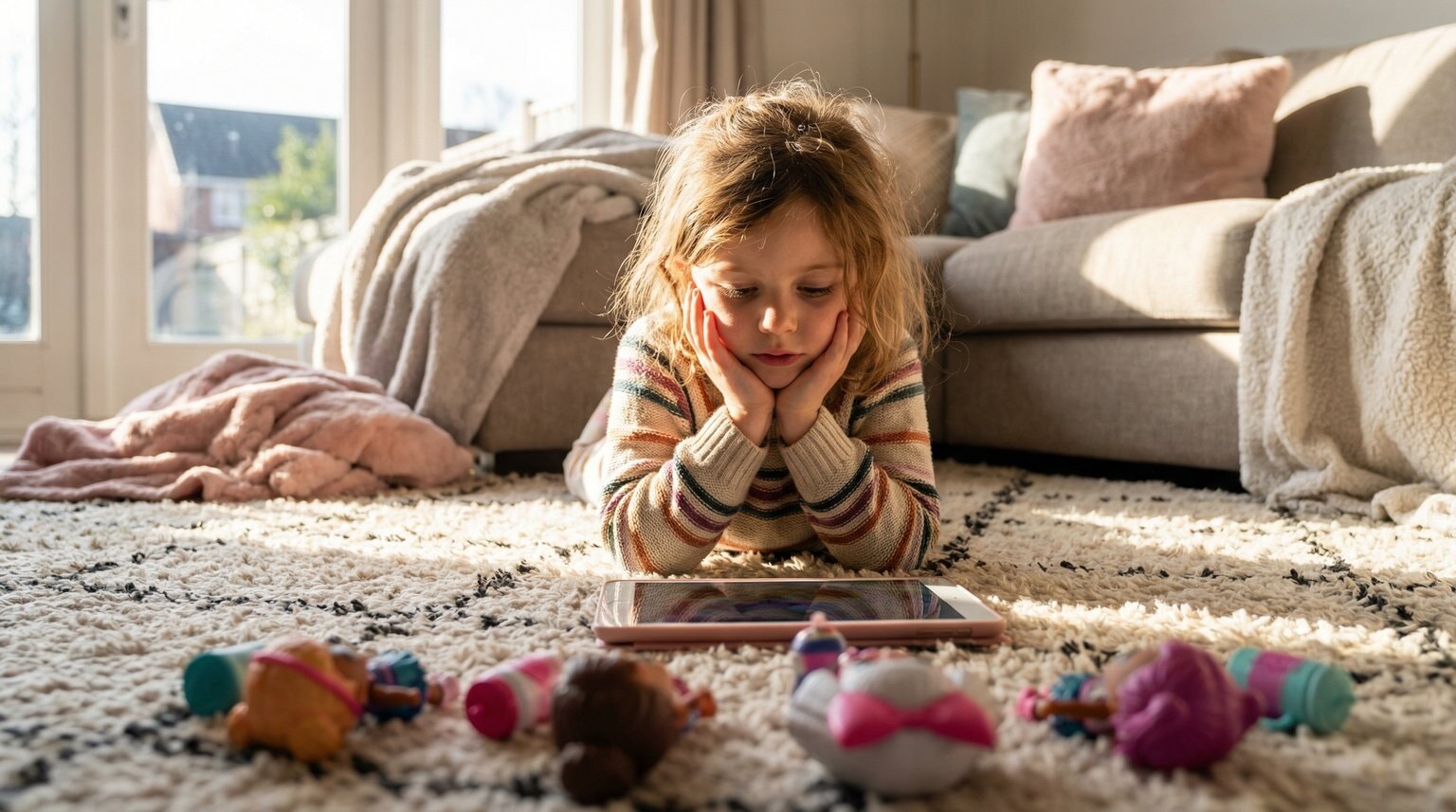
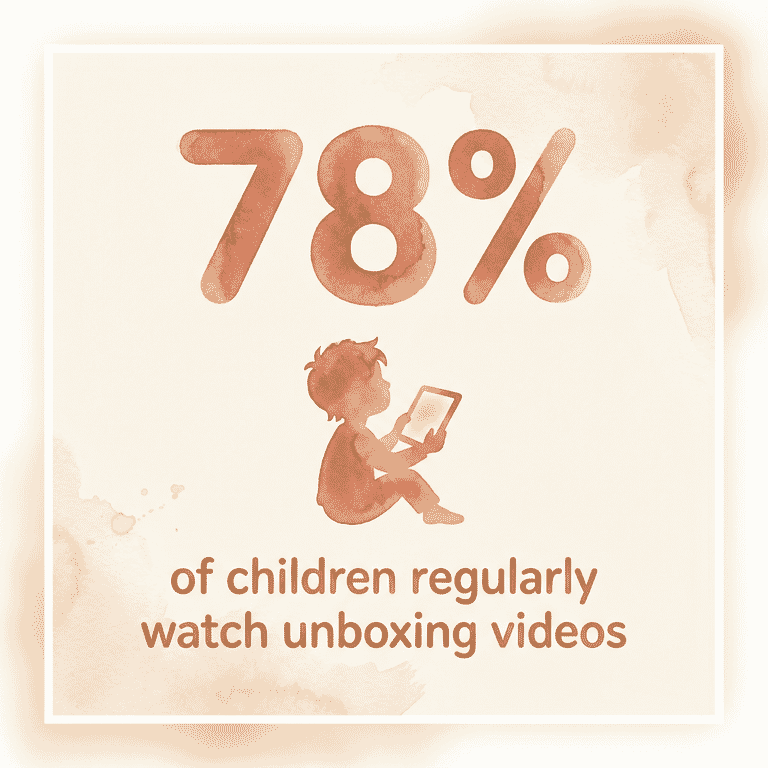
- 78% of children regularly watch unboxing videos, spending an average of 96 minutes daily on YouTube
- L.O.L. Surprise uses the same psychological mechanics as slot machines—intermittent reinforcement that keeps kids coming back
- Children lack the developmental ability to recognize unboxing videos as hidden advertising
- Sunk cost psychology drives repeat purchases more than any other factor
- The key isn’t banning these toys—it’s understanding the system so you can parent intentionally
The Numbers Behind the Obsession
Let’s start with the scale of what we’re dealing with. According to research compiled by marketing analysts, 78% of children watch unboxing videos. Not occasionally—regularly. Unboxing video views grew 57% in a single year, and by 2018, just two popular unboxing channels had accumulated 38.6 billion views combined.
A 2025 study published in the Journal of Business Research found that 63% of children globally use YouTube for approximately 96 minutes daily. That’s over eleven hours weekly spent on a platform where unboxing content dominates children’s recommendations.
Here’s the question that kept nagging at me: What makes this different from every other toy fad? Beanie Babies were collectible. Pokémon cards had mystery packs. Subscription boxes keep arriving monthly. But children didn’t spend hours watching strangers open those.
Something fundamentally shifted, and the research points to exactly what.
Inside the Surprise Machine
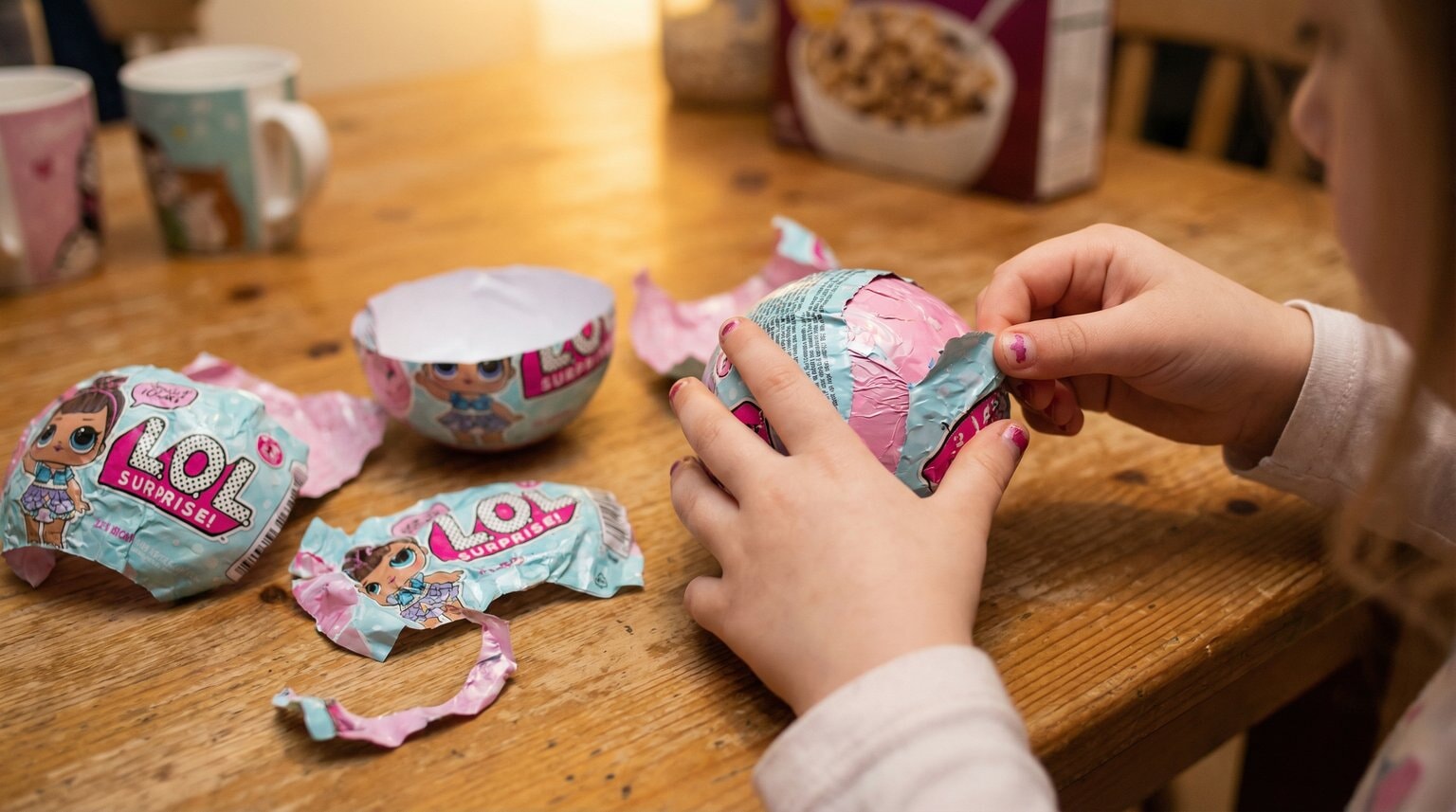
The psychology of L.O.L. Surprise isn’t accidental—it’s engineered. Each doll comes wrapped in seven layers of packaging. Not because the toy needs protection, but because each layer extends the anticipation window.
Texas A&M researchers identified the core mechanism: intermittent reinforcement. It’s “the same logic slot machines use,” they explain. Sometimes you win, sometimes you don’t—and that unpredictability creates a more powerful psychological pull than consistent rewards ever could.
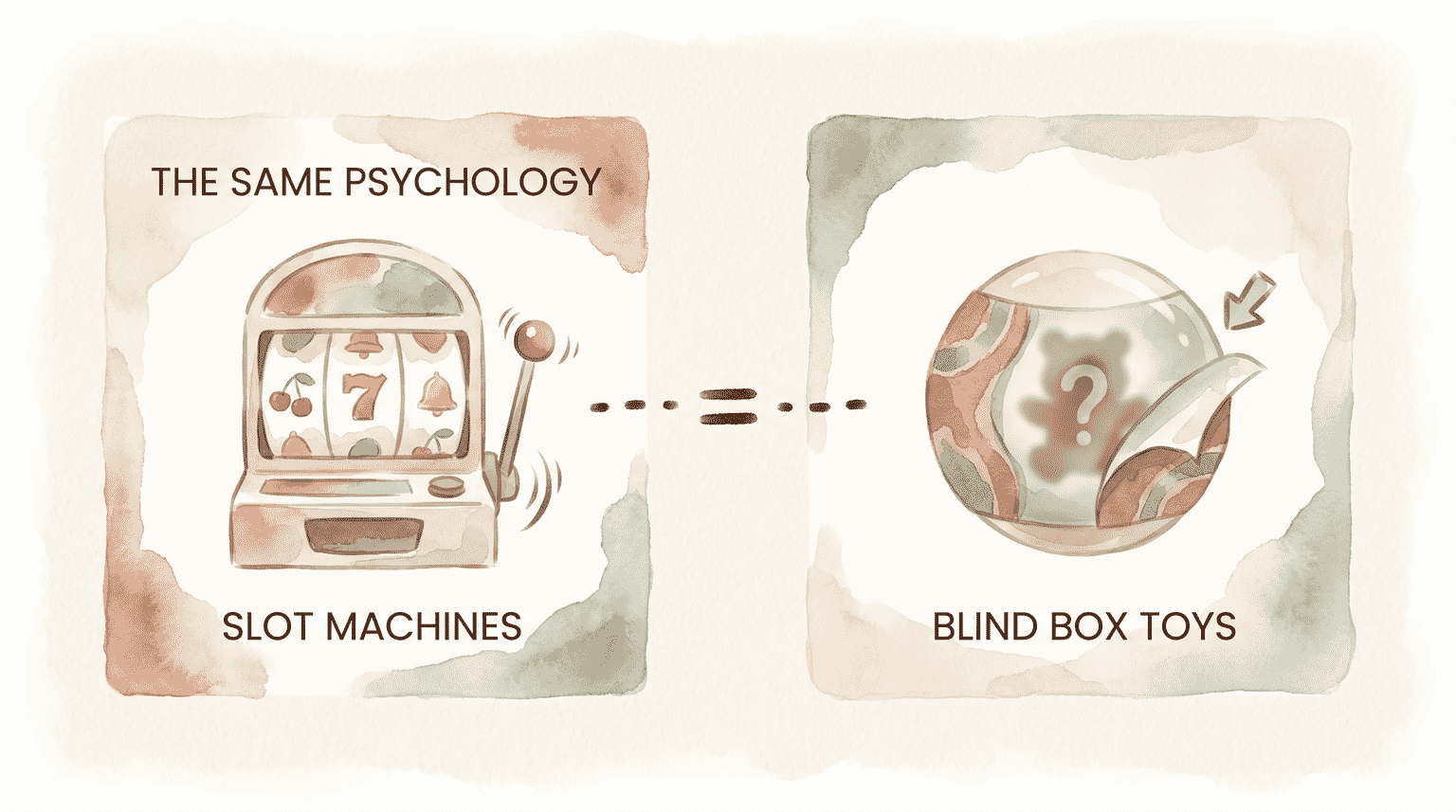
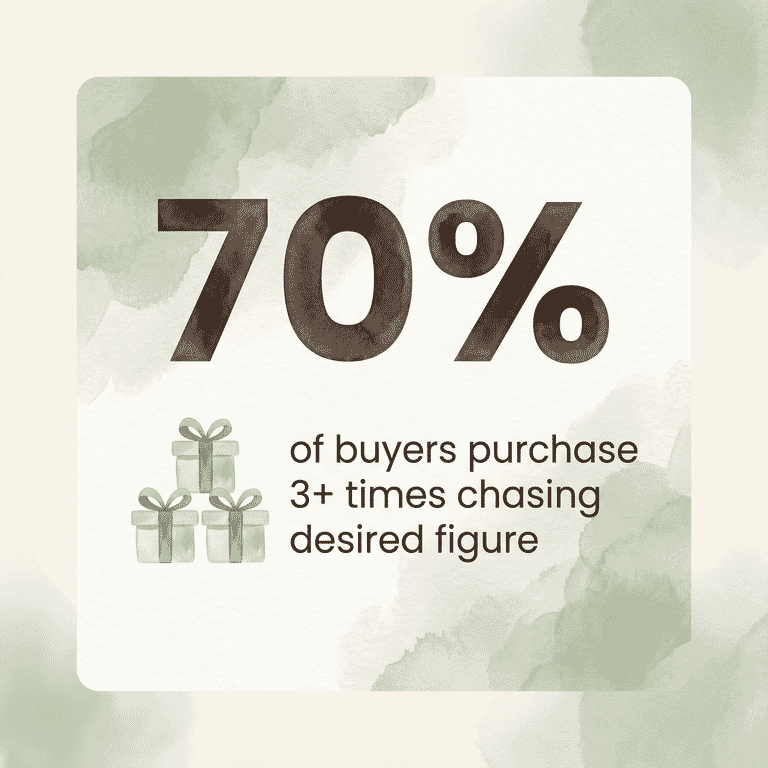
The numbers bear this out: 70% of blind box buyers purchase three or more times to get their desired figure. Nearly half spend over $70 annually. The business model doesn’t just tolerate repeat disappointment—it depends on it.
This psychology hasn’t faded—it’s exploded. The 2024-2025 Labubu craze proves the pattern persists: Pop Mart, the Chinese company behind these collectible blind box figures, doubled its revenue to $1.8 billion in 2024 and expects to hit $4 billion in 2025.
The hashtag #Labubu has over 1.6 million TikTok posts. (Compare to Ryan Kaji’s 2 million empire.)—mostly unboxing videos. The appeal isn’t slowing down. It’s accelerating.
Why Watch Instead of Unwrap?
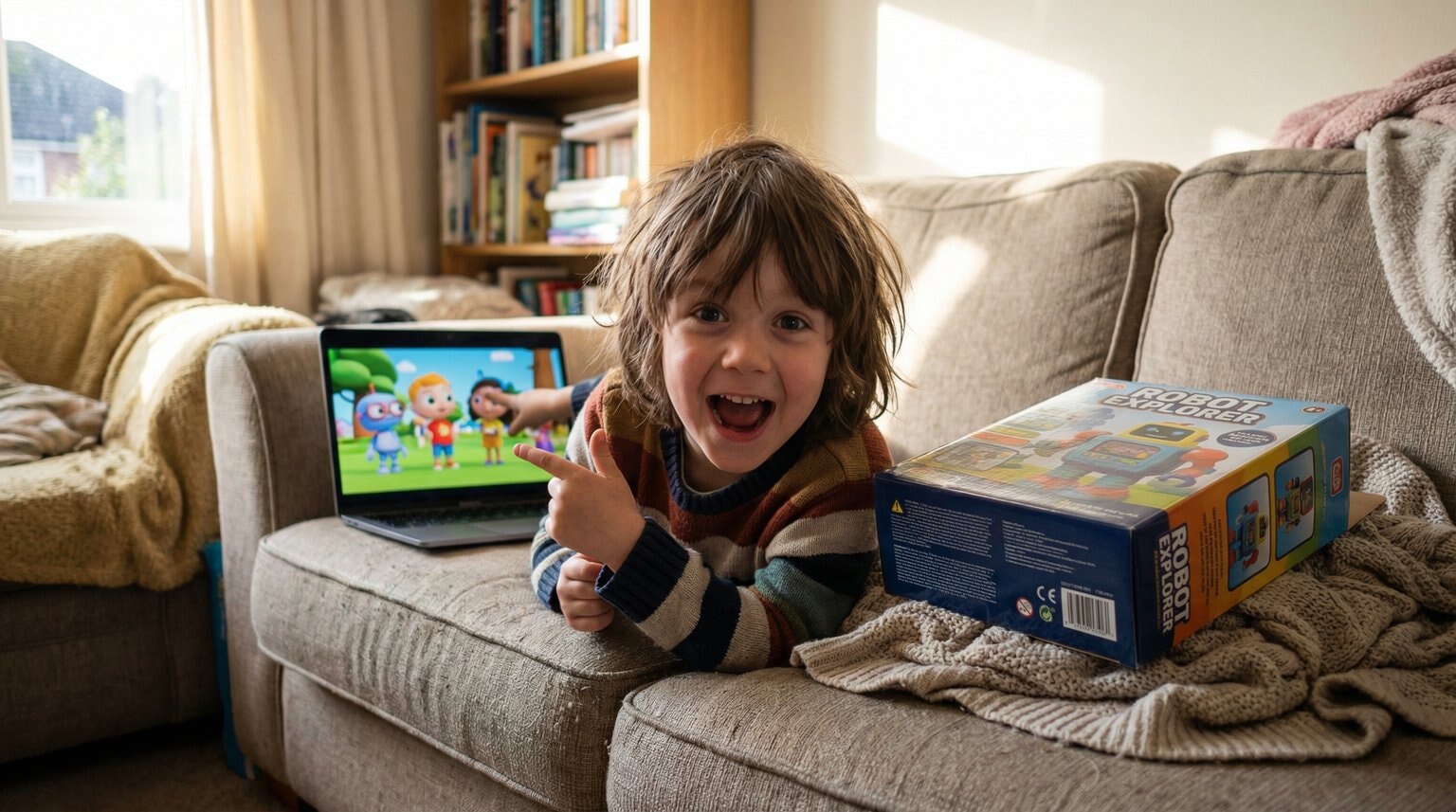
This is the paradox that puzzled me most. Why does my 6-year-old prefer watching a stranger on YouTube open L.O.L. dolls rather than opening one herself?
Research on children’s unboxing motivations—conducted by Treviño with kids ages 8-12—found four key drivers: curiosity, information-seeking, entertainment, and social influence. But there’s something deeper happening. Watching provides unlimited anticipation without the limitation of actual purchases. The emotional reward comes from the reveal itself. Ownership is secondary.
MNTN research describes it as the “present-opening jolt of excitement”—and children can experience that jolt over and over through video without anyone spending a dollar. The irony? This unlimited vicarious excitement actually increases the desire to purchase. Watching creates wanting. Wanting creates more watching.
When YouTube Designed a Toy
The origin story of L.O.L. Surprise reveals something important about why unboxing videos captivate children so thoroughly. MGA Entertainment founder Isaac Larian didn’t create L.O.L. Surprise and then market it through YouTube. He watched his daughter consume unboxing videos and reverse-engineered a toy from the content format.
In 2014, the channel DisneyCollectorBR—which featured toy unboxing videos—was the most profitable channel on all of YouTube. Not a tech reviewer. Not a celebrity. Someone unwrapping toys in their home.
Larian saw the future. L.O.L. Surprise launched in 2016 with its “candy-colored” dolls featuring “tremendous eyes” and that distinctive Russian nesting doll unwrapping experience. It became the best-selling toy in America by 2017.
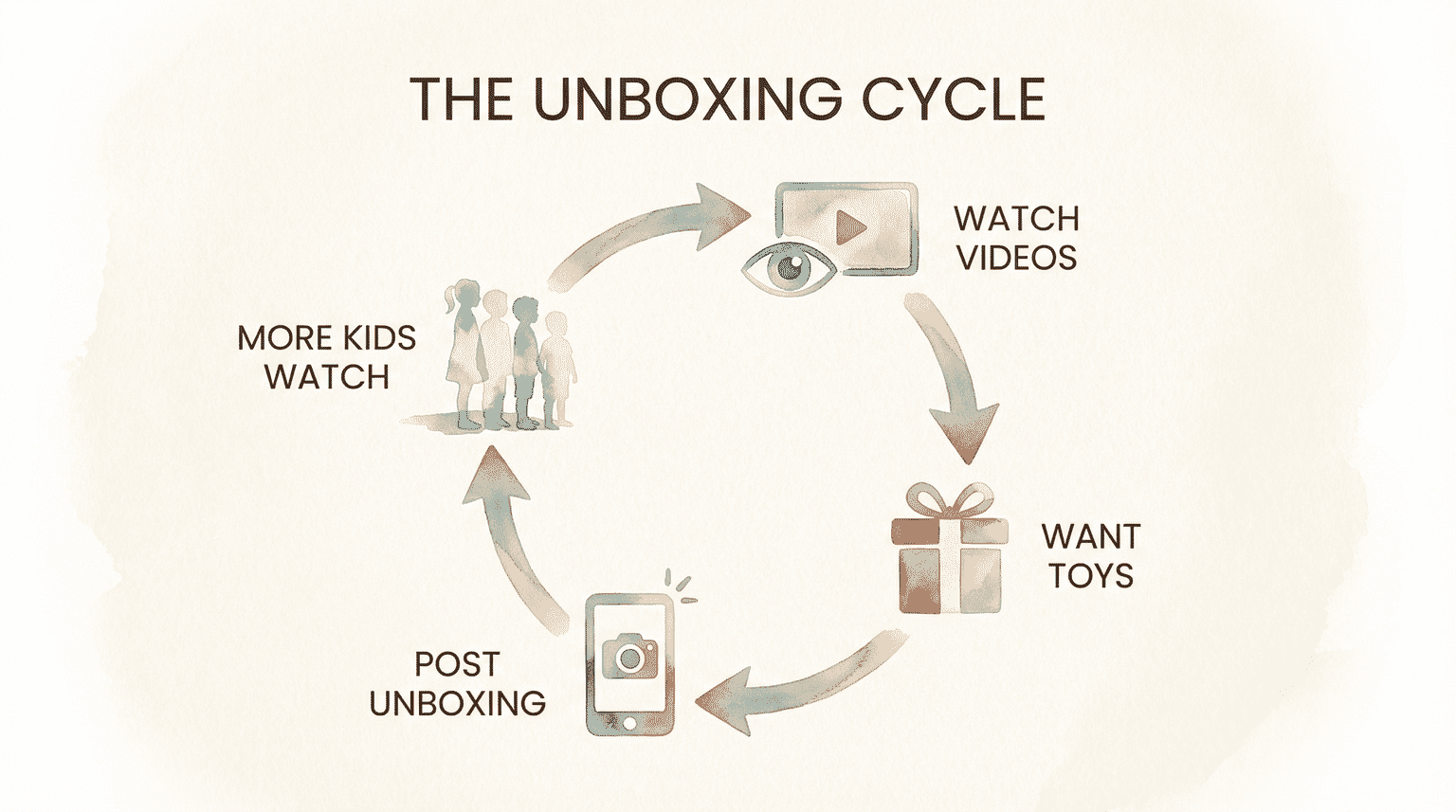
The feedback loop is self-sustaining: Children watch unboxing videos → ask for the toys → unbox and post their own videos → more children watch. The product isn’t advertised through YouTube—the product is YouTube content.
The Literacy Gap: What Children Don’t Understand
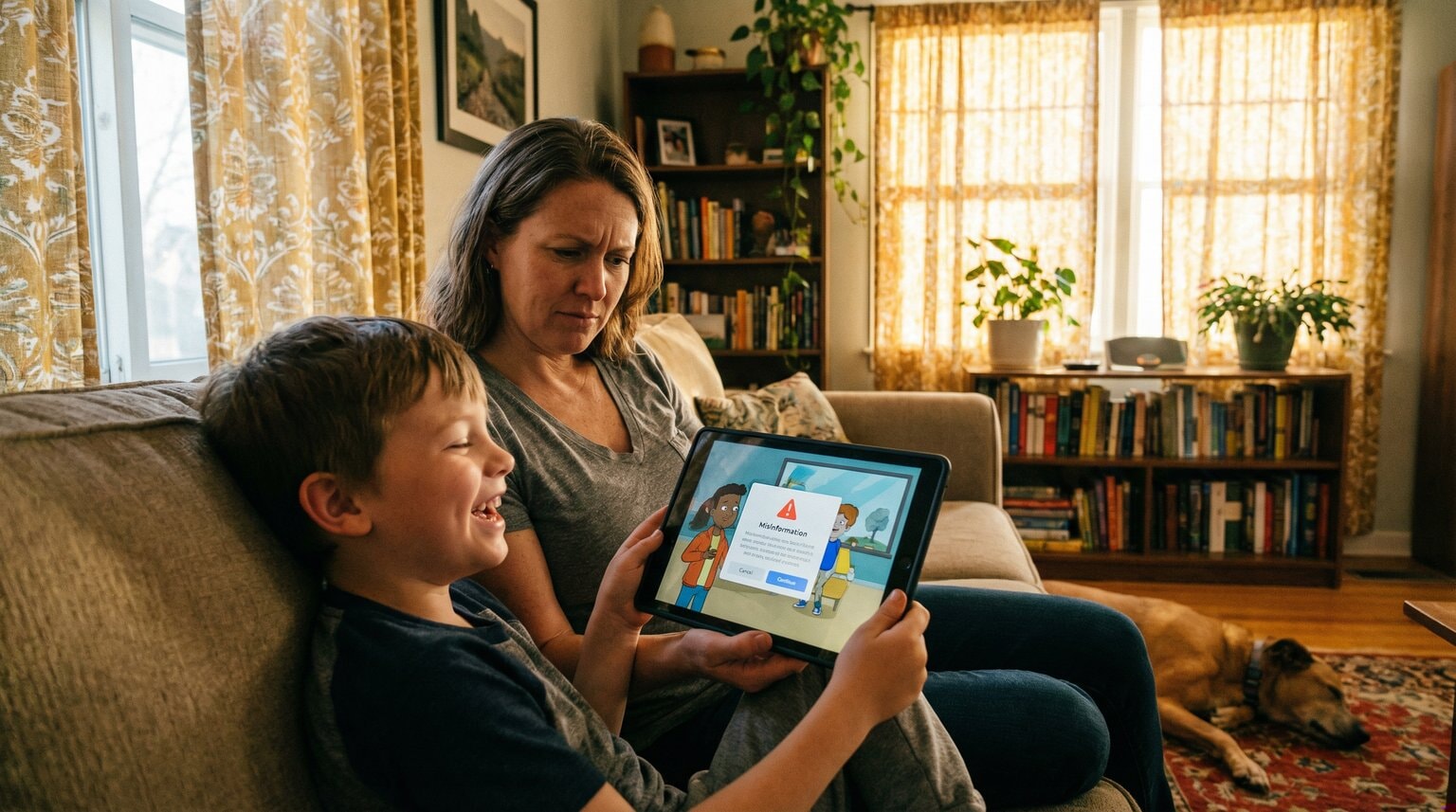
Here’s what concerns me most as both a researcher and a parent. The 2025 Journal of Business Research study found that children demonstrated “limited critical awareness of the commercial nature of influencer content” and “rarely questioned persuasive intent behind product endorsements.”
One 9-year-old participant named Giani offered a telling observation:
“She pretended she didn’t know, but I think she wanted to make the surprise more exciting… They somewhat prepare the things before filming the videos, but it doesn’t mean that everything is faked.”
— Giani, age 9, study participant
That’s partial understanding at best. Giani recognizes staging but still believes the emotional core is authentic. Most children don’t even get that far.
A 2024 study published in PMC analyzed 100 YouTube videos featuring children “playing” and found adults present in 79% of them—with 80% filmed in residential environments. This creates powerful authenticity signals. It looks like play. It feels like play.
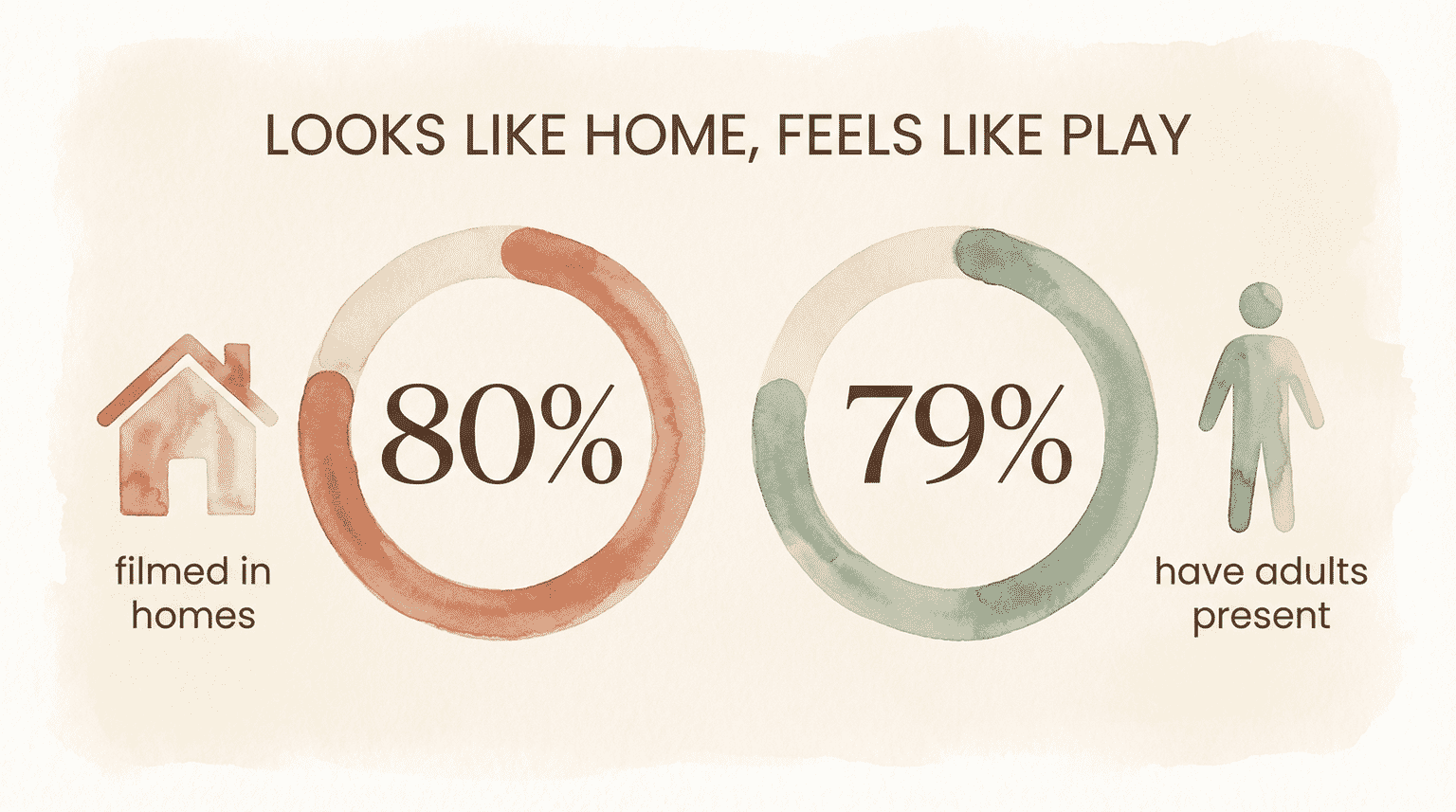
But as researcher Kuehl put it bluntly: “It is not play if you’re making money off it.”
The same study introduces the “4Cs classification” of digital risks for children: Content, Contact, Conduct, and Contract. Unboxing videos fall squarely under contract risks—where children become “party to and/or exploited by potentially harmful commercial interests.” Your child doesn’t know she’s watching advertising. The format is designed so she won’t.
The Sunk Cost Trap
Stephen Pasierb, Chief Executive of the Toy Industry Association, explained the appeal this way:
“Kids today want surprises. They live in a world where everything is online, they know what to expect anywhere they go, and so they crave the mystery of experimentation.”
— Stephen Pasierb, Chief Executive, Toy Industry Association
He’s not wrong. But understanding why the format appeals doesn’t explain why families keep buying after the initial novelty fades.
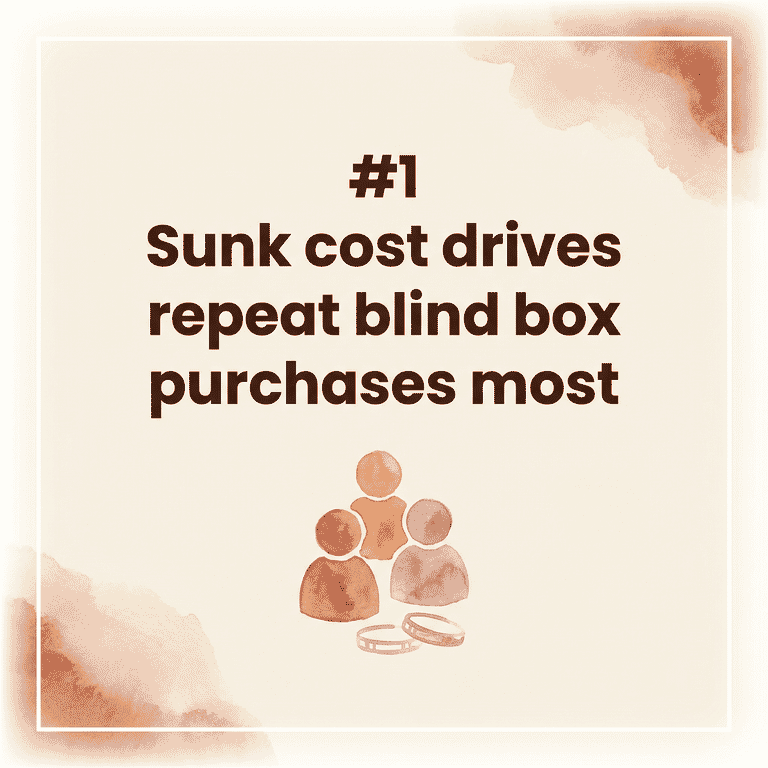
Research from Waseda Business School examined what keeps blind box purchasing going. Among three factors—fanism, sunk cost, and collector mentality—sunk cost had the most potent influence on continued purchasing behavior.
I’ve seen this in my own house. “I already have 15, I need the set.” The mathematics of disappointment are built into the business model.
If your child wants a specific rare doll and there are 20 possibilities per series, the expected spend before success becomes substantial. And every “failure” increases commitment to the next try.
Texas A&M researchers flagged a concerning finding: “Early exposure to gambling-like activities may heighten the risk of future behavioral addictions.” The blind box purchasing pattern—anticipation, variable reward, repeat attempt—structurally mirrors gambling even when the product itself is age-appropriate.
What This Means for Parents
Michael Rich, director of the Center on Media and Child Health at Boston Children’s Hospital, puts it starkly: Unboxing videos teach children “to want things. It feeds into the ‘give me’ culture.”
Here’s what makes this particularly challenging. The ability to anticipate future events develops around ages 4-5—precisely when unboxing appeal peaks. Your child’s brain is developmentally primed for exactly the kind of anticipation-reward sequence these products deliver.
I’m not suggesting you ban L.O.L. Surprise from your house. I have eight kids; I know how that battle goes. But understanding the system transforms reactive parenting into intentional parenting.
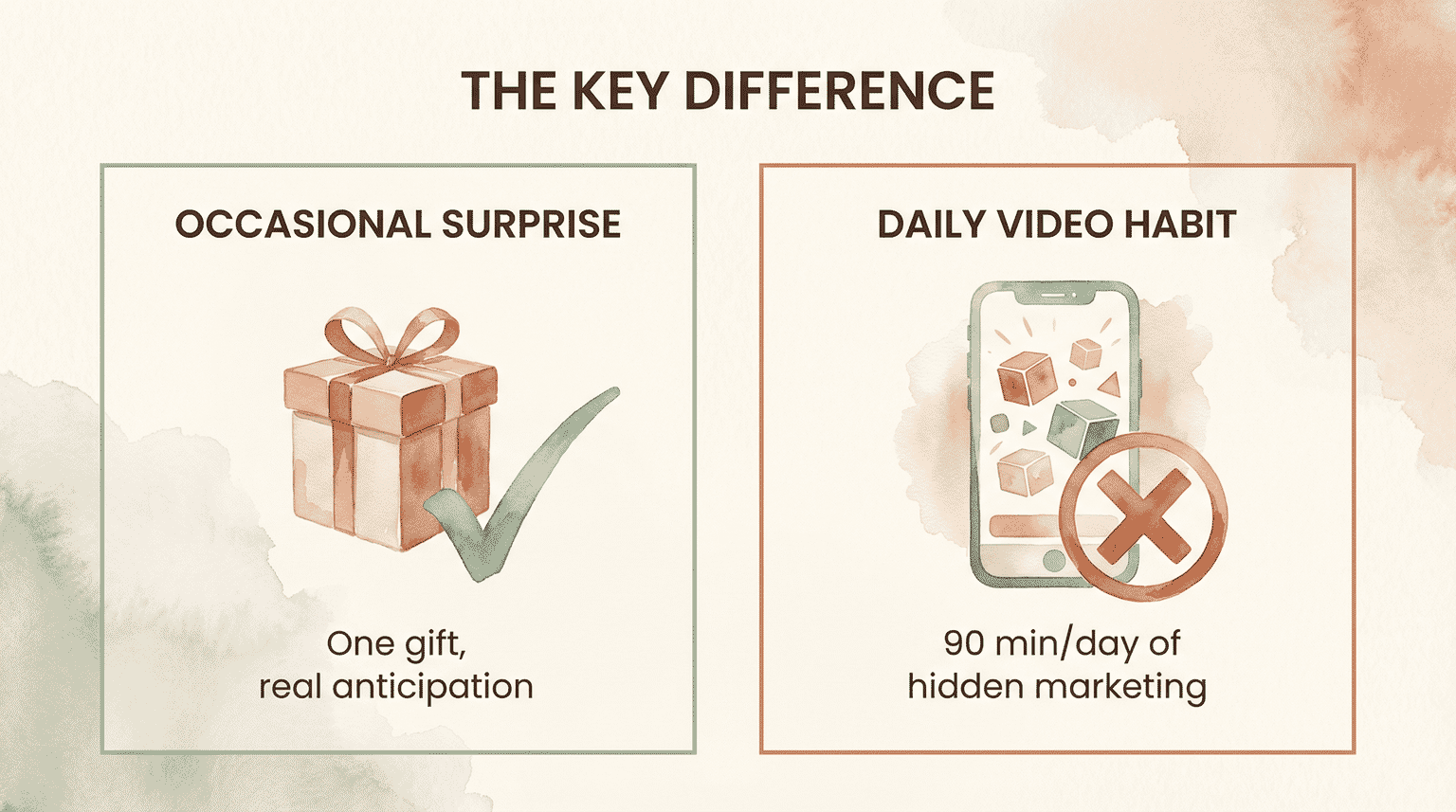
The distinction that matters: occasional surprise toy versus systematic exposure to commercial content disguised as play. One L.O.L. doll as a birthday gift is a toy. Ninety minutes daily watching strangers open L.O.L. dolls is something else entirely—something the research suggests children aren’t developmentally equipped to recognize as marketing.
If you’re looking for concrete strategies for managing your child’s toy YouTube consumption, the key isn’t elimination—it’s active co-viewing and conversation. Help your child develop the commercial literacy that doesn’t come naturally at these ages. Watch together sometimes. Ask what they notice. Point out when something feels like an advertisement.
The larger shift in how children experience digital gift culture is here to stay. But understanding the machinery behind it gives you something valuable: the ability to make conscious choices instead of just reacting to the next request.
Frequently Asked Questions
Why are unboxing videos so popular with kids?
Unboxing videos trigger the same psychological response as opening presents—anticipation followed by reward—without requiring purchase. Research shows children watch for curiosity, entertainment, and social influence. The format delivers the emotional experience of receiving gifts on demand.
Is L.O.L. Surprise like gambling for children?
The mechanics are similar. Texas A&M researchers identify intermittent reinforcement—the same mechanism behind slot machines—as the core appeal. Data shows 70% of blind box buyers purchase three or more times to get their desired figure, demonstrating the “just one more try” pattern.
Can children tell unboxing videos are ads?
Most cannot. Research found children showed “limited critical awareness of commercial content” and rarely questioned persuasive intent. Even children who recognized staging believed the core excitement was genuine.
How did L.O.L. Surprise become so successful?
Founder Isaac Larian observed his daughter watching unboxing videos and designed L.O.L. Surprise around the format itself. The seven-layer unwrapping experience mirrors YouTube unboxing pacing. The toy was engineered for content creation—turning buyers into advertisers.
What About You?
Has L.O.L. Surprise (or similar blind-bag toys) taken over your house? I’m curious whether the appeal lasted or whether it burned out—and how you handled the constant “I need more layers to unwrap” requests.
I read every reply and learn something new about unboxing psychology each time.
References
- Journal of Business Research – Research on children’s engagement with social media influencers
- PMC/NIH – Study on children’s rights and digital exploitation
- Texas A&M Real Estate Research Center – Analysis of blind box psychology and purchasing behavior
- Marketing Agent Blog – Compiled research on unboxing video psychology
- Visual Capitalist (2025) – Pop Mart Labubu revenue surge data

Share Your Thoughts