
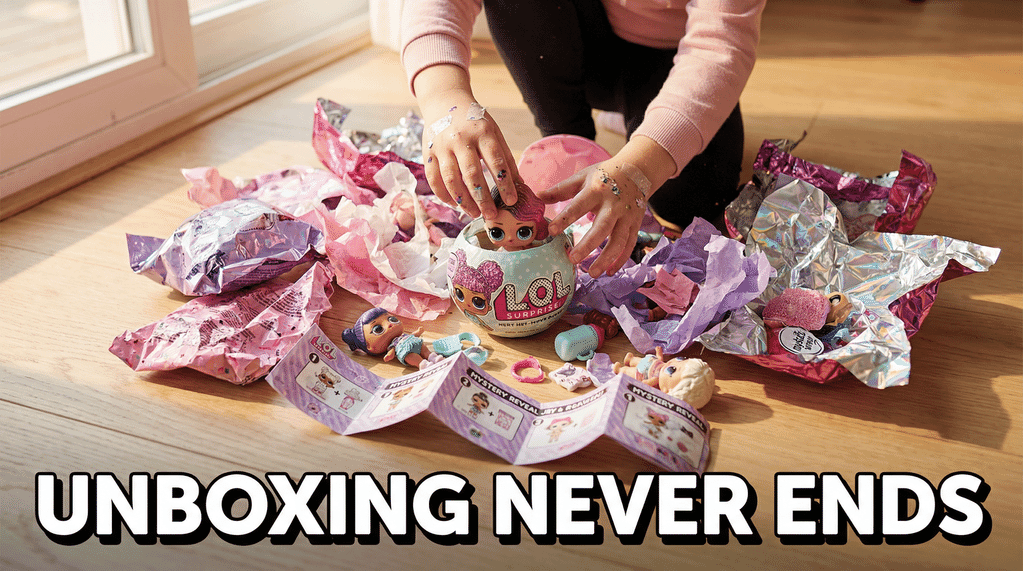
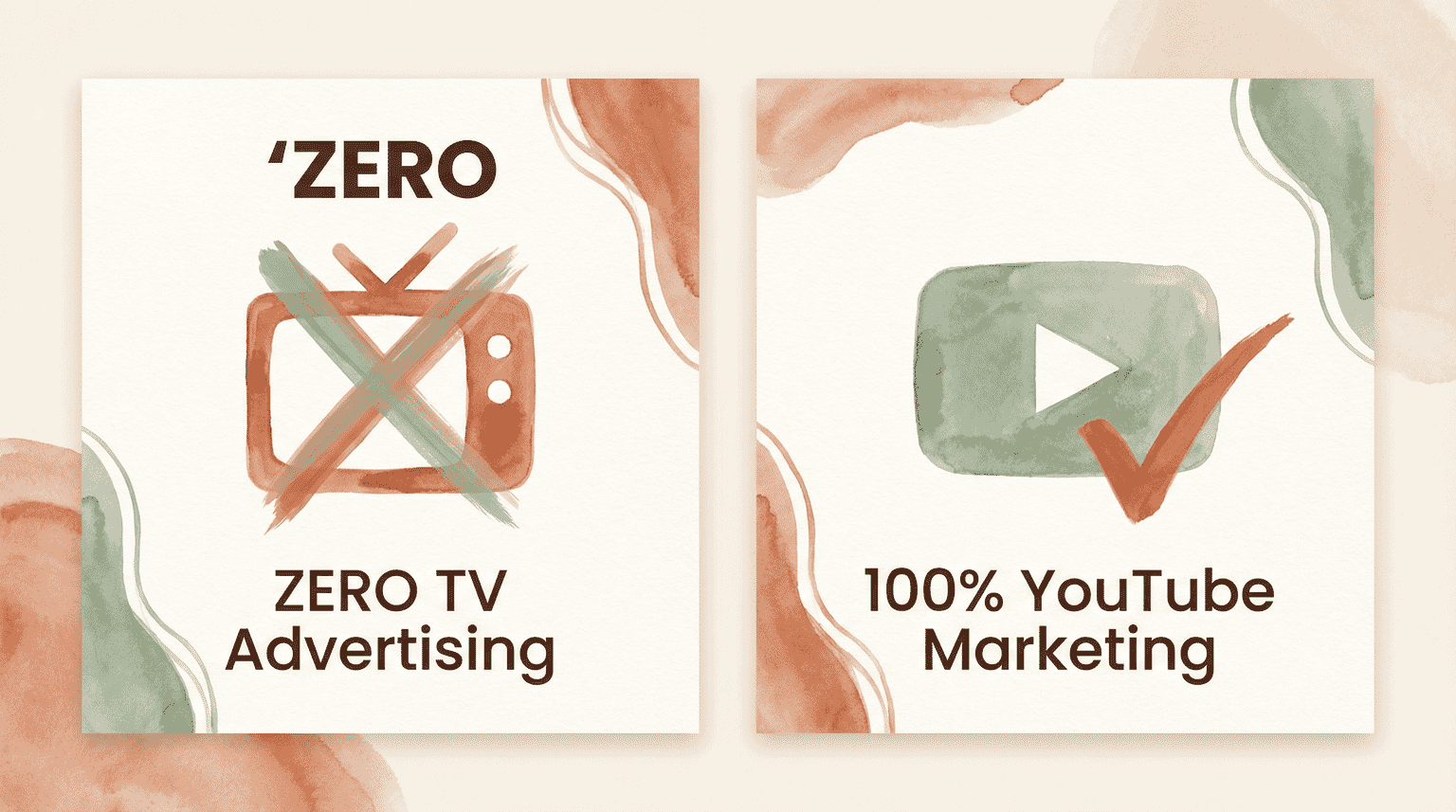
When L.O.L. Surprise launched in 2016, MGA Entertainment made a decision that seemed risky at the time: zero television advertising. Every marketing dollar went to YouTube instead.
Looking at the packaging now, it’s obvious why—this toy wasn’t designed to be played with. It was designed to be filmed.
Key Takeaways
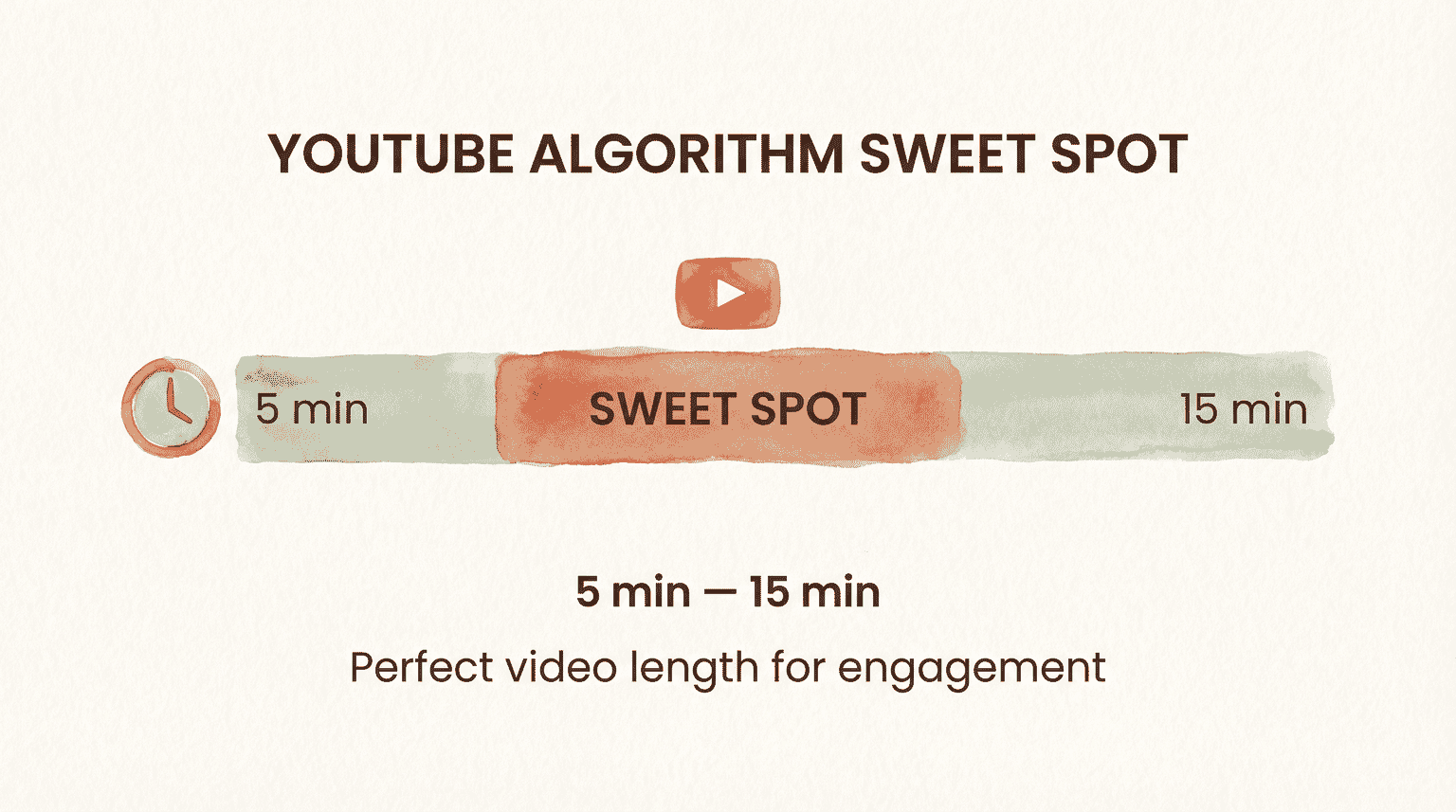
- L.O.L. Surprise’s 7-layer packaging was deliberately engineered for YouTube’s algorithm sweet spot of 5-15 minute videos
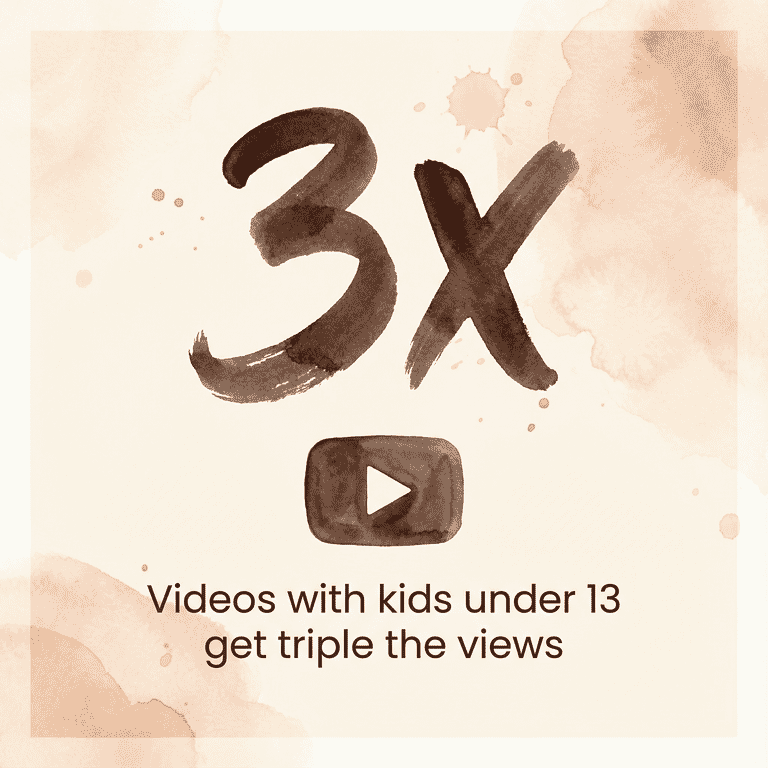
- Videos featuring children under 13 get three times more views than other content—making kid unboxing videos a marketing goldmine
- Understanding these design tactics helps parents have better conversations about what their children watch
The 5 Design Elements That Make It Work
My librarian brain couldn’t let this go without understanding exactly how they did it. Here’s what I found:
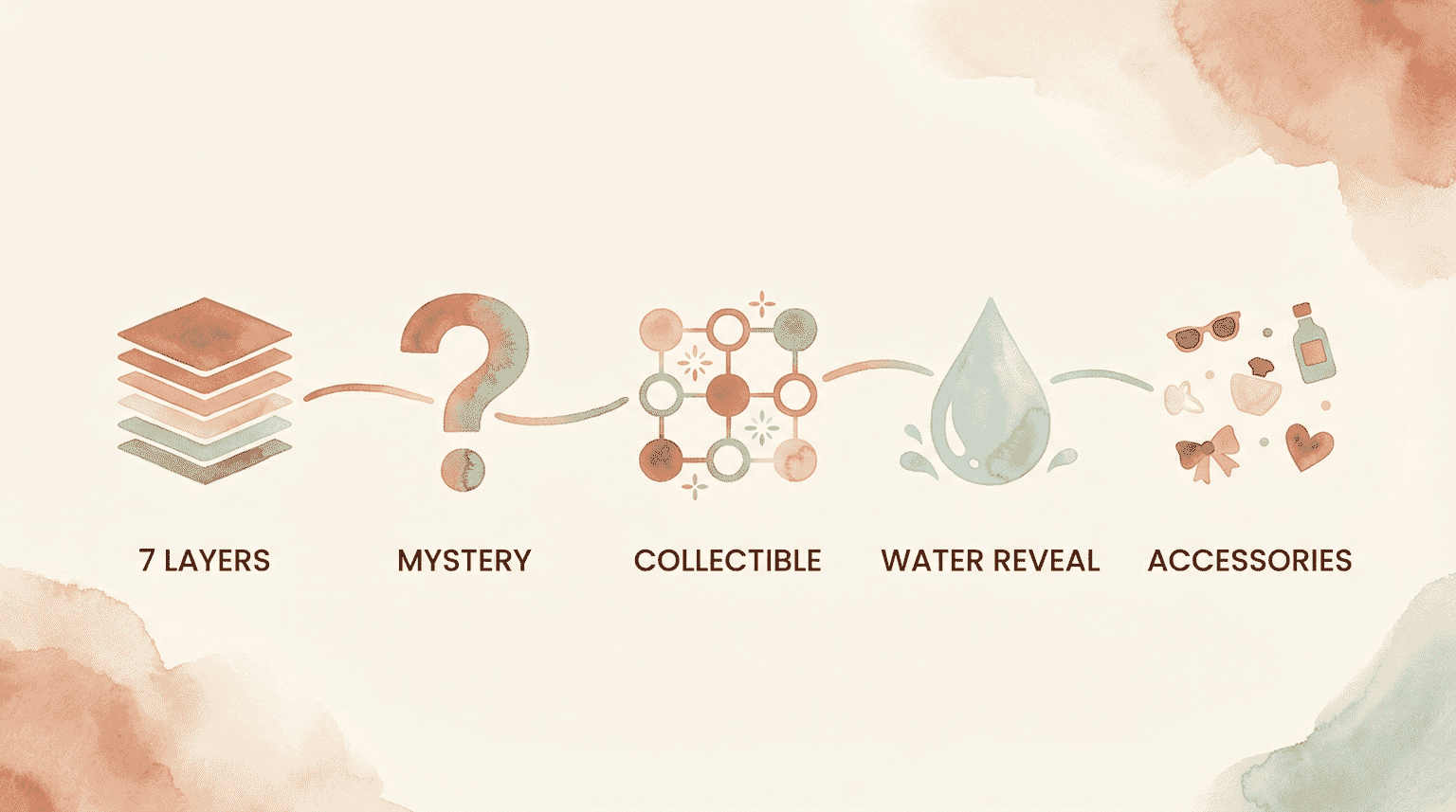
- 7 wrapping layers create 5-15 minutes of content per doll—the sweet spot for YouTube’s algorithm
- Mystery contents mean every single unboxing is unique, watchable content
- Collectible series drive “I need to see them all” viewing behavior
- Water-reveal features create that transformation moment viewers crave
- Accessory overload maximizes on-screen activity and extends watch time
Academic research confirms this wasn’t accidental. The packaging was deliberately “inspired by YouTube unboxing trends,” with multi-layer reveals specifically designed to “stimulate children’s curiosity through interactive verbal/visual language.”
It’s gift psychology engineered at an industrial scale.
Why This Strategy Was Genius
The numbers tell the story. Research from the University of Michigan found that videos featuring children under 13 get three times more views than other content.
A 2024 study in the Journal of Marketing Management explains why unboxing works psychologically: unlike traditional ads, “the influencer really does” enjoy the toys.
The excitement is genuine—even when it’s commercial.
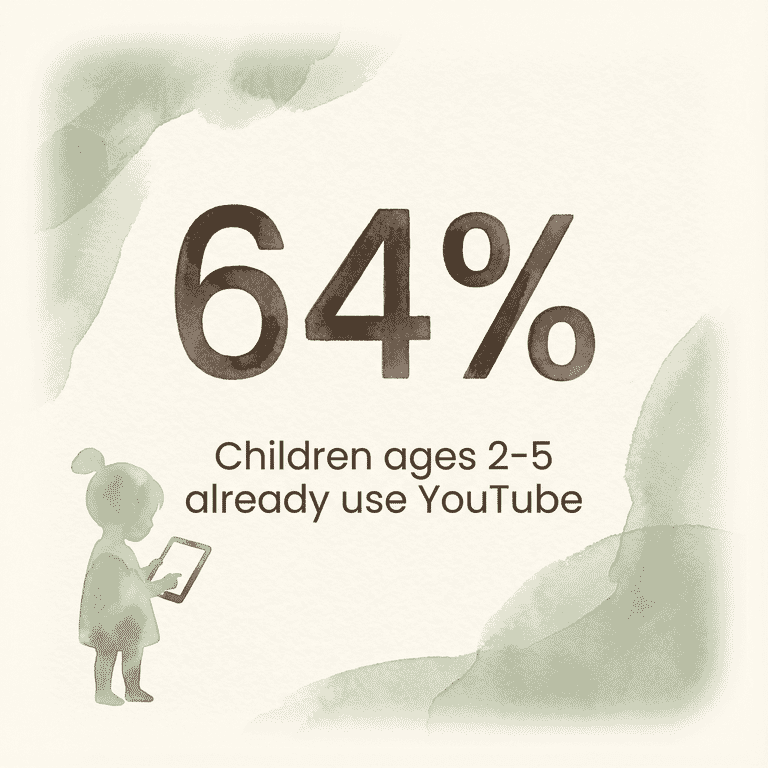
Meanwhile, research on children’s YouTube habits shows that 64% of children ages 2-5 already use the platform. And algorithms actively recommend videos with the highest engagement—exactly the content L.O.L. Surprise generates.
That’s not a coincidence. When nearly two-thirds of preschoolers are already on YouTube, designing toys specifically for that platform isn’t just smart—it’s inevitable.
The algorithm rewards exactly what L.O.L. Surprise delivers: extended watch time, high engagement, and content that kids want to watch again and again.
What This Means for Parents

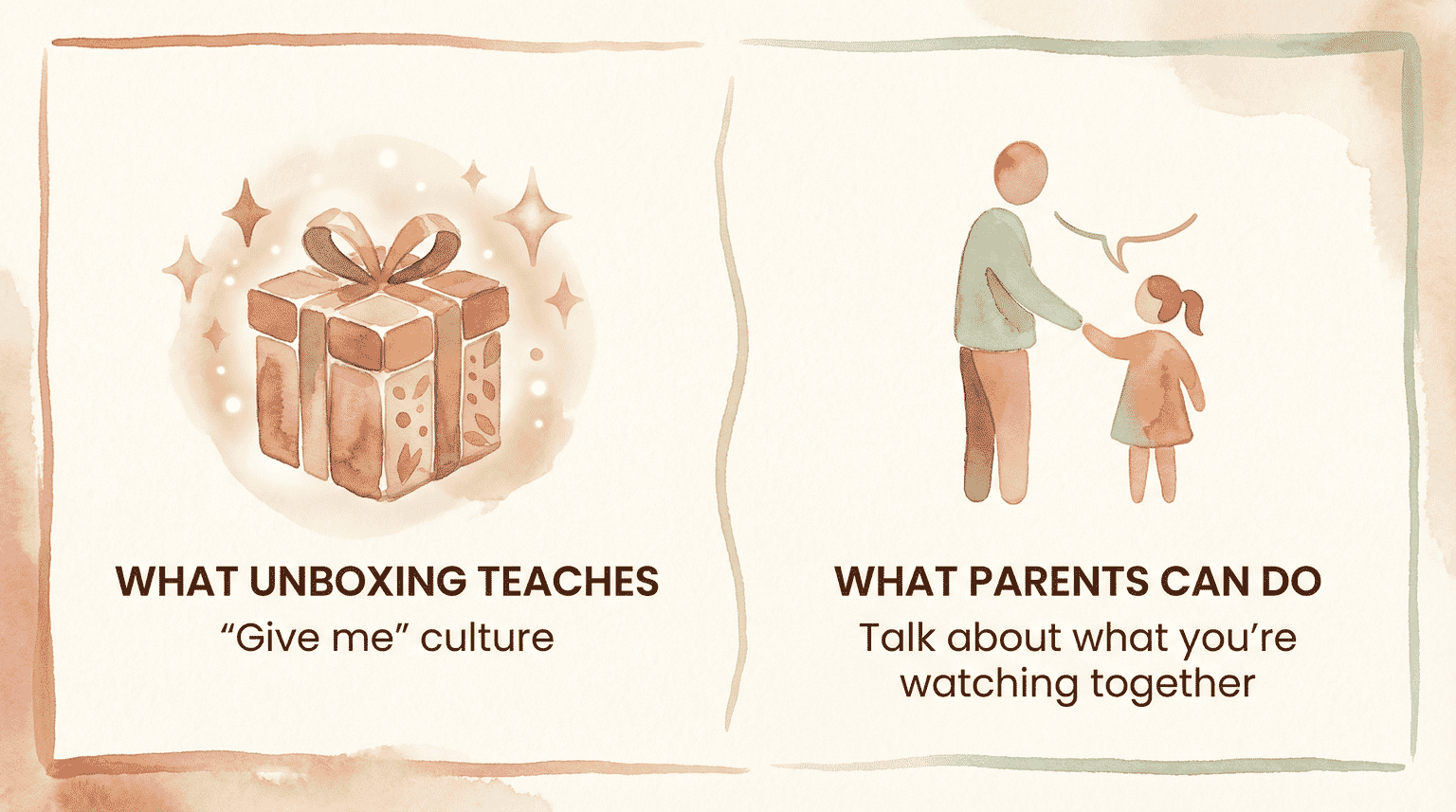
Understanding the design helps you have better conversations about what your child is watching.
“It teaches children to want things. It feeds into the ‘give me’ culture.”
— Michael Rich, Director, Center on Media and Child Health, Boston Children’s Hospital
That’s not a reason to panic—but it is a reason to understand how digital platforms shape what children want.
And if you’re curious about the full breakdown of L.O.L. Surprise’s pricing strategy, we’ve dug into that too.
Share Your Story
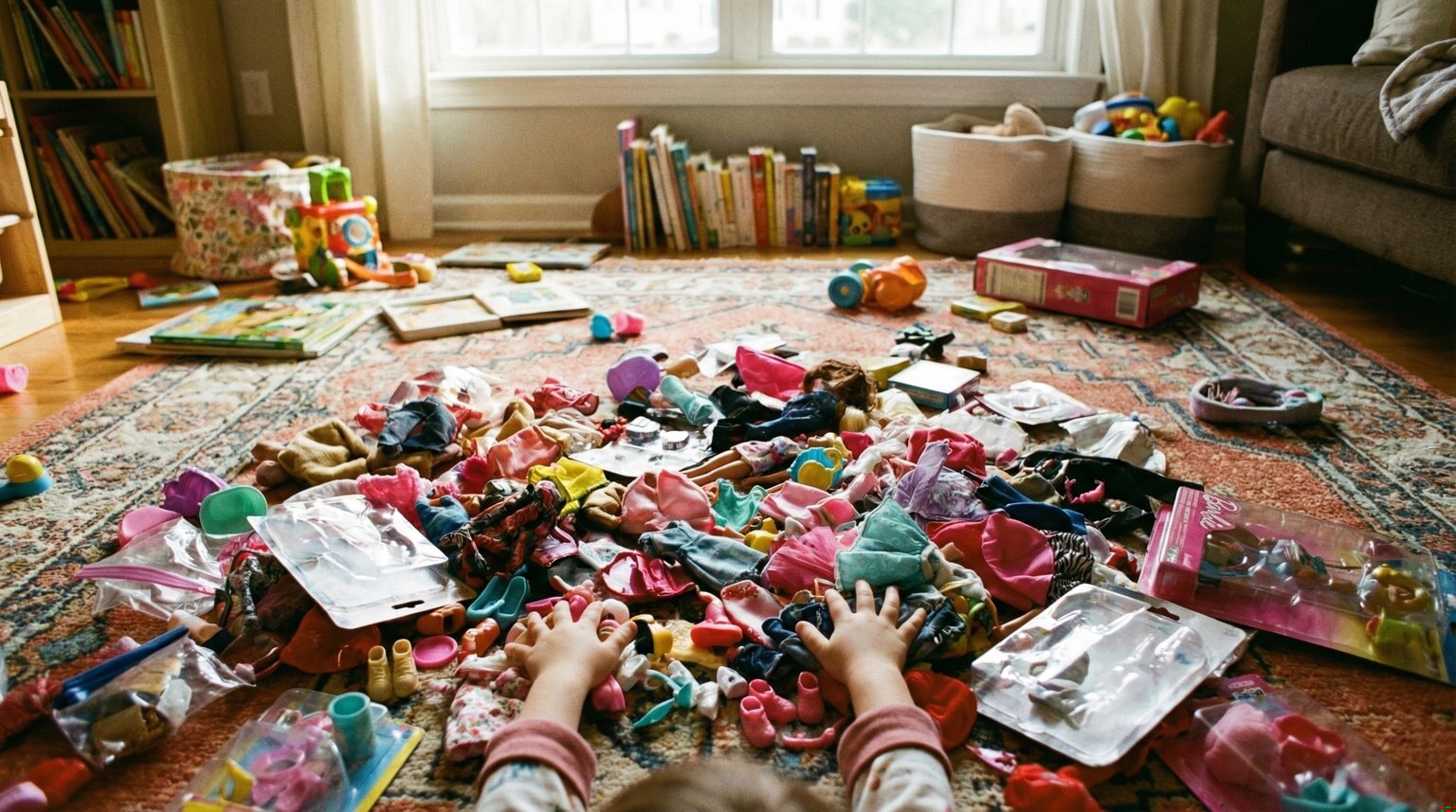
Has L.O.L. Surprise shown up at your house? I’m curious whether your kid discovered it through YouTube or somewhere else—and whether those seven unwrapping layers delivered the promised excitement.
Your unboxing stories help other parents decode the YouTube toy phenomenon.
References
- University of Michigan Journal of Law Reform (2023) – Research on child influencers and content viewership
- Journal of Marketing Management (2024) – Child influencer paradoxes and unboxing effectiveness
- Journal of Media Literacy Education (2022) – Children’s YouTube usage and algorithm design

Share Your Thoughts