

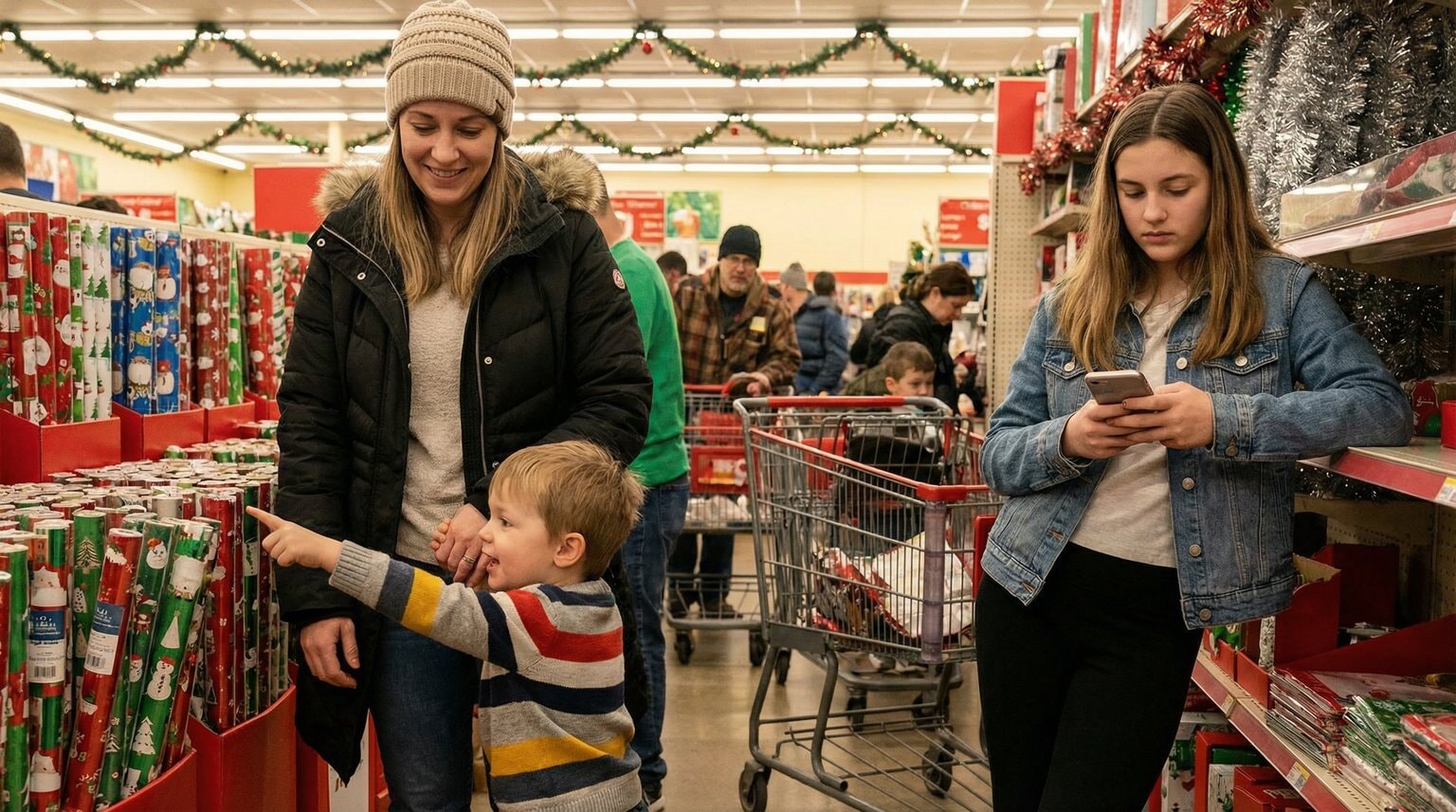
Standing in the gift wrap aisle last December, watching my 4-year-old vibrate with impatience while my 15-year-old sighed dramatically, I found myself wondering: are we doing this wrong?
Turns out, we might be doing it exactly right—just not on purpose.
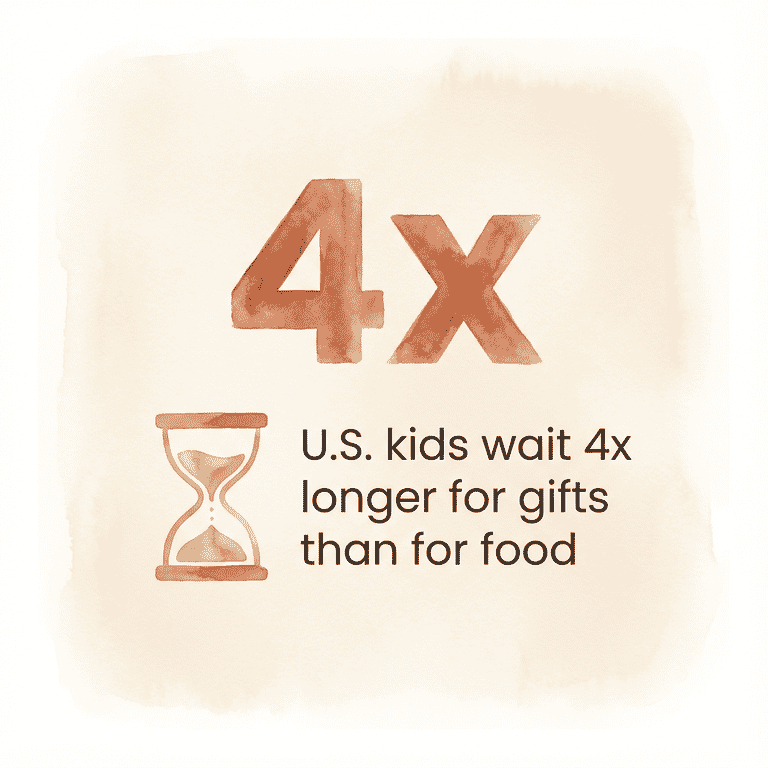
A 2022 UC Davis study found something fascinating: U.S. children wait nearly four times longer for gifts than for food, while Japanese children show the exact opposite pattern. The researchers concluded that our cultural gift-giving habits—all that anticipation we build around birthdays and holidays—are actually teaching our kids delayed gratification without us even realizing it.
Here’s what my librarian brain couldn’t let go: if our traditions are accidentally building patience, what could we accomplish by intentionally adopting traditions designed to teach specific skills?
This research reveals something surprising about how patience develops. It’s not about willpower or self-control lessons—it’s about the habits we build through everyday family rituals.
The anticipation we create around birthdays and holidays? That’s literally training our children’s brains to handle waiting. And some cultures have perfected this art over centuries.
I dug into the research and found gift-giving customs from around the world that do exactly that—build anticipation, teach thoughtfulness, encourage generosity, and strengthen relationships. These aren’t just charming cultural tidbits. They’re developmental tools wrapped in celebration.
Key Takeaways
- Cultural gift traditions accidentally teach kids patience—intentional traditions work even better
- The Dutch Sinterklaas poem tradition teaches children that thoughtful giving requires thinking about the recipient
- Research shows kids learn generosity best when it’s patterned into routines, not left to impulse
- Japanese reciprocity traditions teach that giving and receiving are ongoing conversations
- Start with one tradition that resonates, teach its cultural origins, and let it evolve into something uniquely yours
Traditions That Build Anticipation
The skill: Delayed gratification, patience, excitement management
That UC Davis study revealed something important about how children develop patience. As lead researcher Yuko Munakata explained:
“Delaying gratification is promoted by the strength of habits of waiting for rewards accumulated in an everyday context, not simply reflecting higher level processes that override temptations.”
— Yuko Munakata, Lead Researcher, UC Davis
Translation? Patience isn’t willpower—it’s habit. And these traditions build exactly that habit.
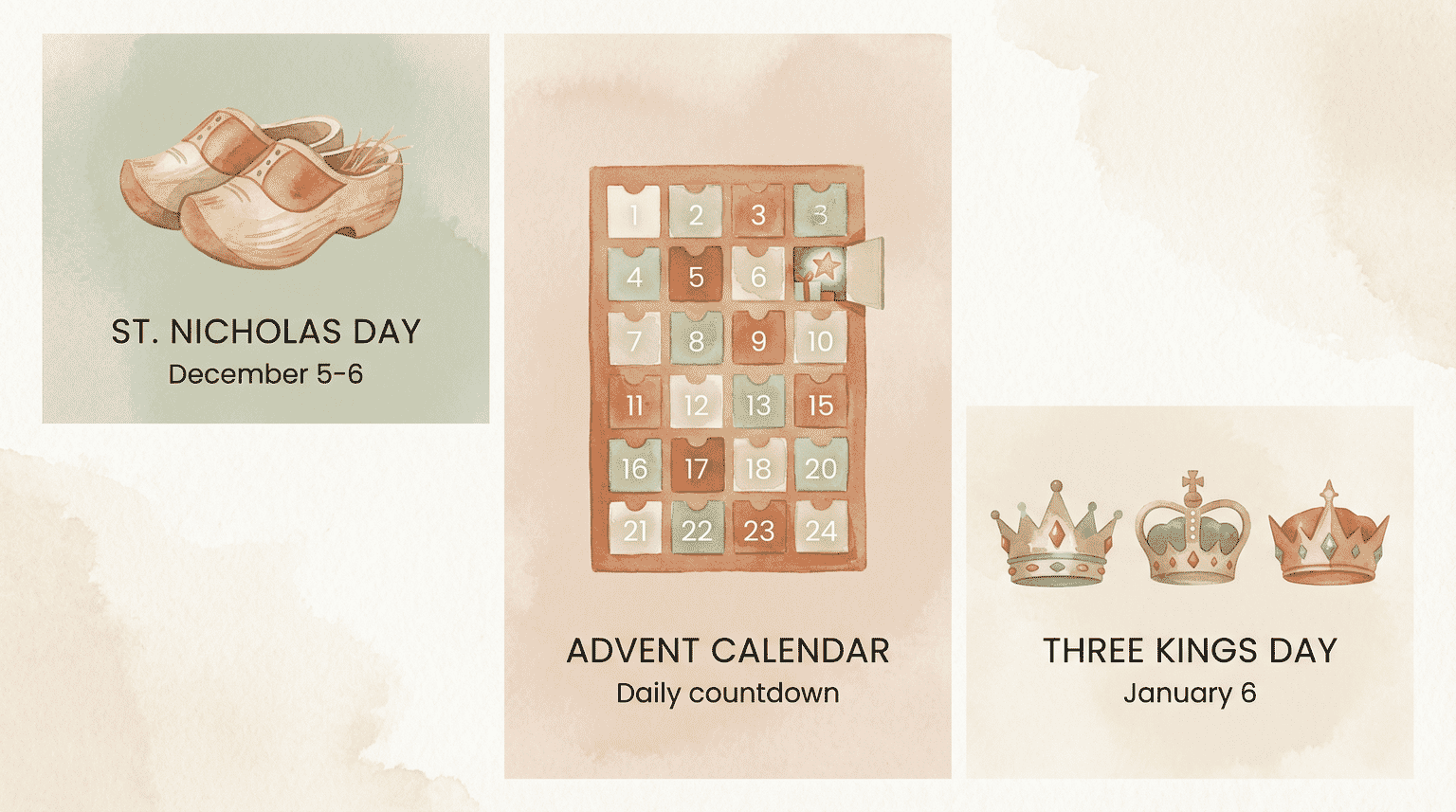
St. Nicholas Day (Netherlands & Germany, December 5-6)
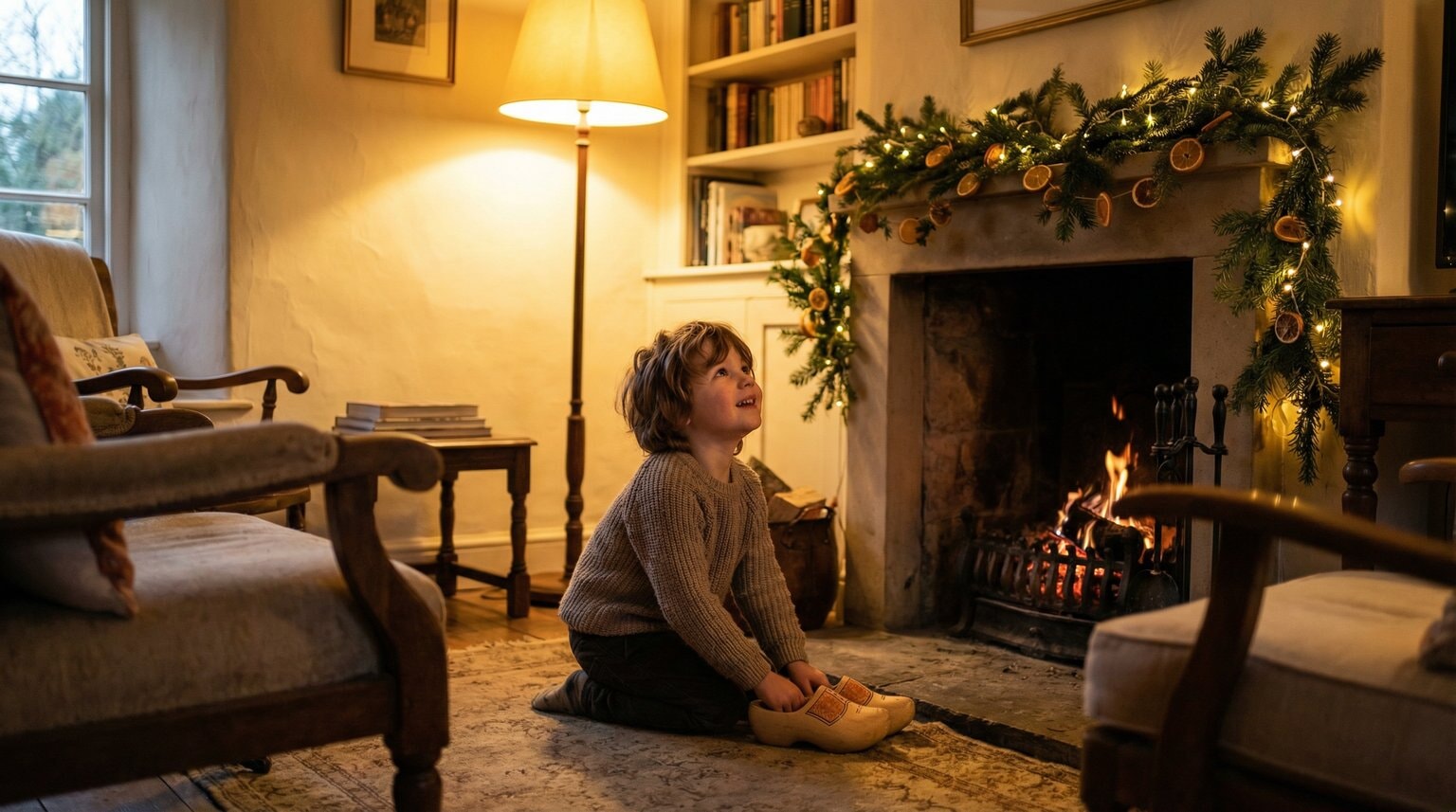
Children place shoes by the fireplace or door the night before, hoping for small treats and gifts. This creates a “preview” celebration that builds excitement toward the main holiday while rewarding waiting.
In my house, we started this when my oldest was 3, and I’ve watched all eight kids learn that good things come to those who wait—sometimes just a few weeks.
How to adopt this: Put out shoes on December 5th. Fill with small treats, chocolates, or tiny gifts. The simplicity is the point—it’s about the ritual of anticipation, not the size of the reward.
Advent Calendars (Germany)
The daily countdown with small reveals works beautifully for children 3 and up. Carnegie Mellon researchers documenting winter traditions note how German advent calendars have spread worldwide precisely because they structure anticipation so effectively—each small door teaches children to find joy in waiting.
How to adopt this: Start simple. Twenty-four small items or activities. My 6-year-old gets more excited about opening that tiny door each morning than about most of what’s actually inside.
Three Kings Day (Latin America & Spain, January 6)
This tradition extends the gift-giving season twelve days past Christmas, teaching children that celebration doesn’t have to be a single overwhelming moment. Children leave grass and water for the Wise Men’s camels and wake to find gifts on January 6th. (Here’s a simple family guide.)
How to adopt this: Save one special gift for January 6th. Explain the tradition. Watch your kids discover that anticipation can be stretched—and that waiting makes arrival sweeter.
Each of these traditions shares something powerful: they break anticipation into manageable, exciting pieces. Kids aren’t just waiting—they’re practicing waiting, over and over, in ways that feel like celebration rather than deprivation.
Traditions That Teach Thoughtful Giving
The skill: Perspective-taking, effort over expense, personalization
The Sinterklaas Poem Tradition (Netherlands)
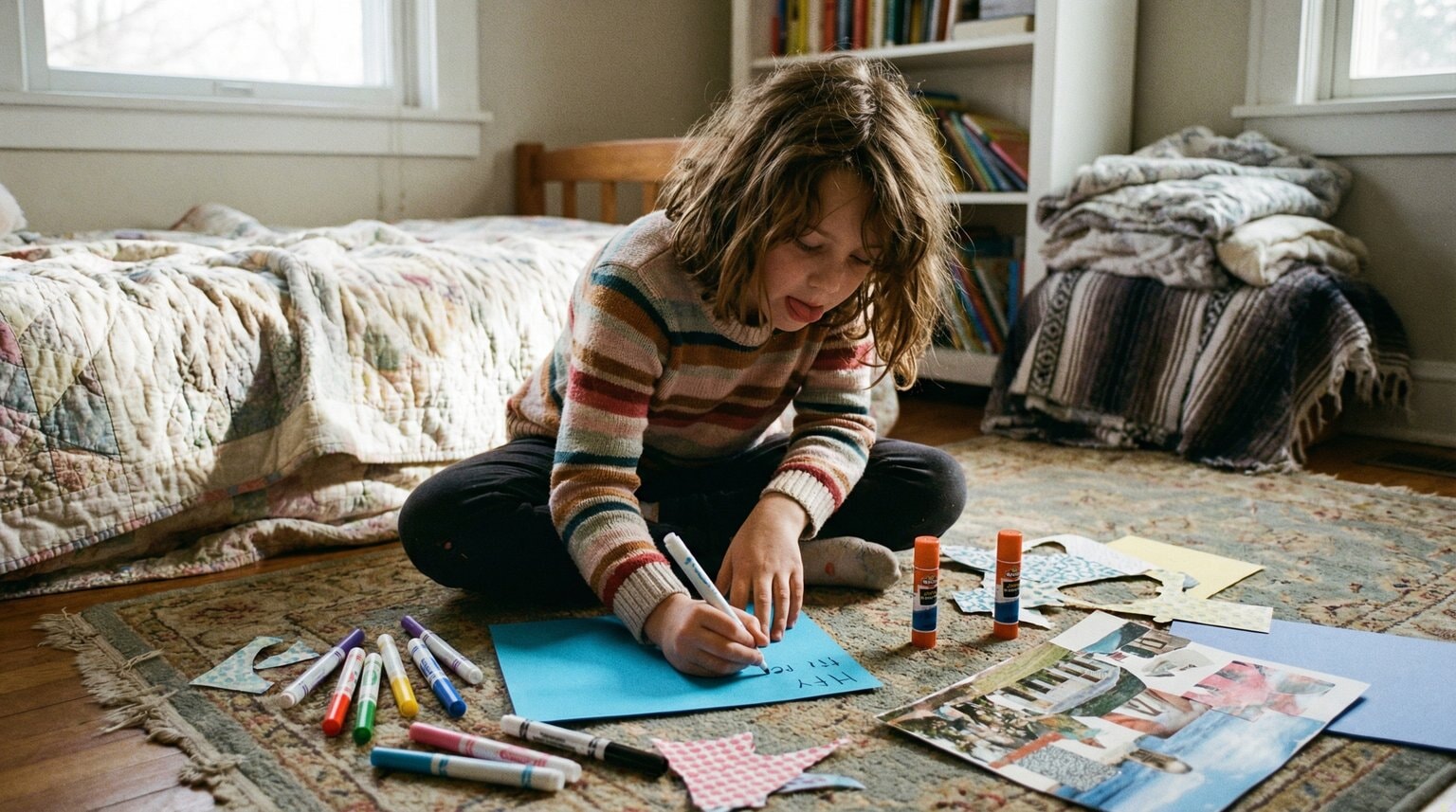
This one genuinely changed how we do gift exchanges. Families draw names, then create personalized gifts based on knowing the recipient—but here’s the key: they hide the gift and write a poem with clues about its location.
The poem tradition teaches something profound: giving well requires thinking about the other person. What would delight them? What clues would they find funny? Where would be a surprising hiding spot?
I’ve watched my 10-year-old spend more time crafting a silly rhyme about her sister’s love of unicorns than she ever spent picking out a store-bought gift. That’s the point.
How to adopt this: Perfect for family gift exchanges with children 6 and up (younger kids can help hide gifts and dictate poem ideas). The poem doesn’t need to be Shakespeare—it needs to show you noticed the person.
Japanese Gift Wrapping (Tsutsumi)
In Japanese gift culture, presentation isn’t just nice—it’s meaningful. A 2025 cross-cultural study found that Japanese participants felt unwrapped gifts seemed “indifferent” and even “worrying.”
“Receiving an unwrapped gift feels a bit indifferent. It might even make me worried. I’ve never received a gift that wasn’t wrapped.”
— Study Participant, Cross-Cultural Gift Research, 2025
The wrapping is part of the gift. It communicates that you cared enough to present something beautifully.
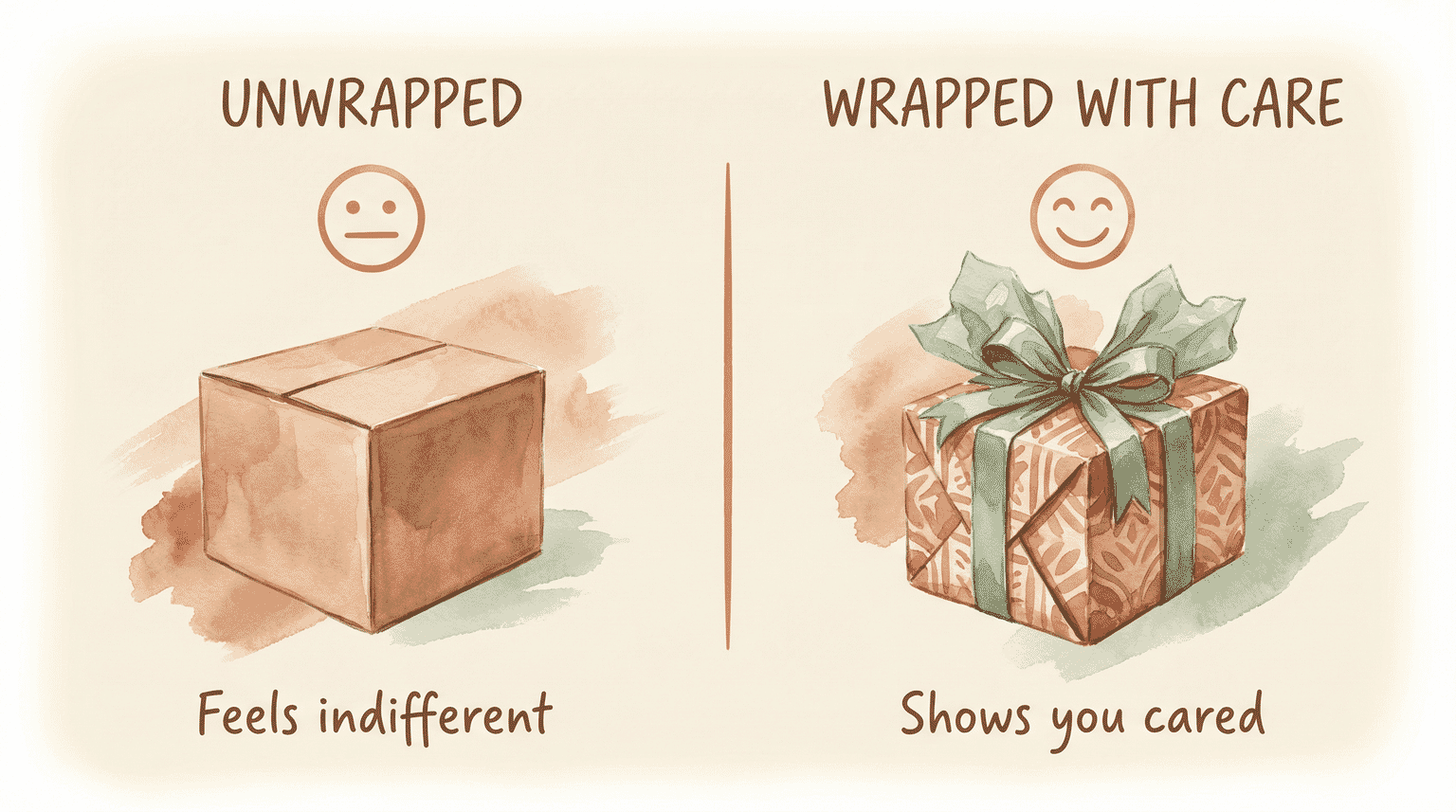
How to adopt this: Teach children that how we give matters as much as what we give. Let them wrap gifts themselves—messily at first, then with growing care. The process teaches that effort is a form of love.
Hanukkah’s Eight Nights
Eight nights of gifts might sound excessive, but here’s what makes it developmentally interesting: it’s an opportunity for eight small, meaningful gifts that reflect knowing the recipient, rather than one large splurge.
This structure naturally teaches that thoughtfulness matters more than expense. When you have eight chances, you start thinking: What would make Tuesday night special? What would surprise her on night six?
How to adopt this: Even if you don’t celebrate Hanukkah, consider spreading gifts across multiple moments. Several small, personalized items teach more about thoughtful giving than one impressive package.
Traditions That Emphasize Generosity Beyond Family
The skill: Outward-focused giving, awareness of others’ needs
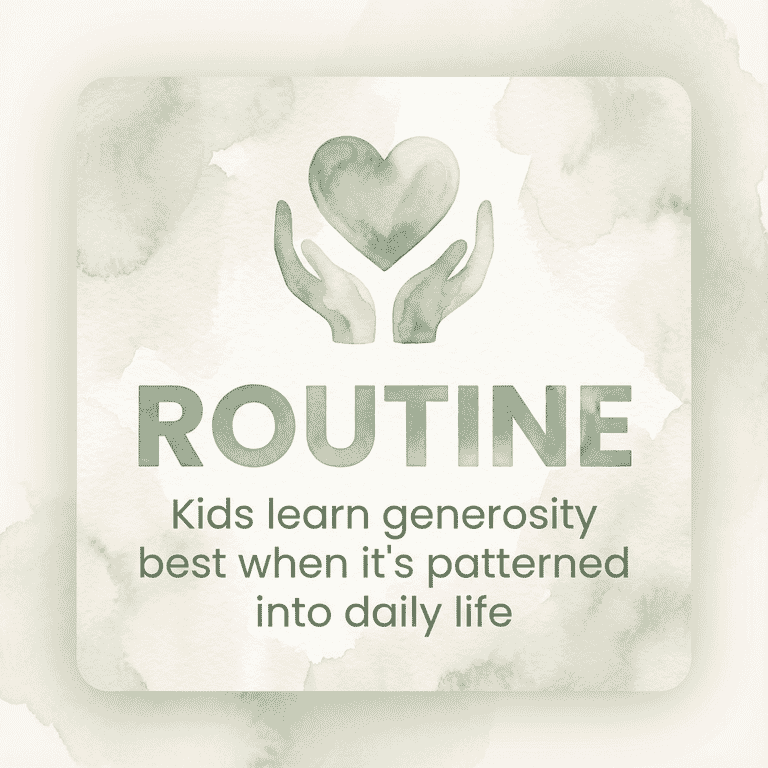
Research from Indiana University’s Lilly Family School of Philanthropy shows that children learn generosity best when it’s “patterned into their routines.”
“Research repeatedly shows that the best way young people learn to give is by being told it is good to do and then having it patterned into their routines as we do with everything else that matters.”
— Patricia Snell Herzog, Indiana University Philanthropy Researcher
She makes a compelling point: we don’t hesitate to drill ABCs or math facts into our kids. But when it comes to generosity, we somehow expect it to develop spontaneously. These traditions make giving as automatic as brushing teeth.
The research is clear: routine beats intention every time. Kids who grow up with regular giving practices don’t have to decide whether to be generous—it’s simply what they do.
This isn’t about making giving feel like homework. It’s about weaving generosity so deeply into family life that it becomes as natural as setting the table or saying goodnight.
Diwali Traditions (India)
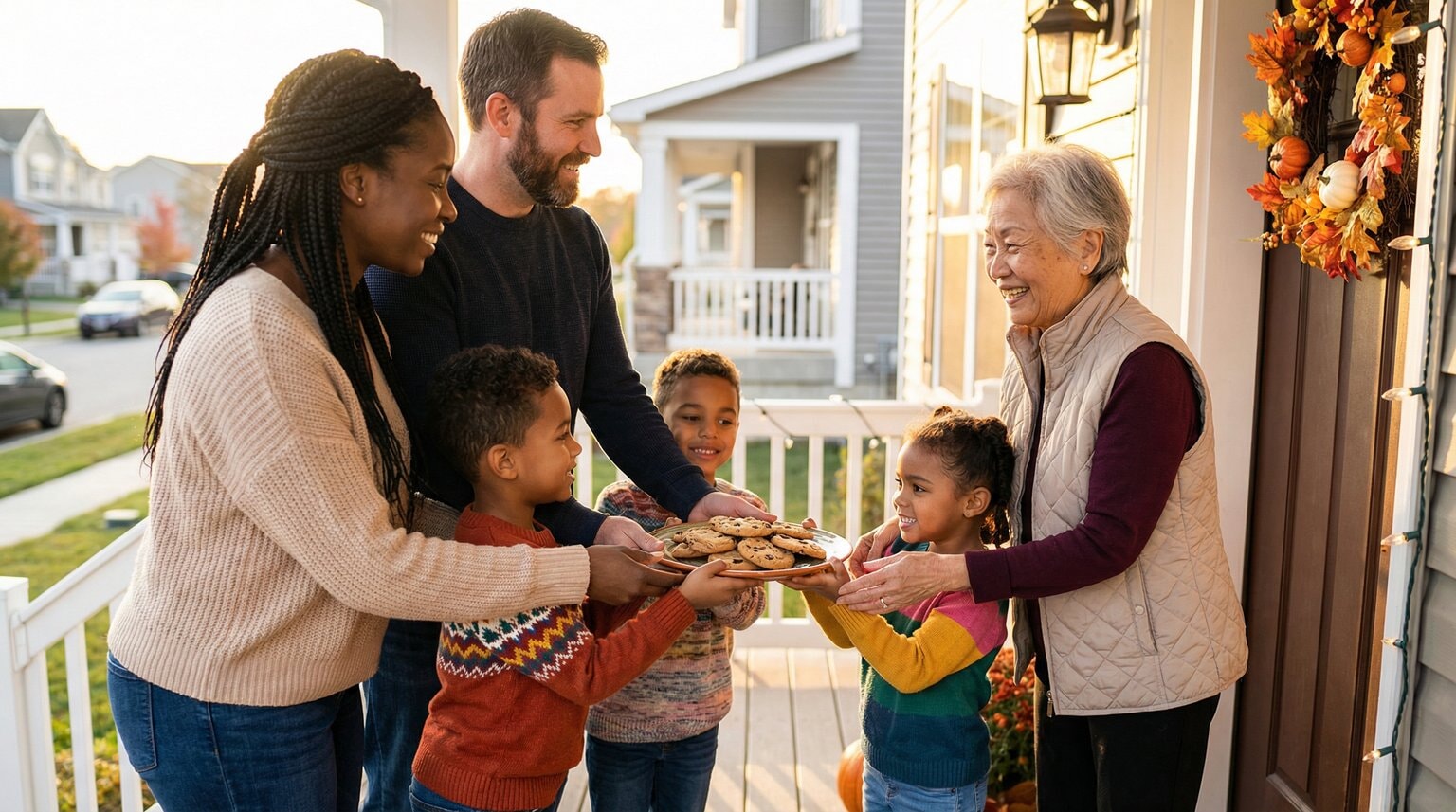
Diwali isn’t just about gifts within the family—it’s about extending generosity outward. Families give gifts and sweets to neighbors, tip service workers more generously, and share celebration with their broader community.
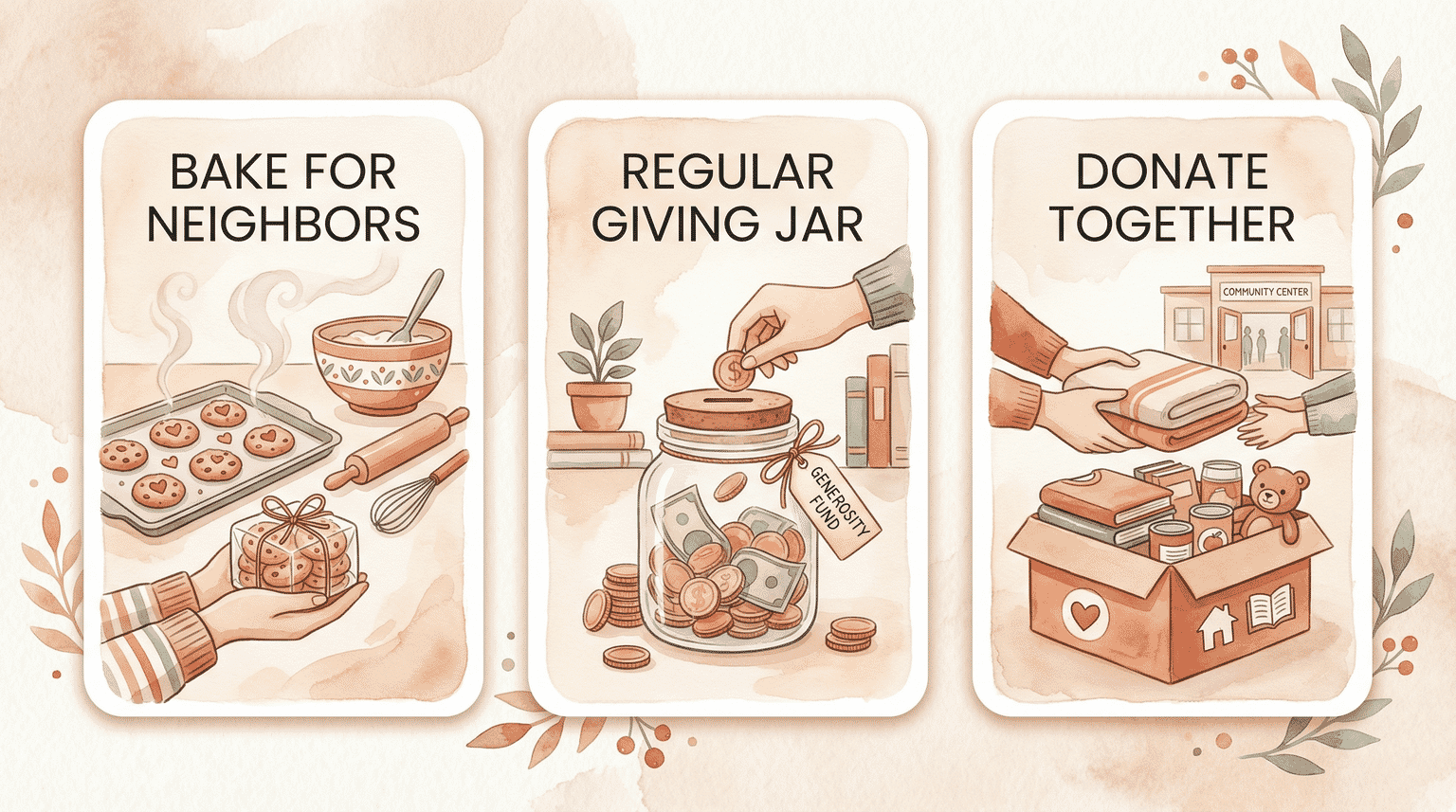
How to adopt this: Choose a holiday and intentionally include giving outside your household. Bake cookies for neighbors. Involve kids in selecting gifts for mail carriers, teachers, or building staff. Make outward generosity part of the celebration ritual.
Tzedakah (Jewish Tradition)
The Hebrew word tzedakah is often translated as “charity,” but it actually means “justice” or “righteousness”—giving isn’t optional generosity but an obligation to make the world more just.
The 12th-century philosopher Maimonides developed eight levels of giving, from reluctant giving at the lowest level to giving that enables self-reliance at the highest. This framework offers children a way to understand that how and why we give matters.
How to adopt this: Keep a tzedakah box where children contribute regularly—not just when they feel like it. Discuss the Maimonides levels in age-appropriate ways. Help kids understand giving as responsibility, not just impulse.
Korean Charity Gifting
Research on South Korean philanthropy documents a fascinating modern tradition: since 2007, K-pop fans have presented rice bags instead of flower wreaths to honor their favorite celebrities. This achieves the dual purpose of celebrating someone while helping those in need.
How to adopt this: For birthday parties, consider suggesting donations to a cause the birthday child cares about alongside (or instead of) gifts. Or choose a celebration moment and pair it with giving—our family picks a cause each Christmas and lets the kids allocate a giving budget together.
Traditions That Celebrate Reciprocity
The skill: Social awareness, gratitude, relational maintenance
Oseibo & Ochugen (Japan)
These Japanese traditions involve giving gifts at year-end (oseibo) and mid-year (ochugen) to people who’ve helped you throughout the year—teachers, mentors, colleagues who went out of their way.
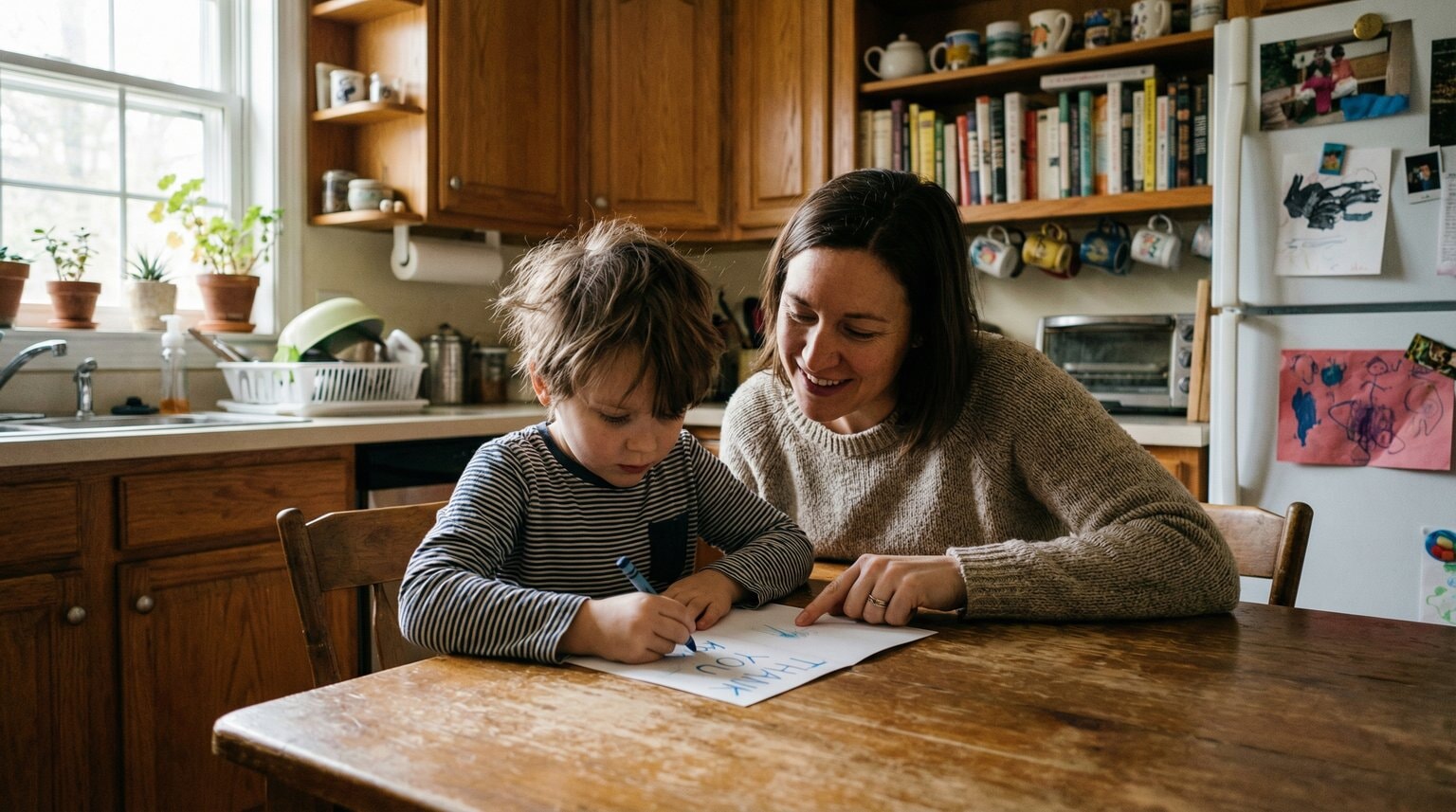
The practice teaches children to notice who supports them and to acknowledge that support tangibly.
How to adopt this: At year-end, sit with your children and ask: “Who helped you this year?” Make a list together. Then involve them in selecting or making small thank-you gifts. This works beautifully for children 5 and up.
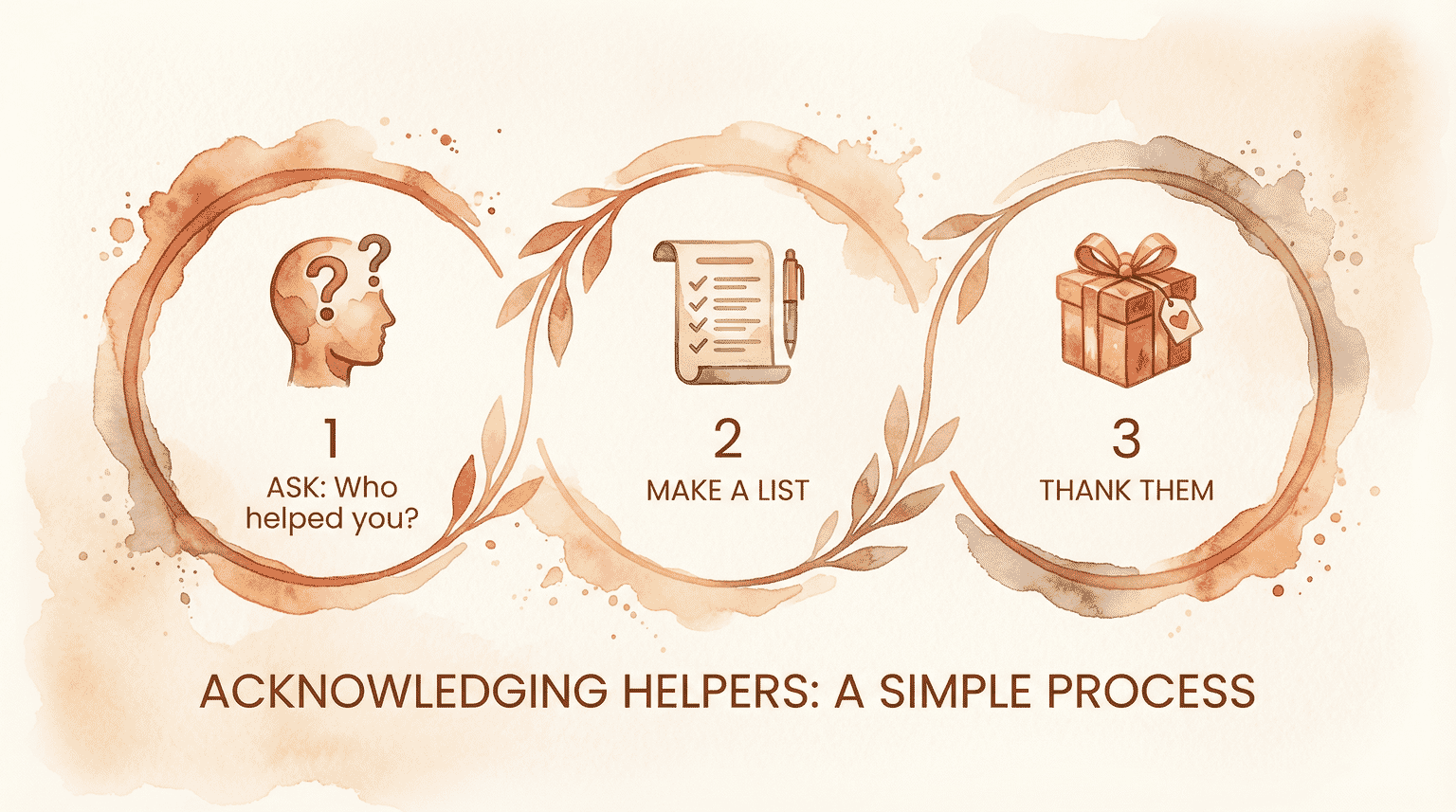
The beauty of this tradition is its intentionality. Most kids feel grateful in the moment but quickly forget. This practice creates a pause—a dedicated time to reflect on the web of people who made their year better.
Lunar New Year Red Envelopes (Hongbao)
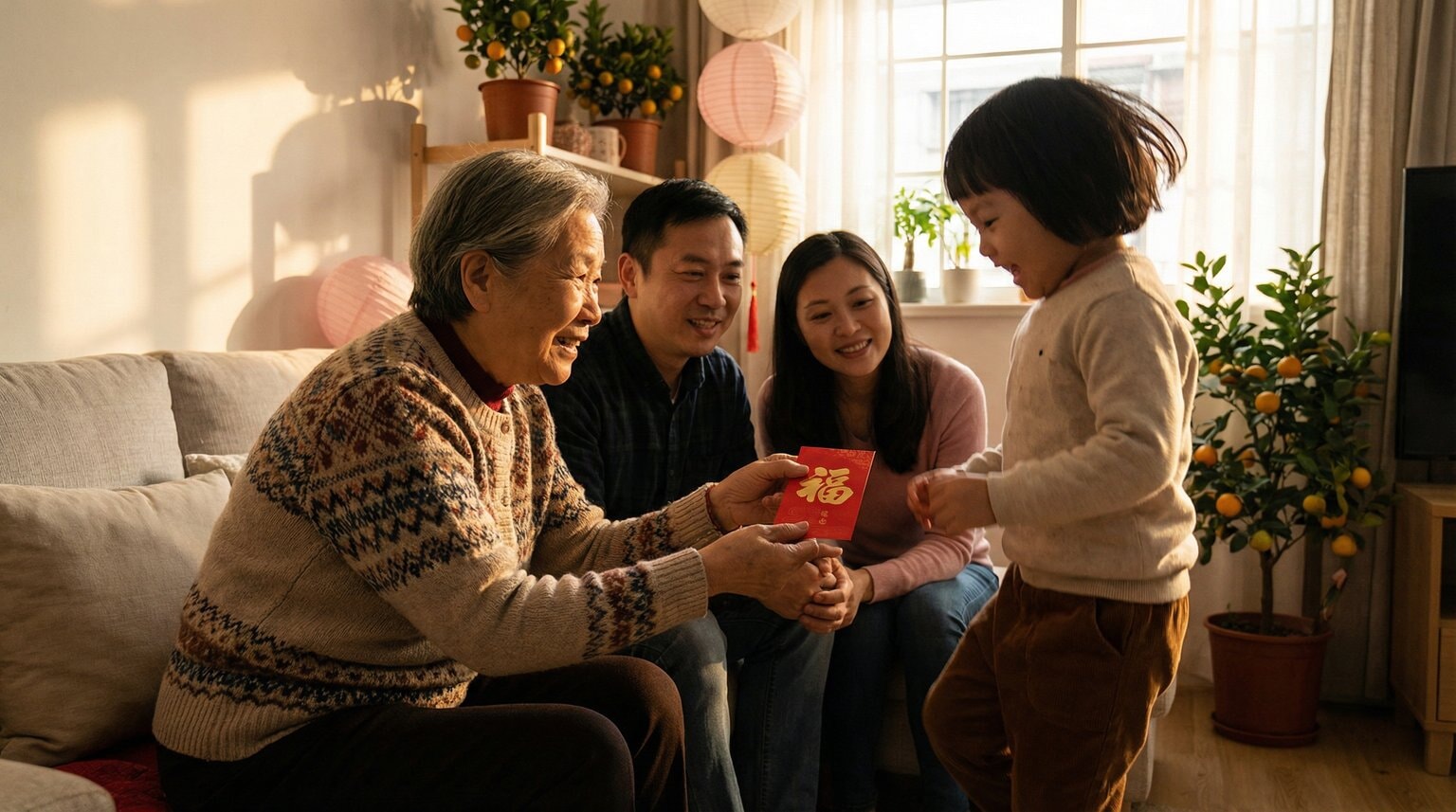
The tradition of giving red envelopes containing money symbolizes wishes for good fortune and the continuity of relationships across generations. Elders give to children; married adults give to unmarried ones—the flow of hongbao maps family connections.
How to adopt this: Consider adapting the red envelope tradition for any new year celebration. Even small amounts carry symbolic weight when presented in special envelopes with wishes for the year ahead.
Okaeshi (Japanese Return Gifts)
In Japanese custom, receiving a gift creates an obligation to return approximately half its value. This isn’t transactional—it’s relational. It teaches children that gifts create connections that flow both ways.
How to adopt this: When your child receives a gift, help them acknowledge it with something in return—a thank-you card, a small reciprocal gift, or a homemade item. The practice builds awareness that giving and receiving are ongoing conversations, not one-time events.
How to Choose and Start
You don’t need to adopt all of these. Pick one that resonates with your family’s values and your children’s ages.
Start small. Add slowly. My family began with St. Nicholas Day seven years ago; we’ve gradually added elements from other traditions as the kids have grown.
Teach the cultural origins. When you borrow a tradition, help children understand where it comes from and why it matters to that culture. This builds respect and genuine cultural awareness rather than shallow appropriation.
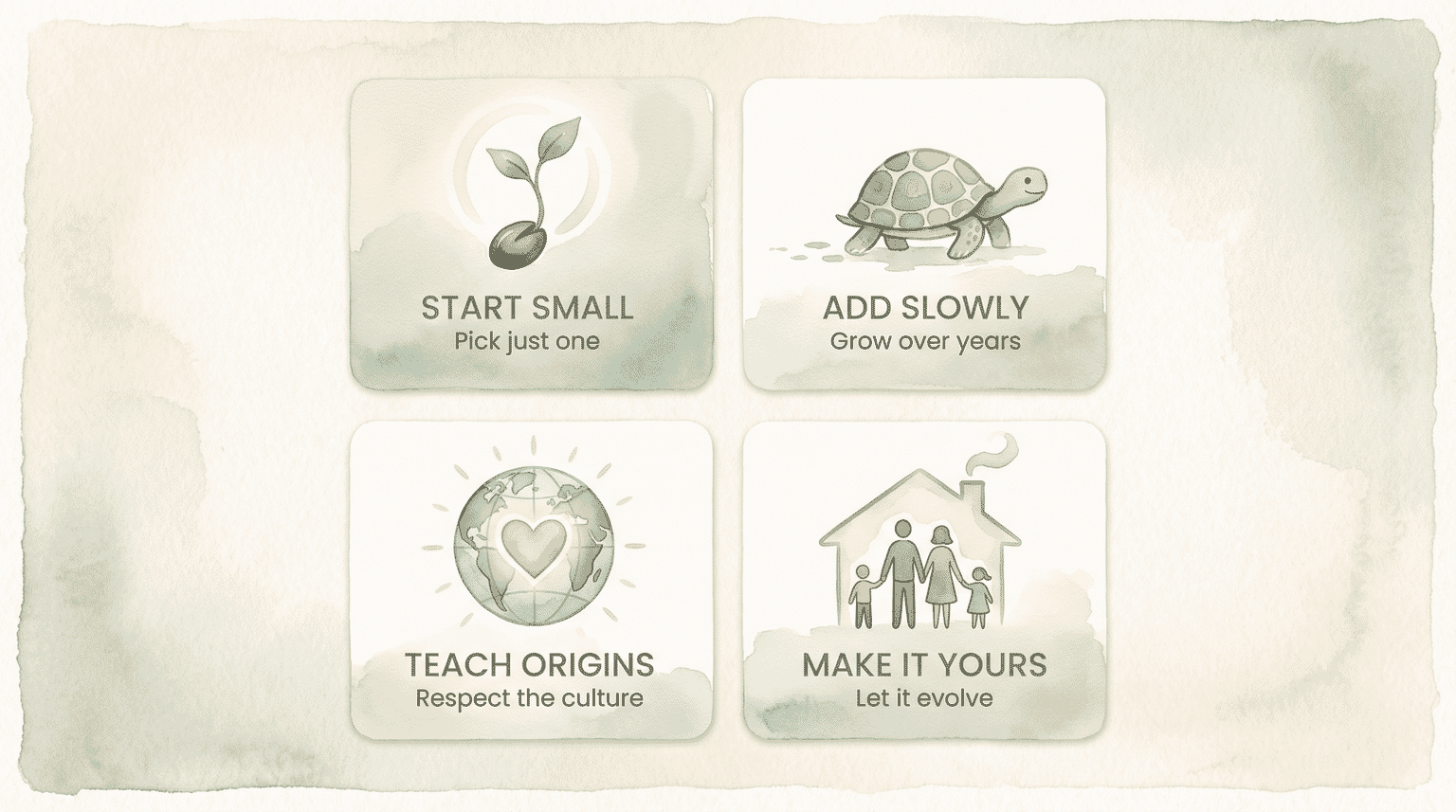
Finally, create your own family ritual around adopted traditions. In my house, the Sinterklaas poem exchange has evolved into something uniquely ours—complete with increasingly elaborate hiding spots and inside-joke references. That evolution is the point.
For families blending multiple backgrounds, navigating gift traditions across multiple families offers additional strategies for making diverse traditions work together.
And if you’re interested in building meaningful family gift traditions from scratch, that’s a deeper dive into creating rituals that stick.
| Tradition | Origin | Best Ages | What Kids Learn | Difficulty |
|---|---|---|---|---|
| St. Nicholas Day | Netherlands/Germany | 3+ | Anticipation, patience | Easy |
| Advent Calendars | Germany | 3+ | Daily delayed gratification | Easy |
| Three Kings Day | Latin America/Spain | 3+ | Extended anticipation | Easy |
| Sinterklaas Poems | Netherlands | 6+ | Thoughtfulness, creativity | Medium |
| Japanese Wrapping | Japan | 4+ | Care in presentation | Easy |
| Hanukkah Eight Nights | Jewish tradition | All ages | Thoughtful small giving | Medium |
| Diwali Sharing | India | 3+ | Outward generosity | Easy |
| Tzedakah | Jewish tradition | 4+ | Giving as obligation | Medium |
| Oseibo/Ochugen | Japan | 5+ | Acknowledging helpers | Medium |
| Red Envelopes | China | All ages | Reciprocity, wishes | Easy |
| Okaeshi | Japan | 5+ | Relational giving | Medium |
The table above gives you a quick reference, but don’t let “difficulty” scare you off. Even the “medium” traditions are just about consistency and explanation—not complicated execution.
Frequently Asked Questions
What are gift-giving traditions around the world?
Gift traditions vary significantly across cultures and teach different skills. Dutch Sinterklaas involves personalized poems and hidden gifts. Japanese gift-giving emphasizes wrapping as meaningful as the gift itself. Latin American families celebrate Three Kings Day on January 6, extending anticipation past Christmas. Many traditions focus on teaching children patience, thoughtfulness, and generosity through repeated practice.
Why do different cultures have different gift traditions?
Gift traditions reflect cultural values around patience, reciprocity, and social connection. Research shows that cultural habits literally shape children’s development—U.S. children wait four times longer for gifts than food, while Japanese children show the opposite pattern. These differences aren’t random; they’re built through consistent family practices passed across generations.
How do I teach my child about giving?
Research from philanthropy experts shows children learn generosity best when it’s patterned into routines—just like learning ABCs or math facts. Adopt consistent traditions like Diwali’s practice of giving to neighbors, the Jewish tradition of regular tzedakah contributions, or the Dutch Sinterklaas poem tradition that requires thinking carefully about the recipient.
What is the tradition of gift giving in Japan?
Japanese gift-giving emphasizes presentation, reciprocity, and timing. Tsutsumi (wrapping) carries significant meaning—unwrapped gifts feel indifferent or even worrying. Oseibo (year-end) and Ochugen (mid-year) gifts honor those who’ve helped you. When receiving gifts, okaeshi (return gifts) of about half the value maintain ongoing social reciprocity.
Over to You
Have you borrowed any gift traditions from other cultures? I’d love to hear what you’ve tried and whether it stuck—or whether it felt awkward transplanting someone else’s custom into your family.
Your cross-cultural experiments help me understand what actually works beyond theory.
References
- UC Davis – How Children React to Waiting in Different Cultures – Cross-cultural research on delayed gratification and gift-giving habits
- University of Notre Dame – Generosity Traditions – Research on teaching children generosity through routine
- Carnegie Mellon University – Winter Traditions Around the World – Cultural winter holiday traditions including Sinterklaas
- arXiv – Understanding Digital Gifting Across Cultures – Cross-cultural study on gift-giving practices in East Asia
- Indiana University – South Korea Philanthropy Report – Emerging giving traditions including fandom donations

Share Your Thoughts