

The living room looks like a toy store exploded. Again. Your mother-in-law just left after dropping off her third “thinking of you” gift this month, and your four-year-old didn’t even look up from the tablet to say thank you. You’re not ungrateful—you’re exhausted. And honestly? You’re worried about what all these toys are doing to your kid.

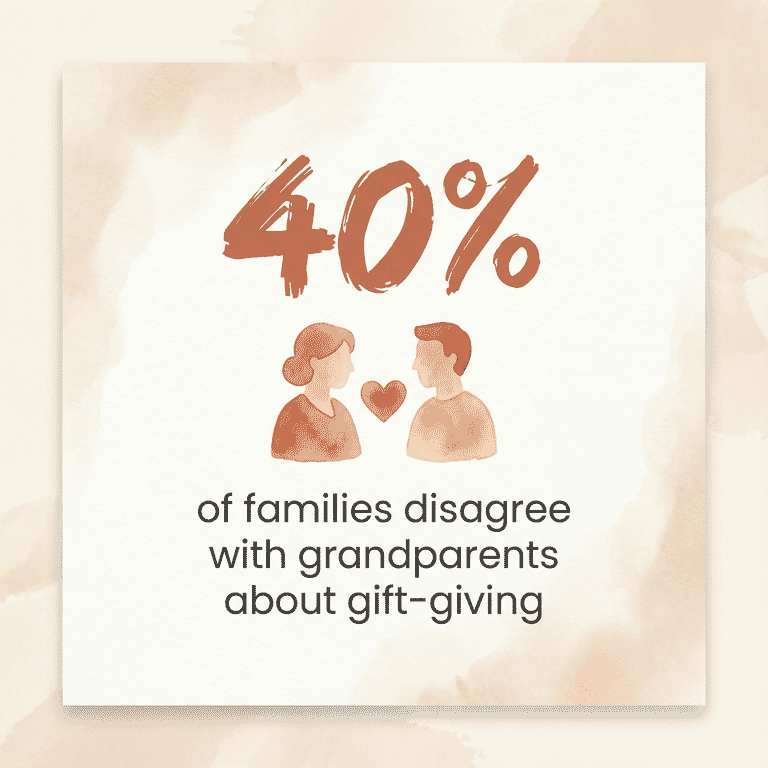
Here’s what the research actually shows: about 40% of families report disagreements between parents and grandparents, and gift-giving sits at the top of that conflict list. But here’s the thing my librarian brain keeps coming back to—the solution isn’t winning this argument. It’s protecting something precious: your child’s development and their relationship with grandparents who genuinely love them.
I’ve navigated this conversation eight times over with various grandparents, in-laws, and well-meaning relatives. What I’ve learned is that this isn’t about laying down the law. It’s about collaboration. And it starts with understanding why grandparents over-give in the first place.
Key Takeaways
- Have your spouse address their own parents—it dramatically reduces defensiveness and improves outcomes
- Redirect generosity toward experiences like zoo memberships, classes, or scheduled grandparent dates instead of toys
- Set specific, measurable limits (“two gifts per birthday”) rather than vague requests
- Close grandparent ties protect children’s emotional resilience—preserve the relationship while setting boundaries
- Use natural consequences like donation or rotation systems when boundaries are crossed
Why Do Grandparents Feel Compelled to Over-Give?

Before you have the conversation, you need to understand what’s driving the behavior. In my experience, grandparents aren’t trying to undermine you—they’re expressing love the only way that feels tangible when they can’t be there every day.
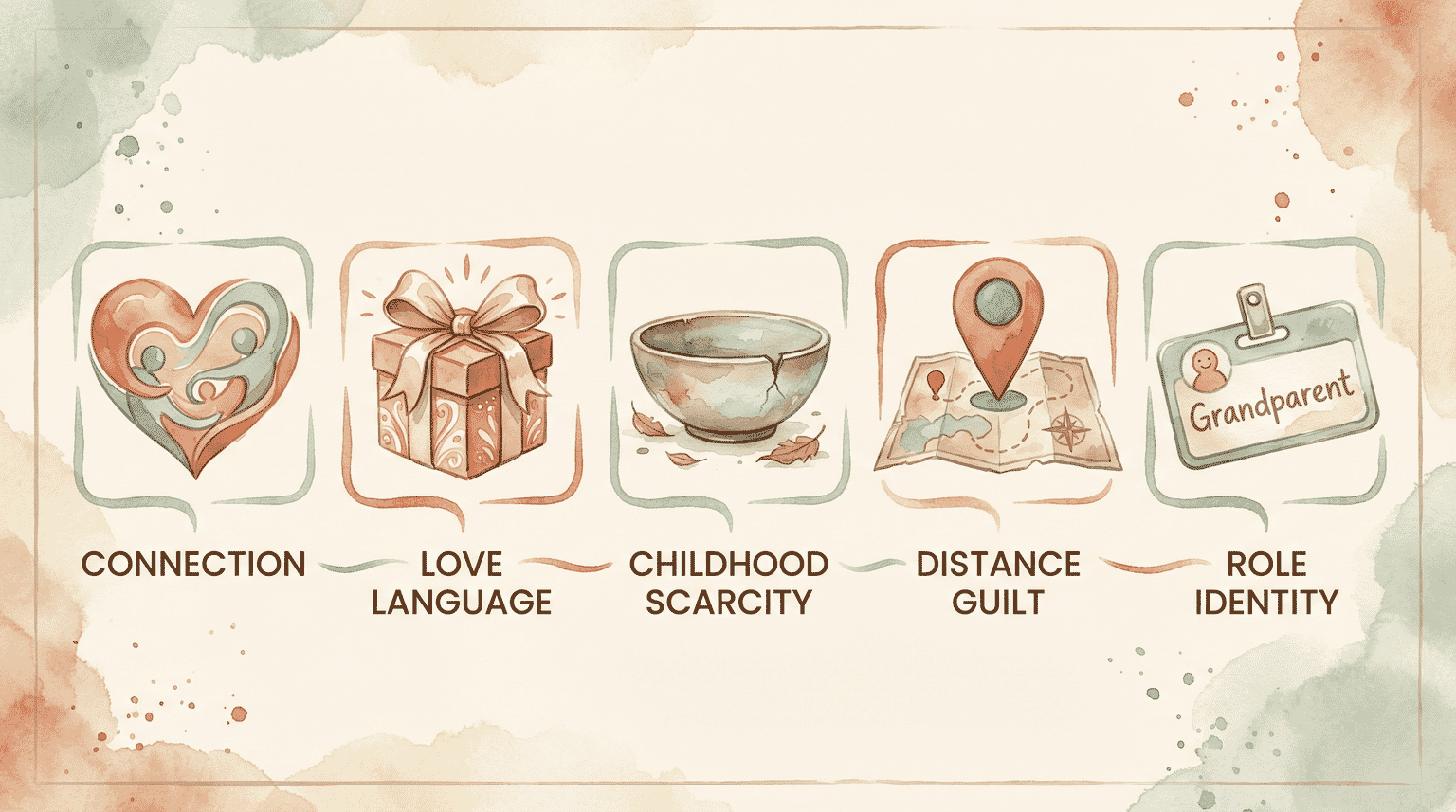
The root causes usually include:
- Connection-seeking: Gifts create moments of joy they can witness
- Love language mismatch: Gift-giving may be their primary way of showing affection
- Childhood scarcity: Grandparents who grew up with less often want to provide abundance
- Distance guilt: Physical separation makes them want to “make up” for missed time
- Role definition: Without daily caregiving duties, gifting becomes their “thing”
Dr. Brittney Schrick, a certified family life educator at the University of Arkansas, identifies three types of overindulgence: soft structure (lack of rules), over-nurture (doing things children should do themselves), and too much (giving more than children need). Most grandparent over-gifting falls into that third category—and it typically comes from loving intentions, not defiance.
This reframe matters: you’re not fighting against shopping addiction; you’re redirecting love expressed imperfectly.
When you approach the conversation with empathy for their motivations, you’re much more likely to find common ground. They want to matter in your child’s life. You want that too.
The Conversation Framework That Actually Works

The conversation strategy matters enormously. Get this wrong, and you’ll create years of tension. Get it right, and you might actually get grandparents on your team.
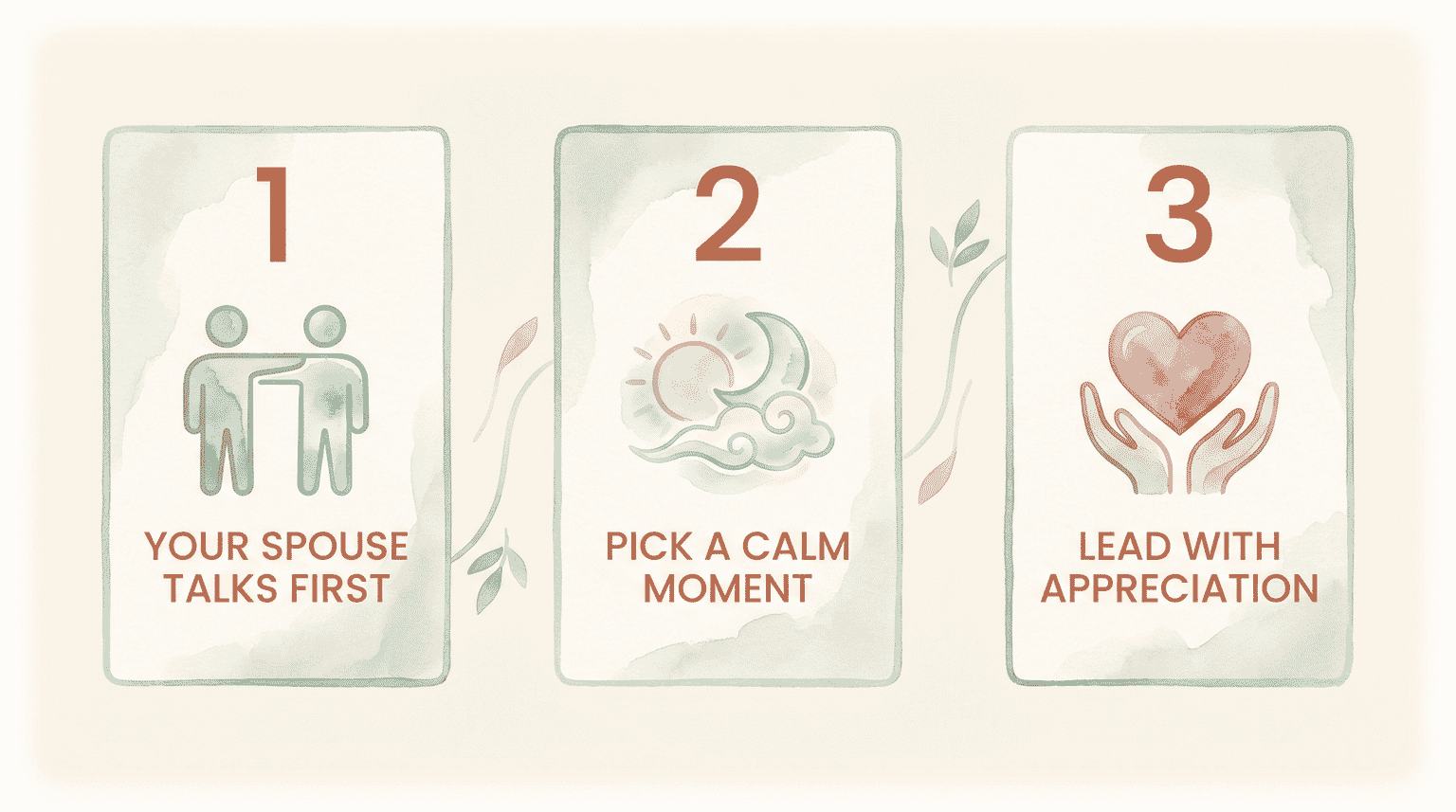
Step 1: Choose the right messenger. Your spouse should address their own parents. Full stop. When in-laws hear concerns from their own child rather than “the spouse,” defensiveness drops dramatically.
Step 2: Pick the right moment. Not during holiday chaos, not while surrounded by the latest gift avalanche, not when anyone is tired or stressed. A calm phone call or relaxed visit works best.
Step 3: Lead with appreciation and shared goals. You’re on the same team—you both want these children to thrive.
For deeper conversation approaches for sensitive family discussions, I’ve written more extensively about navigating these dynamics.
The Initial Conversation Script
Here’s language that’s worked in my family:
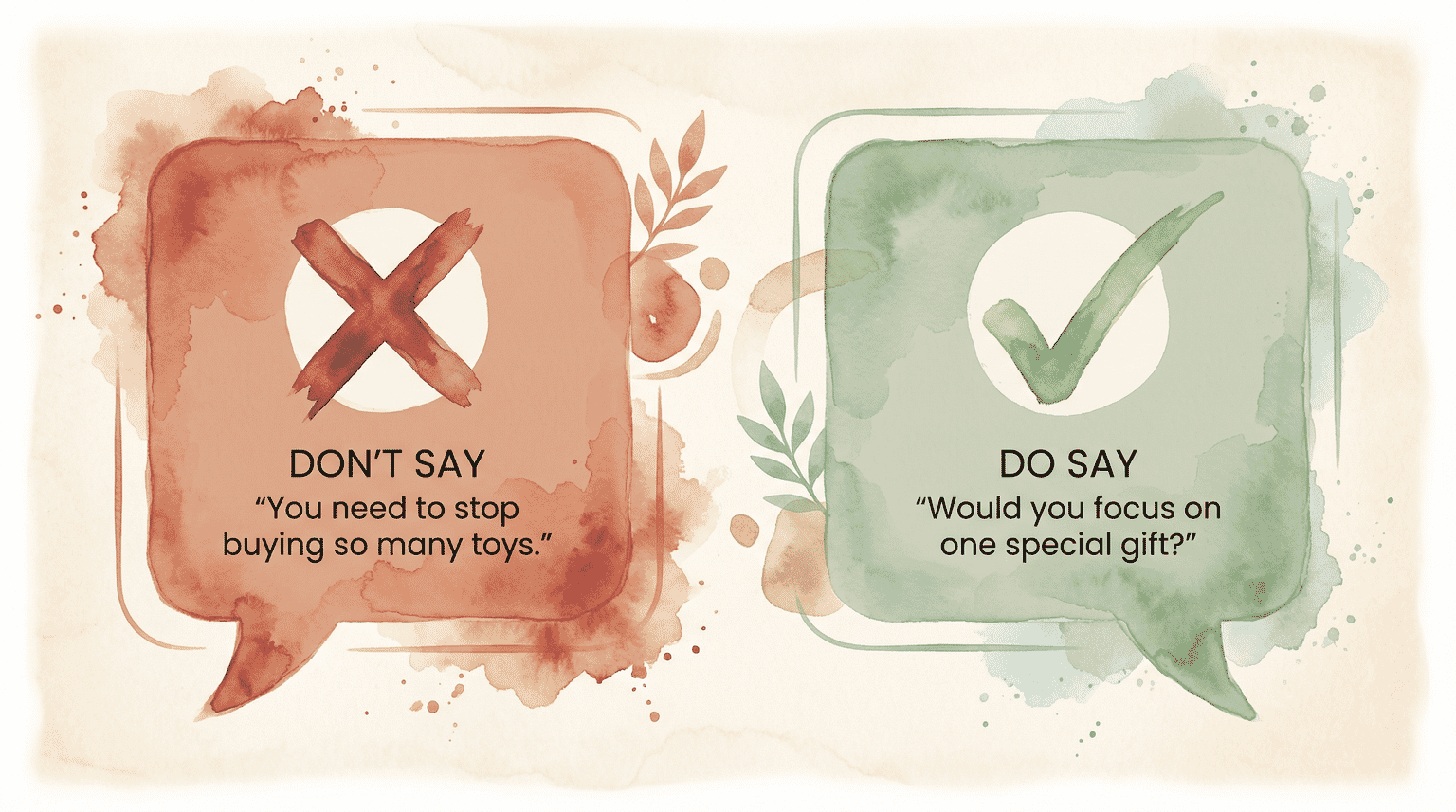
“Mom, the kids absolutely light up when they see you. That relationship means everything to us, which is why I wanted to talk about something.
We’ve been noticing that the kids have so many toys they can’t actually enjoy any of them…
Would you be open to focusing on one special gift for birthdays and holidays instead of several? Or even better—experiences you could share together? What do you think would feel meaningful to you?”
— Sample conversation script
When Limits Weren’t Respected: The Follow-Up
If the first conversation didn’t stick, the follow-up needs to be clearer:
“I know we talked about this before, and I appreciate that it comes from so much love.
But we really need to be consistent about fewer toys—for [child’s name]’s sake. Going forward, we’re going to [specific consequence: donate extras, keep gifts at your house, etc.].
I hope you understand this isn’t about rejecting your generosity—it’s about what our family needs right now.”
— Follow-up conversation script
Handling Common Objections
“But I’m their grandparent!”
“Absolutely—and that’s why your relationship with them matters more than any toy. We want them running to hug you, not asking what you brought.”
“My parents did this and I turned out fine.”
“You did! And you also turned out thoughtful enough to want the best for your grandkids. The world’s different now—kids have access to so much more stuff, and the research on toy overload is pretty clear.”
“You’re being too strict.”
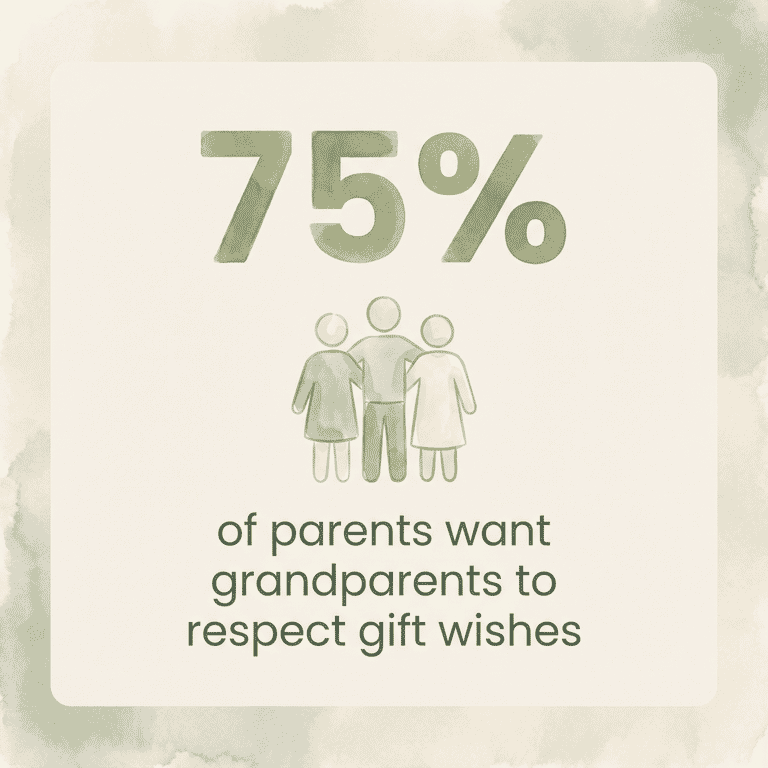
“I hear you. But the vast majority of parents feel the same way we do about wanting grandparents to respect gift wishes. We’re not alone in this, and we need your help.”
Professor Dafna Lemish at Rutgers University recommends creating “shared understanding and values” rather than simply transmitting rules. That collaborative approach applies perfectly here.
Setting Firm Boundaries That Stick
Vague requests produce vague compliance. Specific, measurable limits are your friend.
Be concrete:
- “Two gifts per birthday works for our family”
- “Nothing over $30 without checking with us first”
- “Gifts requiring batteries or assembly—please ask first”
Consider the “gifts stay at grandma’s house” strategy. Large or loud toys can live at the grandparents’ place—creating special toys for visits while protecting your sanity and space.
Coordinate in advance. Before birthdays and holidays, share a short wish list or identify one item the child is saving up for. This channels generosity toward things you’ve already vetted.
Put it in writing if needed. A simple text message summarizing what you discussed isn’t confrontational—it’s clarity everyone can reference later. “Just wanted to confirm—one gift per kid at Christmas, and we love the idea of you taking them to the zoo instead of the extra presents!”
Natural Consequences Without Punishment
When boundaries get crossed anyway (and they will), consequences maintain your credibility without shaming grandparents.
The one-in-one-out rule: When new toys arrive, an equal number leave. This isn’t punishment—it’s household management. My kids know this system, and it actually helps them think about what they truly want to keep.
Rotation stations: Overflow gifts go into storage and rotate into active play monthly. Children rediscover toys with fresh enthusiasm, and you manage the chaos.
Immediate donation option: For truly excessive hauls, some toys go directly to donation before they even enter the playroom. If grandparents ask, you can honestly say, “We have so much abundance—we shared some with families who have less.”
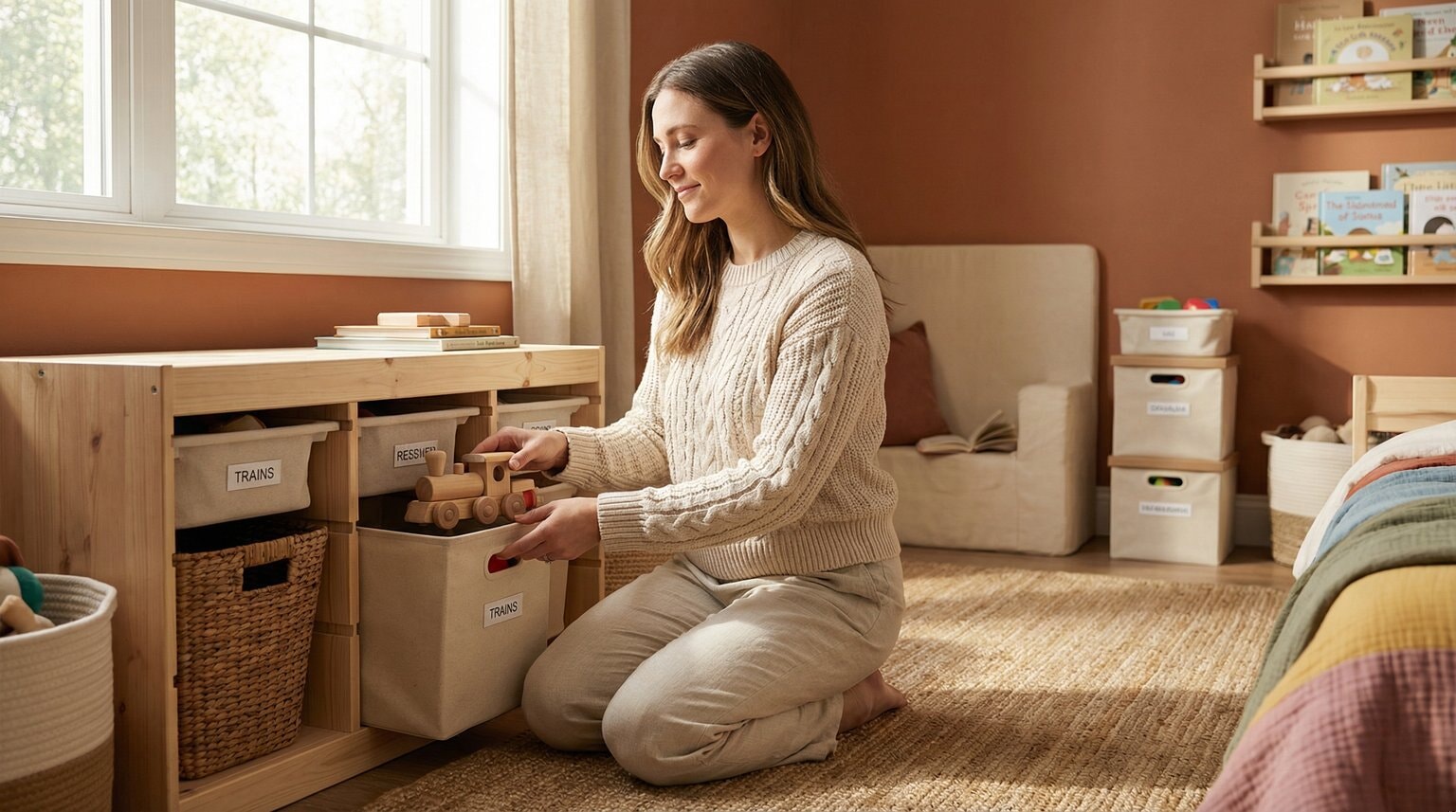
Storage solutions that reduce visible clutter:
- Under-bed bins labeled by category
- Closet shelving systems
- “Birthday/Holiday overflow” boxes in the garage
- Toys specifically for outdoor use stored separately
The goal isn’t grandparent shame—it’s maintaining the limits you’ve set while managing your home practically.
Donation Strategies That Teach Gratitude
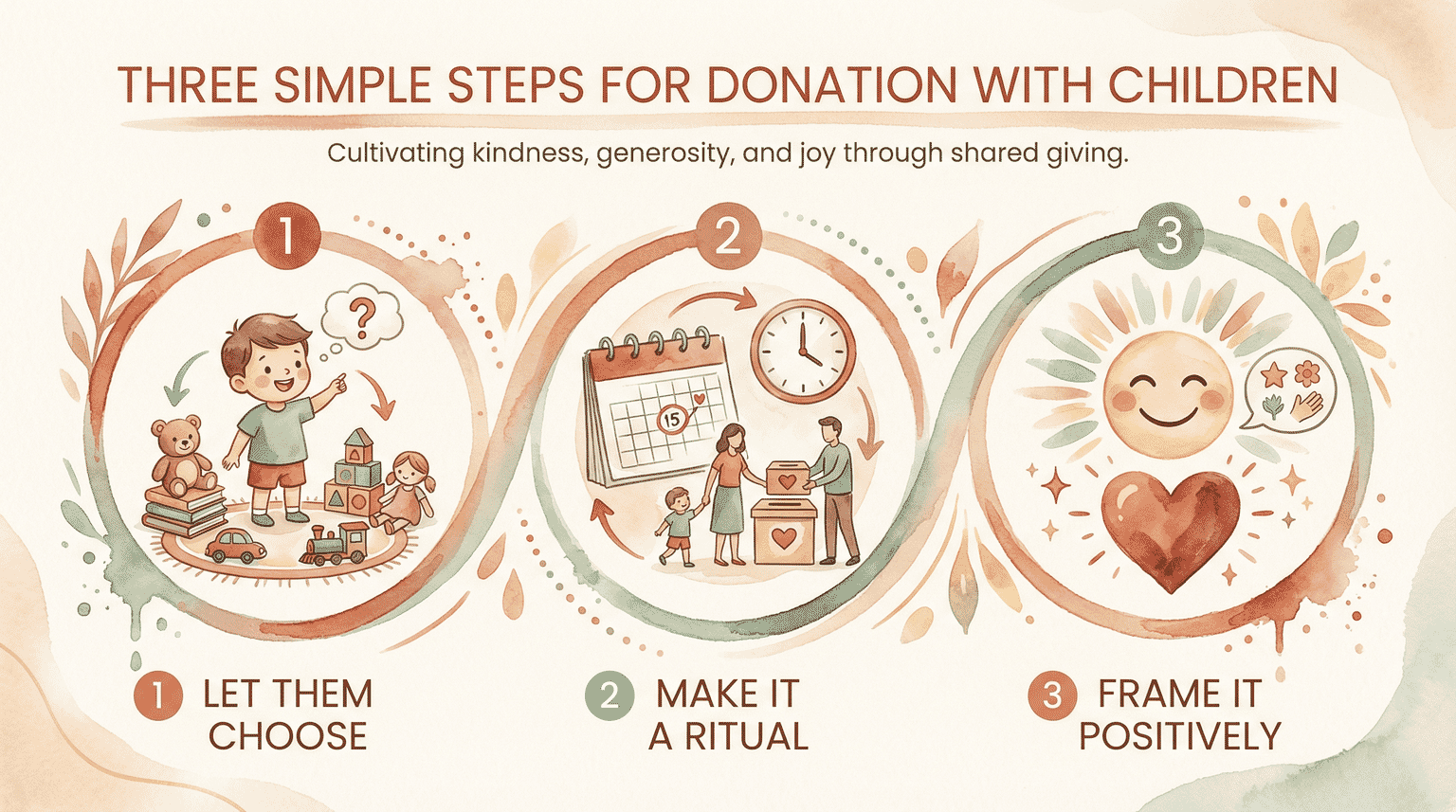
Involving children in choosing what goes transforms decluttering from loss into generosity.
Let them lead (within limits). “We have so many stuffed animals—which five would you like to share with kids who don’t have any?” Giving them agency prevents meltdowns and builds empathy.
Create a post-holiday ritual. In my house, the week after Christmas is donation week. The kids know it’s coming, choose items thoughtfully, and we deliver together. It’s become something they actually look forward to.
Frame it positively. “This toy gave you so much fun! Now it gets to make another kid happy.” Never use donation as punishment or threat.
Local options to explore: Hospital playrooms, domestic violence shelters, local preschools, Buy Nothing groups, or organizations serving foster children often welcome gently used toys.
Redirecting Grandparent Generosity

Here’s where you can give grandparents a better outlet—because redirecting generous grandparents toward meaningful alternatives often works better than simply saying no.
Experience gifts by category:
- Classes: Swimming lessons, art workshops, music instruction
- Memberships: Zoo, children’s museum, aquarium, national parks pass
- Outings: Scheduled grandparent-grandchild dates to movies, restaurants, parks
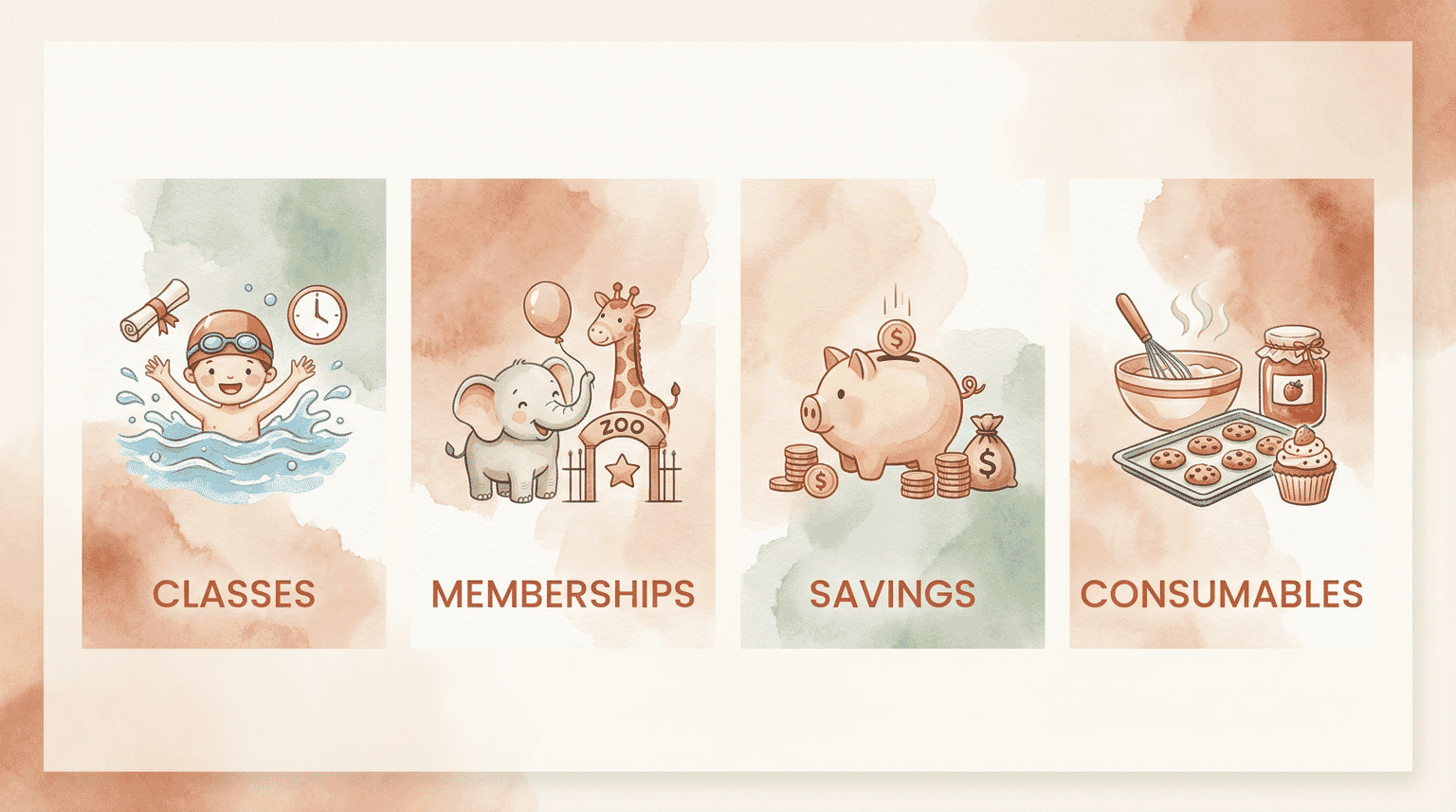
Financial contributions:
- 529 education savings plans
- “Big item” funds (the bicycle they’ll grow into, the camp experience)
- Savings accounts in the child’s name
Consumable gifts:
- Art supplies that get used up
- Baking ingredients for projects together
- Science kits with experiments to conduct
Time gifts:
- Scheduled grandparent dates (“third Saturday of every month”)
- Teaching a special skill—baking, woodworking, gardening
- Creating traditions unique to that relationship
The contribution model also works beautifully: Multiple relatives who typically give several gifts can pool resources for one meaningful item the child actually needs and will use for years.
“Experiences and relationships are prioritized over consumerism. Time and connection are the true gifts.”
— Dr. Jessica McCarthy, Psychologist specializing in family dynamics
Protecting the Relationship Long-Term
Here’s what I keep coming back to: a University of Turku study found that grandparent investment—especially from maternal grandmothers—actually protects grandchildren from the negative effects of adverse experiences. Close grandparent ties improve emotional resilience. This relationship is worth fighting for, even when the gift avalanche drives you crazy.
Regular appreciation practices: When grandparents respect boundaries, say so explicitly. “Thank you for the zoo membership—Sophie talks about it constantly.”
Celebrate non-material contributions: “The kids still quote things you said during Thanksgiving. You have no idea how much they value your wisdom.”
Repair strategies if conversations created tension: A follow-up that acknowledges their feelings—”I know that conversation was hard, and I want you to know how much we value you”—goes a long way.
“Just being near a calm grandparent helps a child’s nervous system settle and thrive.”
— Dr. Roseann Capanna-Hodge
That regulated presence can’t be purchased at any toy store.
When to Involve Your Spouse Directly
Some situations need spousal reinforcement:
- After you’ve had the conversation twice with no change
- When boundary violations feel deliberate rather than forgetful
- When in-law dynamics make your voice less effective
- When presenting a united front matters for credibility
The script for your spouse: “We’ve decided together that our family needs fewer toys and more experiences. This isn’t about rejection—it’s about what’s best for the kids and our home.”
When Grandparents Won’t Listen
This is the hard part—and most advice articles skip right over it.
First, distinguish misunderstanding from manipulation. A grandparent who “forgot” twice is probably still adjusting. A grandparent who openly dismisses your wishes after multiple clear conversations may be asserting dominance.
Escalation pathway:
- Clear conversation with specific boundaries
- Follow-up conversation when boundaries crossed
- Spousal involvement with united front
- Consistent natural consequences (toys leave the house)
- Reduced gift-opening occasions (gifts opened at grandparent’s house only)
- Frank conversation about relationship impact
Protecting children from gift-based emotional manipulation: If grandparents use gifts to compete with parents, buy forgiveness after bad behavior, or undermine parental authority deliberately, that’s a different conversation—potentially involving reduced contact.
But for most families? It never gets there. Consistent boundaries, clear communication, and genuine appreciation for the relationship usually turn over-gifting grandparents into allies who redirect their generosity toward what children actually need most: their presence.
Frequently Asked Questions
How do I tell my parents to stop buying toys?
Have your spouse address their own parents directly—it reduces defensiveness. Lead with appreciation, explain the developmental benefits of fewer toys, and offer specific alternatives like experiences or contributions to savings. Focus on your family’s values rather than criticizing their choices.
Why do grandparents buy so many gifts?
Gift-giving is often a grandparent’s primary love language—a tangible way to express affection when they can’t be physically present. This behavior typically stems from wanting to create positive memories, compensating for geographic distance, or seeking to establish a special relationship distinct from parents.
What can grandparents give instead of toys?
Experiences like zoo memberships, class registrations, or scheduled grandparent-grandchild outings make lasting impact. Financial contributions to education savings help long-term. Consumable gifts like art supplies or baking kits provide entertainment without permanent clutter.
Is it wrong to limit grandparent gifts?
Limiting gifts protects children’s development—research shows fewer toys lead to longer, more creative play. It also preserves the grandparent relationship by ensuring children greet grandparents with “I missed you!” rather than “What did you bring me?”
Join the Conversation
Are you dealing with a grandparent who won’t stop despite conversations? What’s actually worked—or what finally got through? Sometimes the breakthrough comes from unexpected angles. I’d love to hear your story.
I read every story and often learn something new about grandparent dynamics.
References
- HelpGuide: Grandparenting Tips – Research on grandparent engagement and child outcomes
- More Than Grand: When Grandparents Give Too Many Gifts – Survey data on parent preferences and gift accumulation
- Coaching Aging Adults: The Great Parenting Philosophy Divide – Research on intergenerational family conflict
- University of Arkansas Extension: Setting Limits with Grandparents – Framework for healthy boundaries
- BuzzFeed/University of Turku: Study on Grandparent Impact – Research on grandparent protective effects
- Rutgers University: Grandparents and Family Communication – Research on grandparent-parent alignment

Share Your Thoughts