
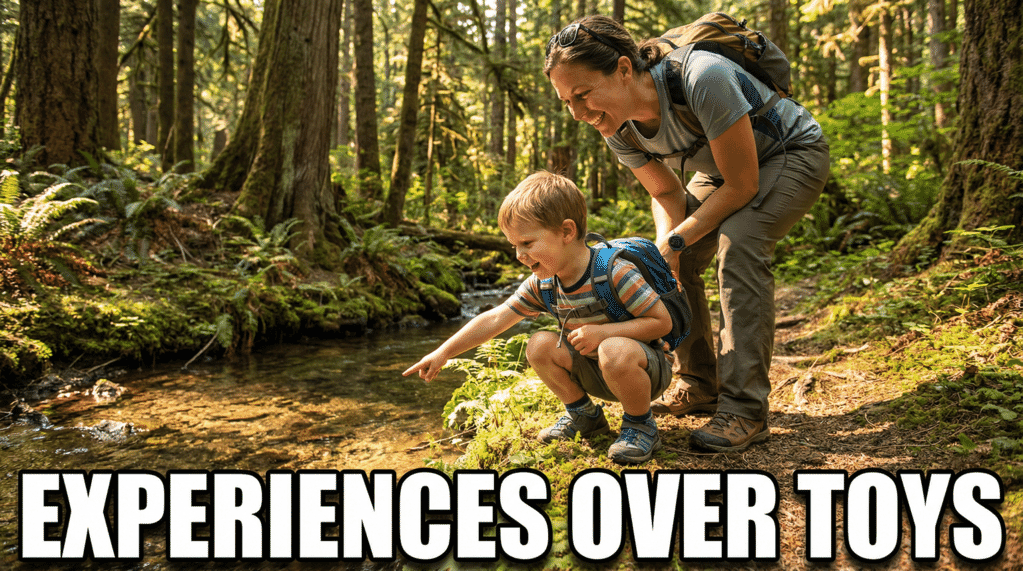
My 10-year-old has approximately 847 stuffed animals (I stopped counting), three overflowing bins of LEGO, and an art supply drawer that requires engineering expertise to close. She also has the clearest memory of every single time I took her to the coffee shop—just us—and let her order a hot chocolate with whipped cream.
The truth is, I’ve bought hundreds of gifts over 17 years of parenting eight kids. The ones that stick? They’re rarely the expensive ones. They’re the shared experiences—the spontaneous donut runs, the library afternoons, the backyard stargazing that turned into a two-hour conversation about whether aliens exist.
If you’re dealing with the ‘too many toys’ problem, you’ve probably already sensed this. But here’s what the research actually confirms.
Key Takeaways
- Carnegie Mellon research shows cost has “little relationship with how well a gift is received”—experiences consistently outperform expensive toys
- Active engagement (doing together) creates stronger bonds than passive activities like watching shows—see our family adventure ideas
- Children around age 6 prefer material gifts, but reflection conversations help encode experiences as meaningful memories
- Letting kids help plan dates dramatically increases their engagement and investment
- Simple documentation (memory jars, one photo per date) turns experiences into lasting family narrative
Why Time Beats Toys (And It’s Not Just Sentiment)
Carnegie Mellon’s Professor Jeffrey Galak puts it bluntly:
“If you are optimising your choices for the exchange, you want to give the sparkliest thing that you can deliver. But that’s doing the receiver a disservice.”
— Professor Jeffrey Galak, Carnegie Mellon University
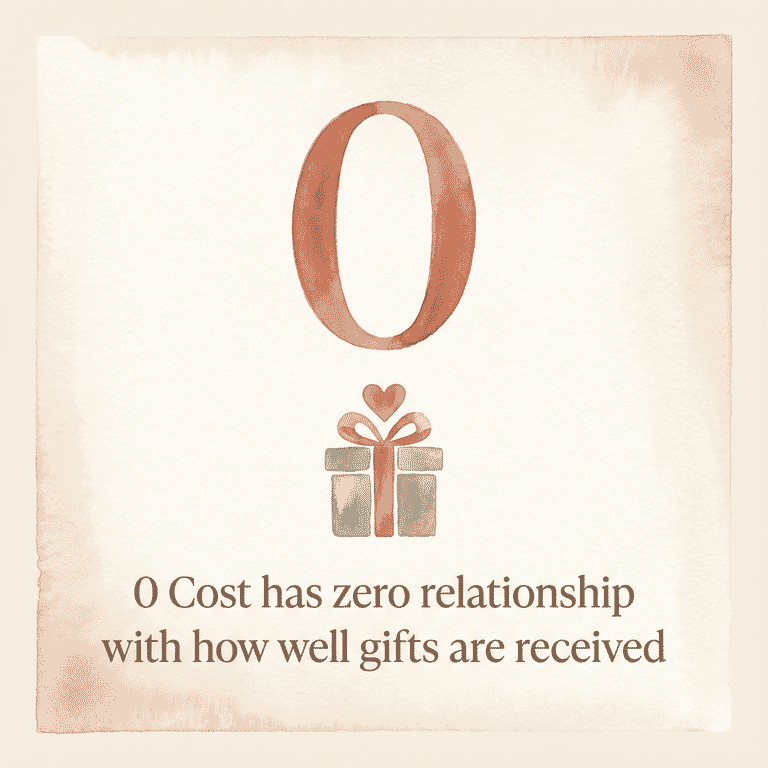
His research with colleagues at National University of Singapore found that cost has “little relationship with how well a gift is received.” Experiences produce greater long-term happiness than material gifts, and sentimental presents consistently outperform expensive ones.
This isn’t just feel-good advice. Memories of shared events linger long after the excitement of new toys fades.
I’ve watched this play out eight times now—the elaborate birthday gift forgotten by February, while the “remember when we…” stories get retold at every family dinner.
A gift of time is an experiential present where parents give children dedicated one-on-one activities instead of material toys. Research from Carnegie Mellon and Harvard shows these shared experiences create stronger memories and deeper parent-child bonds than physical gifts—regardless of cost.
Three Principles for Dates That Actually Connect
Before diving into specific ideas, here’s what Harvard Business School researchers discovered about making giving (including the gift of your time) truly meaningful.
1. Active Engagement Over Passive Watching
As Ashley Whillans explains, “If you’ve just finished enacting a helping behavior, that action tends to be associated with greater benefits as opposed to just reflecting on a time that you helped others.”
Translation: cooking together beats watching a cooking show. Building something beats buying something pre-made. The doing is what creates the bond.
2. Let Them Choose
University of Virginia’s Jamie Jirout, who studies how curiosity impacts learning, notes that “when kids have the agency to do what they want to do, they’re going to be motivated to get into activities in a deep way.”
This means involving your child in date planning increases engagement dramatically. Even limited choices—”Should we hike the mountain trail or the waterfall trail?”—build investment in the experience.
3. Create Visible Outcomes
Whether it’s a completed art project, a family you served, or a summit you reached together, visible results give children a sense of accomplishment they can point to. “We did that” becomes part of their personal story.
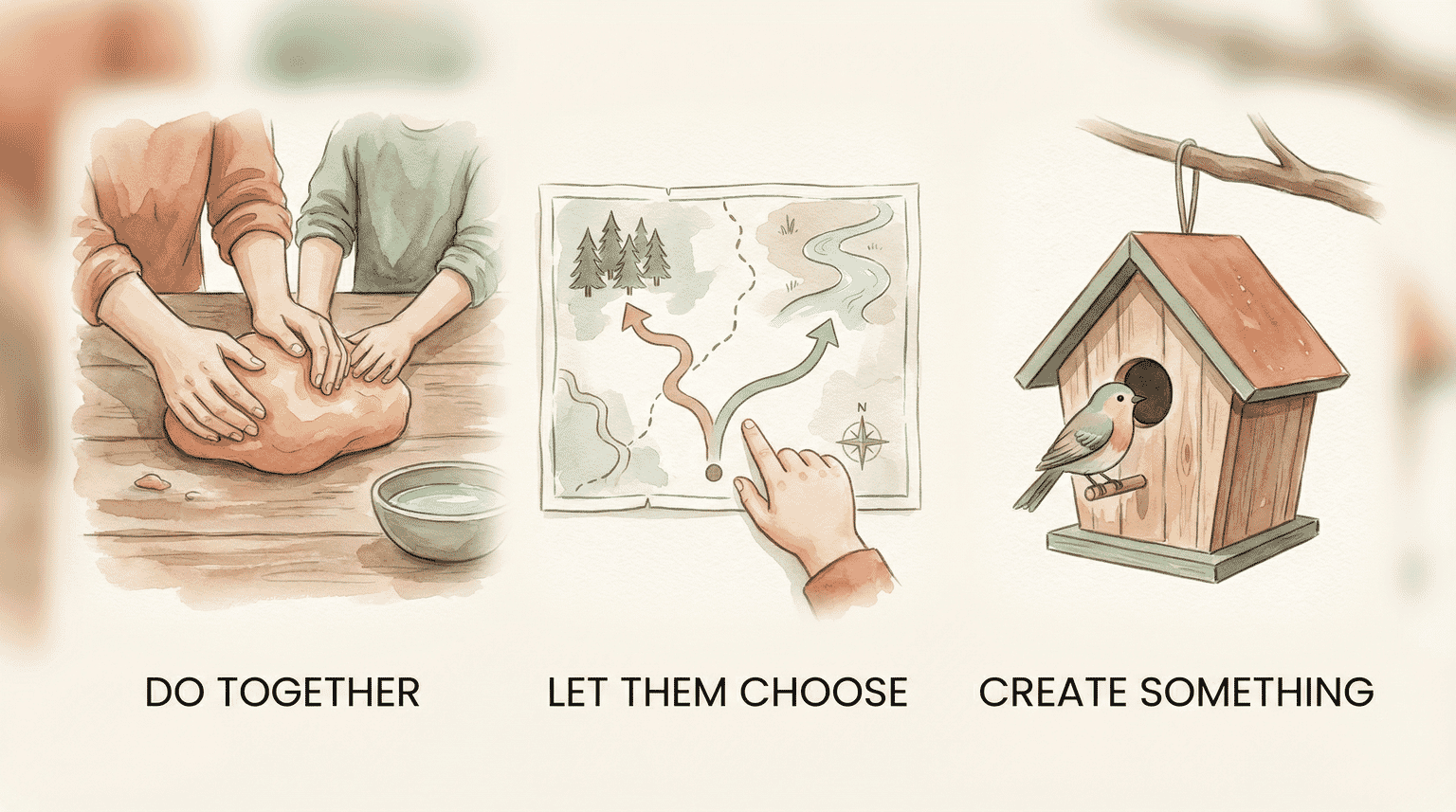
These three principles—active engagement, choice, and visible outcomes—form the foundation for every date idea that follows.
Monthly Date Ideas by Category
Rather than assigning specific activities to specific months (because your January might look nothing like mine), here’s a rotation system organized by experience type. Pick one from each category over the course of a year, and you’ve got 12 meaningful dates.
Adventure Dates
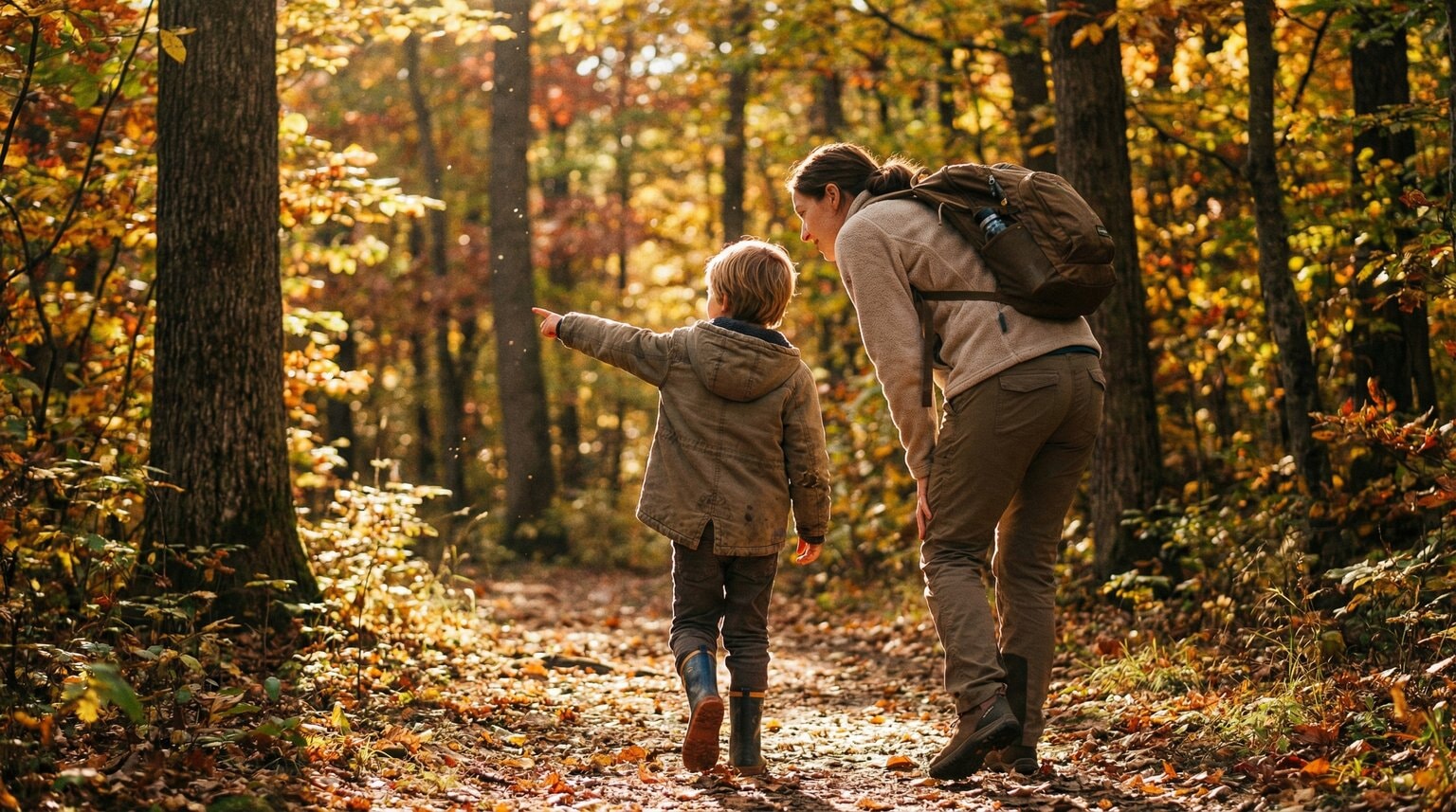
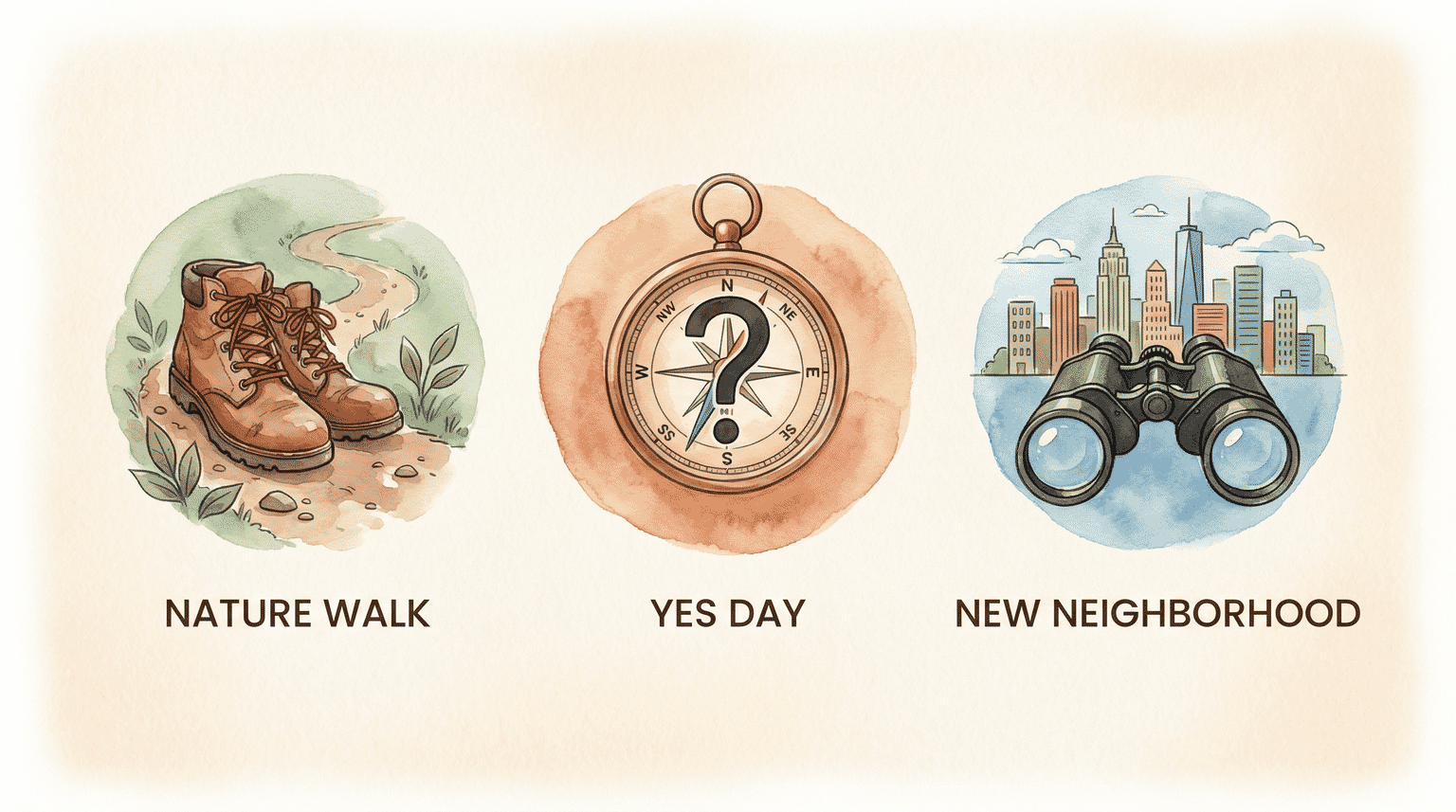
Nature exploration walk (Free) — Skip the playground. Find a new trail, creek, or patch of woods to explore together. Works especially well for ages 4-10, when discovery still feels magical.
“Yes Day” mini-edition (Low-cost) — For 2-3 hours, say yes to reasonable requests within a set budget. Let them direct the adventure. Tweens and teens who seem “over” family time often re-engage when given real control.
New neighborhood expedition (Free) — Drive to a part of town you’ve never explored. Walk around. Get lunch somewhere unfamiliar. My 15-year-old still requests these.
Creative Dates
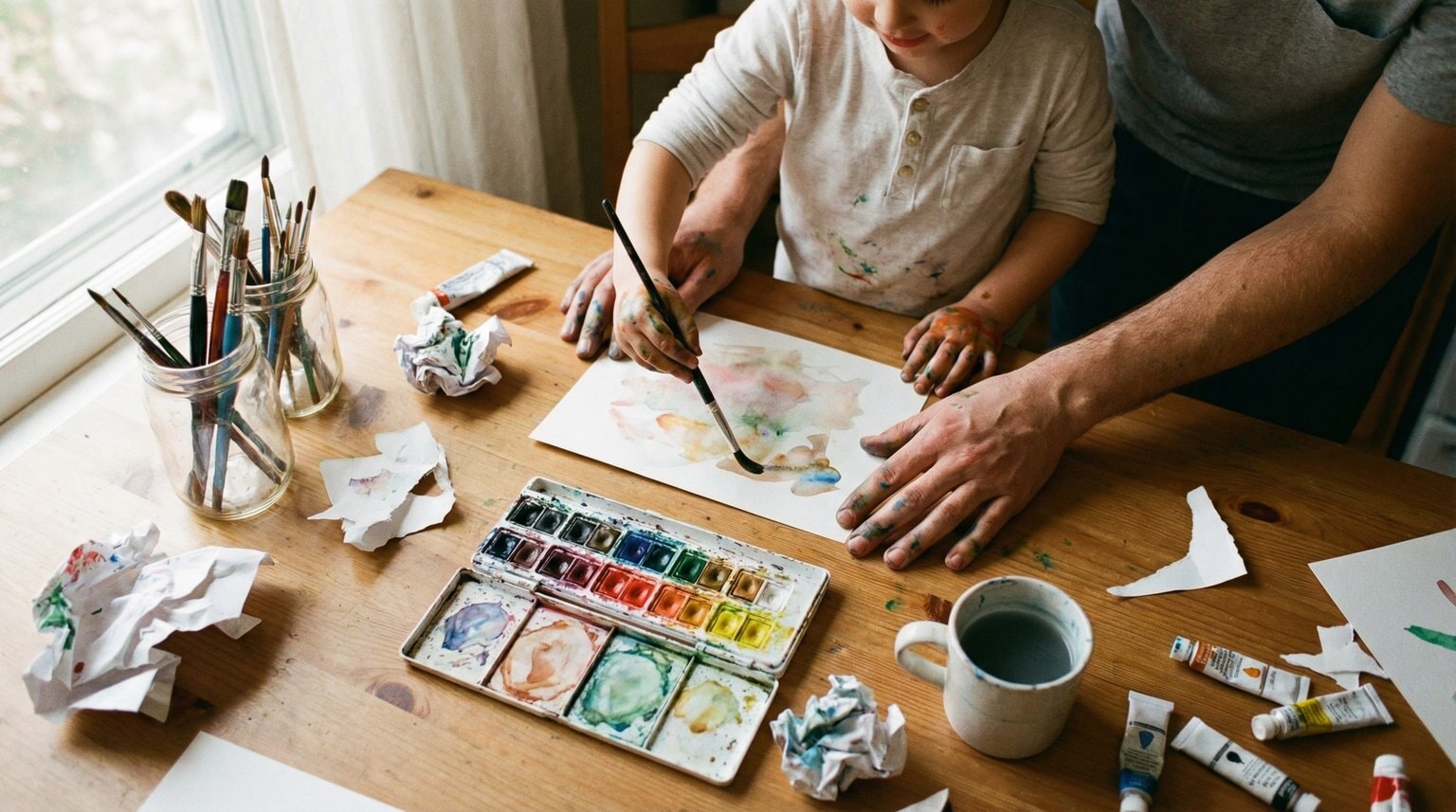
Art supply store + project (Low-cost) — Set a small budget, let them choose supplies, come home and make something together. Research on creative development suggests separating the “imagining” phase from the “building” phase encourages more original ideas—so brainstorm wildly before narrowing down.
Baking with intention (Low-cost) — Choose a recipe together, shop for ingredients, bake from scratch. The 4-year-old measures; the 12-year-old handles the oven. Everyone eats the results.
Photo walk (Free) — Each person takes 10 photos on a walk. Compare perspectives afterward. Works for any age with access to a camera or phone.
Learning Dates
Library deep dive (Free) — Go beyond grabbing books. Attend a program, explore a new section, let them check out something you’d never choose. My librarian heart beats for this one.
Skill swap (Free) — They teach you something (a video game, a TikTok dance, how to make a friendship bracelet). You teach them something (how to change a tire, make scrambled eggs, play chess).
Museum or science center (Splurge, or free with membership) — Focus on one exhibit instead of rushing through. Ask questions. Sit with what interests them, even if it’s not what you’d choose.
Service Dates
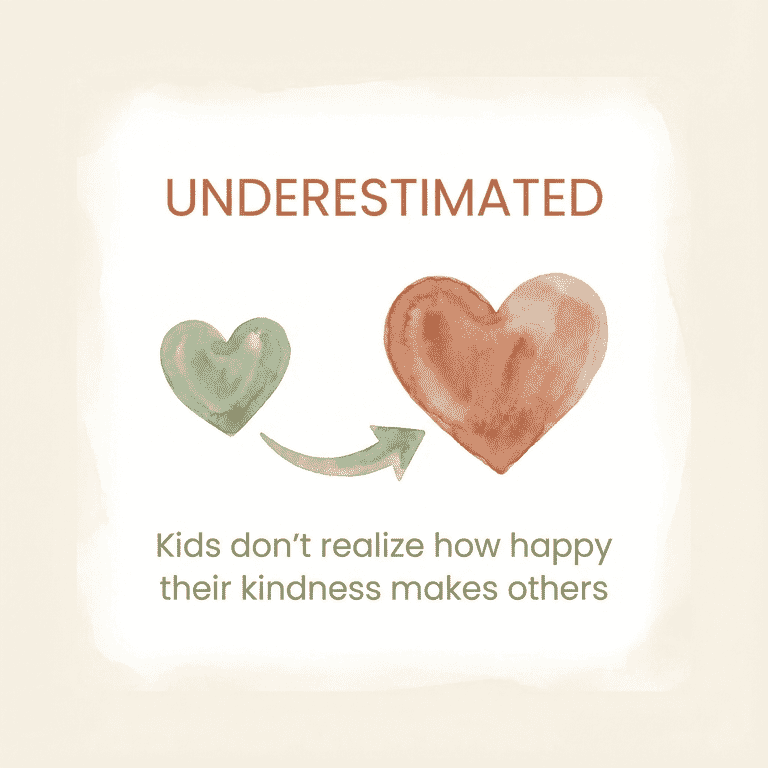
Research from Stony Brook University shows children feel genuinely good after performing kind deeds—and interestingly, they underestimate how happy recipients will be.
Neighbor helper (Free) — Bake cookies for an elderly neighbor, offer to walk a dog, pick up litter at a local park. Margaret Echelbarger, who conducted the research, notes: “It’s about those everyday moments. As humans, we need to connect with each other in meaningful ways.”
Care package creation (Low-cost) — Make blessing bags for people experiencing homelessness, or assemble care packages for deployed military members.
Community event volunteering (Free) — Work a booth at a local festival, help at a church event, or join a community cleanup. The key is doing it together.
Cozy Dates
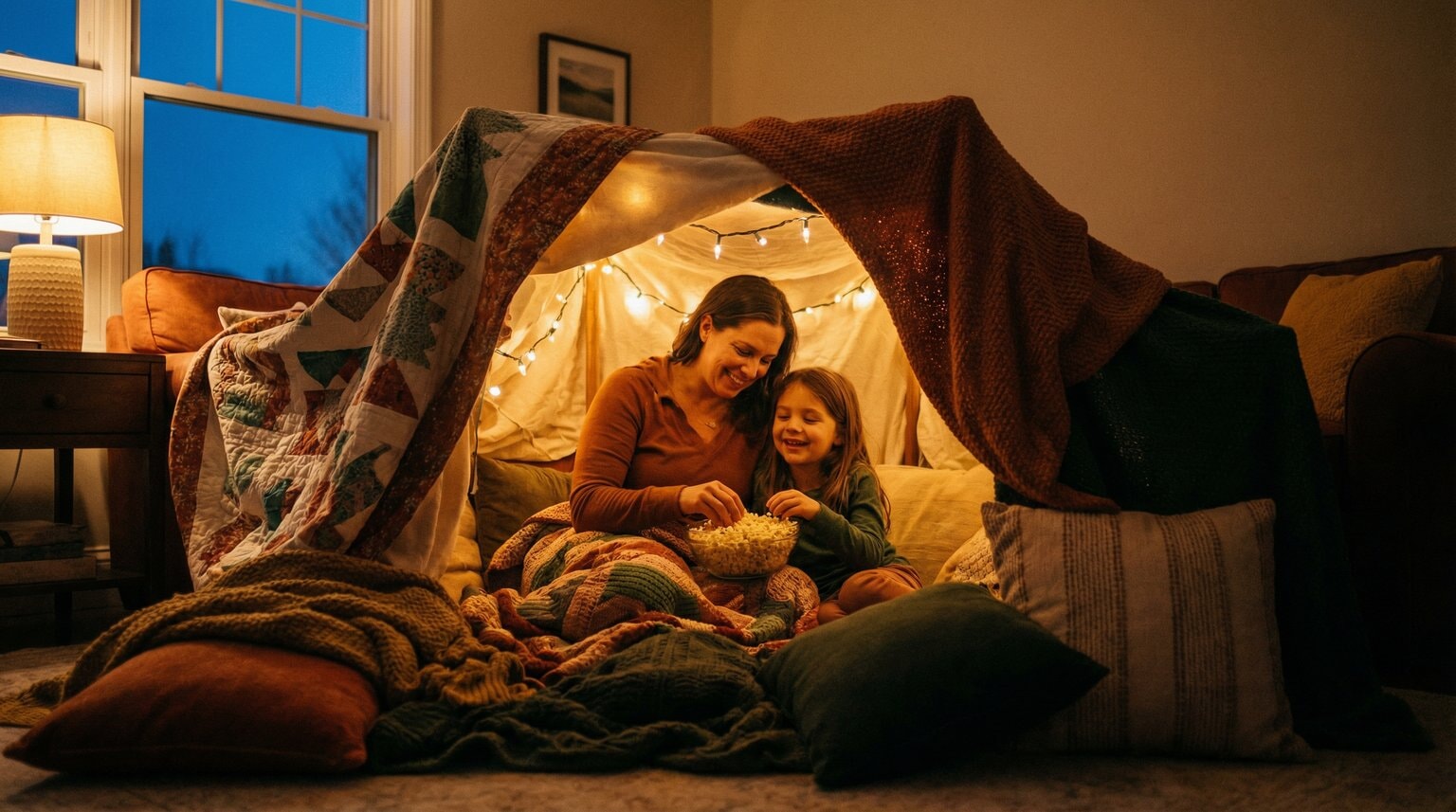
Blanket fort movie night (Free) — But make it intentional. Build the fort together. Make special snacks. Let them pick the movie (yes, even if it’s one you’ve seen 47 times).
Breakfast for dinner (Low-cost) — Pancake shapes, bacon art, the works. Something about the rule-breaking makes it feel like an event.
Puzzle or game marathon (Free) — Set aside a chunk of time without the pressure of finishing. Chat while you work. I’ve had some of my best conversations with my teenagers over 1,000-piece puzzles.
Celebration Dates
Half-birthday tradition (Low-cost) — Especially meaningful for kids with December or summer birthdays who feel overlooked. A small celebration just for them.
Seasonal first (Free to low-cost) — First hot chocolate of fall. First popsicle of summer. First snow adventure of winter. Mark the transitions together.
Gratitude dinner (Low-cost) — Once a year, go out to dinner (or make something fancy at home) and take turns sharing specific things you appreciate about each other. My kids find this embarrassing and also secretly love it.
Making It Special (Without Spending More)
Professor Julian Givi’s research confirms what my librarian brain suspected: “Pretty much every time you give a sentimental gift, it ends up being a home run. It really, really makes people happy.”
The presentation of time-based gifts matters more than you might think:
Create anticipation. The psychology research calls it “the anticipation effect”—looking forward to an experience can be just as rewarding as the experience itself. Use countdown calendars, “save the date” cards, or a monthly envelope system revealing each date.
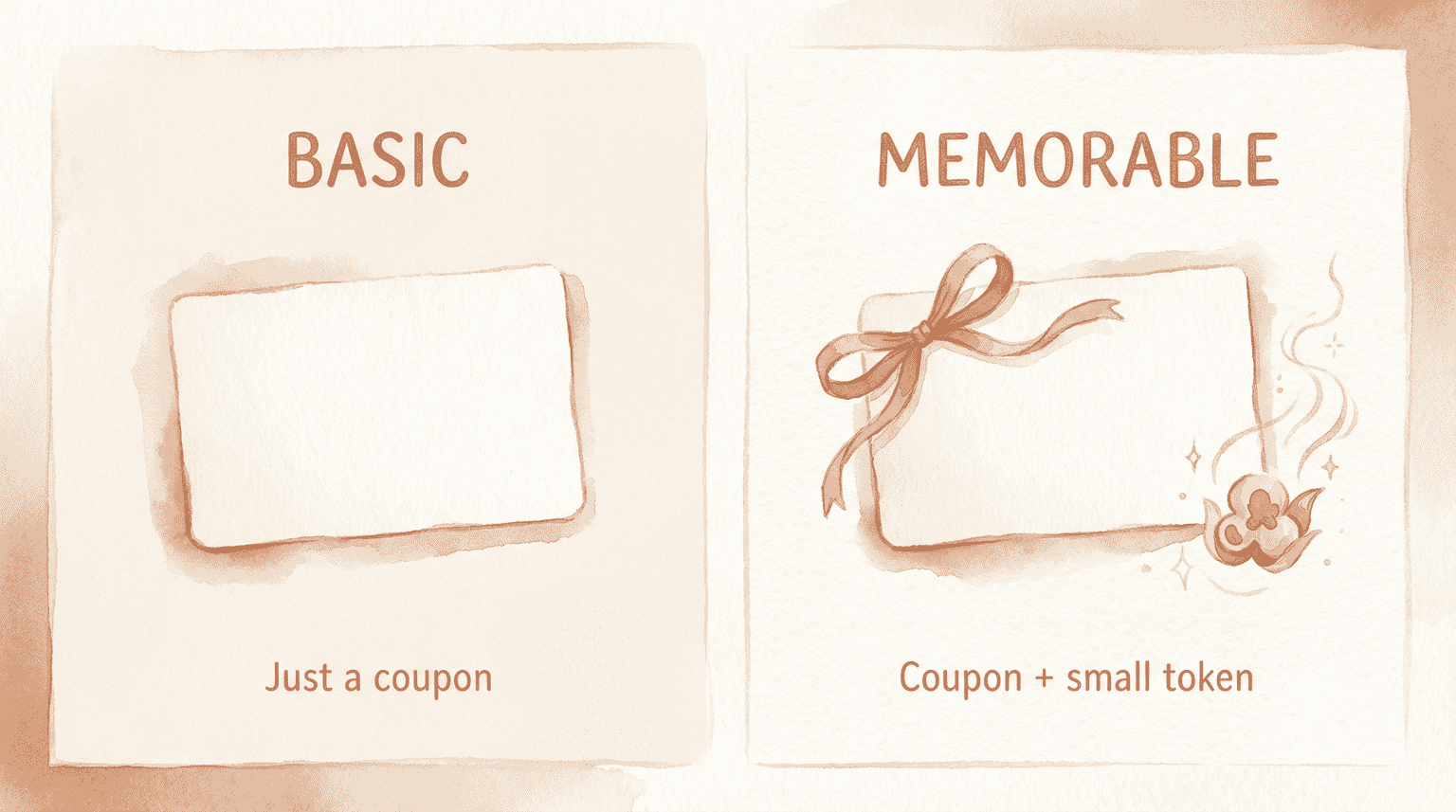
Make it tangible. Print a simple coupon. Create a calendar with dates marked. Put experiential gifts for kids in a small box with a related item (movie date coupon + a packet of microwave popcorn).
Let them help plan. “We’re having a creative date this month—what should we make?” gives them investment in the outcome.
After the Date: Conversations That Lock In the Memory
Here’s something that surprised me: University of Chicago research found that around age 6, children actually derive more happiness from material gifts than experiences. But as kids get older, pleasure from experiences increases and eventually surpasses material goods.
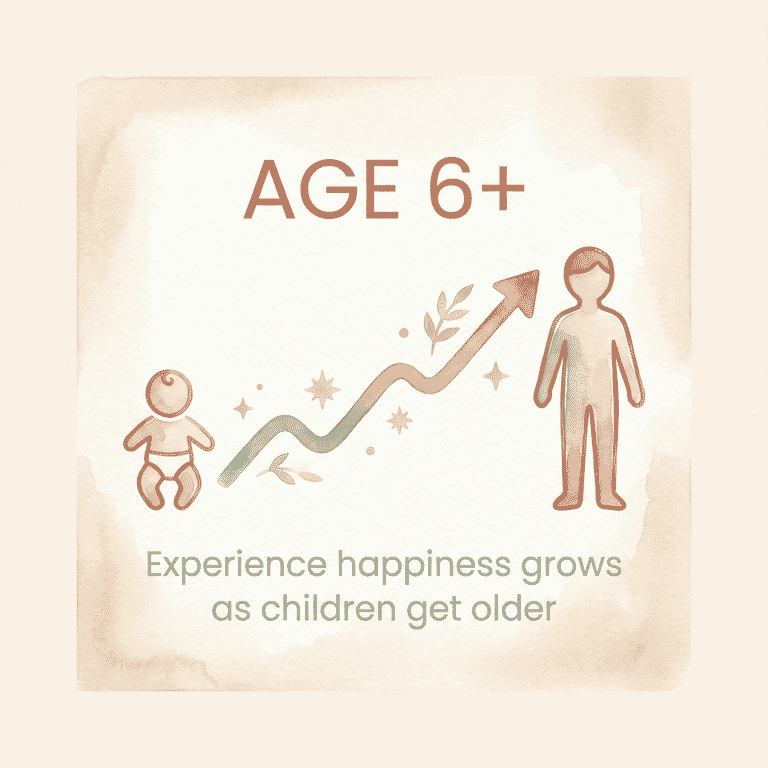
The key for younger children is reflection. They experience happiness during events, but afterward gravitate toward tangible items they can see and touch.
Parents can help by initiating deeper conversations that encode the experience as a meaningful memory rather than a vague positive feeling.
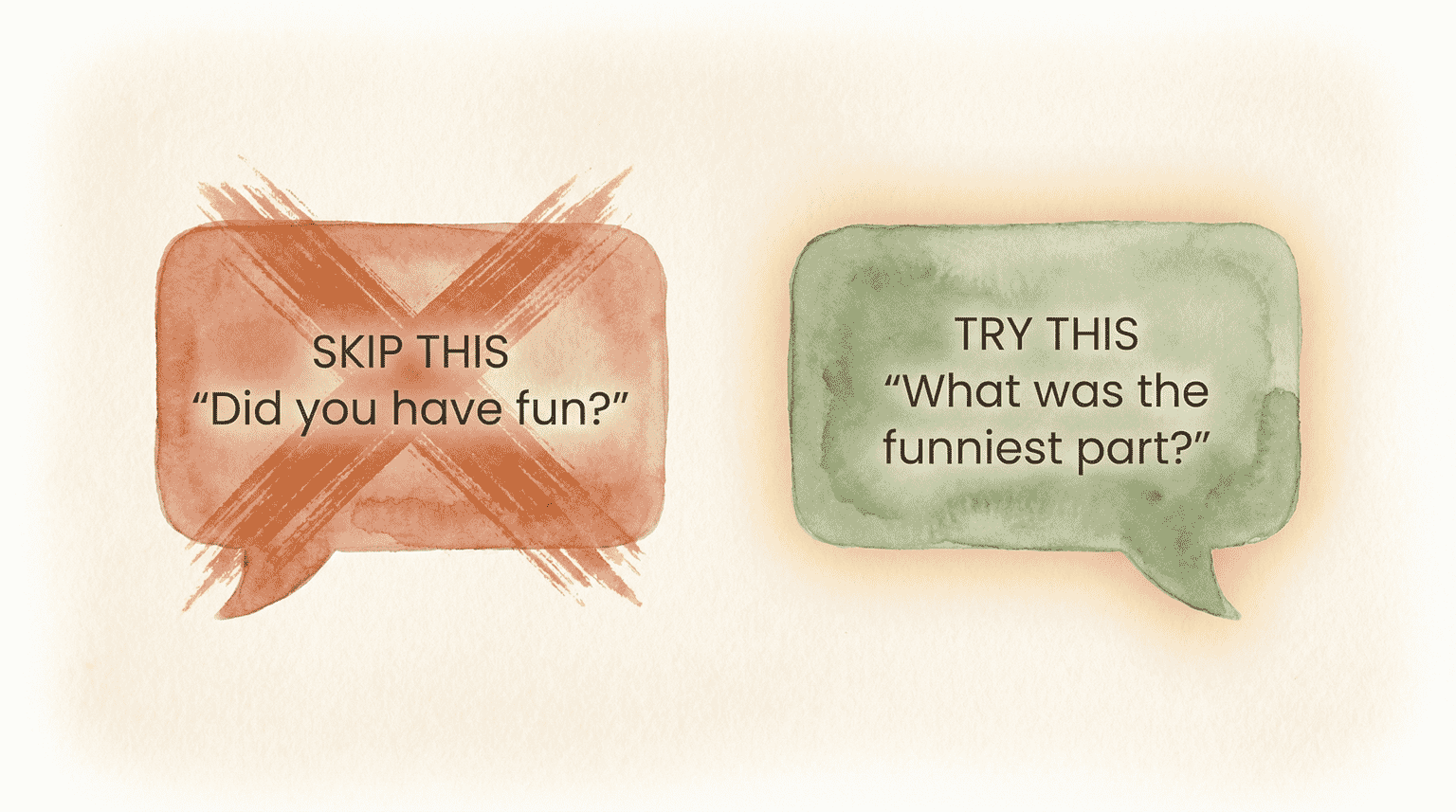
Instead of: “Did you have fun?”
Try: “What was the funniest part? What would you do differently next time? How do you think the person we helped felt?”
For older kids and teens, the same principle applies with more sophisticated questions:
- “What surprised you about today?”
- “Would you want to do something like this again, or try something totally different?”
- “What should we remember about this for next time?”
Documentation Ideas
I’m not suggesting you turn every date into a photography session—that defeats the purpose. But simple documentation helps experiences become part of family narrative:
Memory jar. After each date, write one sentence about it on a slip of paper. Read them all at the end of the year.
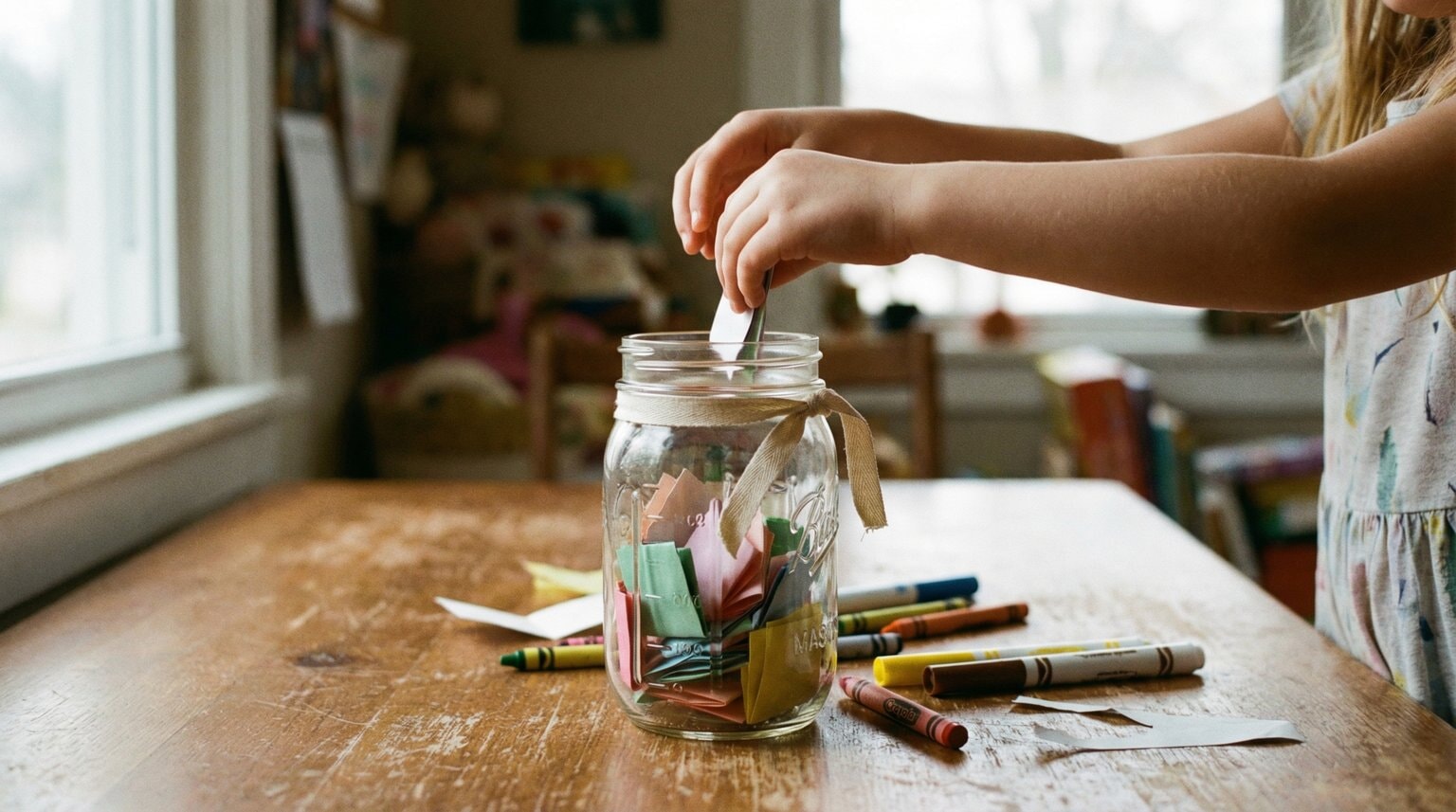
Photo book. One photo per date, compiled annually. My 17-year-old recently flipped through years of these and said, “I forgot we did half of these.” She didn’t forget the feeling—but the photos brought back specifics.
Date journal. Let your child keep a simple notebook where they draw or write about each experience. It becomes a keepsake they created themselves.
Frequently Asked Questions
What is a gift of time for kids?
A gift of time is an experiential present where parents give children dedicated one-on-one activities instead of material toys. Examples include nature hikes, baking together, or special outings. Research shows these shared experiences create stronger memories and lasting parent-child bonds.
How often should I schedule one-on-one dates?
Monthly is a sustainable rhythm for most families, though quality matters more than frequency. Even quarterly dates, done with full presence and intention, create meaningful connection.

What if my child doesn’t seem interested in experiences?
Younger children (around age 6) may genuinely prefer material gifts—this is developmentally normal. Help them build appreciation through reflection conversations afterward, and let them have input in planning future dates.
What are cheap activities to do with kids?
Carnegie Mellon research confirms cost doesn’t correlate with appreciation. Free options include nature walks, library visits, blanket fort movie nights, baking together, photo walks, or creating obstacle courses at home. The connection matters more than the expense.
Your Turn
What’s your go-to one-on-one date with your kid? I’d love to build a list of real ideas from real parents—especially the simple ones that cost nothing but feel special. What does your child request over and over?
I read every single one and save the best ideas for my own eight.
References
- The Guardian: The Art and Science of Gift-Giving – Research on experiences vs. material gifts
- University of Virginia: Boredom Can Be Great for Kids – Research on autonomy and child motivation
- Harvard Business School: Why Giving to Others Makes Us Happy – Research on active engagement and choice
- Stony Brook University: The Power of Giving – Research on kindness and children
- Psychology Today: What Makes Children Happier? – Age-related research on experience appreciation

Share Your Thoughts