
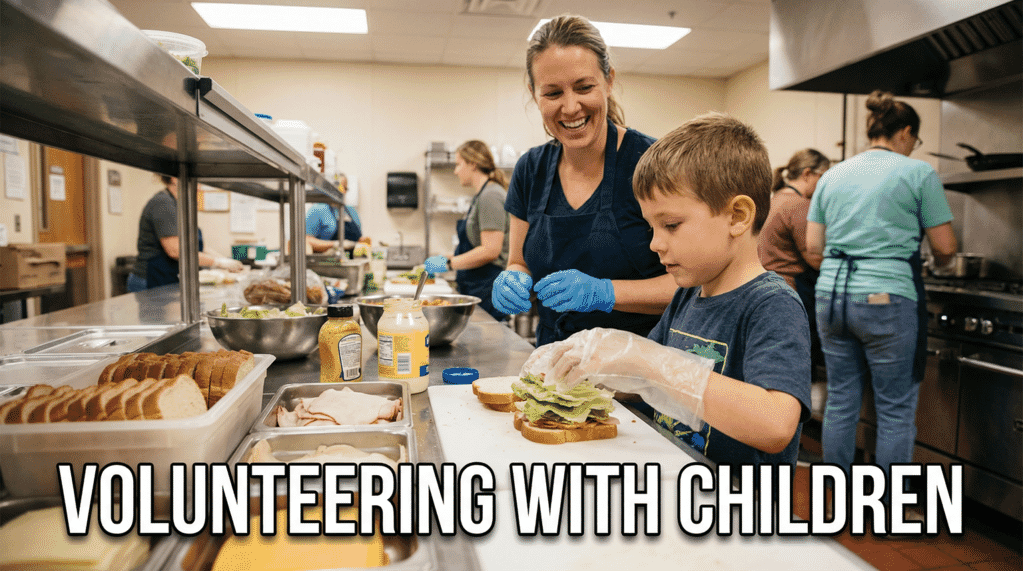
You’re standing in your kitchen, scrolling through volunteer opportunities, and nothing fits. The food bank wants volunteers 16 and older. The shelter requires a three-month commitment. Your 6-year-old is tugging your sleeve asking when she can “help the puppies.”
Here’s the thing: the research strongly supports getting your kids involved in service—but most volunteer programs weren’t designed with families in mind. So how do you actually make this work?
I’ve spent six years figuring this out with eight kids spanning ages 2 to 17. Some attempts flopped spectacularly (the time my then-4-year-old announced “I’m BORED” ten minutes into a park cleanup). Others became traditions we still talk about. Along the way, my librarian brain couldn’t help but dig into what the research actually says about volunteering and child development.
Turns out, the science is compelling—and the practical path is more accessible than those age-restricted volunteer postings suggest.
Key Takeaways
- Kids who volunteer show 35% higher odds of flourishing and fewer behavioral problems according to a 2023 JAMA study
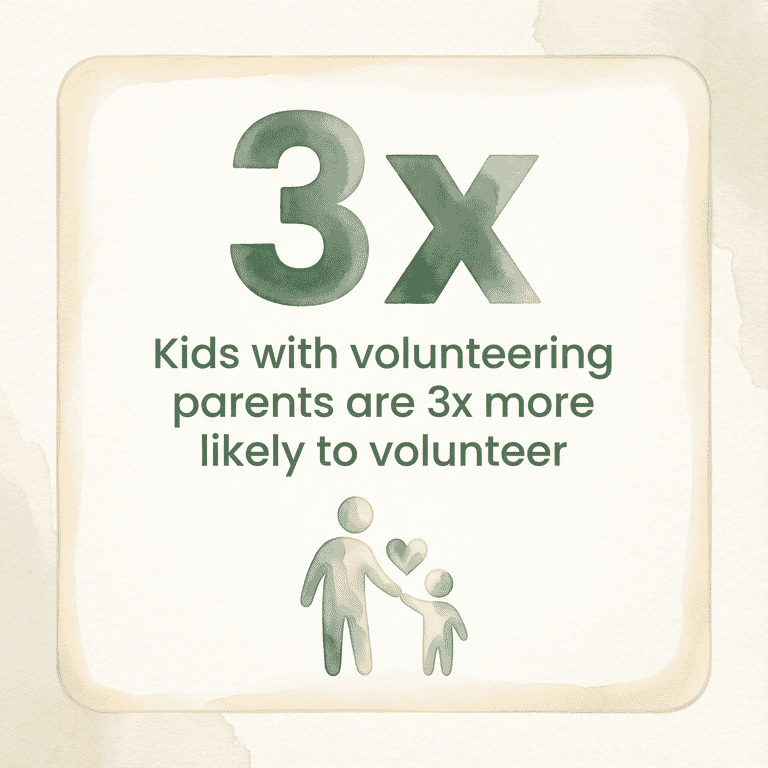
- Children with a volunteering parent are nearly three times more likely to volunteer regularly themselves
- Start with quick 30-60 minute activities to build positive associations before committing to longer projects
- Structured reflection after volunteering significantly increases the developmental benefits for children
Why Family Volunteering Pays Off (The Research)
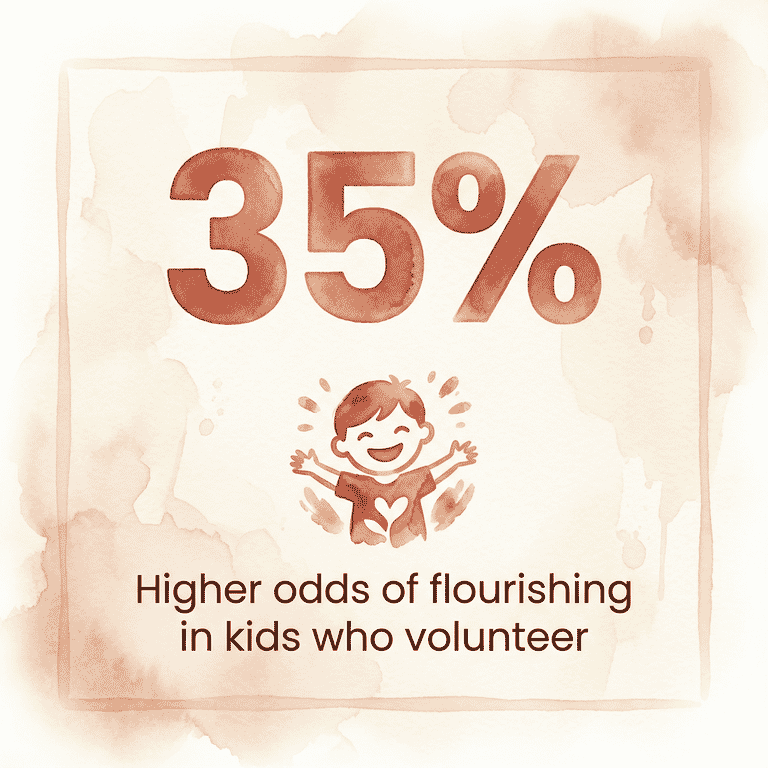
A 2023 study published in JAMA Network Open examined nearly 52,000 children and teens and found striking differences between kids who volunteered and those who didn’t. Children ages 6-11 who volunteered had 35% higher odds of flourishing—defined as being curious, able to complete tasks, and staying calm when facing challenges. They also showed 36% lower odds of behavioral problems.
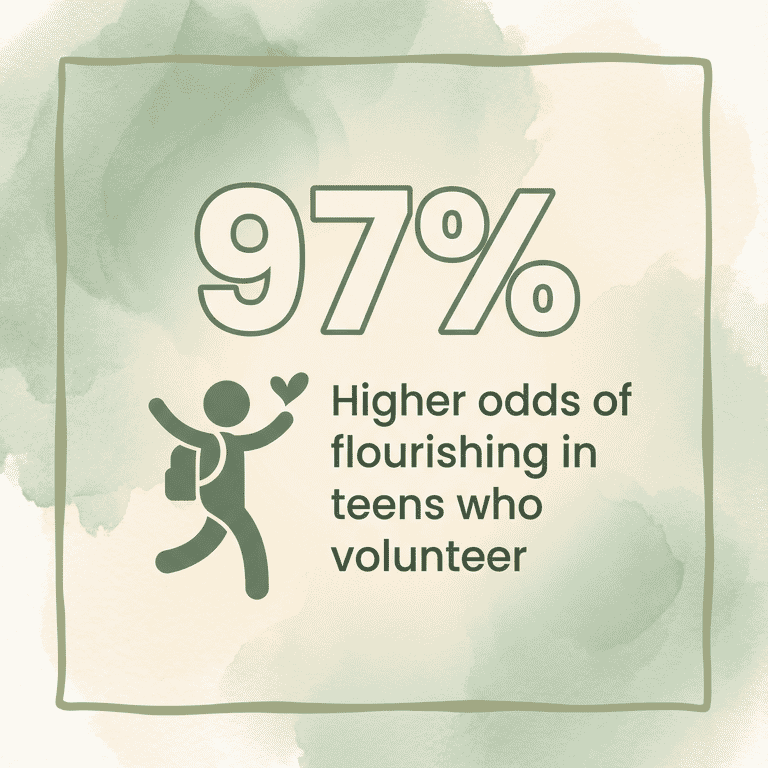
For adolescents, the effects were even stronger. Teens who volunteered were 97% higher odds of flourishing and 26% less likely to experience anxiety compared to non-volunteering peers.
Let that sink in. Nearly double the odds of thriving, just from helping others.
The teen data is particularly striking for parents worried about adolescent mental health. In an era of rising anxiety, volunteering offers a surprisingly accessible intervention.
These benefits held true across different types of service and various time commitments.
“These study results bring optimism that youth volunteering could be a win-win, where youth are serving society to their own benefit. Further, youths may be joined by household members… strengthening social bonds while building community.”
— Dr. Kevin Lanza, UTHealth Houston School of Public Health
What’s happening in the brain? According to researchers at the Institute for Family Studies, volunteering activates the reward center and releases endorphins, dopamine, and serotonin—the same chemicals that make us feel happy and connected. When my 10-year-old comes home from helping at the animal shelter, that “glow” isn’t just my imagination. It’s neurochemistry.
The long-term picture is equally compelling. Research from the Corporation for National and Community Service shows kids who volunteer regularly are 50% more likely to be engaged in their communities as adults. And developmental psychologists have identified five key capacities that volunteering builds: competence, confidence, connection, character, and caring.
If you’re working on teaching kids values around giving, volunteering is where those abstract concepts become lived experience.
Volunteer Activities That Actually Work
Dr. Lanza’s research confirmed something I’ve observed at home: “There is a wealth of volunteering options for youth in different settings—parks, schools, hospitals—and with different purposes, such as environmental conservation or health promotion.” The setting matters less than the match to your child’s interests.
Here’s what works across different cause areas:
Animals
Shelter visits work well for ages 5+ with a parent present. Dog walking programs typically require age 8+, though some shelters allow younger kids to help with cat socialization. Wildlife habitat projects (building birdhouses, creating pollinator gardens) engage kids as young as 6.
Hunger and Food Security
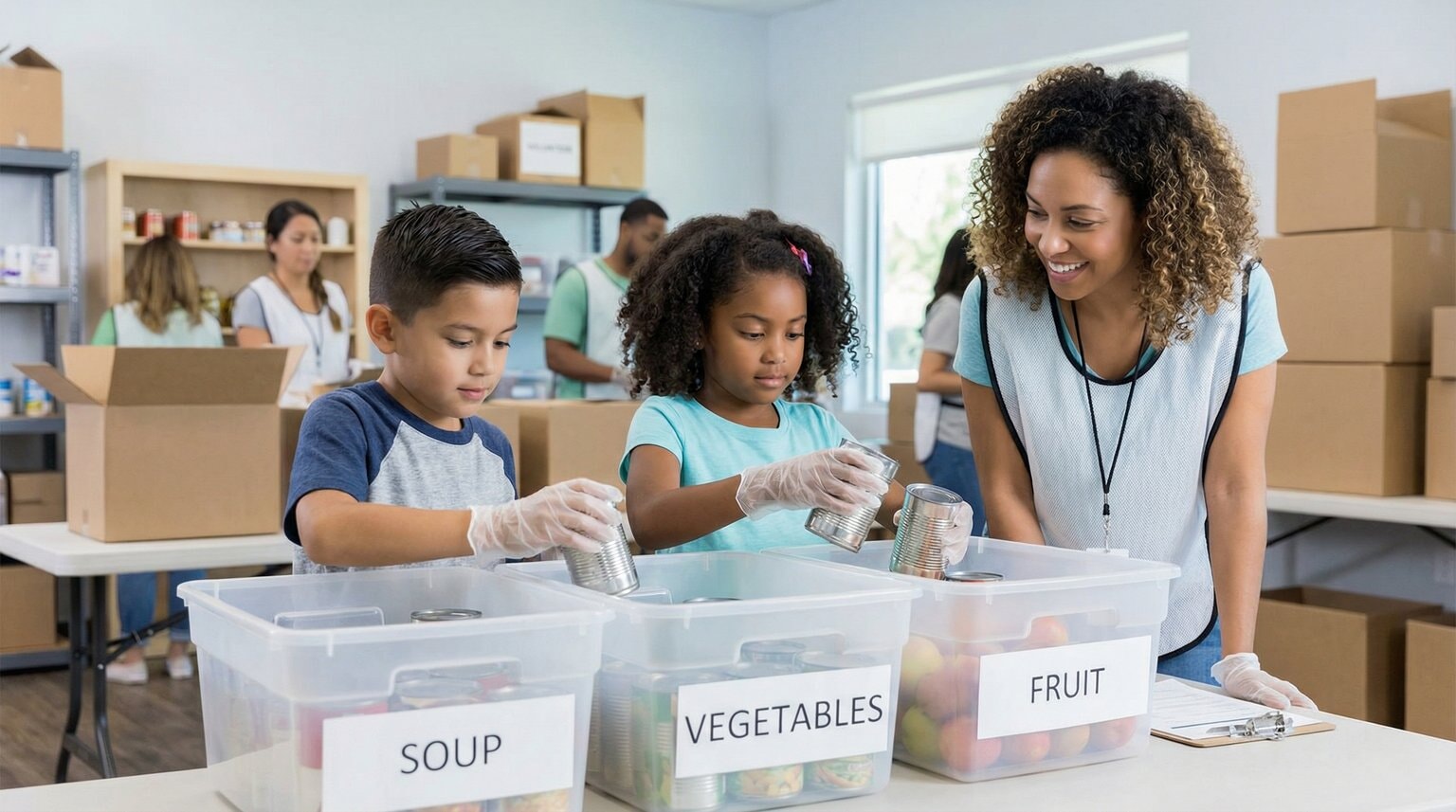
Food bank sorting is accessible starting around age 5—my kids loved the “grocery store game” aspect of organizing cans. Meal preparation programs work for ages 7+ depending on the organization. Food drives involve all ages and teach logistics without requiring a specific facility.
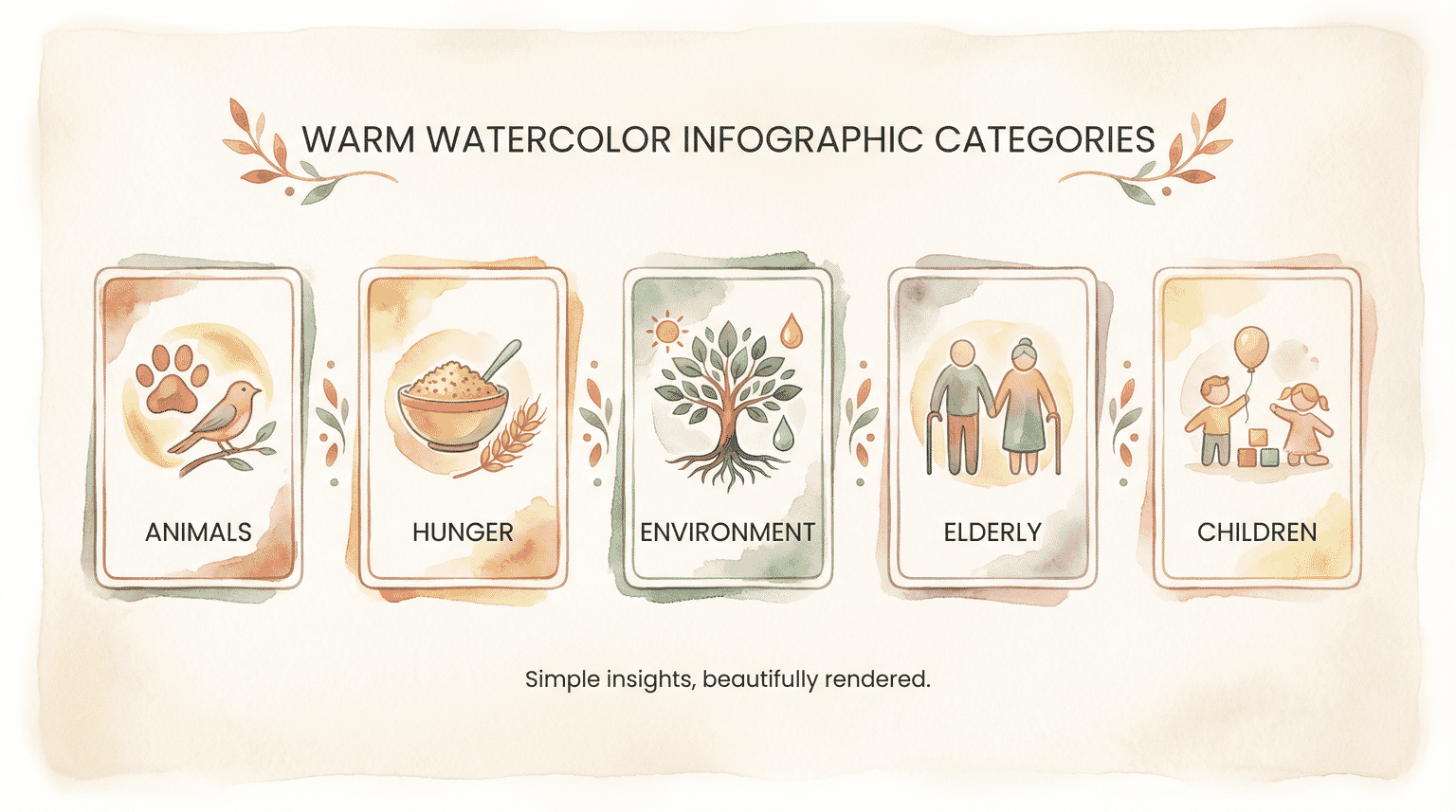
Environment
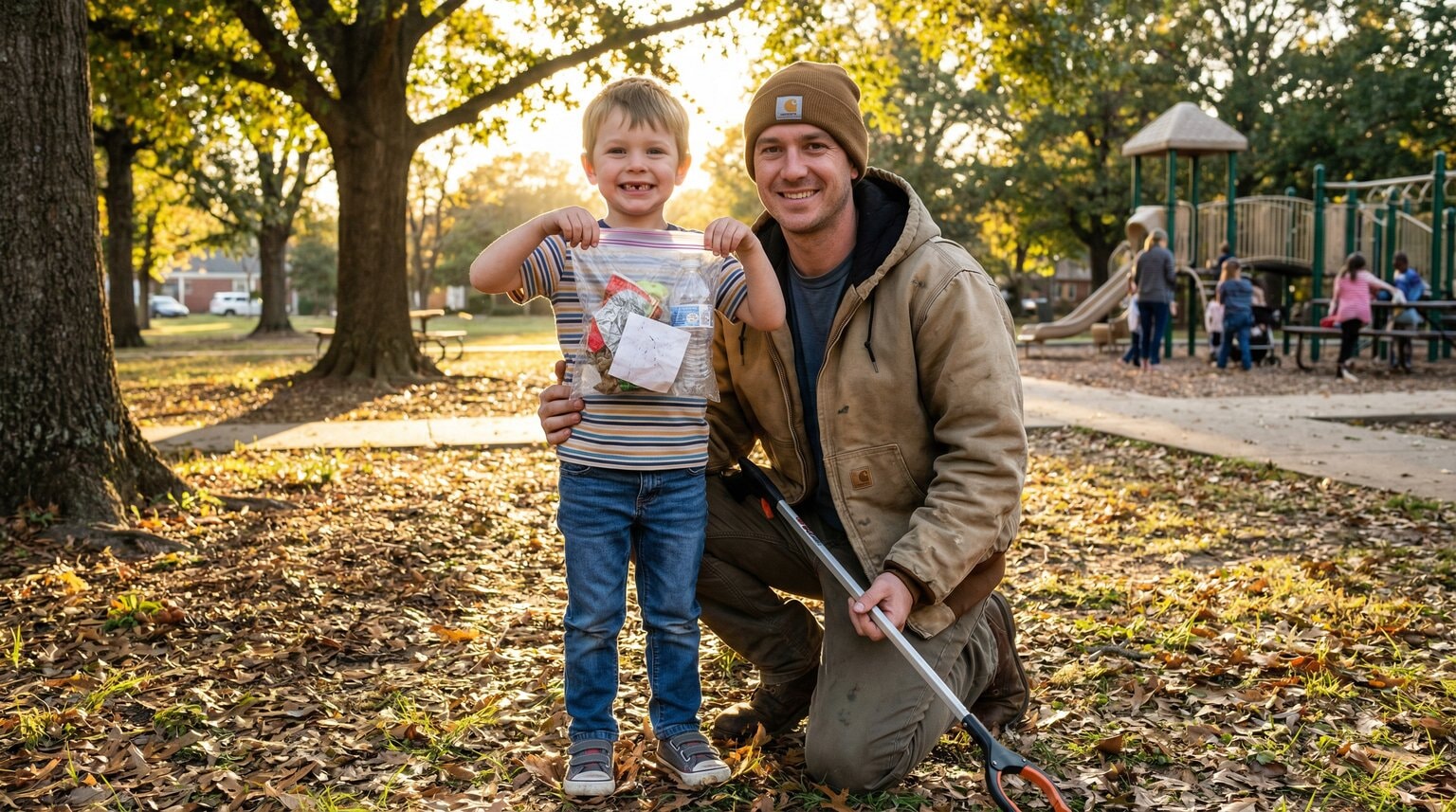
Park cleanups are my go-to starting activity for ages 4+. Keep first attempts short (30 minutes maximum). Community gardens welcome families with kids ages 5+. Tree planting events typically work for ages 6+ with parental help.
Elderly and Isolated Individuals
Card-making can start as young as age 3—toddler scribbles are genuinely appreciated by nursing home residents. Formal visit programs usually require ages 6+ with a parent. Tech help (teaching seniors to video call grandchildren) engages kids ages 10+ who love feeling like experts.
Children in Need
Toy drives work at all ages and connect directly to kids’ understanding of gifts. Reading buddy programs typically start at age 8, when reading fluency is established. School supply packing works for ages 5+ and feels tangible.
At-Home Options
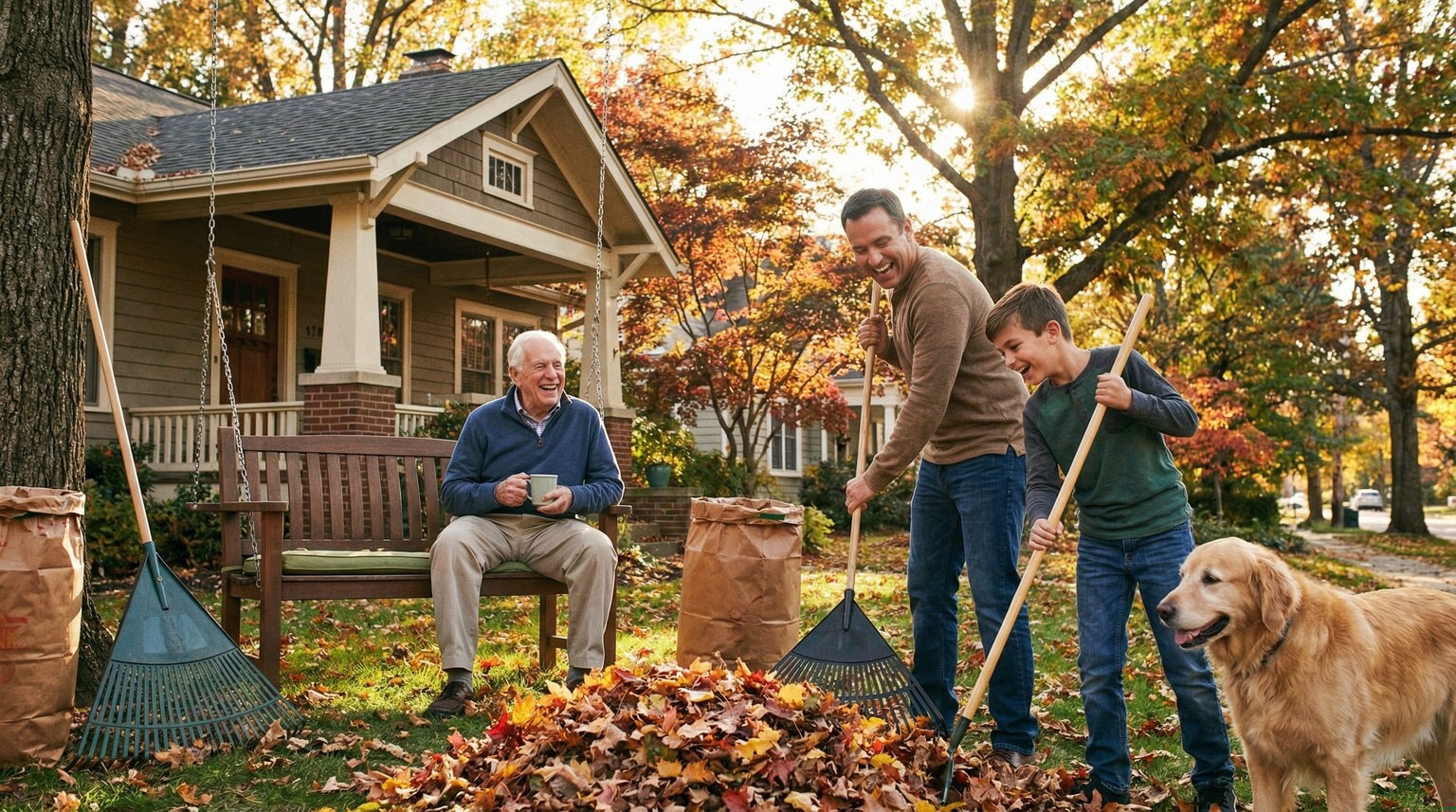
Don’t overlook what you can do without leaving the house: assembling care packages, writing letters to deployed military members, or simply helping elderly neighbors with yard work. My kids have done more “volunteering” on our street than through formal organizations.
Matching Your Family’s Time
Here’s the research finding that surprised me most: an umbrella review examining 43 studies found that volunteering 1-10 hours monthly produced significant psychological benefits, with no additional effect above that threshold for immediate wellbeing gains.
However, the Journal of Youth Development notes that for optimal developmental outcomes, approximately 100 hours annually (about 8 hours monthly) correlates with the greatest benefits. That’s a bigger commitment—but it doesn’t have to happen all at once.
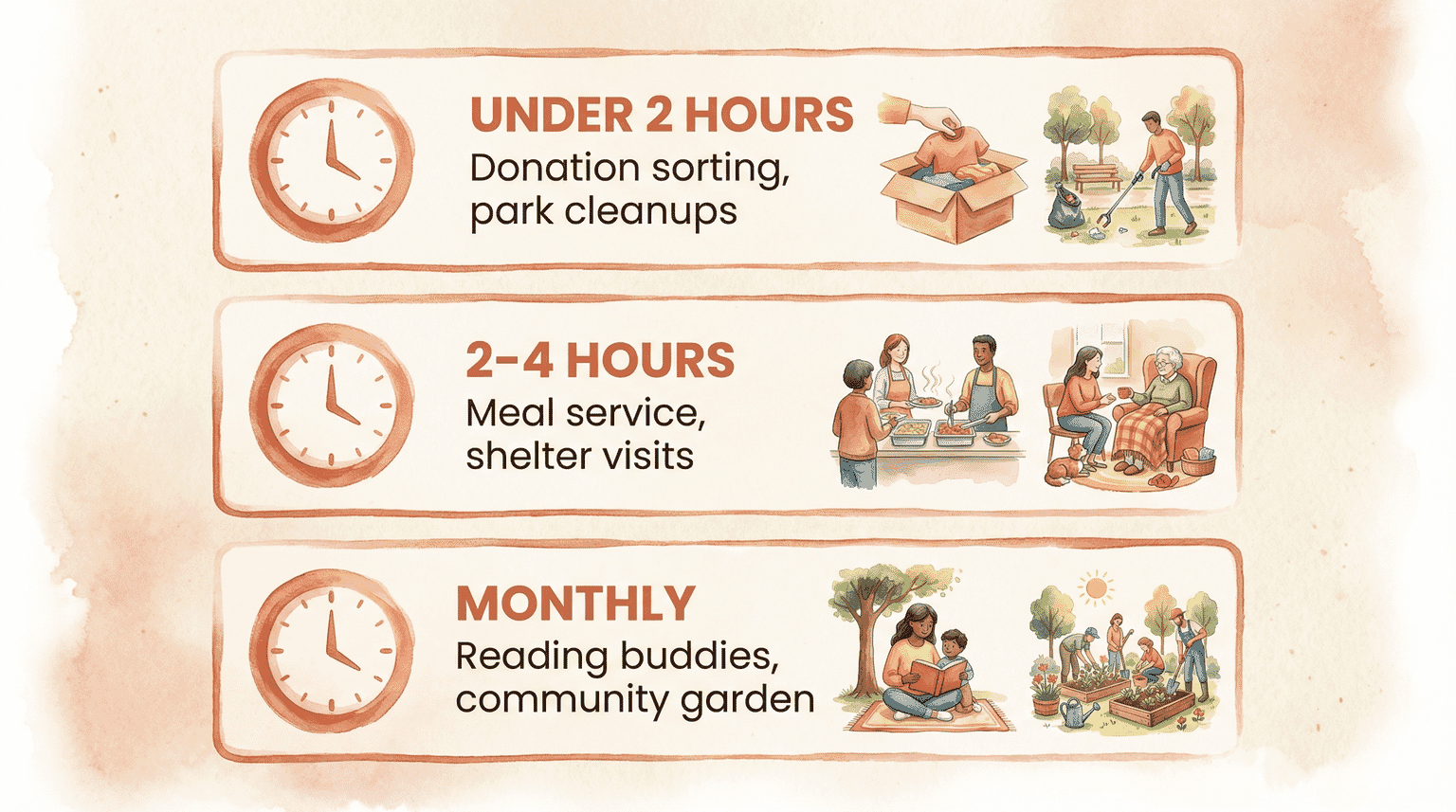
Quick options (under 2 hours): Donation sorting, park cleanups, card-making sessions. Perfect for testing interests or fitting into busy weeks.
Half-day commitments (2-4 hours): Meal service at shelters, habitat restoration projects, animal shelter visits. These allow for deeper engagement without exhausting young kids.
Ongoing projects (monthly commitment): Reading buddy programs, community garden plots, regular shelter volunteering. These build relationships and routine but require family calendar buy-in.
Start with the quick options. I learned the hard way that a resistant 7-year-old on a 4-hour commitment makes everyone miserable.
Finding Local Opportunities
Before you create accounts on volunteer matching websites, look closer to home.
Your child’s school likely has service projects—PTA events, classroom support, grounds beautification. Houses of worship coordinate community meals, holiday programs, and visiting homebound members. Your neighborhood probably has elderly residents who’d welcome help with groceries, yard work, or just conversation.
Seasonal opportunities provide natural entry points: food drives before Thanksgiving, toy collections in December, park cleanups in spring, school supply drives in August. Some families tie service to celebrations—birthday giving traditions can make volunteering personally meaningful while taking the pressure off finding the “perfect” time.
Independent family volunteering—without organizational sign-up—is underrated. Baking cookies for the fire station, picking up litter at your local park, or shoveling a neighbor’s driveway all count. My kids often prefer these because they see immediate, local impact.
Making It Fun (Not Forced)
Research from parenting studies reveals a crucial insight: children with a volunteering parent are nearly three times more likely to volunteer regularly themselves. Modeling matters more than mandating.
But even with great modeling, kids push back. Here’s what the research (and my eight-kid experience) suggests for getting reluctant volunteers on board.
The key is removing friction while building genuine enthusiasm—not forcing compliance.
Connect to what they already care about. The Institute for Family Studies emphasizes selecting activities that connect to children’s interests or perceived injustices. My animal-obsessed 8-year-old will happily spend hours at the shelter. My 12-year-old who hates “anything with animals” thrives at the food bank’s inventory system.
Include friends when possible. Research shows children are significantly more likely to participate when peers join. A group park cleanup with your child’s friends transforms obligation into social event.
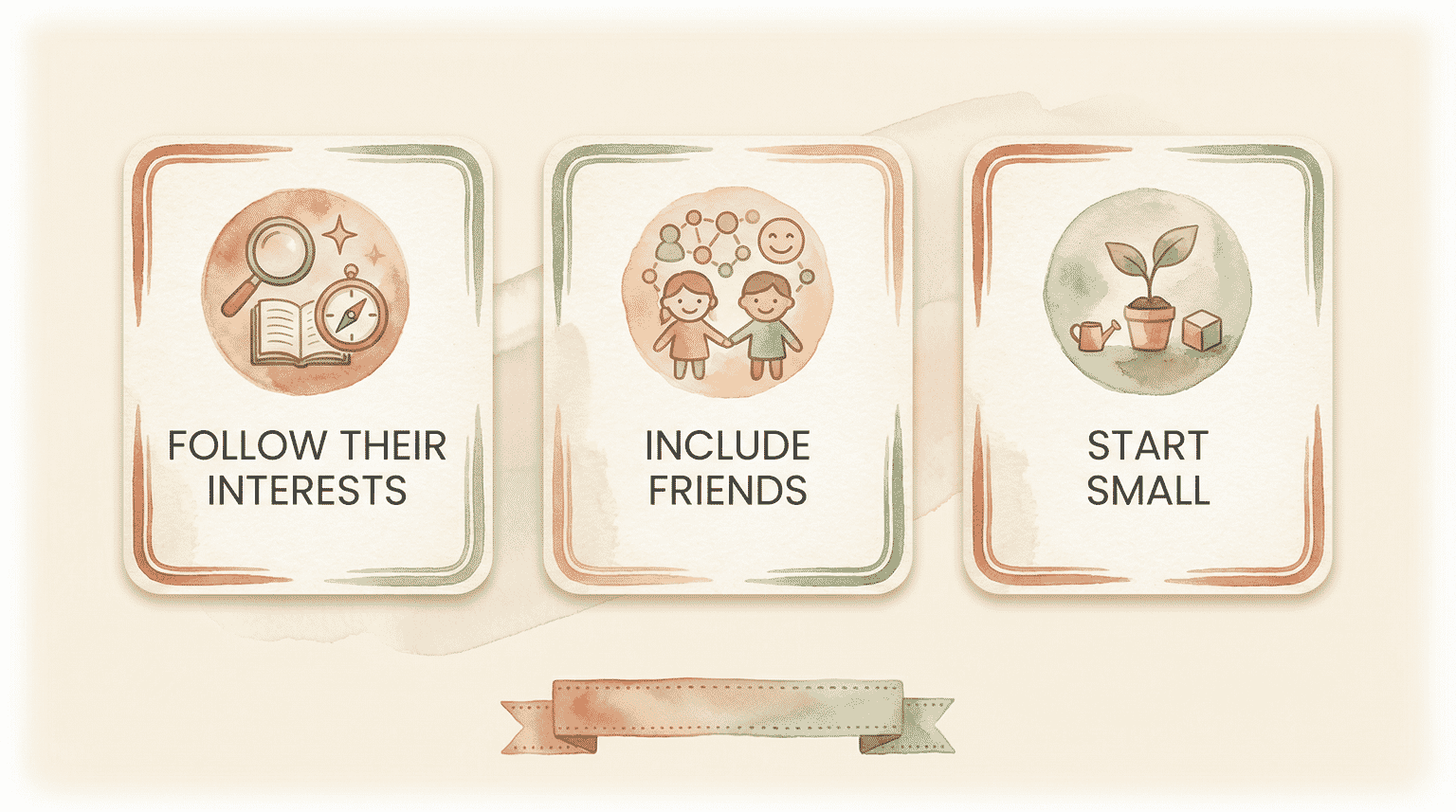
Start absurdly small. First experiences should be 30-60 minutes maximum. You can always do more next time. You cannot undo a meltdown that makes everyone dread volunteering.
Let them choose from curated options. Rather than asking “Do you want to volunteer?” (easy no), offer “Would you rather help at the animal shelter or the food bank this Saturday?” Autonomy increases buy-in.
Watch for warning signs you’re pushing too hard: consistent complaints before each activity, clock-watching during service, or relief rather than satisfaction afterward. Some kids need longer to warm up. Others genuinely aren’t ready. Both are okay.
Reflection Practices That Multiply the Benefits

Here’s a research finding that changed how we approach family volunteering: an umbrella review found that structured reflection “increased benefits most consistently” across studies. Simply doing the activity isn’t enough—talking about it matters.
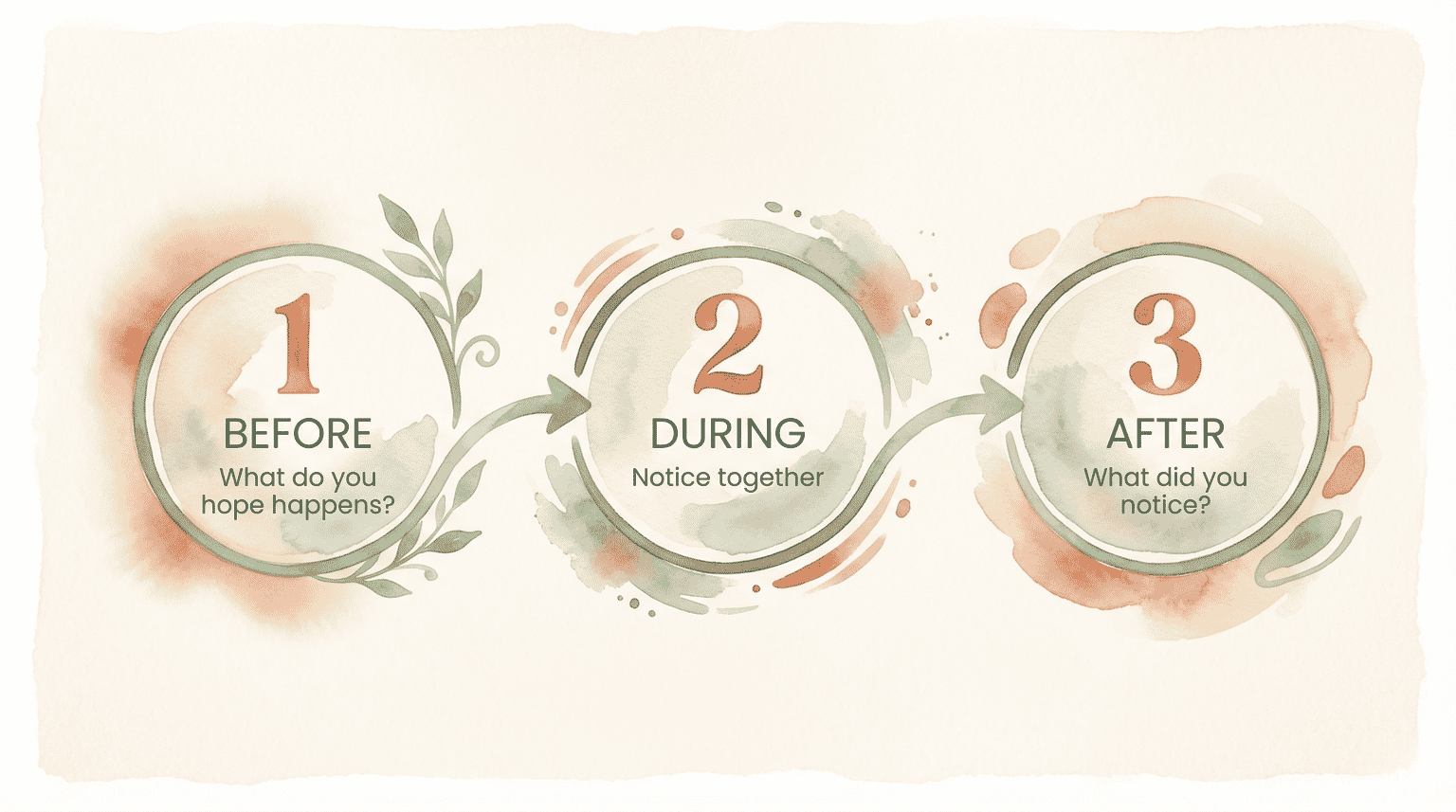
This doesn’t require anything elaborate. I use three simple questions:
Before: “What do you hope happens today?” This sets intention without pressure.
During: Name what you’re observing together. “Did you notice how happy Mrs. Johnson looked when you read to her?” Shared observation builds connection.
After: “What did you notice? How did it feel? What would you do differently?” These open-ended questions process the experience without turning it into a quiz.
The reflection doesn’t happen at a formal debrief—it happens in the car ride home, at dinner, or tucked into bedtime conversation. My 15-year-old would shut down if I announced “reflection time.” But she’ll talk for twenty minutes if I casually ask what she noticed.
Frequently Asked Questions
What age can kids start volunteering?
Children can begin simple activities as young as 3-4 with full parent partnership—research shows empathy development begins around age 2. Card-making, food drives, and neighborhood helping work for preschoolers. Structured activities like food bank sorting become realistic around ages 5-6.
How often should families volunteer together?
Research identifies two thresholds: 1-10 hours monthly produces immediate psychological benefits, while approximately 100 hours yearly (8 hours monthly) correlates with optimal developmental outcomes. Start monthly and adjust based on your family’s capacity and your child’s enthusiasm.
How do I get my reluctant child interested?
Connect volunteering to something they already care about—an animal they love, a problem that seems unfair. Include friends when possible. Most importantly, volunteer yourself and let them observe before requiring participation.
Does volunteering actually help with kids’ anxiety?
Yes. The JAMA study found adolescents who volunteered had 26% lower odds of anxiety. Volunteering provides sense of purpose and meaningful social connection—two factors that protect against anxiety.
What About You?
Have you volunteered as a family? I’d love to hear what’s worked with different ages—especially activities that kept younger kids engaged without requiring adult-only commitment levels.
Your real-world volunteering stories help other families find their perfect fit.
References
- JAMA Network Open Study (2023) – National Survey of Children’s Health data on volunteering and youth wellbeing
- UTHealth Houston School of Public Health (2023) – Research summary on volunteering benefits for children and teens
- Institute for Family Studies (2023) – Guidance on family volunteering and brain science
- Charitable Advisors (2025) – Long-term outcomes of youth volunteering
- Journal of Youth Development (2022) – Literature review on volunteering and healthy youth development

Share Your Thoughts