
Standing in the toy aisle last December, I watched a dad stare at the wall of options with the same glazed expression I’ve worn dozens of times. His cart already held three boxed toys. He was reaching for a fourth when his phone buzzed—probably his partner asking if he’d found “the right thing” yet.
I wanted to tap him on the shoulder and say: the right thing might not be on these shelves at all.
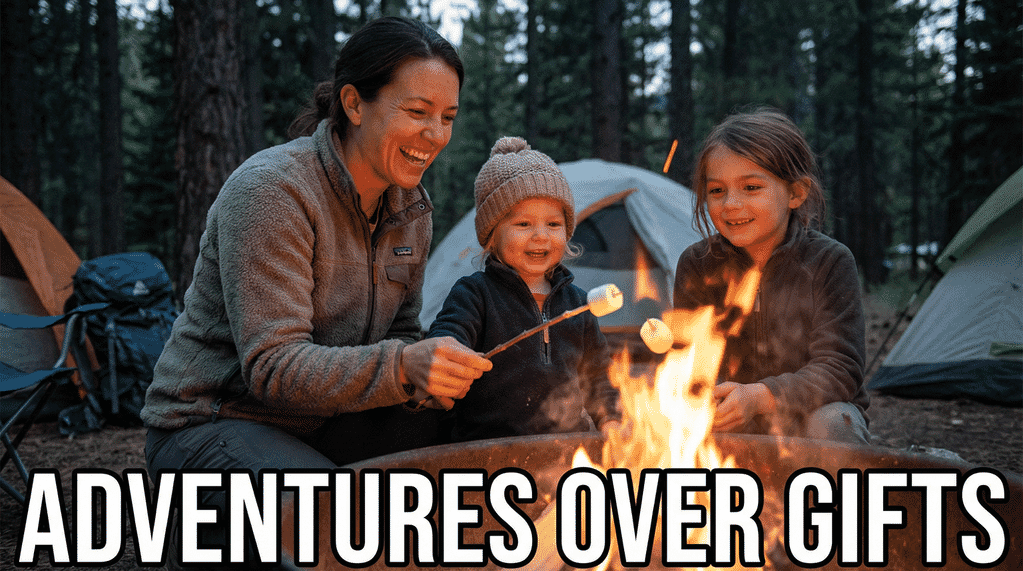
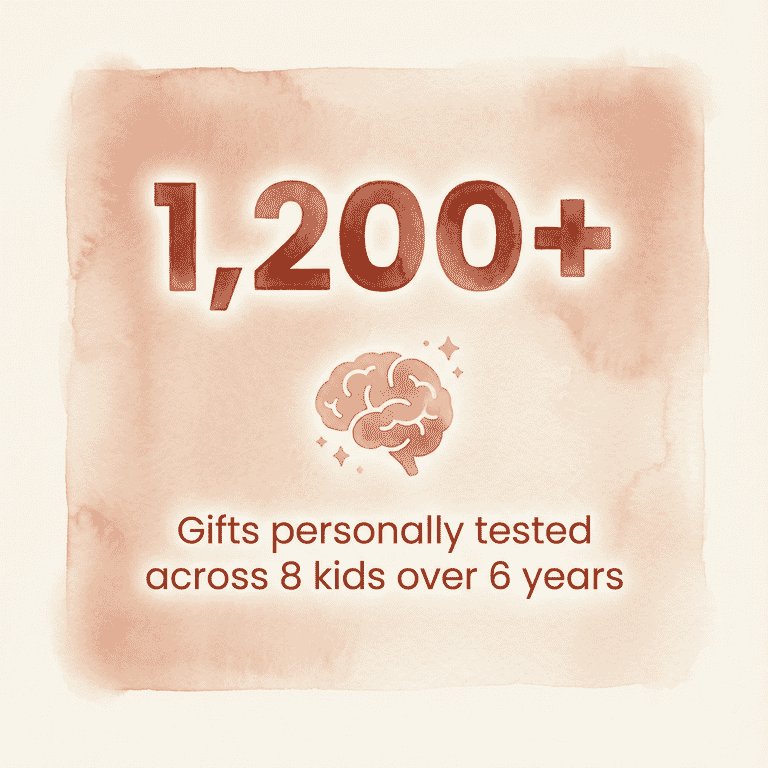
After nearly 1,200 gifts tested across my eight kids, I’ve watched the pattern repeat: the expensive toy that gets abandoned by January 3rd, the cheap trinket that inexplicably becomes a treasure, and—most consistently—the experiences that get retold at dinner tables for years. My 15-year-old still talks about the “terrible” camping trip when she was 7 (the tent collapsed, the s’mores caught fire, she loved every minute).
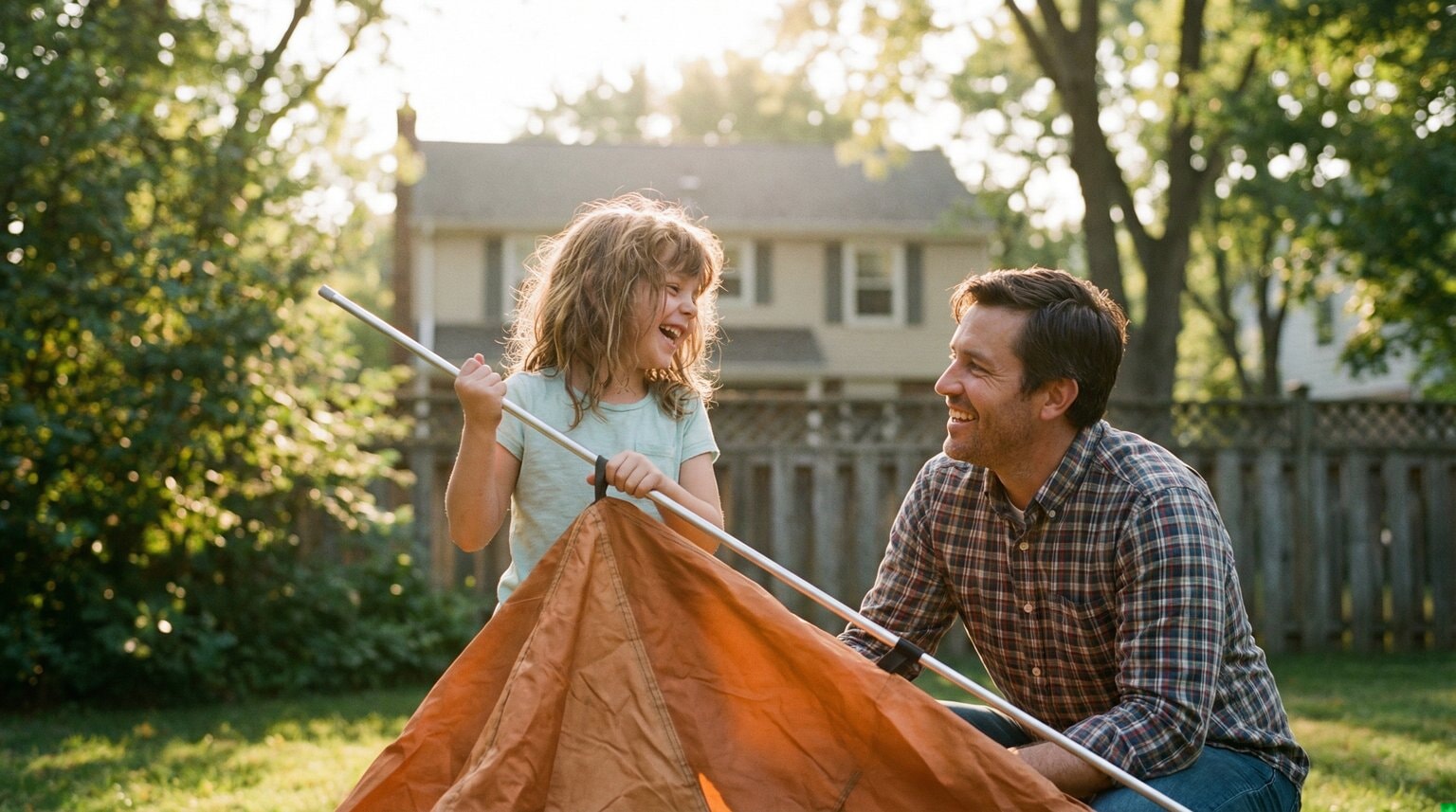
Here’s what the research actually shows: experience gifts create something material presents simply cannot replicate.
“Gifting experiences is a great alternative to traditional gift-giving, saving you the stress of shopping and the expense of purchasing that perfect gift. Better still, the gift of experiences offers something that no other gift does – memories.”
— Christopher Sneed, Consumer Economics Specialist, University of Tennessee Extension
A 2024 study on gift psychology explains why this works neurologically. When children receive an experience gift, their brains release dopamine—the same chemical that makes them excited on Christmas morning. But here’s the fascinating part: that dopamine is critical for forming and consolidating long-term memories in the hippocampus. The excitement literally encodes the memory more deeply.
Material gifts sit in closets. Adventures accumulate in the stories your family tells.
Key Takeaways
- Experience gifts trigger dopamine that encodes memories more deeply than material presents
- Children under 6 actually prefer material gifts developmentally—pair experiences with tangible keepsakes for this age group
- The memory-making process has three phases: anticipation, experience, and reminiscence—all three matter equally
- Match adventure complexity to your child’s age and interests—simple nature walks work for toddlers while escape rooms engage teens
- “Travel” doesn’t require plane tickets—staycations and road trips create equally powerful family memories
Why Adventures Create Lasting Memories
The memory-making mechanism behind adventure gifts involves more than just “having fun together.” Research from Stanford’s Lifestyle Medicine program found that experiential gifts create greater relationship strength than material gifts—and here’s what surprised me—this effect occurs even when the gift-giver isn’t present during the experience.
So when grandparents gift museum memberships they won’t use alongside the kids, the relationship benefit still happens.
“Things accumulate in physical space and must eventually be disposed of. Experiences only accumulate in our memories, our digital photo albums, and ideally in the shared history we build with important people in our lives.”
— Steven Crane, Research Scholar, Stanford’s Behavior Design Lab
What makes this work developmentally? Adventure gifts engage three memory pathways simultaneously: novelty (the brain pays attention to new environments), emotion (shared excitement strengthens encoding), and social connection (experiences with loved ones create relationship memories, not just event memories).
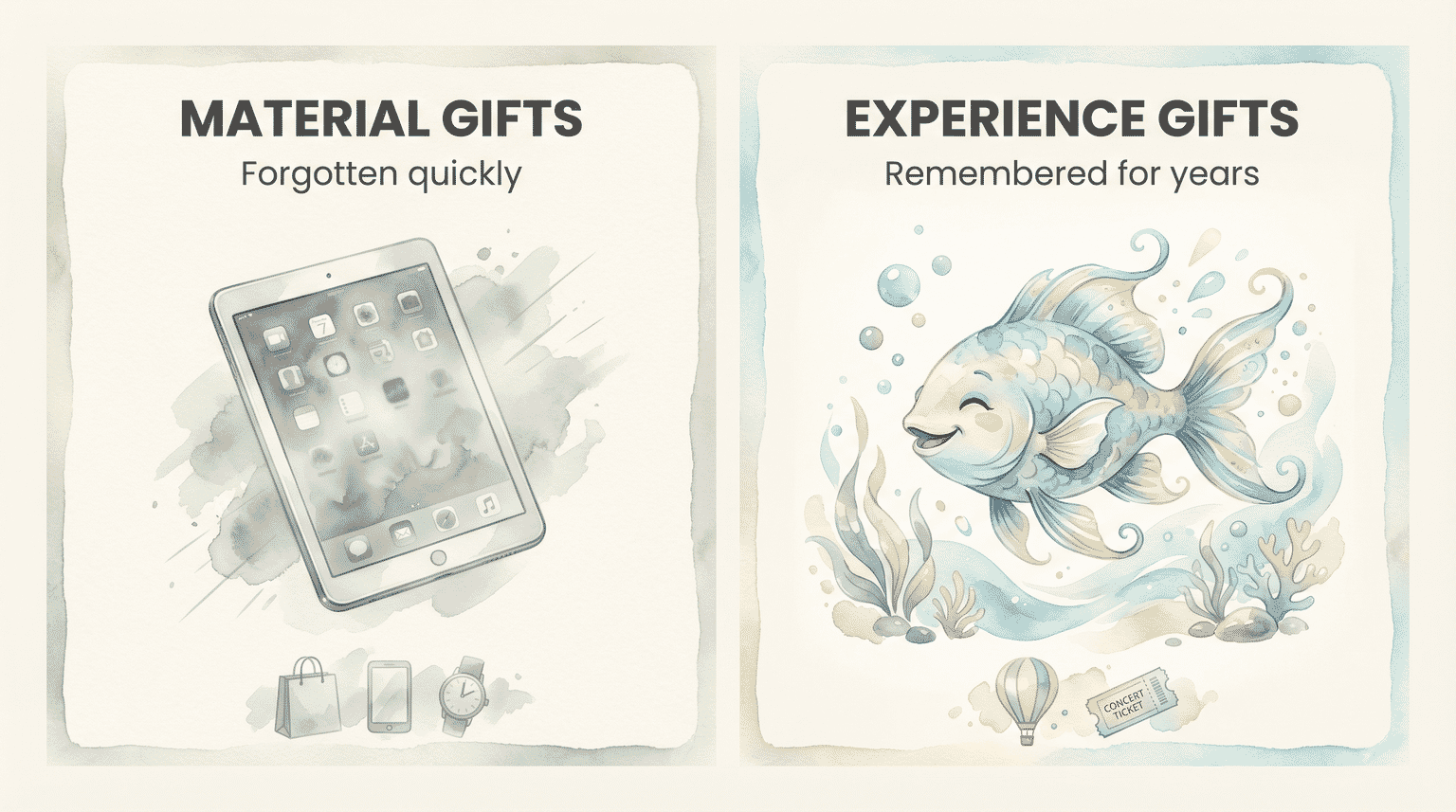
I’ve watched this with my own kids—my 10-year-old can describe in detail the aquarium trip from two years ago, including which fish “looked grumpy.”
The tablet she got that same Christmas? She can’t remember which birthday it was from.
The contrast couldn’t be clearer. Material items fade from memory while shared adventures become the stories we tell at family dinners for decades.
One important caveat: Psychology Today research shows that children under 6 actually derive more happiness from material gifts than experiences. This isn’t a failure of parenting—it’s brain development.
Young children need concrete, tangible things they can touch and see. By adolescence, this flips entirely. The key is matching adventure complexity to cognitive readiness, which I’ll address within each category below.
Outdoor & Nature Adventures
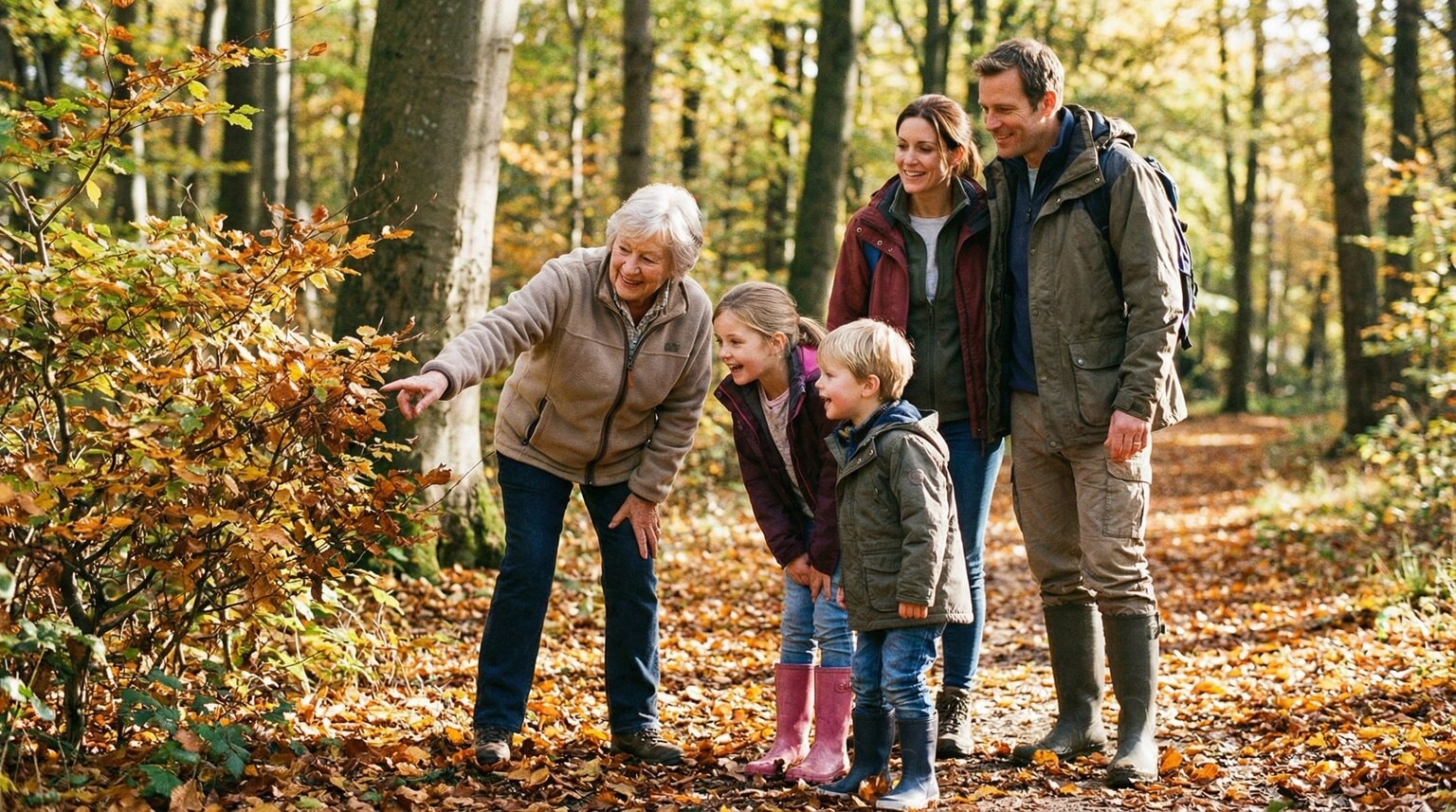
Nature adventures consistently rank among the most powerful memory-makers because they engage every sense. A University of Florida study found that children who experience science and nature alongside family members develop more lasting interest than those who attend programs alone.
Best picks by adventure intensity:
- Nature walks and local trails (ages 3+): Free, flexible, and surprisingly engaging. My 4-year-old thinks finding a “special rock” is the highlight of any week. Pack a magnifying glass and suddenly you’re on an expedition.
- State and national park visits (ages 4+): University of Tennessee research specifically recommends family hiking experiences at state parks. Present these as “redeemable adventure coupons” letting kids choose the destination.
- Camping trips (ages 5+): Backyard camping counts. My 6-year-old doesn’t know the difference between “real” camping and sleeping in the tent 30 feet from the back door—and the memory is just as vivid.
- Beach or lake days (all ages): Water automatically creates sensory memories. Budget tip: pack a picnic instead of buying lunch.
- Hiking challenges (ages 8+): Older kids respond to goals. “Can we make it to the waterfall?” transforms a walk into an achievement.
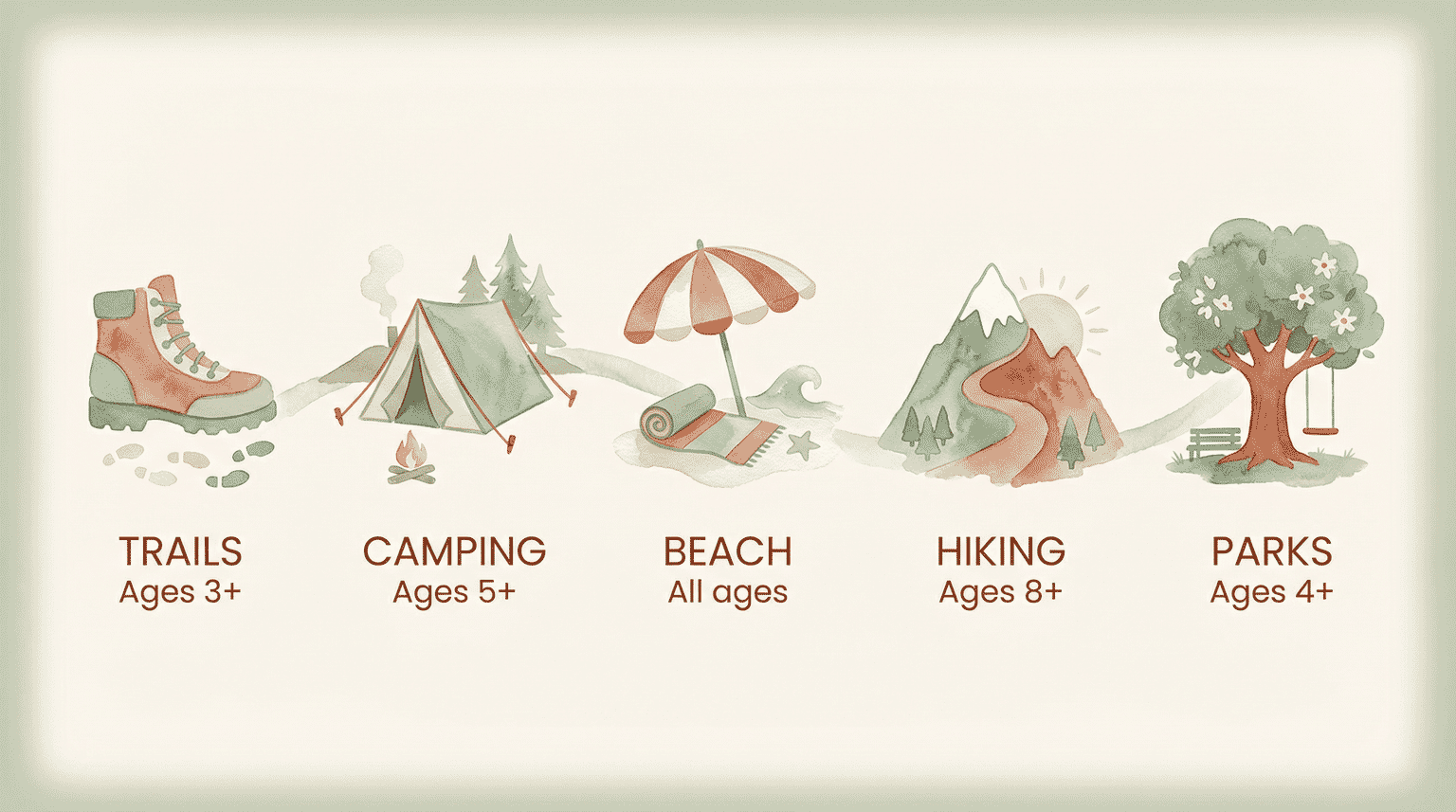
Research on parental perceptions of outdoor activities found that 25 of 30 parents reported their children enjoy being outdoors—yet most parents still hesitate due to logistics. The solution isn’t elaborate planning; it’s starting small and building traditions.
Learning & Discovery Adventures
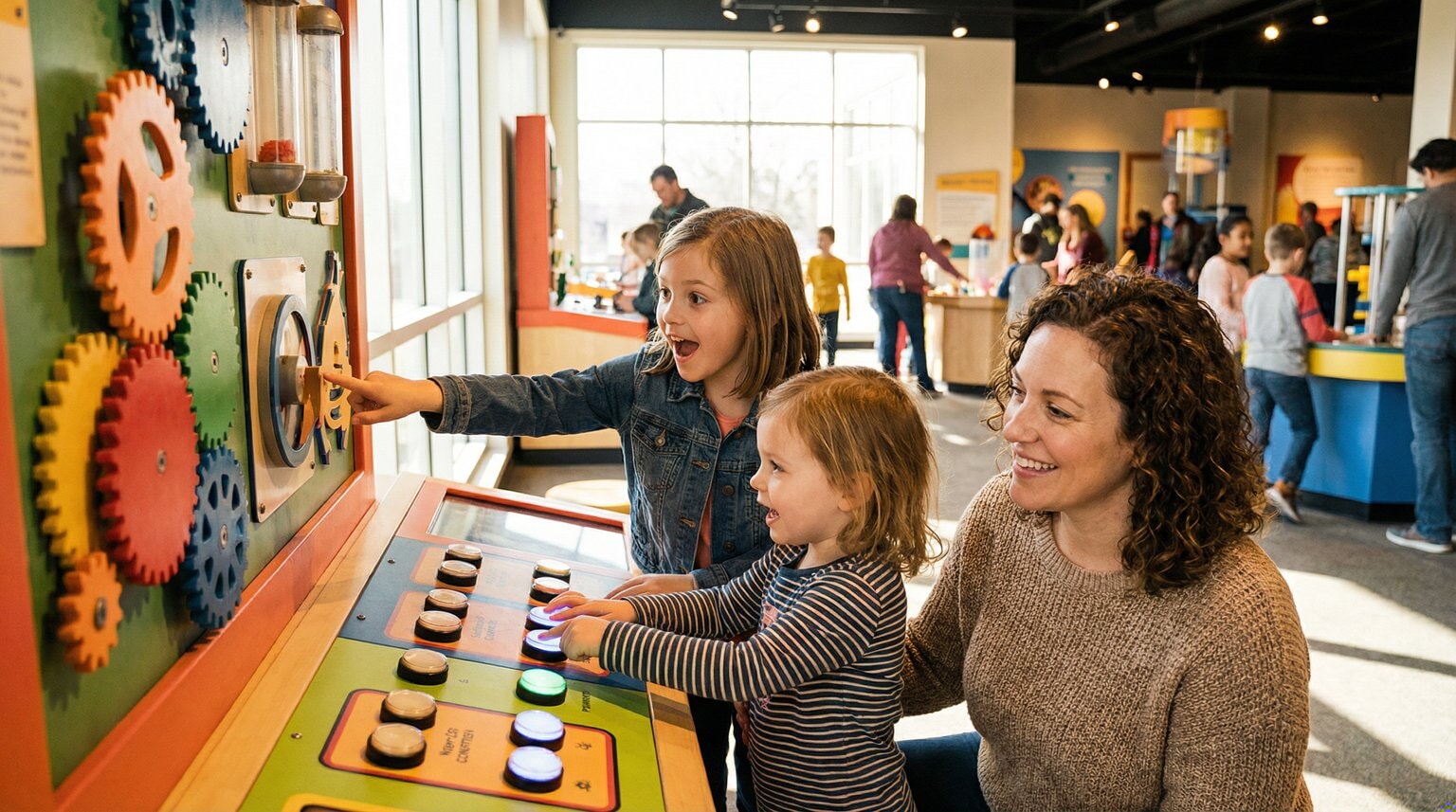
Educational experiences don’t have to feel like school. When they’re framed as adventures, kids often don’t realize they’re learning—which is exactly the point.
Museum and science center memberships (ages 3+): The gift that keeps giving. A single membership often pays for itself in two visits, and the “let’s just pop in” mentality creates repeated memory-making opportunities throughout the year. For children under 6, look for hands-on children’s museums rather than traditional art museums.
Zoo and aquarium visits (ages 2+): Even toddlers form memories around animals. My now-12-year-old still remembers the penguin that “waved” at her when she was 3. Pair the visit with a stuffed animal of their favorite creature—young children need that tangible keepsake to anchor the memory.
Cooking or baking classes (ages 6+): Family cooking classes do double duty—you’re learning together AND creating something to enjoy afterward. University of Tennessee research highlights these as excellent intergenerational bonding experiences.
Art or building workshops (ages 7+): Pottery painting, woodworking, LEGO engineering classes—anything where kids create something physical works well for elementary-age children who are developing mastery motivation.
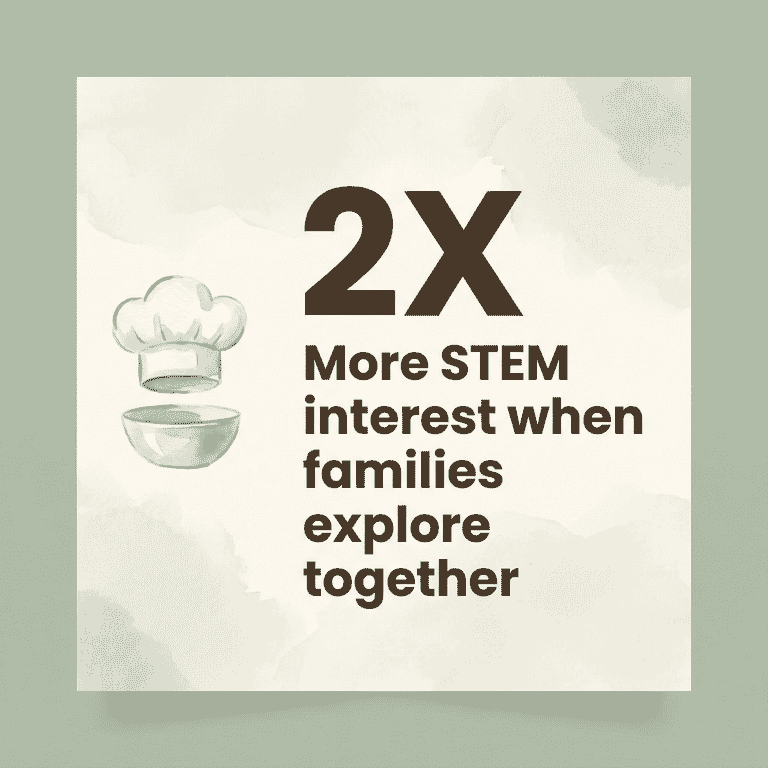
“By designing programs for the family, we are able to build in extended support for STEM interests. Our families reported changing holiday gifts to include more gifts that build STEM interests; they reported spending more time exploring science together at home.”
— Dr. Gail Jones, Professor of Science Education, NC State University
Continuing the experience matters. Dr. Megan Ennes from the Florida Museum notes that after one family’s bird-banding experience, a parent bought a feeder so they could keep discussing birds at home. The adventure extends beyond the single day.
Active & Thrill Adventures
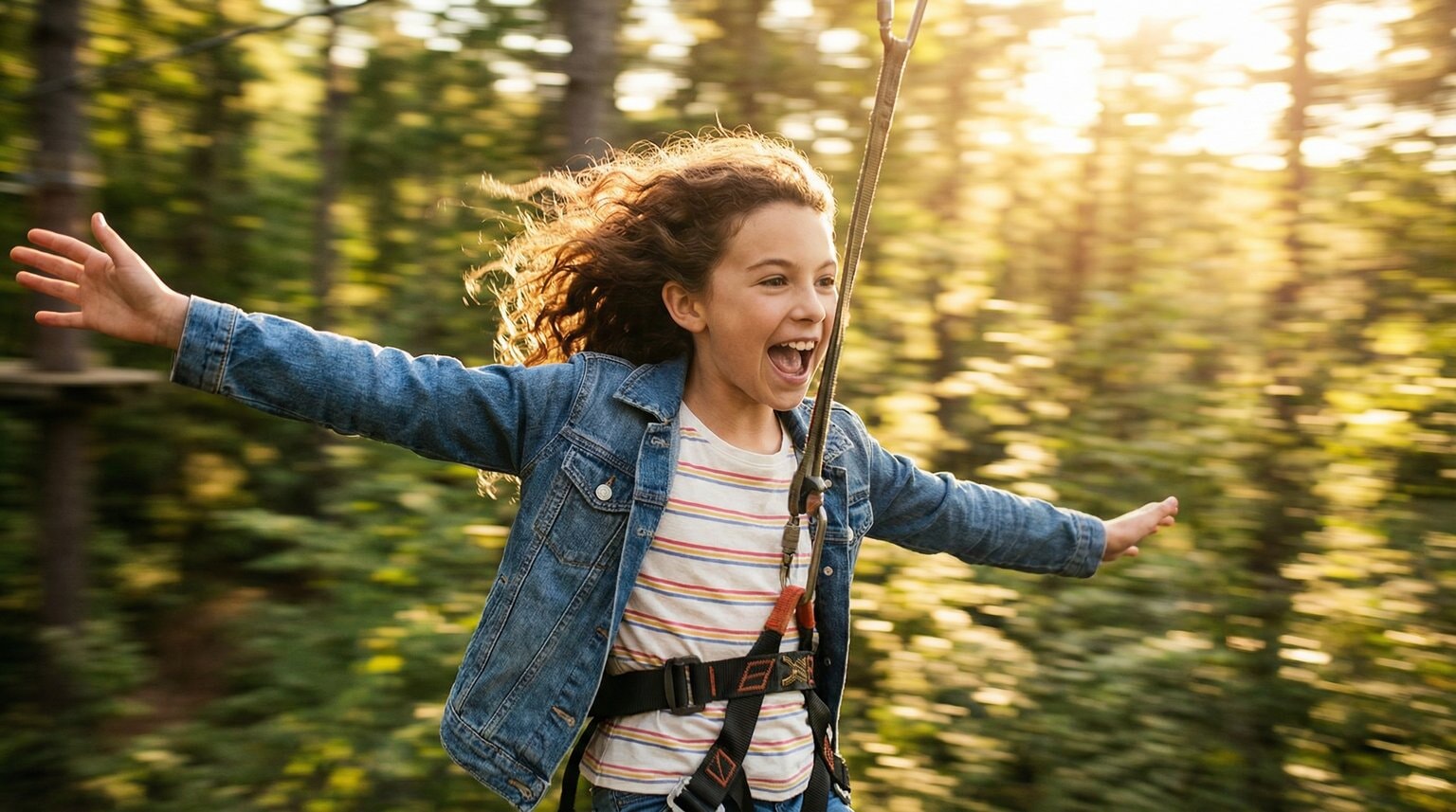
Some kids need to move. Active adventures channel that energy into shared experiences—and research from Indiana University shows family trips involving physical activity help children develop new skills while lowering stress-related behavioral issues.
Sports lessons (ages 4+): Tennis, swimming, golf, ice skating—lessons as gifts feel special because they’re not everyday activities. For younger kids (4-6), look for parent-child classes where you participate together.
Trampoline and adventure parks (ages 5+): High-energy kids thrive here. Most parks now offer family jump times. Budget tip: morning sessions often cost less than weekend afternoons.
Mini-golf (ages 4+): Underrated for memory-making. Low-skill barrier means everyone can participate, and the silliness factor is high.
Go-karts (ages 8+ for solo, younger with adult drivers): Match this to your child’s personality. My cautious 8-year-old loved riding with dad; my thrill-seeking 10-year-old would have been bored in the passenger seat.
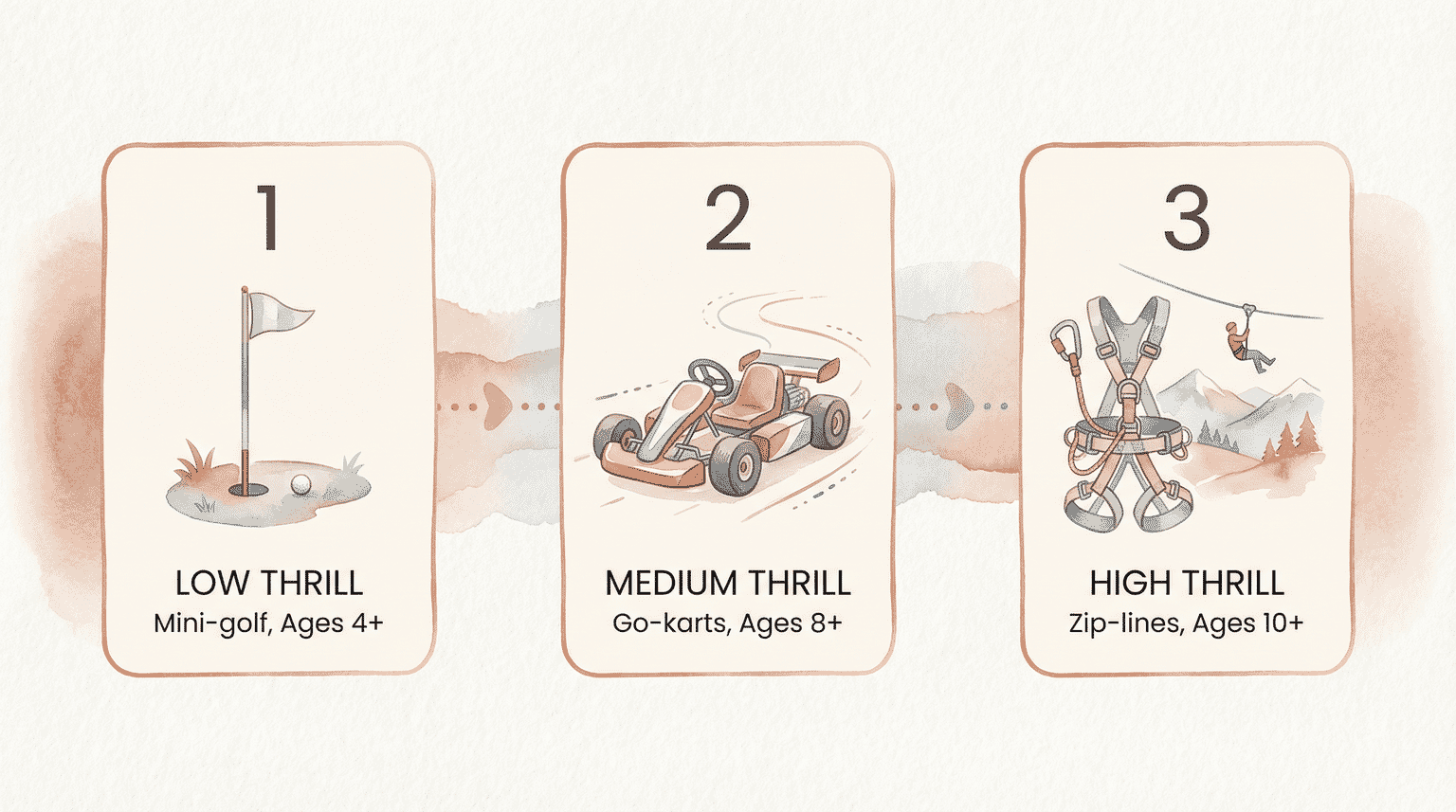
Zip-lining and ropes courses (ages 8-10+, varies by course): Check height and age requirements carefully. These create “I did it!” memories that boost confidence.
Escape rooms (ages 10+): Perfect for tweens and teens who think they’re too old for “kid stuff.” Family escape rooms require collaboration and create natural storytelling afterward (“Remember when Dad couldn’t figure out the lock?”).
Entertainment & Event Adventures
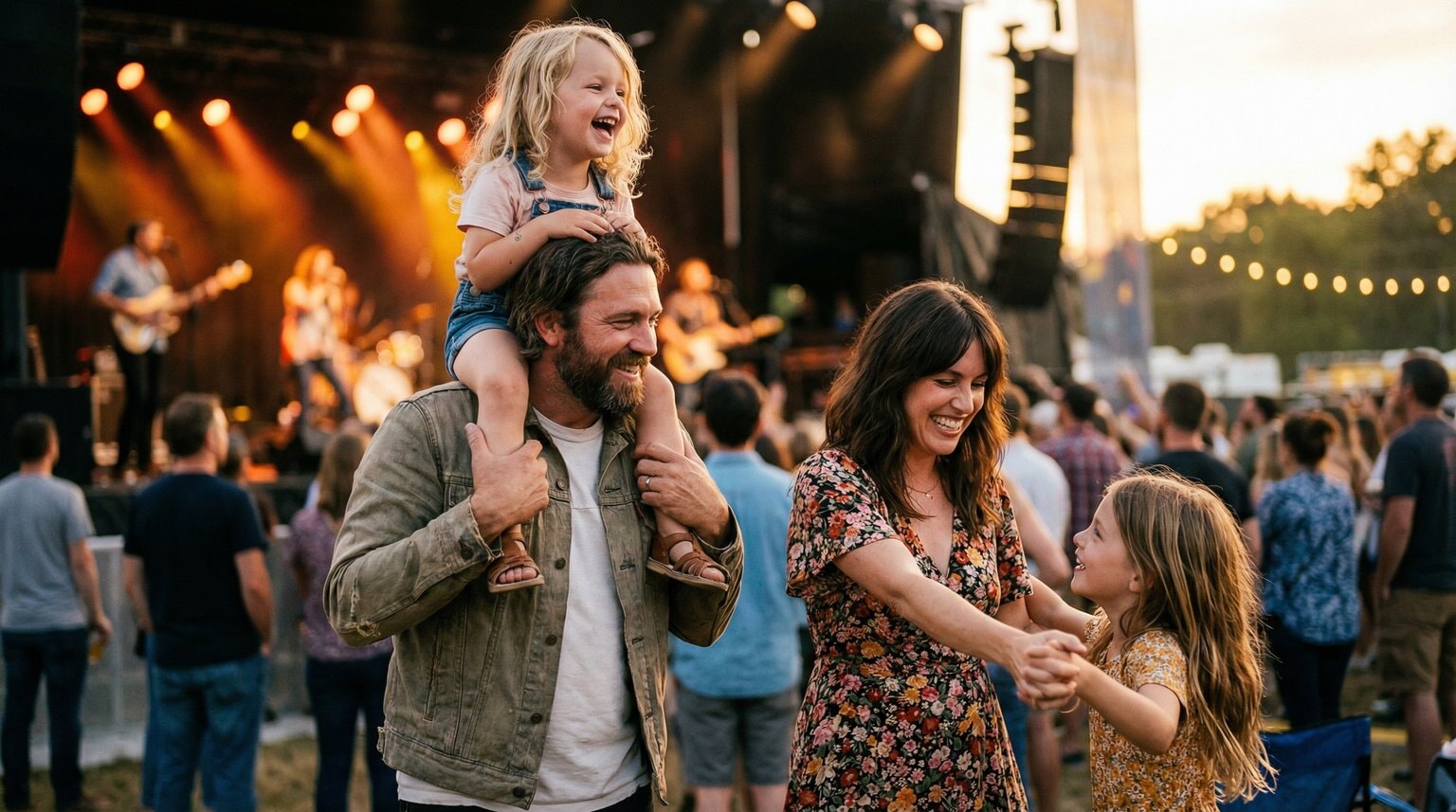
Shared entertainment creates what researchers call “episodic memories”—specific moments in time that we can recall in vivid detail years later. The key is matching the event to developmental readiness.
Family-friendly theater and performances (ages 4+): Live performances captivate young children differently than screens. Look for sensory-friendly performances for children who might be overwhelmed by crowds or loud sounds.
Concerts (ages 8+ for general admission; younger for seated/outdoor venues): My teenager’s first “real” concert is still her favorite gift ever. For tweens, consider outdoor summer concerts where the atmosphere is more relaxed.
Sporting events (ages 5+): Even if they don’t follow the sport, the atmosphere creates memories. Minor league games often offer better family experiences than major venues—shorter, cheaper, more accessible.
Movie premieres or special screenings (all ages): Opening night of an anticipated movie, complete with popcorn and the whole family dressed as characters, transforms ordinary entertainment into an event.
Special dining experiences (ages 6+ depending on venue): A “fancy dinner” where kids order from the adult menu, fondue restaurants, or themed dining experiences. My 8-year-old still tells people about the restaurant where the chef cooked at our table.
Budget-conscious option: Community theater, local festivals, and outdoor movie nights create the same memory-making opportunities at a fraction of the cost.
Travel & Staycation Adventures
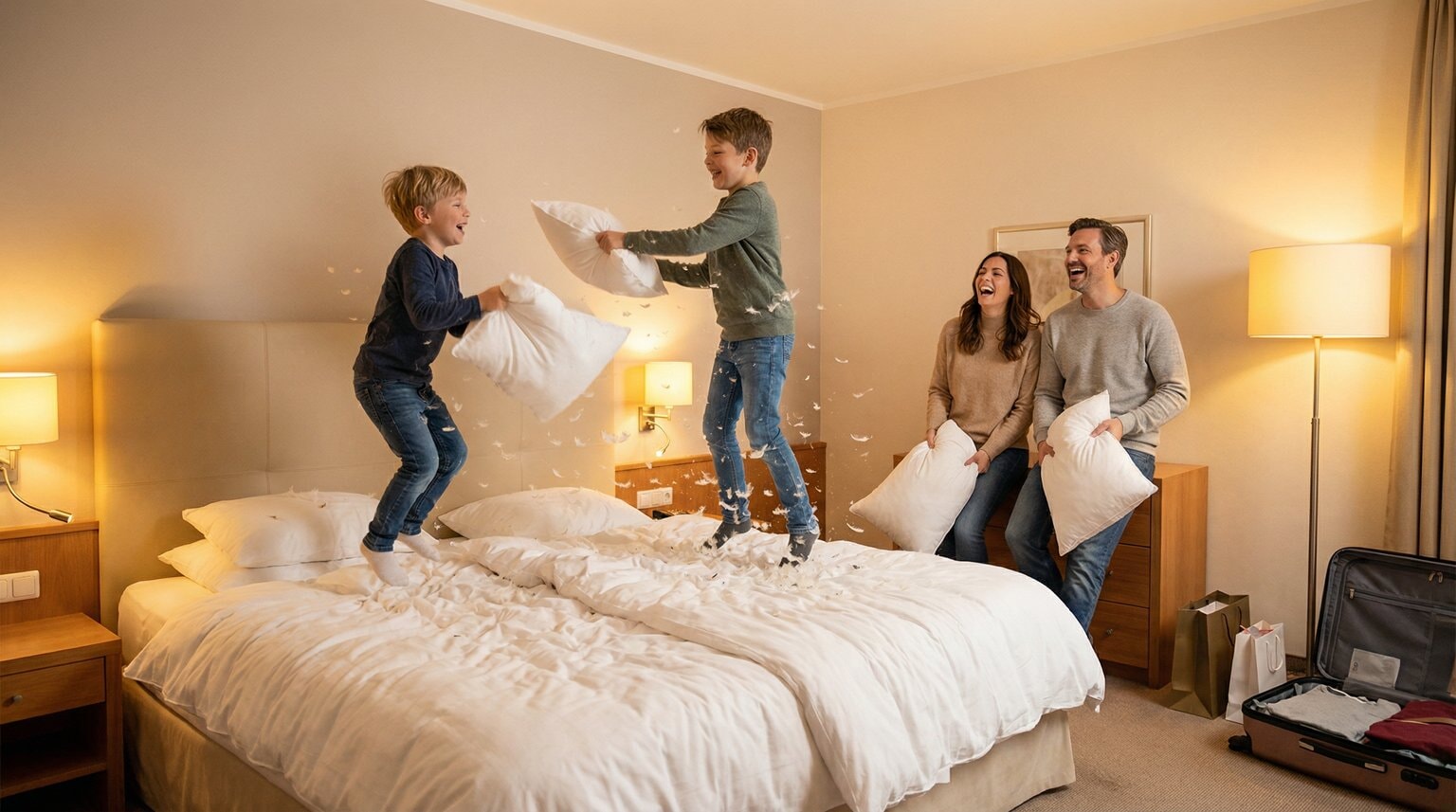
Research from Indiana University found that family travel increases bonding, connectedness, and cohesion while providing children with enhanced confidence and improved life satisfaction. The good news? “Travel” doesn’t require plane tickets.
Road trips (all ages): The journey itself becomes the adventure. Audiobooks, car games, and planned stops for exploration turn driving time into memory time.
Staycations (all ages): Hotel stays in your own city feel surprisingly exotic to kids. Order room service, use the pool, explore a neighborhood you don’t normally visit.
Destination visits (ages vary by destination): Plan around your children’s current interests. A child obsessed with trains might remember a historic railroad more vividly than a beach vacation.
Multi-generational trips: Family reunion travel creates memories that span generations. Research on family rituals shows that how individuals interact during family gatherings templates their later peer relationships.
Shared family travel builds social skills alongside memories—and the anticipation teaches patience that transfers to other areas of life.
Seasonal considerations: Off-season travel often means lower costs and thinner crowds. Spring zoo visits beat summer ones for actually seeing animals. Fall hiking avoids heat. Winter offers holiday-specific experiences.
When teaching children to value experiences over things, travel adventures demonstrate that memories don’t require price tags.
Making Adventure Memories Last
The adventure itself is only part of the memory-making process. Research shows three phases matter equally: anticipation, experience, and reminiscence.
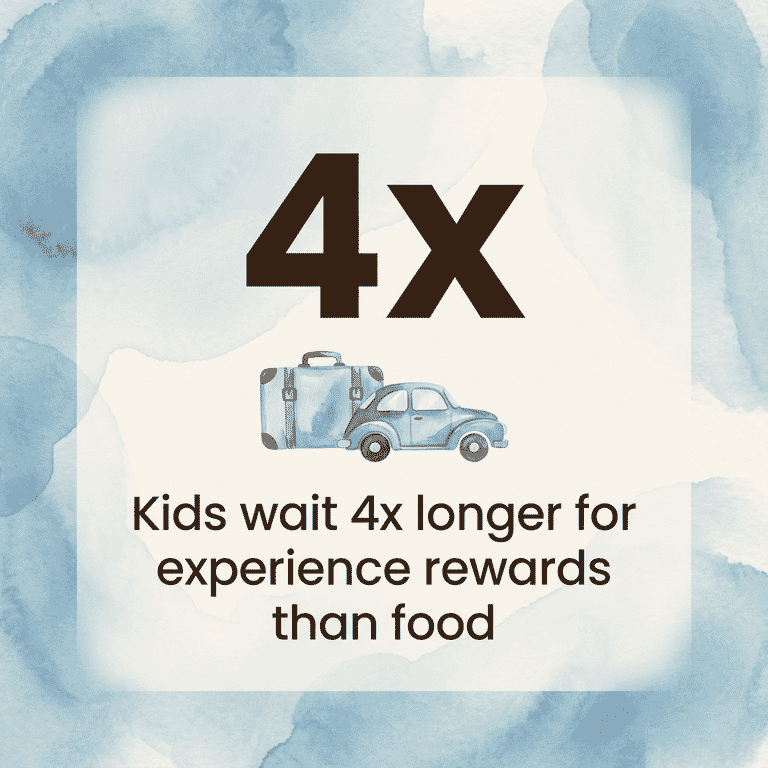
Building anticipation: UC Davis researchers found that U.S. children waited nearly four times longer for gift-based rewards than for food—and this capacity for delayed gratification predicts later academic success. The waiting period isn’t empty time; it’s actively building memory and self-regulation skills.
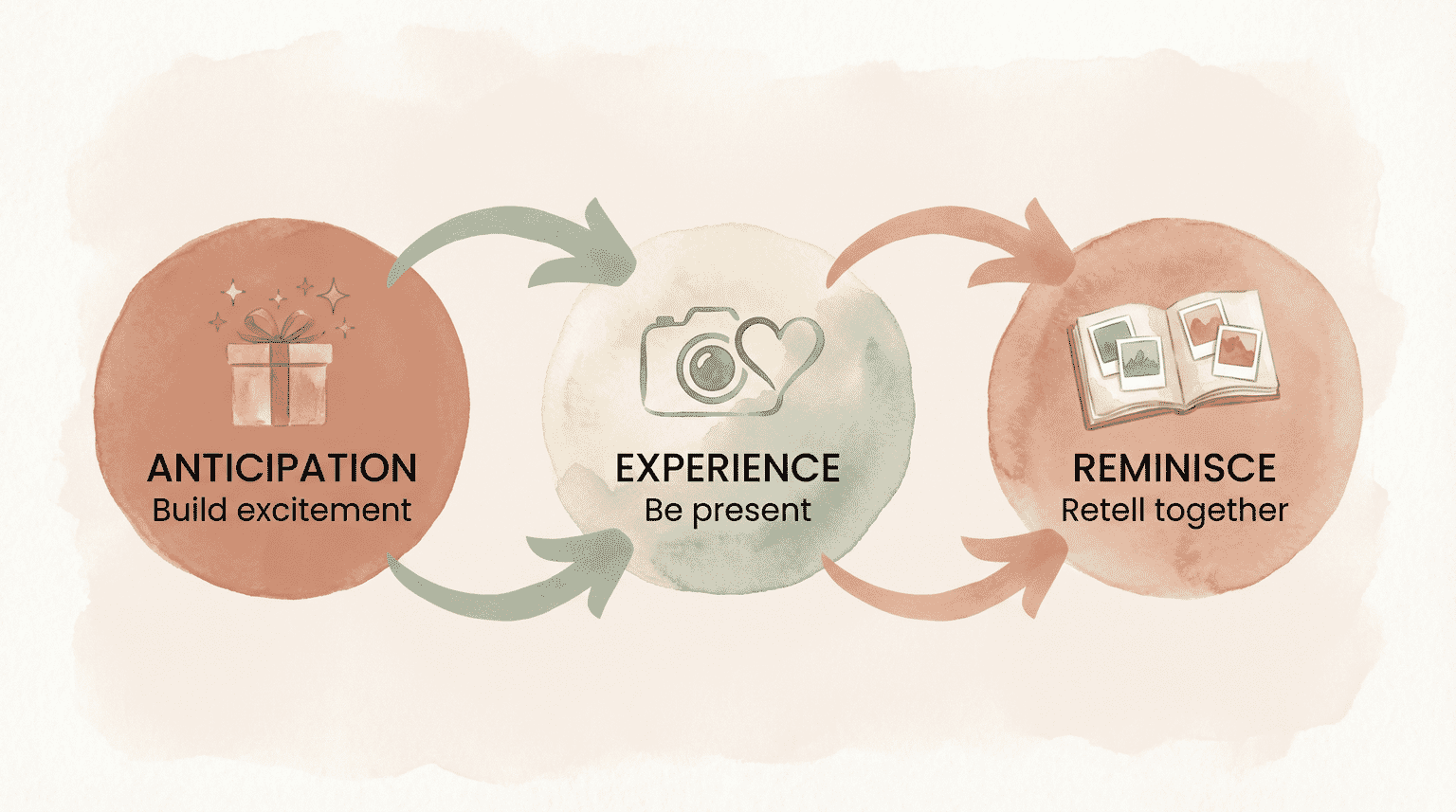
Practical strategies for building anticipation:
- Create countdown calendars
- Wrap clues about the destination
- Research the adventure together beforehand
- Let older kids help plan the itinerary
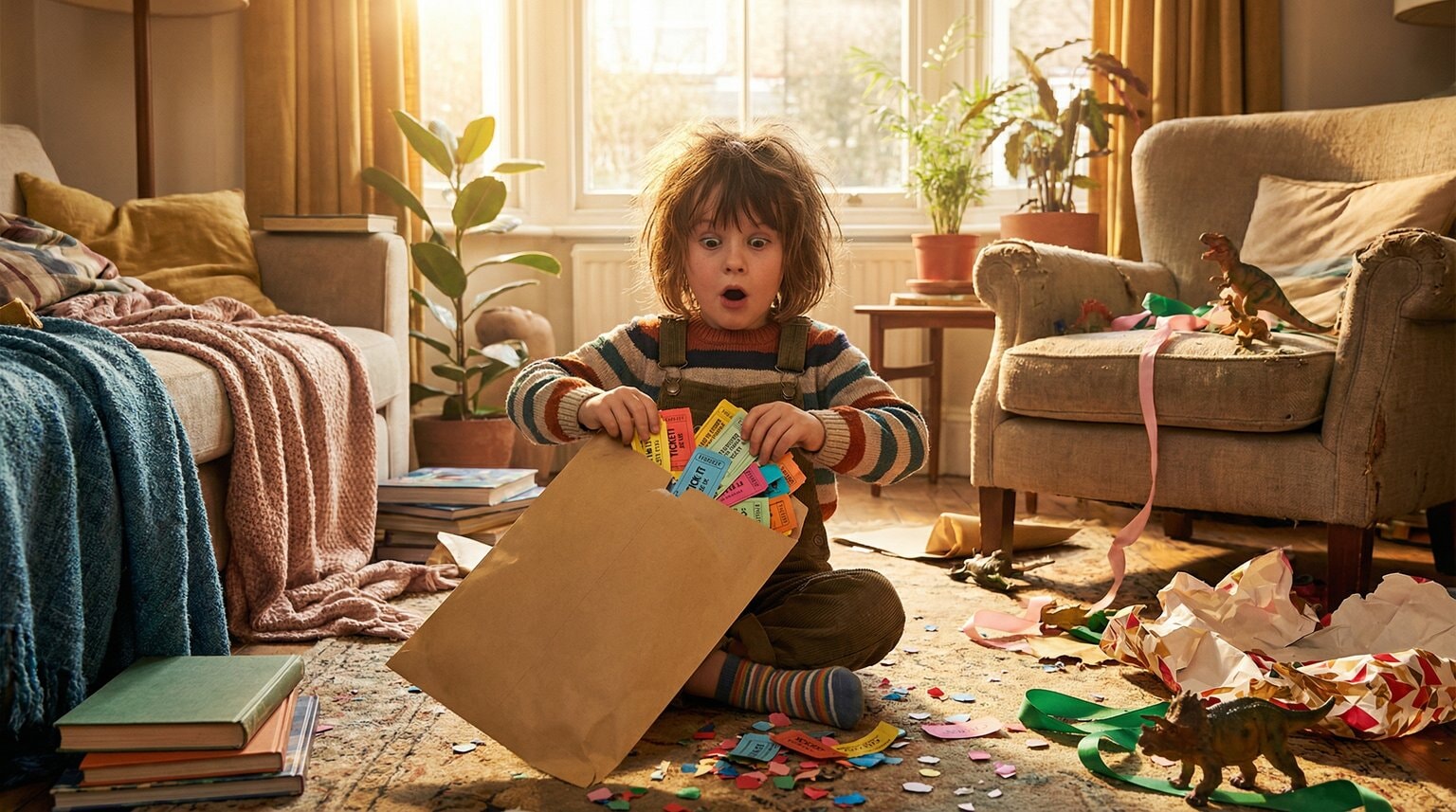
Presenting intangible gifts: Young children (under 6) need something to unwrap. Pair the adventure announcement with a related physical item—a map, a stuffed animal representing the destination, a backpack for the trip. For older children, a printed ticket or “adventure certificate” satisfies the unwrapping instinct.
Documentation with presence: Research on souvenir psychology shows that physical objects help trigger memories. But I’ve watched parents miss entire moments because they were filming.
The balance: designate photo times rather than constant documentation. Let kids choose a souvenir they’ll actually use (practical items trigger positive recall with each use).
Reminiscence rituals: The memory solidifies through retelling. Ask beyond “what was your favorite part?” Try:
- “What surprised you?”
- “What would you show a friend if they went there?”
- “What did it smell like? Sound like?”
These questions help younger children develop the age when children start truly appreciating experiences by building their reflective capacity.
To present an experience gift to young children: Wrap a treasure hunt that leads to the announcement, include a small related toy alongside the reveal, and build countdown rituals. Children under 6 need concrete elements to fully appreciate abstract future promises.
Frequently Asked Questions
What are good experience gifts for kids?
The best experience gifts include nature adventures (hiking, camping, park visits), learning experiences (museum memberships, cooking classes), active adventures (sports lessons, trampoline parks, escape rooms), entertainment events (concerts, theater, sporting events), and travel experiences. Research from Stanford confirms that experiential gifts strengthen family relationships more effectively than material presents.
Why are experience gifts better than material gifts?
Experience gifts trigger dopamine release that’s critical for long-term memory formation. Unlike physical items that get discarded, experiences become part of your family’s shared history. One important nuance: children under 6 often prefer material gifts developmentally, so for young children, pair experiences with tangible keepsakes.
How do you present an experience gift?
Create anticipation through physical elements—printed tickets, wrapped clues, countdown calendars. For younger children, include a small related toy (a stuffed animal representing the destination, supplies for the activity). Research shows that children who practice waiting for rewards develop stronger self-regulation skills, so the build-up period is actually beneficial.
What adventures are good for families with young children?
Children under 6 thrive with sensory-rich, simple adventures: nature walks, petting zoos, children’s museums, and aquarium visits. Keep adventures short, include built-in breaks, and always pair with a physical keepsake—young children’s memory and comprehension skills are still developing, and tangible items help anchor the experience.
Join the Conversation
What family adventures have created lasting memories? I’m always looking for ideas that work with real kids and real budgets—share your favorites below.
I read every adventure idea and love discovering what works for different families.
References
- University of Tennessee Extension – Research on experiential gift value and memory formation
- The Spectator (Stuyvesant) – Neuroscience of gift-giving and dopamine’s role in memory
- Stanford Lifestyle Medicine – Experiential gifts and relationship strength research
- Florida Museum of Natural History – Family-based learning and sustained engagement study
- UC Davis – Delayed gratification and cultural gift-giving practices
- Psychology Today – Developmental research on experience appreciation by age

Share Your Thoughts