
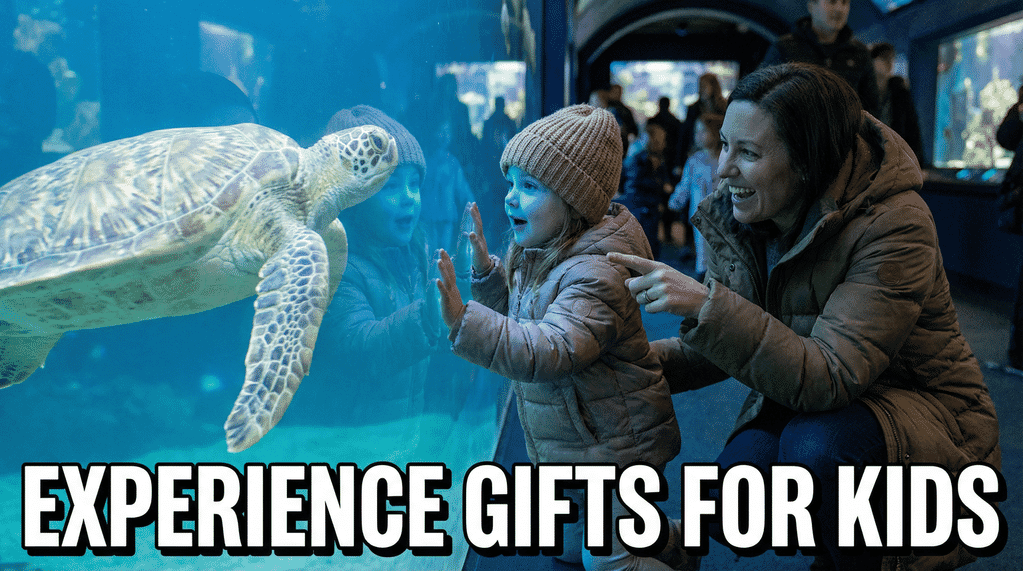
You’re standing in the toy aisle again, paralyzed. Your niece already has three dollhouses. Your nephew’s Lego collection could fill a small room. And your own kids? They unwrap gifts, play for twenty minutes, and then ask what’s next.
Here’s what I’ve learned after eight kids and over a thousand gifts: when children have abundant toys, they actually play less creatively with what they have. Research backs this up—children with fewer toys engage more deeply and imaginatively. The solution isn’t finding the perfect toy. It’s stepping off the toy treadmill entirely.
Experience gifts—memberships, classes, adventures, and one-on-one time—activate something different in children’s brains. According to research from the American Psychological Association, gift-giving creates what scientists call the “warm glow” effect.
“Oftentimes, people refer to it as the ‘warm glow,’ this intrinsic delight in doing something for someone else… it also activates pathways in the brain that release oxytocin, which is a neuropeptide that signals trust, safety, and connection.”
— Emiliana Simon-Thomas, Science Director, UC Berkeley’s Greater Good Science Center
That oxytocin response? It lasts longer than the dopamine hit from tearing open wrapping paper. And here’s the part that surprised my librarian brain: the reward pathways activate during anticipation too—not just when the experience happens.
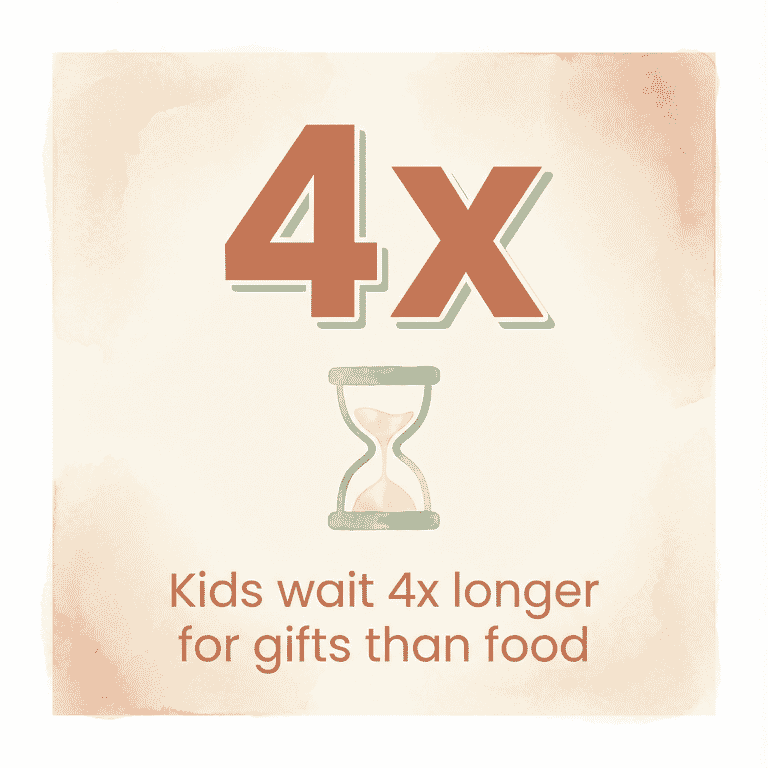
Research from UC Davis found that U.S. children waited nearly four times longer for gifts than for food, suggesting our cultural traditions around gift anticipation actually build children’s capacity for delayed gratification.
This isn’t just making the best of an intangible gift—it’s maximizing its psychological impact through intentional anticipation.
If you’re dealing with common gift-giving challenges like overwhelmed kids or cluttered playrooms, experience gifts offer a way forward. Let me show you what actually works.
Key Takeaways
- Experience gifts activate oxytocin and create lasting memories that material gifts can’t match
- Memberships transform one gift into dozens of experiences throughout the year
- One-on-one time has the strongest bonding impact of any experience gift
- Make intangible gifts tangible with printed tickets, treasure hunts, and small paired items
- Anticipation actually increases enjoyment—build it intentionally with countdowns and clues
Experience Gifts by Category
Memberships & Season Passes
Best for ages 2-12+
Zoo memberships, museum passes, trampoline park season tickets, aquarium access—these transform a single gift into dozens of experiences throughout the year.
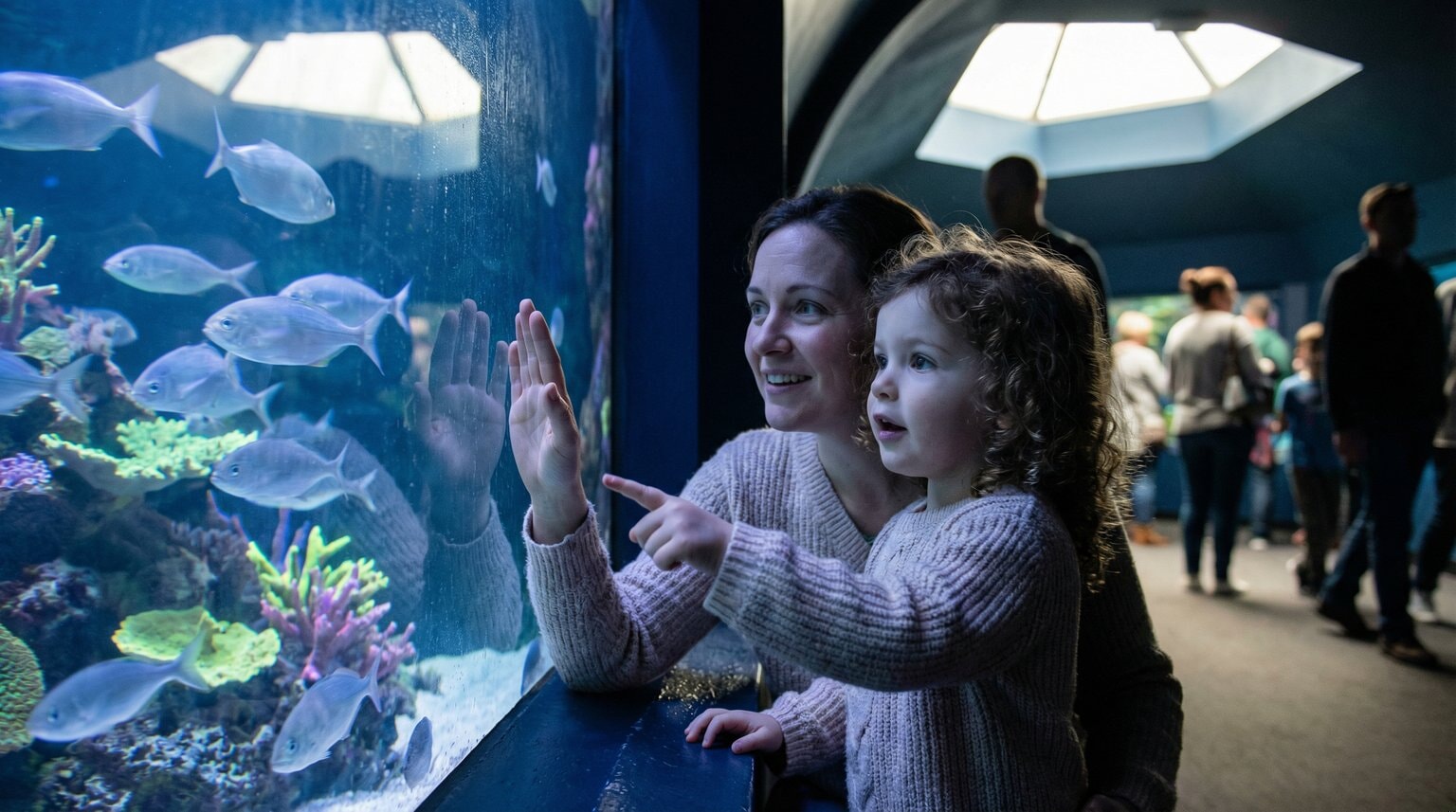
Why they work: Young children thrive on repetition. My 4-year-old has visited our local children’s museum probably forty times, and she discovers something new each visit.
For older kids, memberships create casual “let’s go” opportunities that don’t require advance planning. The anticipation research I mentioned earlier? It applies here too—kids start asking “Can we go to the zoo this weekend?” which extends the gift’s psychological value far beyond the purchase date.
Top picks by age:
- Ages 2-5: Children’s museums, aquariums, indoor play spaces
- Ages 6-10: Science centers, zoos, trampoline parks, rock climbing gyms
- Ages 11+: Art museums (many have teen programs), botanical gardens, national park passes for families who hike
Classes & Lessons
Best for ages 4-14
Art classes, cooking lessons, sports clinics, music instruction, coding camps—skill-building experiences tap into children’s natural drive toward mastery.
Why they work: Between ages 4 and 12, children enter what developmental psychologists call the “industry versus inferiority” stage. They desperately want to get good at things. Classes channel this drive productively while building confidence.
I’ve watched this with my own kids—the pride on my 8-year-old’s face when she made her first edible meal in cooking class was worth more than any toy could provide.
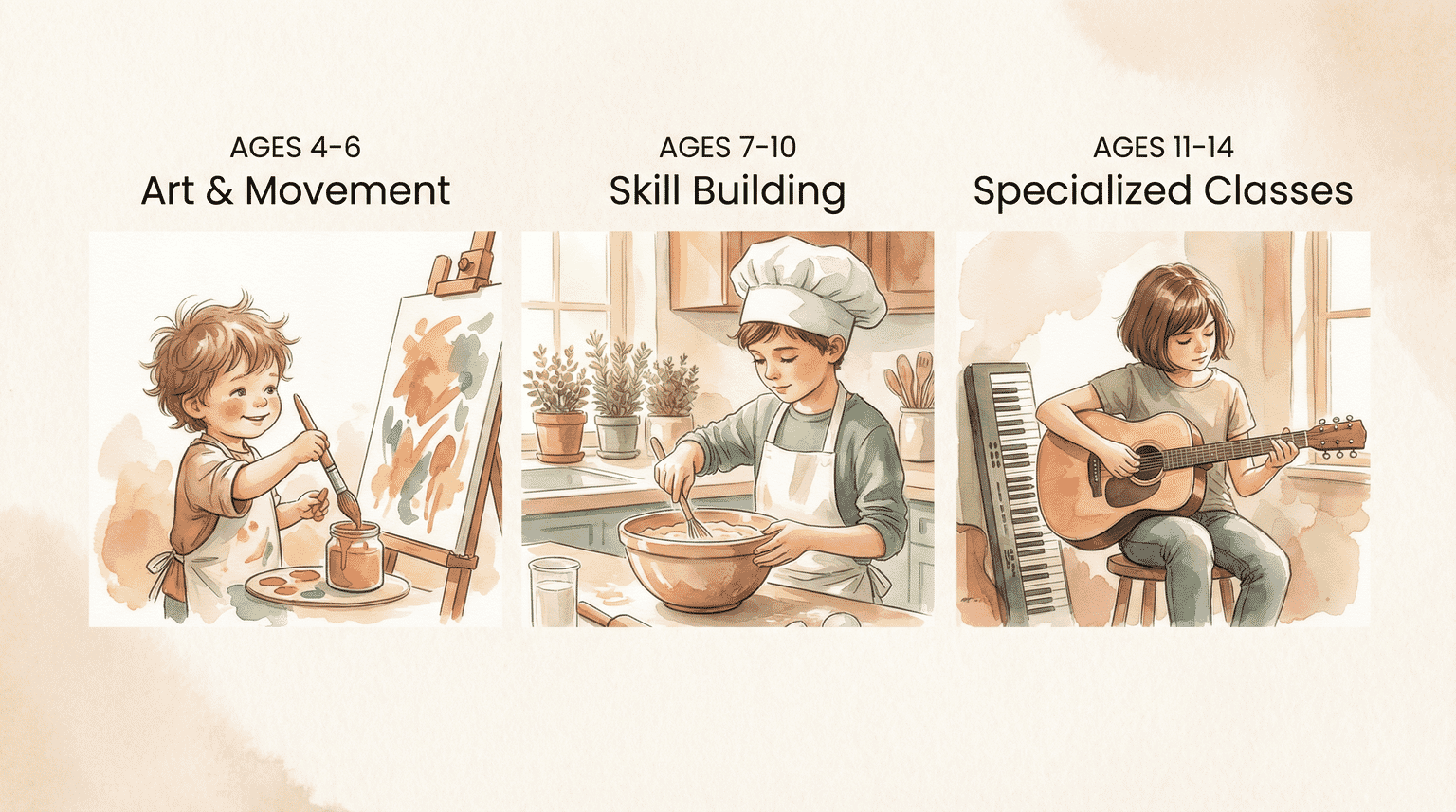
Top picks by age:
- Ages 4-6: Art, gymnastics, swimming, beginner dance
- Ages 7-10: Cooking, martial arts, music lessons, drama
- Ages 11-14: Specialized sports, coding/robotics, photography, creative writing workshops
Adventure Experiences
Best for ages 8-16
Escape rooms, go-karts, indoor skydiving, zip lines, amusement parks, laser tag—these create stories kids tell for years.
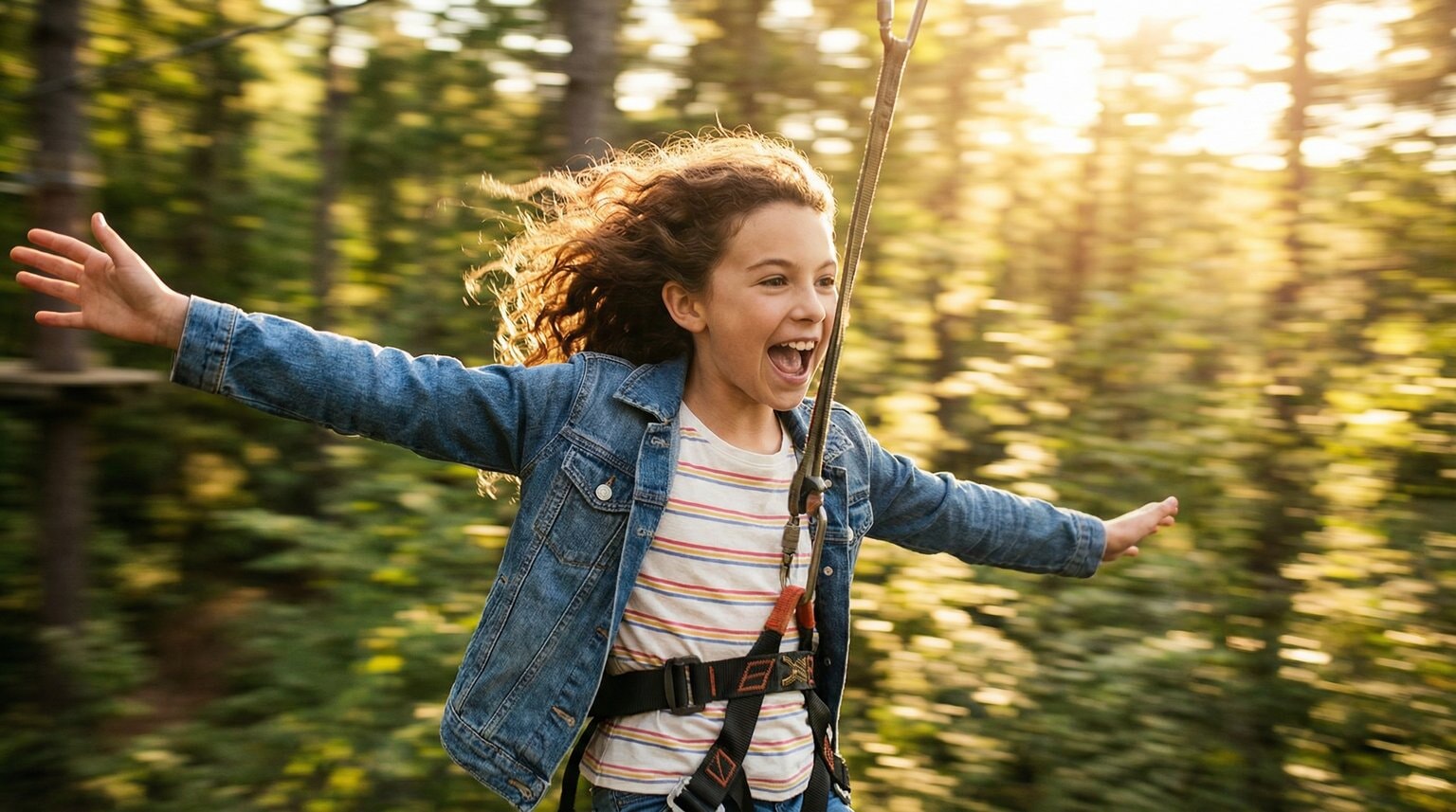
Why they work: Older children and teens are seeking independence and novel experiences. Adventures provide both while creating shared memories with whoever accompanies them.
Researcher Amit Kumar puts it perfectly: “Experiences live on in our memories and in the stories we tell, while our material goods ‘disappear’ as we inevitably get used to them.”
Top picks by age:
- Ages 8-10: Beginner escape rooms, go-karts, trampoline parks, bowling alleys with cosmic bowling
- Ages 11-14: Intermediate escape rooms, zip lines, indoor rock climbing, water parks
- Ages 15+: Indoor skydiving, higher-difficulty escape rooms, theme parks, paintball
One-on-One Time Gifts
Best for all ages
A special day with grandma. Breakfast at the “fancy” restaurant with dad. An afternoon doing whatever the child chooses with their favorite aunt.
Why they work: This category has the strongest bonding impact of any experience gift—and it costs as much or as little as you want. Children, especially those with siblings, crave undivided attention.
When my 10-year-old got a “day with mom” gift from her grandmother (with grandma funding the activities), she talked about it for months. The gift was really permission and funding for connection.
For more ideas in this category, I’ve put together a complete guide to gift of time ideas that goes deeper on making these meaningful.
Ideas that work across ages:
- “Pick any restaurant” lunch or dinner date
- Movie of their choice plus popcorn and treats
- Craft store trip with a spending budget
- Nature hike followed by hot chocolate
- “YES afternoon” where the child directs all activities
Event Tickets
Best for ages 5-16
Concerts, theater performances, sporting events, movies, comedy shows—events create anticipation and social currency.
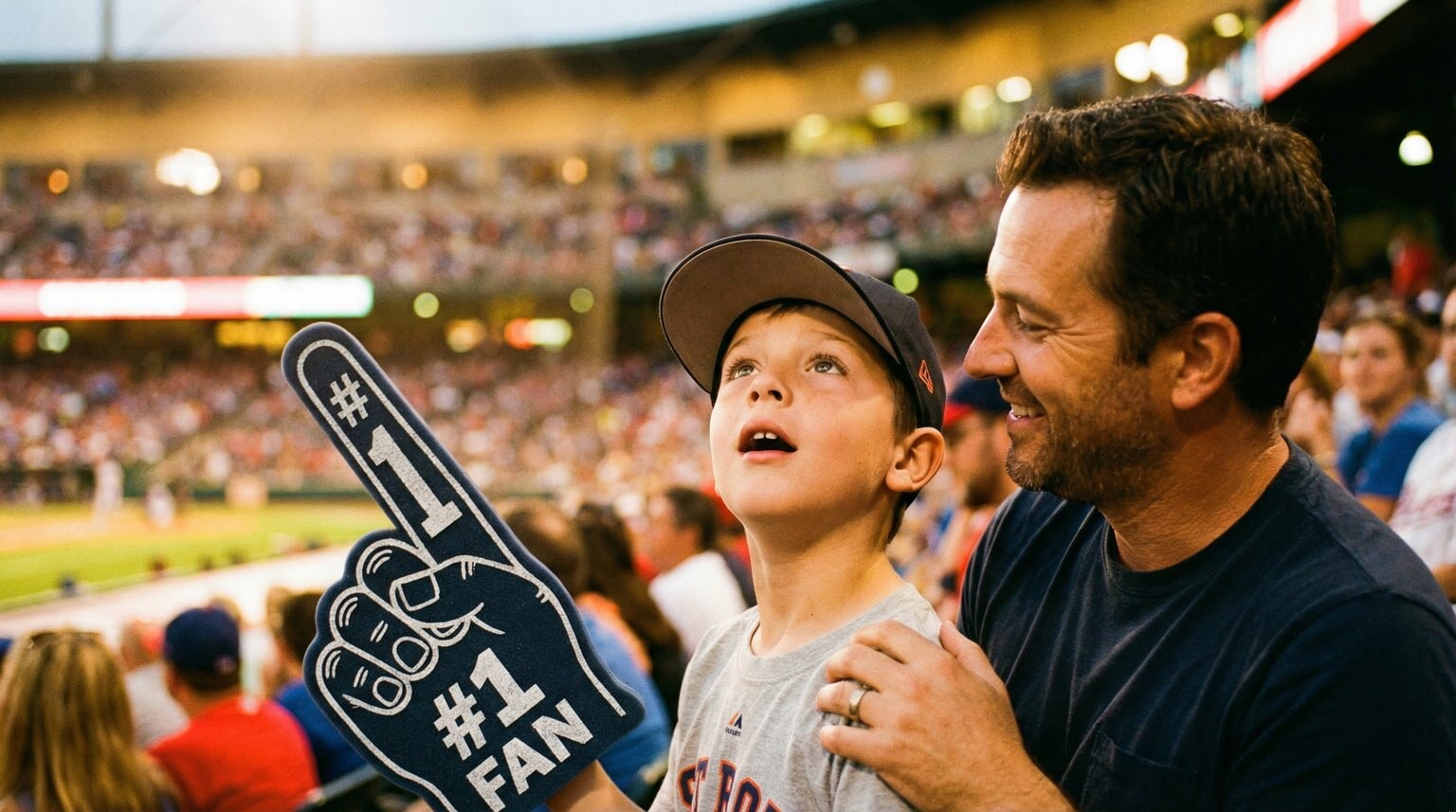
Why they work: The anticipation factor is huge here. Research shows that waiting for something actually increases enjoyment. When your 9-year-old knows she’s seeing her favorite artist in three months, she gets to experience that gift repeatedly through anticipation.
For older kids, events also carry social value—they have something to post about, talk about with friends, and look forward to.
Top picks by age:
- Ages 5-8: Disney on Ice, family-friendly concerts, minor league sports, children’s theater
- Ages 9-12: Major league sports, popular music concerts, Broadway touring shows
- Ages 13+: Concerts (their choice), comedy shows, special movie premieres, professional sports
Subscription Experiences
Best for ages 4-12
Monthly activity boxes, streaming services for creative tools (like Canva or art apps), book subscription services—these extend the gift across time.
Why they work: Subscriptions counter the “gift forgotten in a week” problem by delivering recurring moments of excitement. Each box arrival recreates the anticipation and surprise of the original gift.
My 6-year-old receives a monthly science kit, and every arrival feels like a mini-birthday.
Top picks by age:
- Ages 4-7: KiwiCo, Little Passports, book-of-the-month clubs for early readers
- Ages 8-12: MEL Science, Highlights subscription boxes, coding subscription services, art supply boxes
How Do You Make an Experience Feel Like a “Real” Present?
Here’s the truth: children expect wrapped boxes. My 15-year-old might intellectually appreciate concert tickets, but my 4-year-old will cry if there’s nothing to unwrap on Christmas morning.
Understanding why children often prefer toys initially helped me stop fighting their natural response and start working with it instead. Here’s how:
Create a reveal. Treasure hunts work beautifully—hide clues around the house leading to the final announcement. For younger kids, countdown calendars (like advent calendars) leading up to the experience build tangible anticipation. For older kids, mystery clues revealing the destination piece by piece can be more exciting than the experience itself.
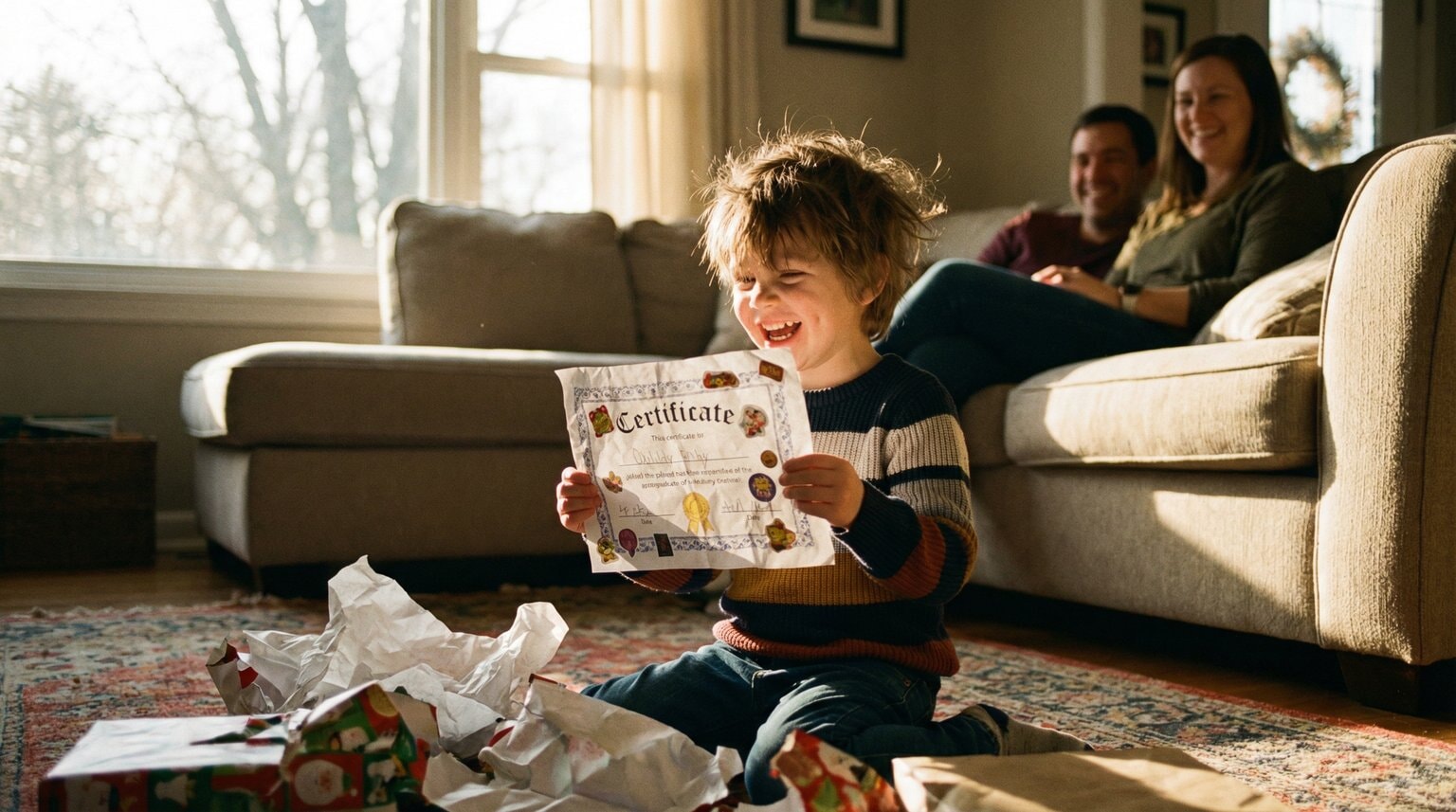
Make it tangible. Print custom tickets or certificates. Create a photo collage of the destination. Put together a small scrapbook they’ll fill during and after. My kids’ experience gifts always have something to unwrap—even if it’s a printed ticket in a small box.
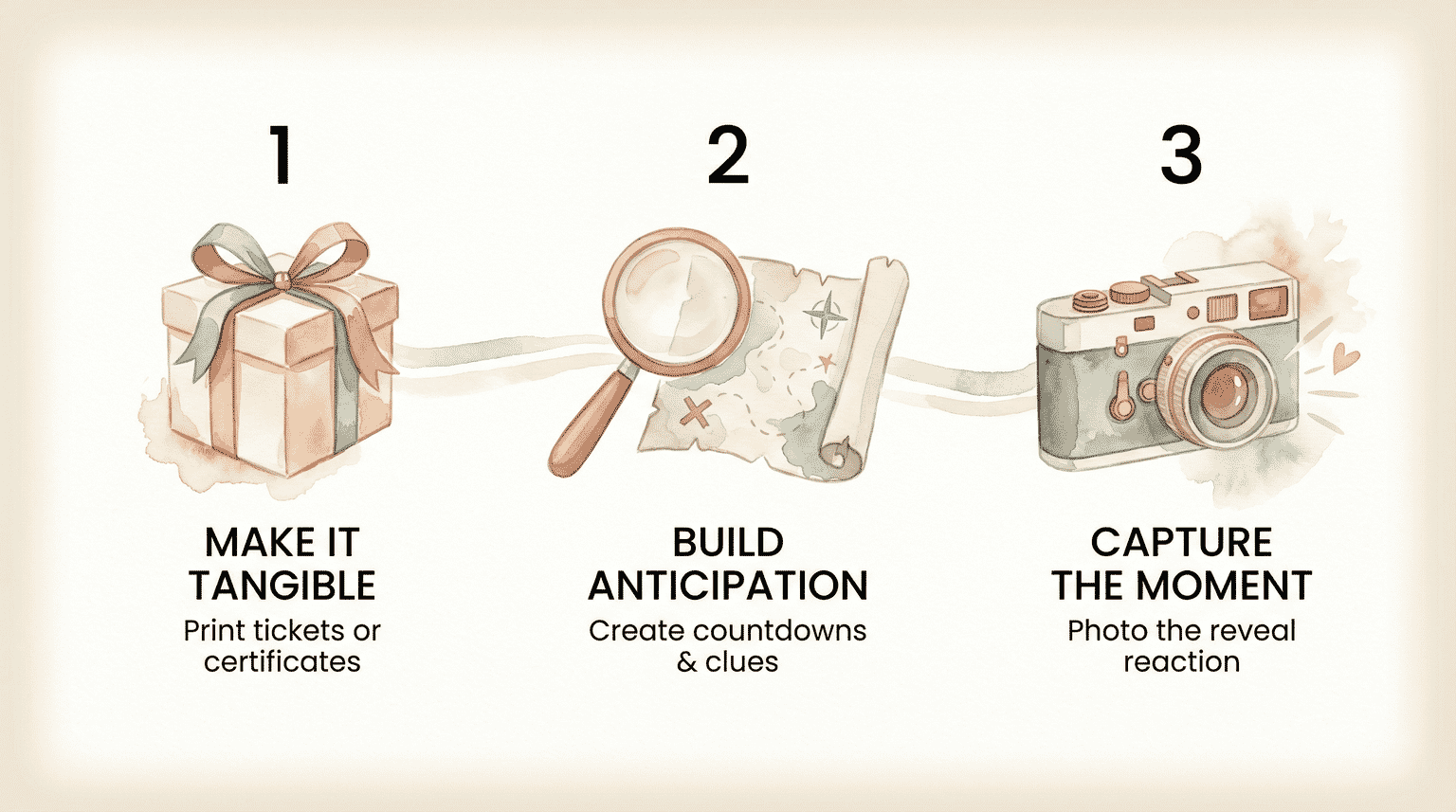
Pair with something small. Binoculars with a zoo membership. A chef’s hat with cooking classes. A journal with travel experiences. The small item becomes a lasting reminder and gives them something physical to open.
Build the anticipation intentionally. Talk about what you’ll see, create a countdown, look at videos or photos together. Remember that UC Davis research: anticipation literally increases enjoyment. This isn’t just making the best of an intangible gift—it’s maximizing its impact.
Age-specific presentation tips:
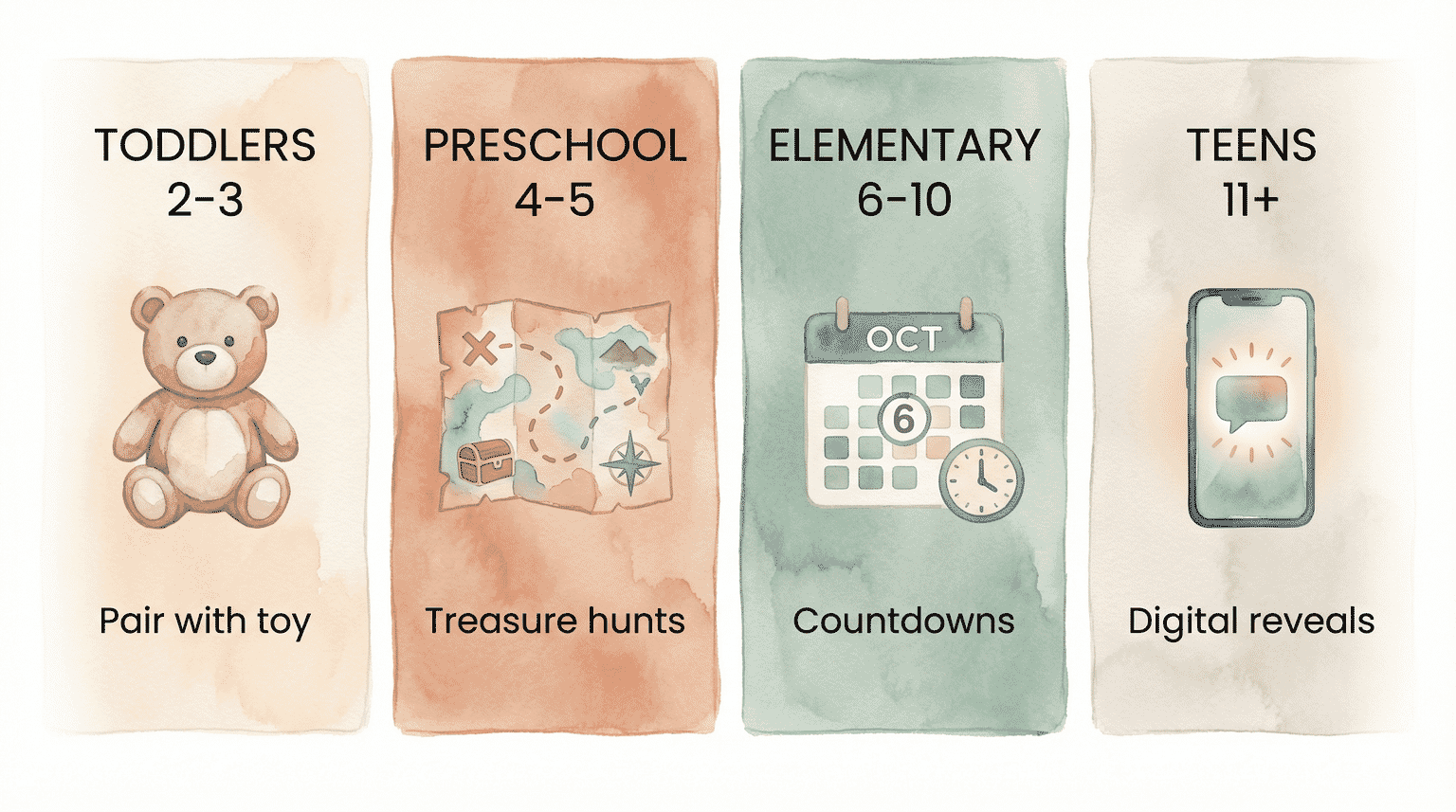
- Toddlers (2-3): Need something immediate to hold. Wrap a stuffed animal related to the experience.
- Preschoolers (4-5): Love treasure hunts and simple countdowns.
- Elementary (6-10): Appreciate mystery and clues. Make them work for the reveal.
- Tweens and teens (11+): Can handle delayed reveal. A card with a QR code linking to a video announcement feels appropriately sophisticated.
Which Experiences Do Children Remember Most?
Memories form most strongly when novelty, emotion, and social connection combine. This means:
Shared experiences beat solo ones. A trip to the trampoline park with their best friend creates stronger memories than going alone with a parent. Whenever possible, include peers or beloved family members.
Emotion amplifies memory. Slightly scary experiences (age-appropriate ones!) often become favorite stories. My now-17-year-old still talks about the zip line she did at age 10—her nervousness beforehand made the accomplishment unforgettable.
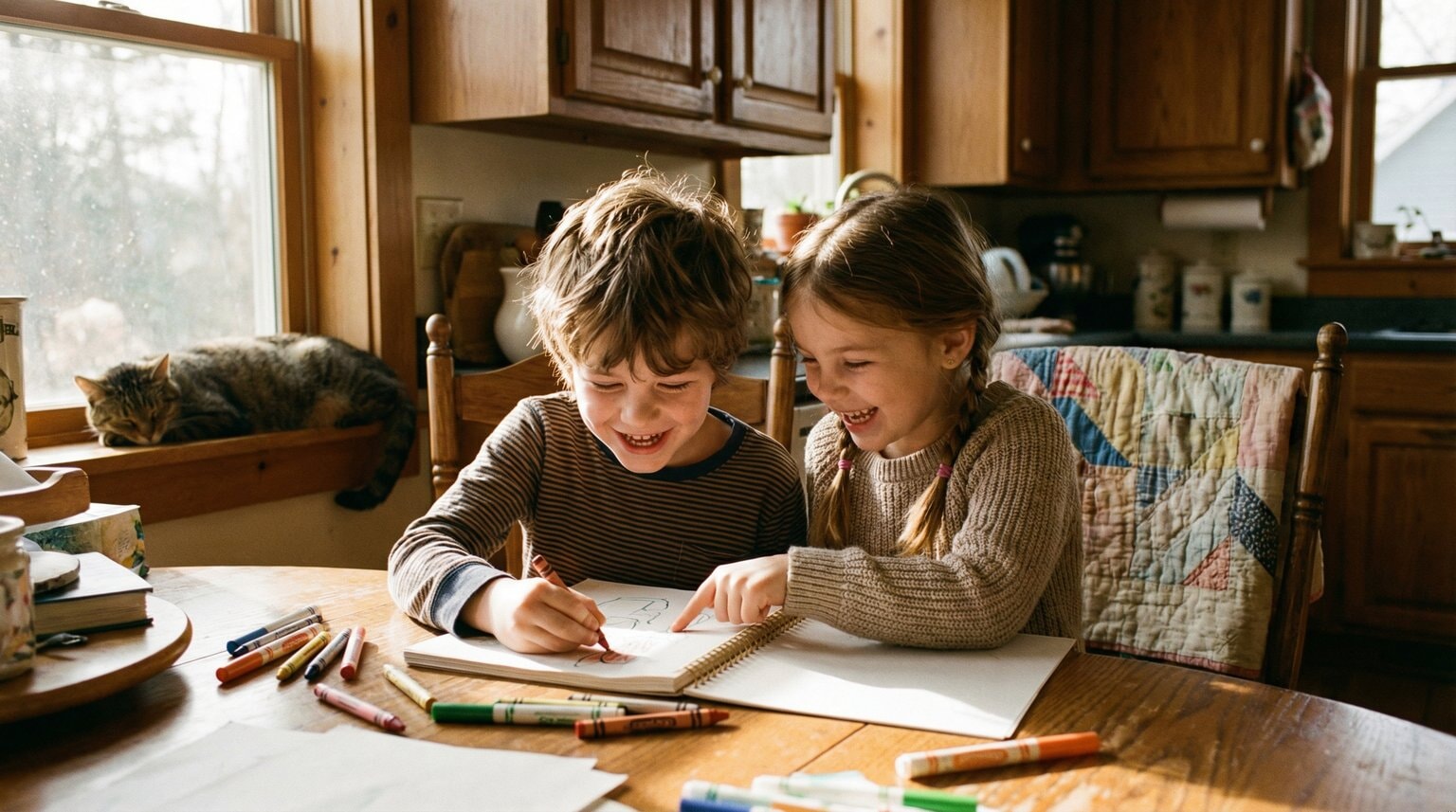
Storytelling extends the gift. What happens after the experience matters. Simple prompts like “What was the best part?” or “What surprised you?” help cement memories. For younger kids, drawing pictures afterward serves the same purpose.
Simple preservation strategies:
- Before: Capture the “reveal” reaction on camera
- During: Take one candid photo, not thirty staged ones
- After: Ask them to share their favorite moment at dinner
What Experience Gifts Work for Extended Family?
Grandparents, aunts, uncles, and family friends often struggle with experience gifts. You don’t know the child’s daily life well enough. You’re not sure if parents will follow through on scheduling. You worry an experience isn’t “substantial” enough.
Here’s the thing: gift-givers consistently underestimate how happy recipients will be.
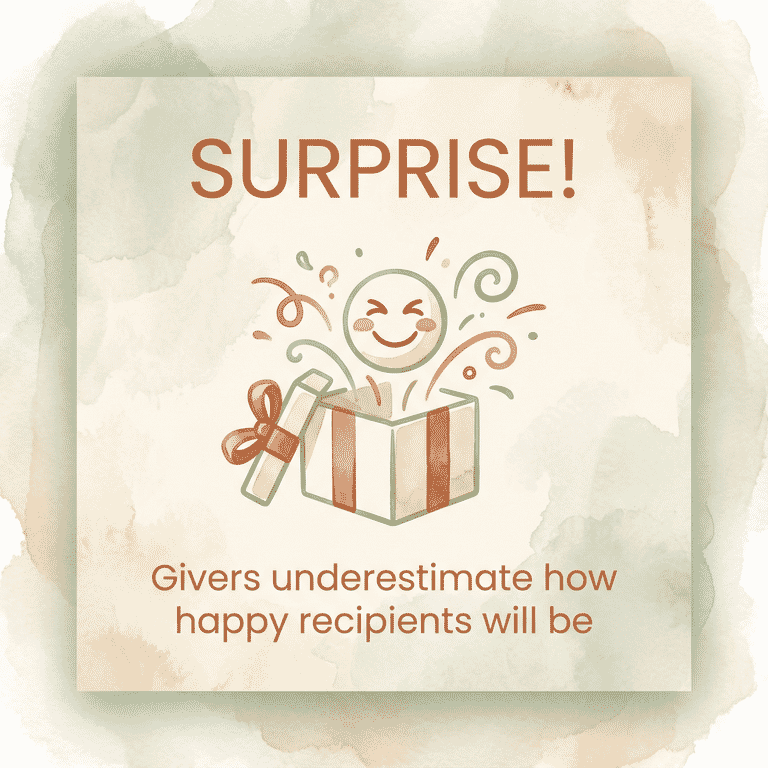
Research from Stony Brook University found this phenomenon is remarkably consistent. Margaret Echelbarger, who led the research, notes: “We tend to think, ‘Oh, it’s no big deal,’ but on the other side, people often think, ‘Wow, someone really cared enough to do something kind for me.'”
Your experience gift matters more than you think it does.
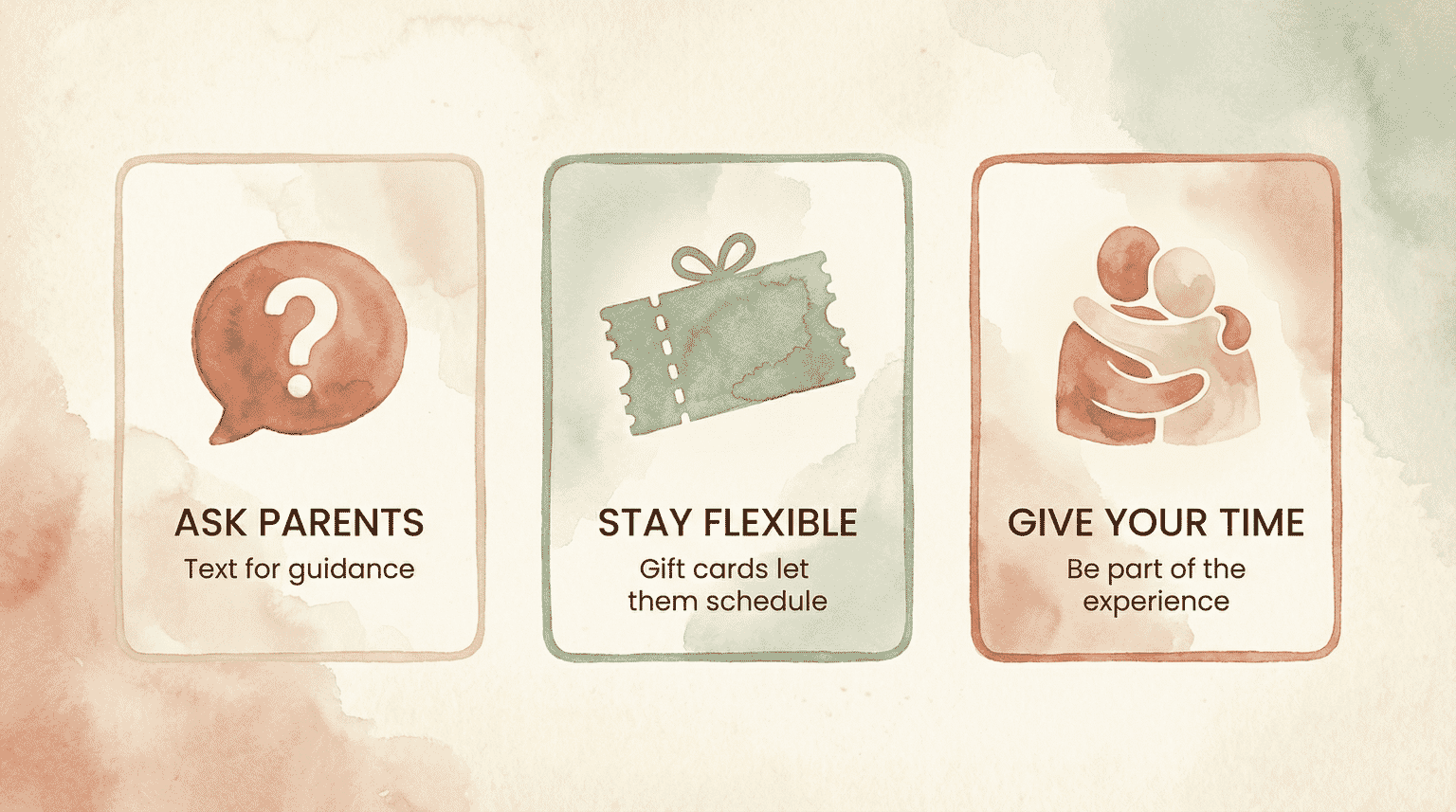
Three approaches that work:
Ask parents for guidance. A simple text: “I’d love to give [child] an experience gift this year. Any memberships they’d use? Classes they’ve mentioned wanting? Activities they’re obsessed with?” Parents will either have immediate ideas or appreciate that you asked.
Choose flexible experiences. Gift cards to experience venues (trampoline parks, movie theaters, bowling alleys) let parents schedule at their convenience. This isn’t impersonal—it’s practical.
Give your time. The experience happens with you. “Grandpa is taking you fishing” or “Aunt Sarah is taking you for a manicure and fancy lunch” creates connection that no material gift can match.
Scott Rick, a researcher at the University of Michigan, notes that “a good gift involves some sacrifice—money, time, or both. It shows that you understand and know the person.”
Quick Age Reference
| Age Range | Best Experience Types | What to Avoid | Presentation Tip |
|---|---|---|---|
| 2-3 | Simple memberships, one-on-one time, sensory classes | Anything requiring long waits or sitting still | Pair with a stuffed animal or toy related to experience |
| 4-5 | Children’s museums, beginner classes, subscriptions | Experiences scheduled months away | Use treasure hunts with pictures |
| 6-8 | Classes building skills, memberships, event tickets | Adult-oriented performances | Create countdown calendars |
| 9-12 | Adventure experiences, specialized classes, concerts | Anything perceived as “babyish” | Mystery clues and reveals work well |
| 13-16 | Events of their choosing, high-adventure activities, subscriptions they select | Anything that feels controlled by adults | QR codes, digital reveals, or cash toward an experience they choose |
For a deeper dive into when children start truly valuing experiences, I’ve written about the developmental window when this shift happens—useful if you’re wondering whether your particular child is ready.
Frequently Asked Questions
What if my child seems disappointed by an experience gift?
This is normal, especially for younger children who expected a box to unwrap. Acknowledge the disappointment without apologizing for the gift: “I know you wanted something to open right now. This gift is going to be really fun—let me show you what we’re going to do.” The disappointment typically evaporates once anticipation builds.
How far in advance should I give an experience gift before the event?
For children under 6, keep the gap short—days to a couple weeks maximum. Their sense of time makes months feel like forever. For ages 7-12, a few weeks to a month works well. Teens can handle longer anticipation and may actually enjoy it.
Can experience gifts work for very young toddlers?
Yes, but frame them as family gifts or parent-child experiences. A zoo membership “for” a 2-year-old is really for the whole family. At this age, the experience matters less than the togetherness—and that’s perfectly fine.
Your Turn
What experience gift has been the biggest hit with your kid? I’ve had home runs (escape room) and total misses (cooking class—wrong child). Would love to hear what your “has everything” child actually loved doing together.
I read every single one—your wins help other parents skip our misses.
References
- What happens in your brain when you give a gift? – APA research on neuroscience of gift-giving and the warm glow effect
- How children react to waiting in different cultures – UC Davis study on anticipation and delayed gratification
- The Power of Giving: Research Explores Kindness in Children – Stony Brook University research on how children perceive gift-giving impact
- The Science of Gift Giving and Happiness – Overview of research on experiences vs. material gifts

Share Your Thoughts