
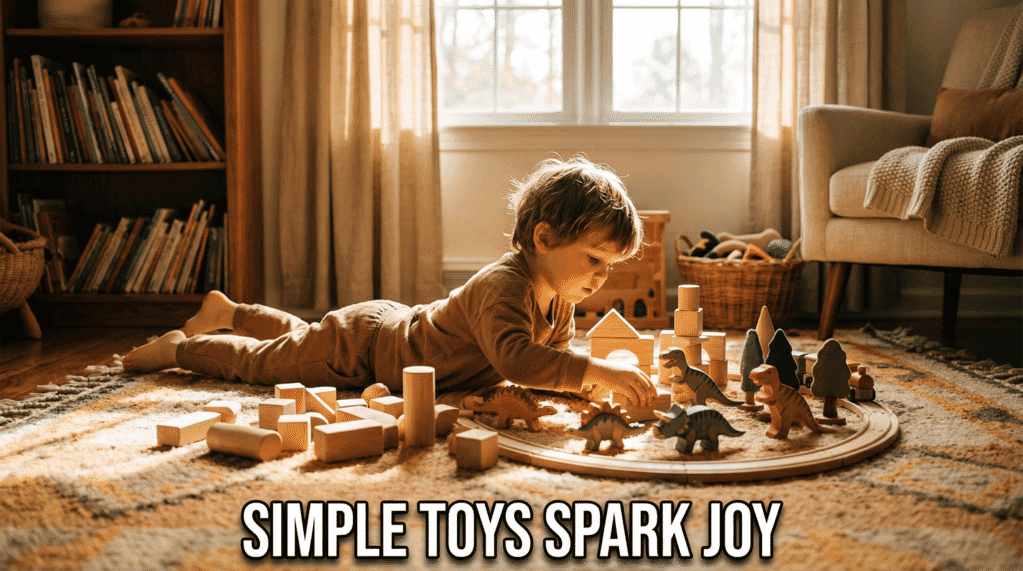
You’ve just spent $80 on a toy your preschooler begged for. Three days later, she’s playing with a cardboard box and some wooden spoons. Sound familiar?
Here’s what my librarian brain couldn’t let go: does the price tag actually matter for kids’ happiness? I dug into the research—and the answer surprised even me.
Key Takeaways
- Research confirms expensive toys don’t make kids happier—compatibility with interests matters most
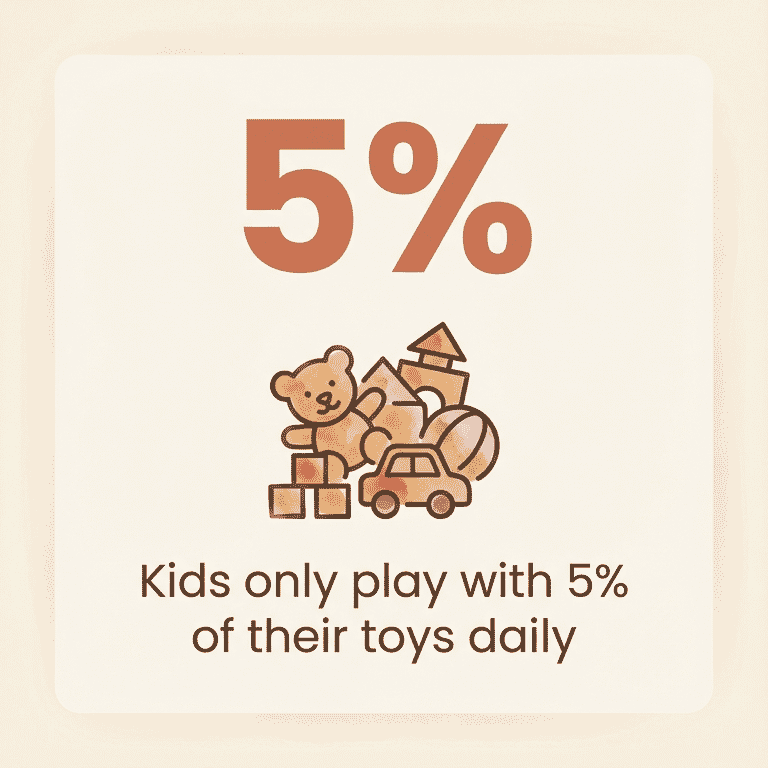
- The average child owns 236 toys but only plays with 12 daily (just 5% of their collection)
- Kids with fewer, simpler toys actually play longer and more creatively—see quality over quantity
- Your presence during play predicts happiness far better than what you spent
The Short Answer: No, and It’s Not Even Close
Research shows expensive toys do not make children happier. Studies find that toy enjoyment depends on three factors: compatibility with the child’s interests, ease of use, and parental involvement during play—not price point.
A 2021 NIH-published study puts it bluntly: “Toys can be chosen according to the budget. Instead of expensive toys, kitchen utensils in the house can also be used as toys.” The key? Stimulating imagination and creating time for play.
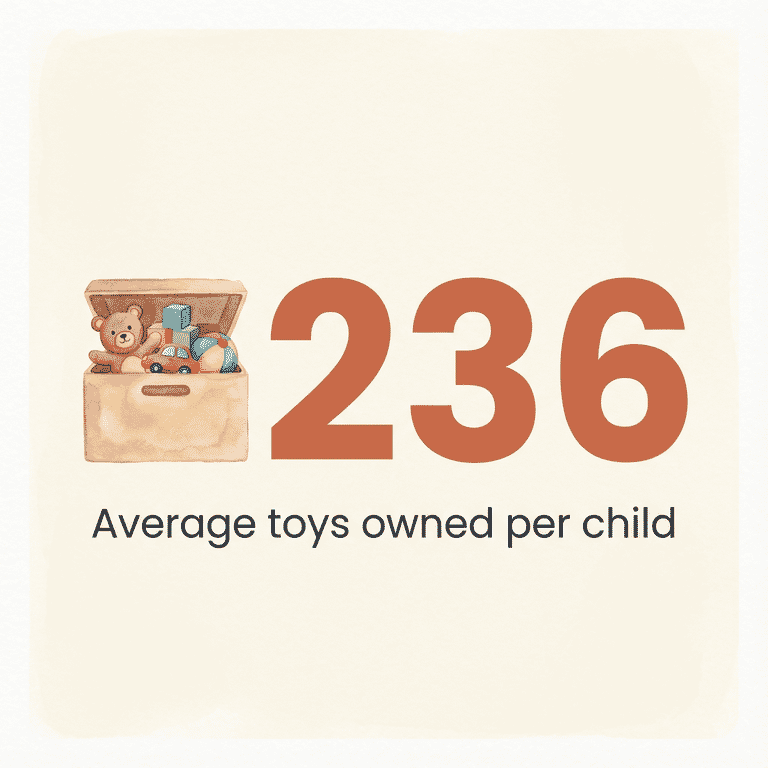
Here’s a stat that stopped me mid-scroll: the average child owns 236 toys but plays with only 12 daily—that’s just 5% of their collection.
If you’re wondering how many presents actually works best, the research suggests we’re dramatically overshooting.
Think about what that means for your playroom. All those toys collecting dust aren’t adding to your child’s happiness—they’re just adding to the cleanup.
The research is clear: more toys don’t equal more joy. In fact, they might be working against it.
What Actually Predicts Toy Happiness
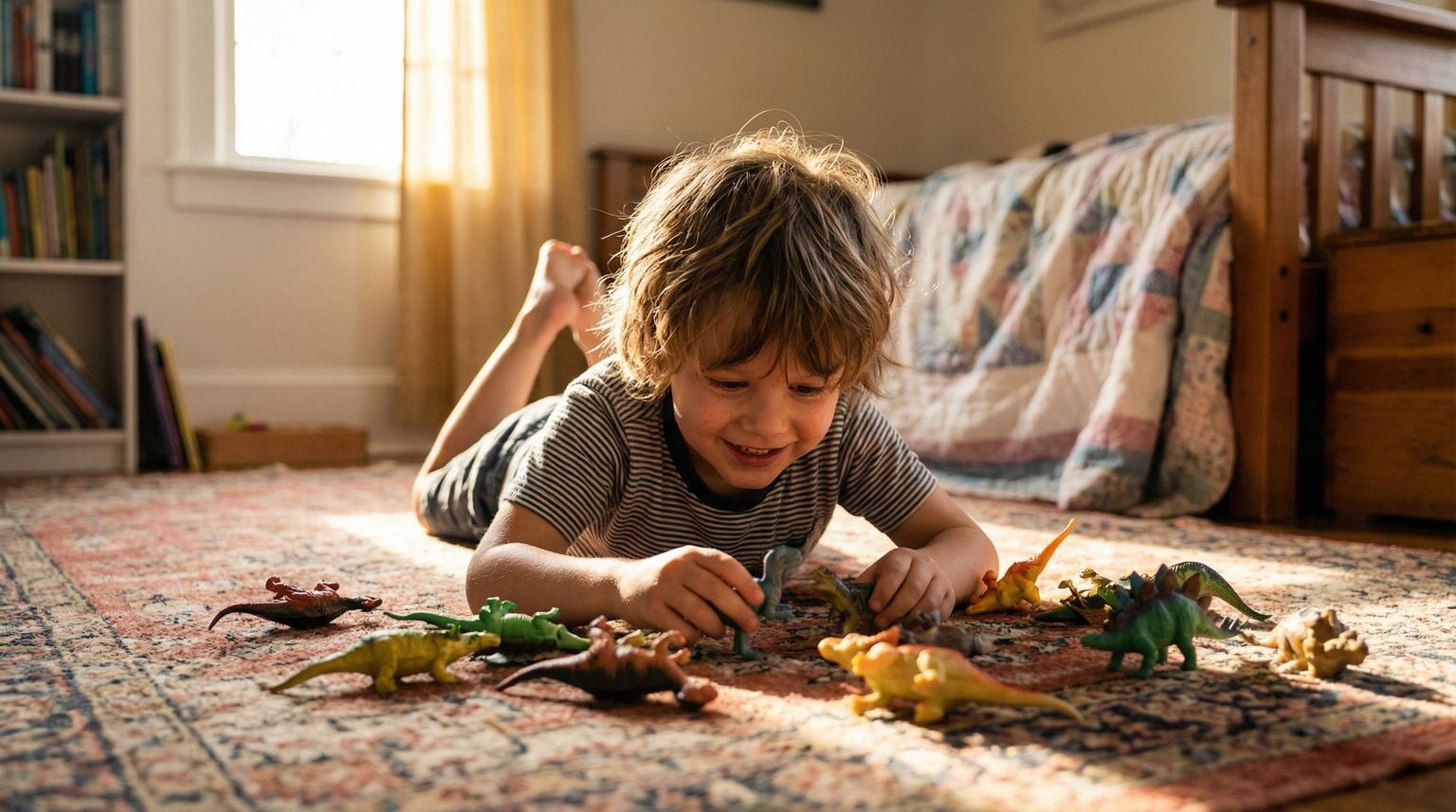
2025 research from Acta Psychologica examined what drives children’s toy enjoyment. The findings? Compatibility—how well a toy matches your child’s existing interests—had the strongest influence on enjoyment. Not price. Not brand. Not complexity.
Three factors consistently matter more than cost:
- Interest alignment: A $15 dinosaur set beats a $100 robot if your kid is obsessed with dinosaurs
- Ease of use: Toys children can actually operate independently create more joy than complex gadgets requiring adult assistance
- Open-ended design: Blocks, art supplies, and dolls allow children to direct their own play—and research from the University of Toledo found kids with fewer, simpler toys played longer and more creatively
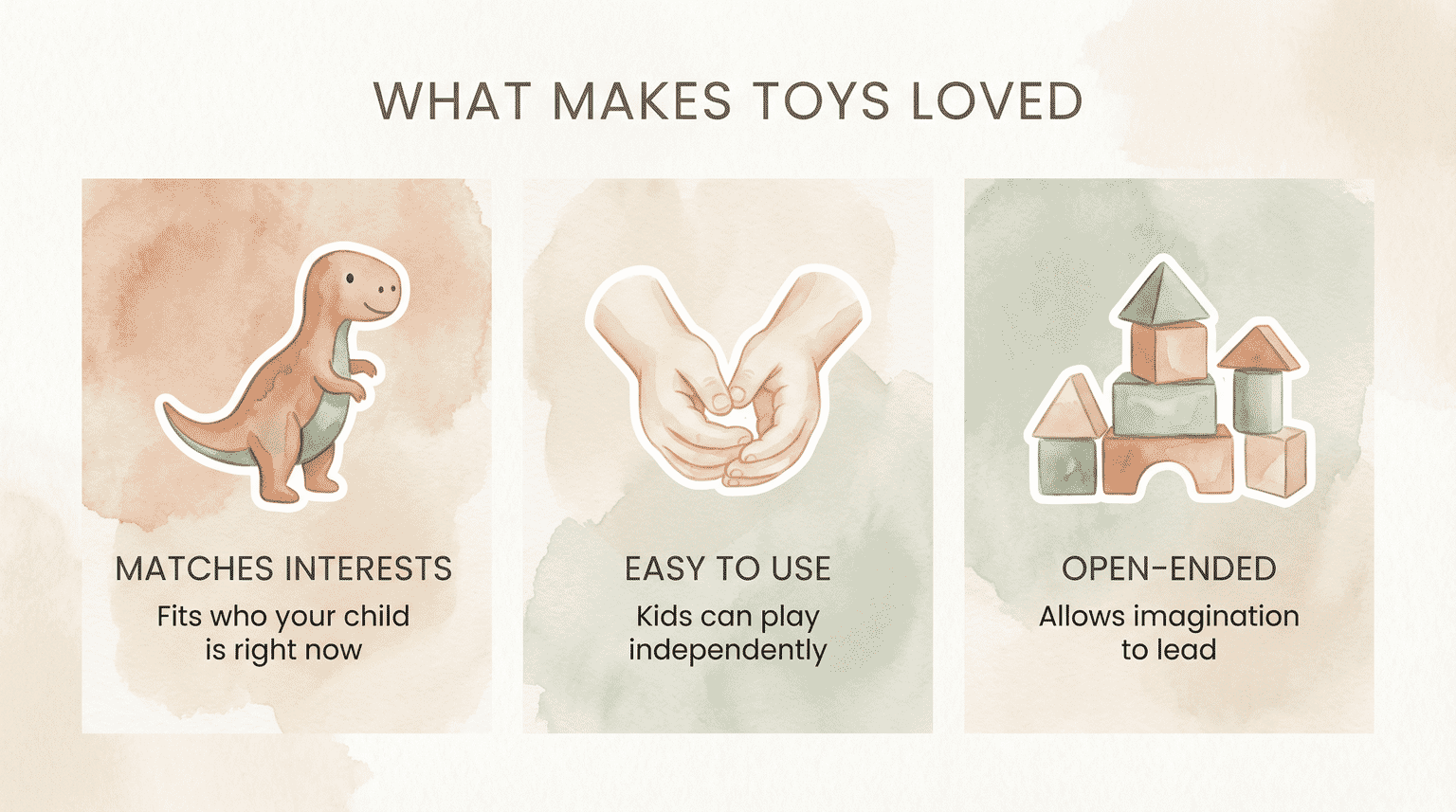
I’ve watched this play out eight times now. My kids’ most-loved toys are rarely the expensive ones—they’re the ones that fit who that child is at that moment.
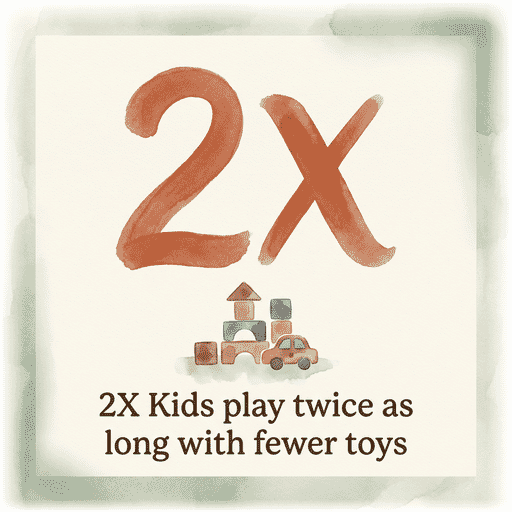
The University of Toledo research found something that might reshape how you think about the playroom: kids with fewer toys played twice as long with each one.
Less choice meant deeper engagement. Less overwhelm meant more creativity. Sometimes the best gift is simply having less to choose from.
The Real Takeaway (And Some Relief for Your Wallet)
The toy industry has figured out how to make parents feel guilty—and then sell us the “solution.”
“Companies capitalize on our parenting stress and guilt by selling us things that are supposedly good for our kids… For the most part, the things that these companies and influencers are selling us likely have little to no impact on our child’s development.”
— Jenalee Doom, Ph.D., Developmental Psychologist
As both a developmental psychologist and a mom, Dr. Doom adds that she doesn’t stress about which toys to buy because her daughter learns just as much exploring kitchen utensils or playing in leaves as she would with expensive toys.
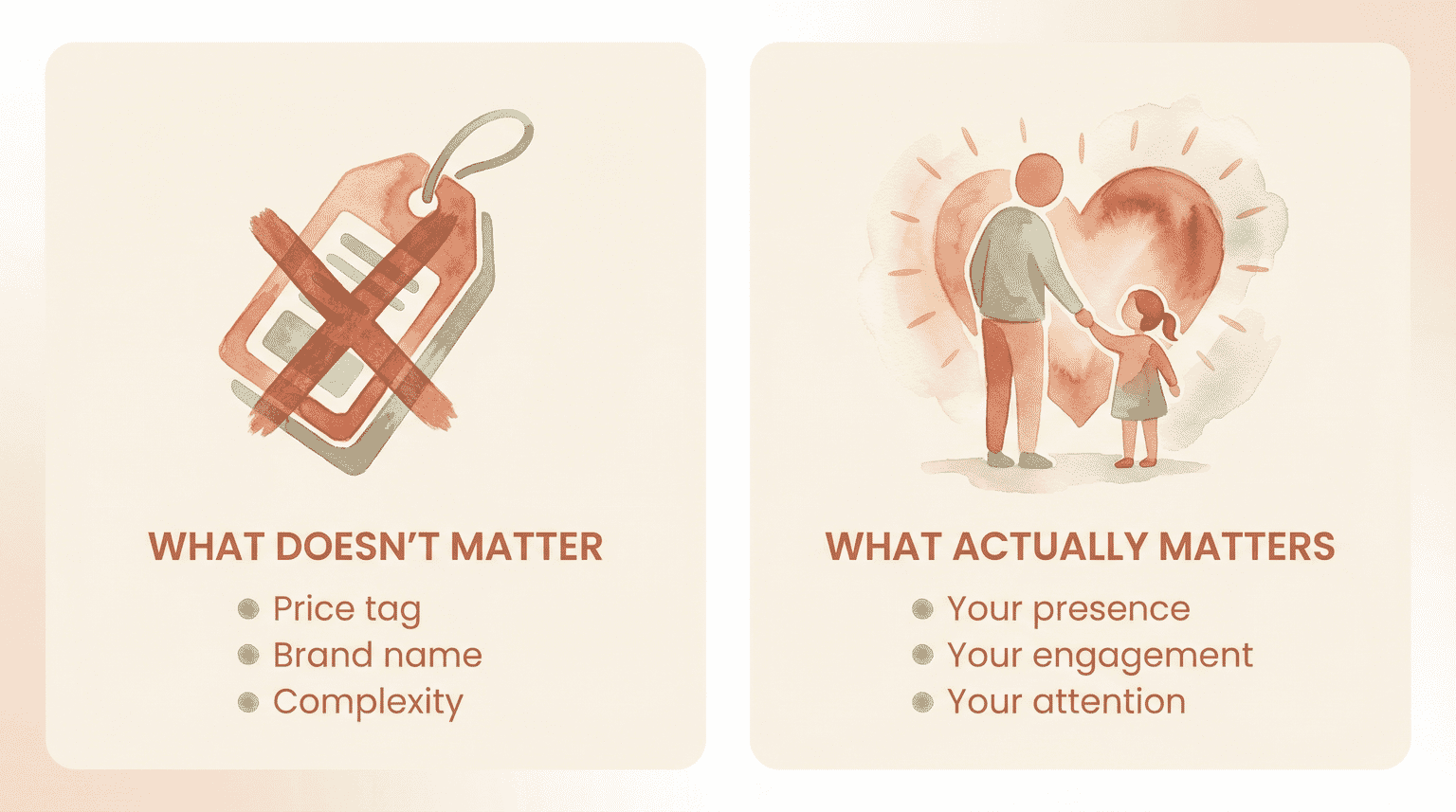
The bottom line: Your presence matters more than your purchase. The research on the science behind meaningful gifts consistently shows that how you engage with your child around a toy predicts happiness far better than what you spent on it.
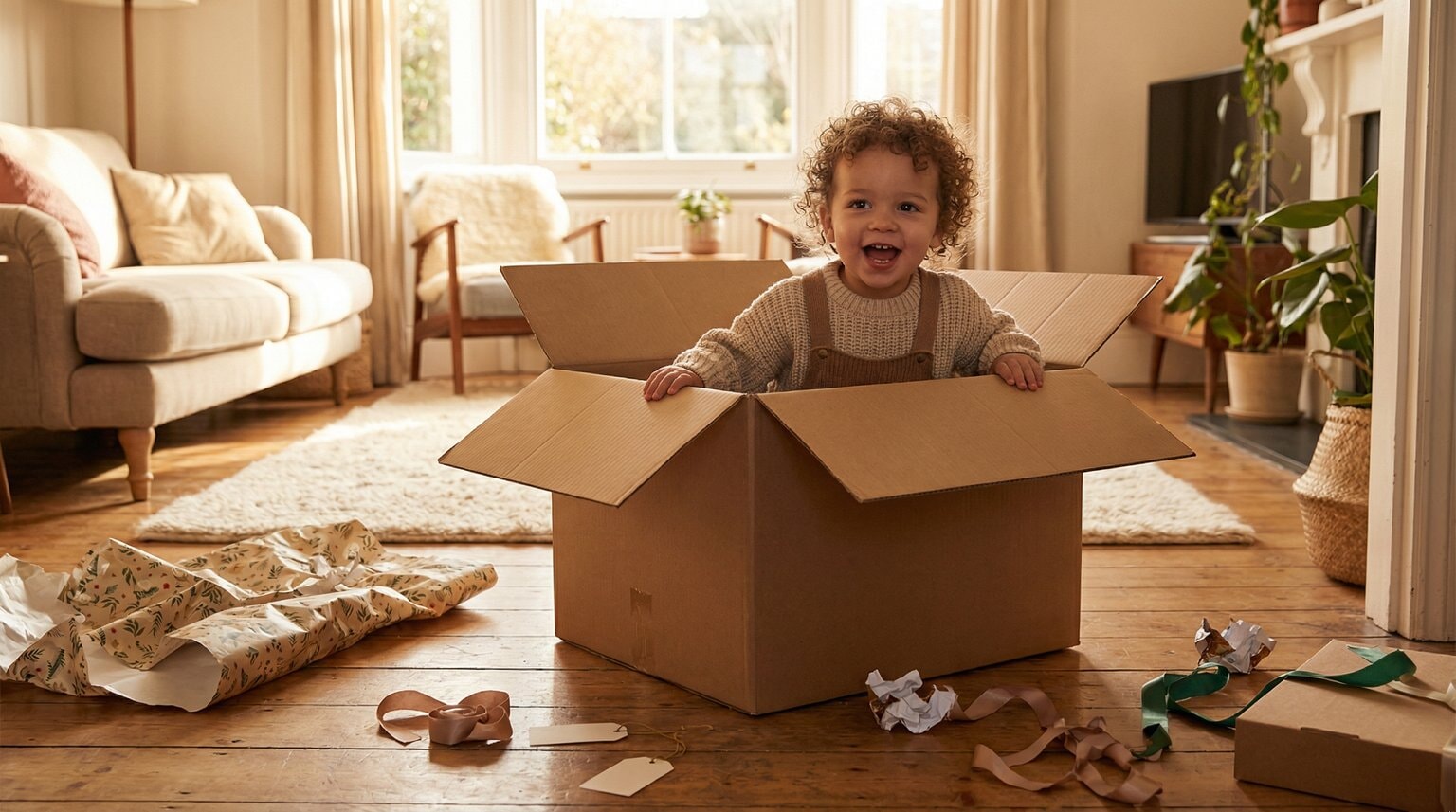
So the next time your kid ignores the pricey gift for the box it came in? Their brain is doing exactly what it should.
Join the Conversation
What’s the most expensive toy that flopped—and the cheap one that became a favorite? I’d love to hear your price-vs-play reality checks. These stories save other parents from making the same splurge mistakes.
I read every comment and these stories help other families.
References
- PMC/NIH: Children’s only profession: Playing with toys – Medical research on play and toy selection
- Psychology Today: The 6 Things Kids Actually Need – Developmental psychology perspective on toy spending
- Acta Psychologica: Enhancing purchase intentions for educational toys – Research on factors predicting toy enjoyment
- EchoAge: Fewer Toys, Healthier Child – University of Toledo study on toy quantity and play quality

Share Your Thoughts