

Your 7-year-old tears open a gift, glances at it for half a second, and asks, “What else did I get?” Meanwhile, you’re standing there wondering where you went wrong—and whether it’s too late to fix it.

Here’s what the research actually shows: entitlement isn’t a personality flaw your child was born with. It’s a pattern that develops through specific parenting behaviors—which means it can be both prevented and corrected. I’ve watched this dynamic shift in my own house with 8 kids, and I can tell you the strategies that work aren’t the ones most parents reach for first.
Key Takeaways
- Entitlement develops from both extremes—too much indulgence AND too much neglect
- Five specific parenting patterns feed entitled behavior, and awareness is the first step to change
- With consistent intervention, most families see meaningful change within 6-12 weeks
- Gift-giving situations reveal entitlement patterns more than almost any other moment
- Expect regression before progress—your child’s protests are evidence that limits are working
What Entitlement Actually Looks Like
Entitlement is a child’s expectation that they deserve special treatment, recognition, or rewards without having earned them. Unlike being “spoiled” (receiving excessive material things), entitlement is a mindset where children believe rules don’t apply to them and only their needs matter.
As psychologist Dr. Michael Wetter of Pepperdine University explains:
“It’s hard to find somebody who’s spoiled and not also simultaneously entitled, but you can be entitled without being spoiled.”
— Dr. Michael Wetter, Psychologist, Pepperdine University
A child with few possessions can still believe the world revolves around them, while a child with many things might still show genuine gratitude and effort.
Warning Signs Across Ages
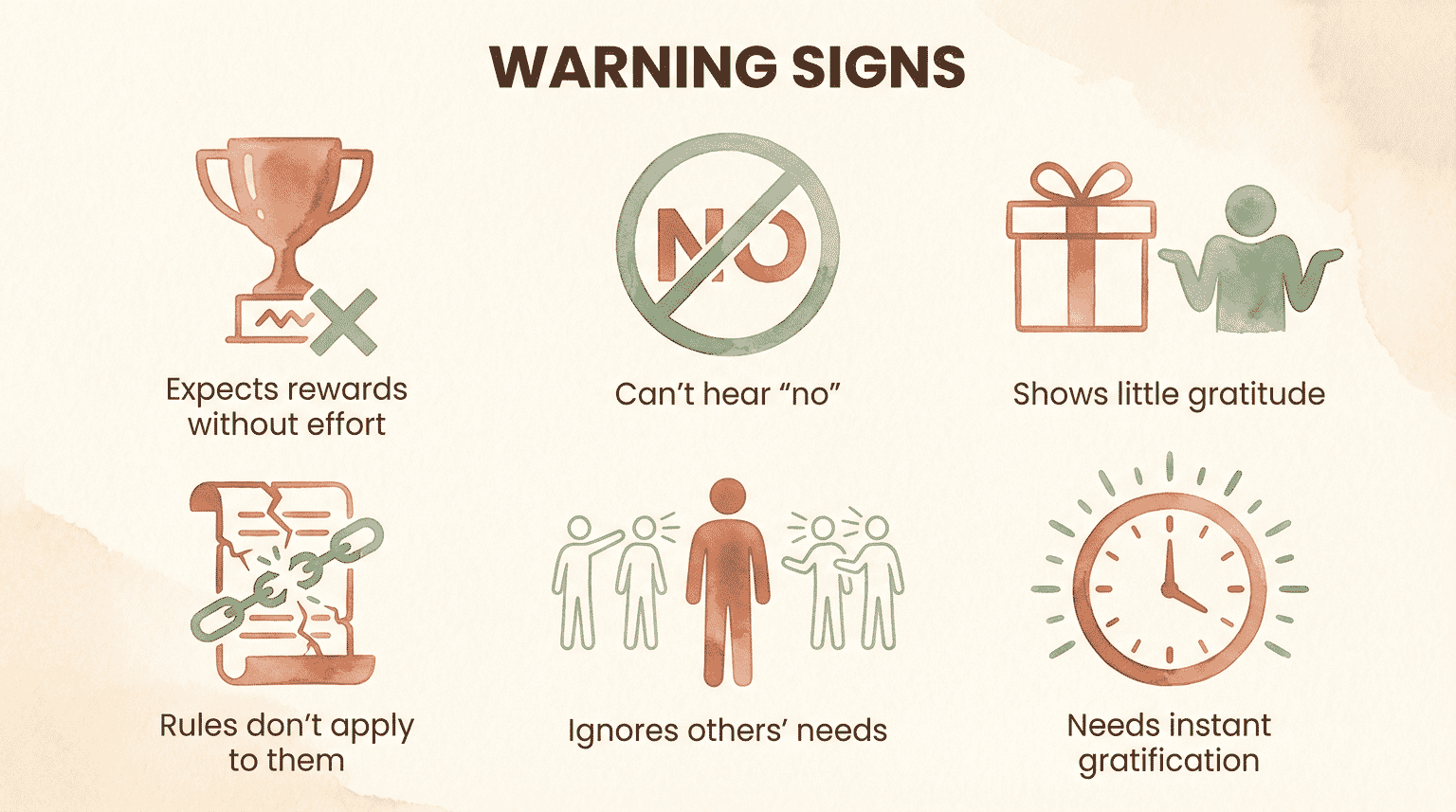
Entitled behavior looks different depending on your child’s developmental stage. Here’s what to watch for:
- Expects rewards without effort — from demanding a treat at checkout to expecting good grades without studying
- Has difficulty hearing “no” — meltdowns, negotiations, or pretending they didn’t hear you
- Shows little gratitude — opens gifts without acknowledgment or thanks
- Believes rules don’t apply to them — “But I shouldn’t have to clean up—I didn’t make the mess!”
- Struggles to consider others’ perspectives — genuinely confused when others have different needs
- Demands immediate gratification — cannot tolerate waiting for anything
- Blames others when things go wrong — teachers, siblings, “the situation”
Here’s what surprised my librarian brain when I started researching this: entitlement develops from both extremes—too much indulgence AND too much neglect. Children who are over-protected never learn realistic limits. Children who are neglected may believe the world owes them compensation for what they didn’t receive.
The common thread? Neither group fully experiences the reality of limits.
The Five Parenting Patterns That Create Entitlement

Before diving into solutions, it’s worth understanding what feeds entitlement in the first place. Research from a 2024 Nature study on parental over-protection found that excessive control “restricts children’s autonomous space” and hinders their development of realistic self-concepts.
Pattern #1: Removing all struggle. When we solve every problem before our children feel frustrated, we communicate that they shouldn’t have to try hard.
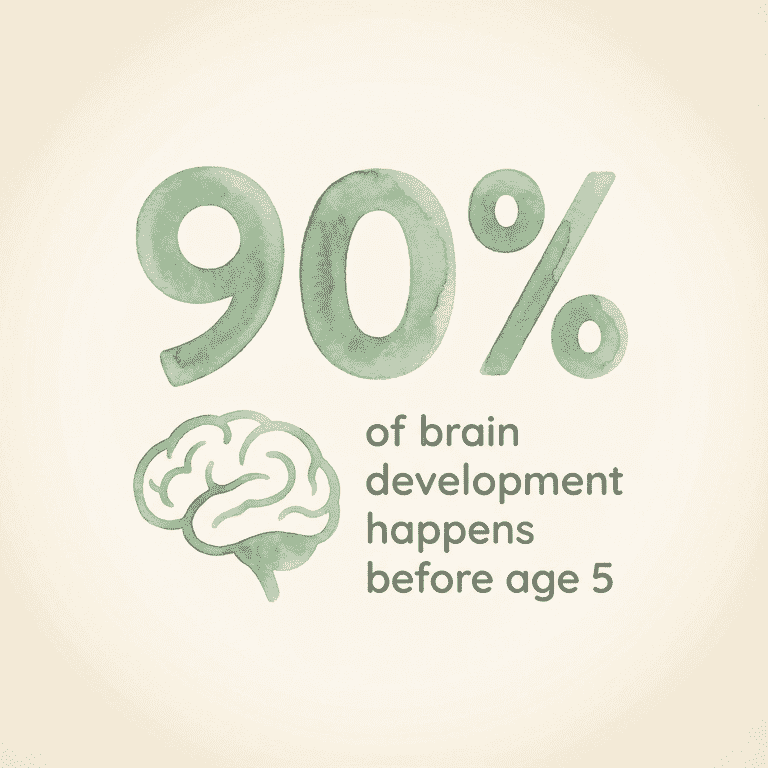
A 2024 Collaborative for Children report emphasizes that 90% of brain development occurs in the first five years—and if entitlement takes root during this period, it significantly impacts social-emotional growth.
This means the habits we build (or allow) in toddlerhood have outsized influence on who our children become.
Pattern #2: Being a peer, not a parent. Dr. Wetter notes that “families are really about hierarchy. Parents are making decisions based on their life experience and their parental wisdom.” When children have equal vote on bedtimes, meals, and family plans, they learn their preferences should always win.
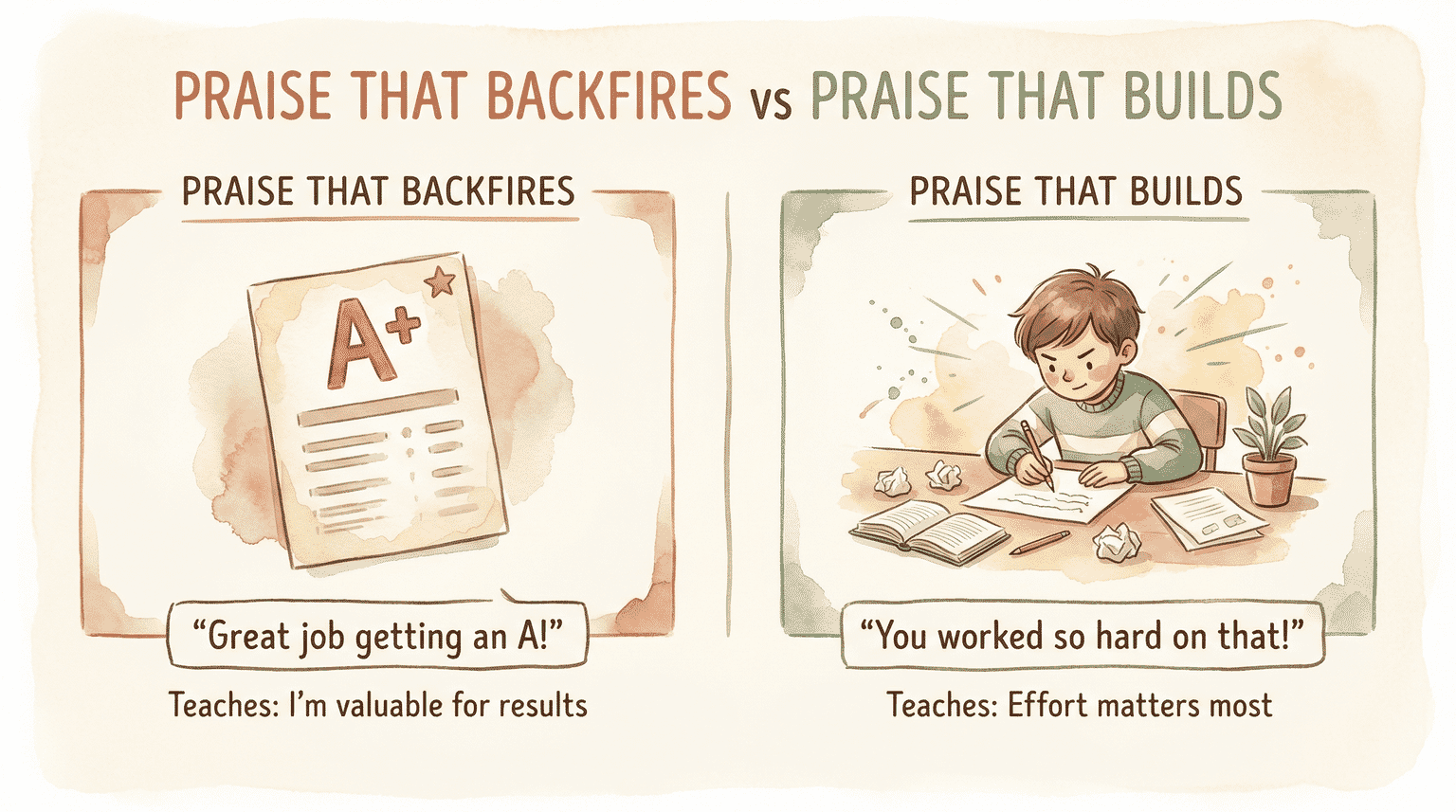
Pattern #3: Praising outcomes, not effort. “Great job getting an A!” sounds positive, but it teaches kids they’re valuable for results, not persistence. When the A doesn’t come, they feel cheated rather than motivated.
Pattern #4: Rescuing from consequences. Forgot the homework? Mom brings it. Lost the soccer jersey? Dad buys a new one. Each rescue teaches that someone else will fix their problems.
Pattern #5: Meeting every demand without limits. Claire Lerner, LCSW-C, writes in Psychology Today: “Lack of limits is frequently the culprit when it comes to kids developing a sense of entitlement.”
Quick self-assessment: Which pattern do you recognize? Most of us—myself included—fall into at least one. The good news is that awareness is the first step toward change.
Seven Strategies That Actually Work

These strategies focus on prevention—building habits before entitlement takes hold. If your child already shows entitled patterns, skip ahead to the correction section, then return here for long-term maintenance.
Strategy 1: The Two-Choice Method
Instead of commanding or negotiating, offer two acceptable options. “Would you like to put on your shoes first or your coat first?” This preserves your child’s autonomy while maintaining your boundary that we’re leaving now.
When they reject both options, Lerner suggests calmly helping them to a safe space: “I see you’re having a hard time, so I will be a helper.” This isn’t punishment—it’s support through their frustration.
Strategy 2: Chores as Non-Negotiables
Clinical guidelines from the American Academy of Child and Adolescent Psychiatry note that children who do chores exhibit higher self-esteem and are better equipped to handle frustration and delayed gratification.
In my house, this looks like:
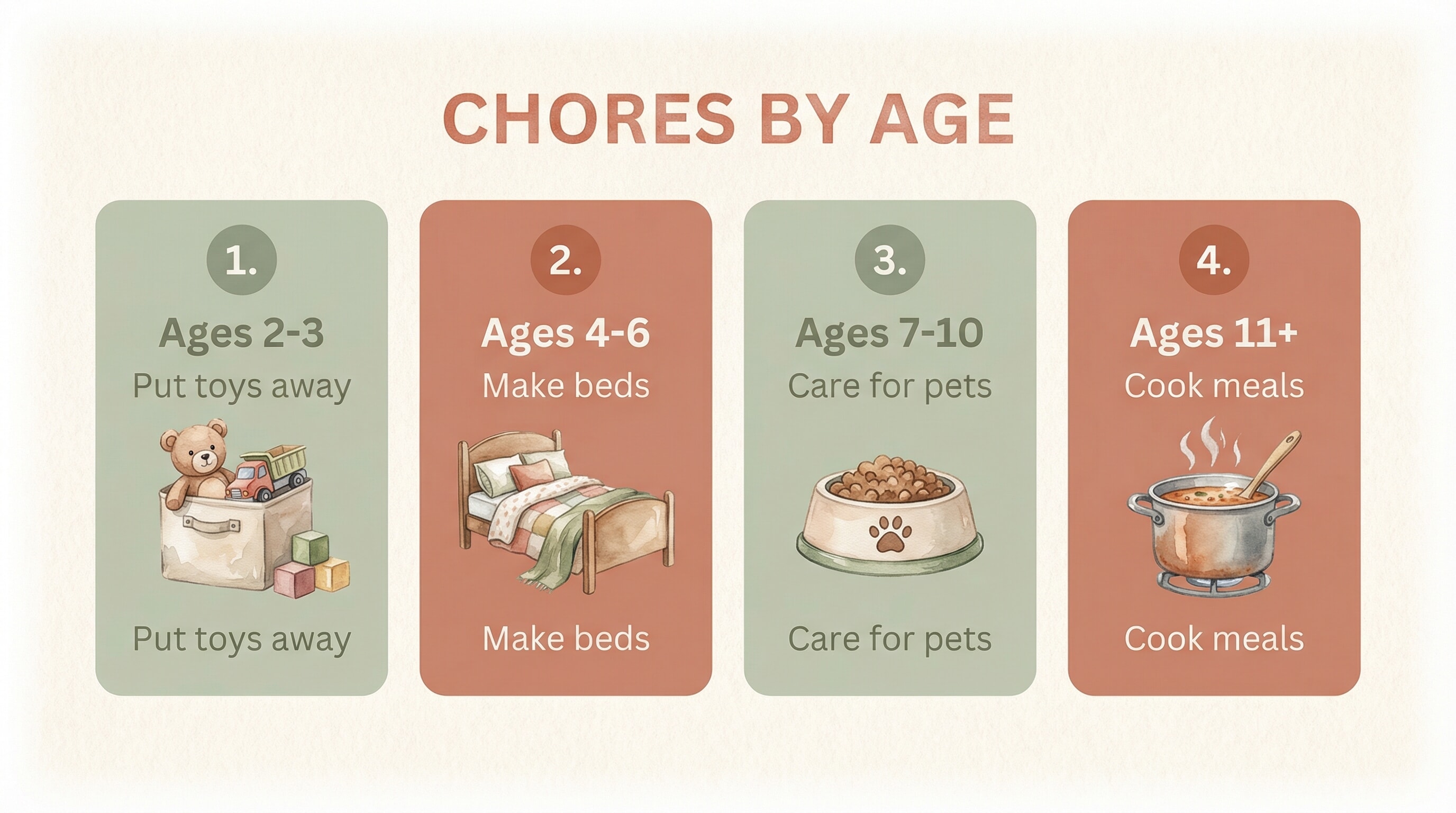
- Ages 2-3: Put toys in bins, bring dishes to the sink
- Ages 4-6: Make beds, sort laundry, set tables
- Ages 7-10: Load dishwasher, vacuum, care for pets
- Ages 11+: Cook simple meals, do their own laundry
The key? These aren’t paid tasks. Contributing to the household is part of being in the family.
Strategy 3: Delayed Gratification Practice
When your child wants something, build in waiting time—even artificially. “That’s on your birthday list” or “Let’s save up for it together” teaches that good things require patience.
Research shows this builds the neural pathways for self-regulation that entitled children never develop. For specific techniques on teaching delayed gratification, we’ve compiled age-appropriate strategies.
Strategy 4: Natural Consequences
The WHO’s evidence-based parenting guidelines identify natural consequences as highly effective for reducing problematic behaviors. When your child refuses a jacket, they get cold. When they don’t pack their lunch, they’re hungry at school.
Your job isn’t to fix it—it’s to empathize without rescuing: “That must have been uncomfortable. What will you do differently tomorrow?”
This approach works because children learn best from experiencing reality, not from lectures about what might happen.
Strategy 5: Effort-Based Praise
Shift from “You’re so smart!” to “You worked really hard on that.” This builds resilience. When challenges come, effort-praised children think “I need to try harder,” while outcome-praised children think “I must not be good enough.”
Strategy 6: Regular Gratitude Practice
Research from positive psychology shows that children who practice gratitude are happier, more empathetic, and better equipped for life’s challenges. This doesn’t mean forcing thank-you notes—though those matter too.
Try asking at dinner: “What’s something good that happened today?” or keeping a family gratitude jar. For deeper tactics on gratitude rituals that actually work, we’ve developed specific practices by age.
Strategy 7: Empathy-Building Conversations
Dr. Traci Baxley, professor and author of Social Justice Parenting, emphasizes that by age three, children begin demonstrating genuine compassion. They can understand that others have different feelings.
Practice perspective-taking in everyday moments. When making a sibling’s sandwich, ask: “What do you think your sister would want on hers?” When watching a movie: “How do you think that character feels right now?”
“Teaching compassion to your children requires you to start saying no sometimes.”
— Dr. Traci Baxley, Professor and Author of Social Justice Parenting
And honestly? That’s the part most of us struggle with. Saying no feels harsh in the moment, but it’s one of the kindest things we can do for our kids’ futures.
Gift-Giving and Receiving: The Hidden Battleground

In my experience, gifts trigger entitled behavior more visibly than almost any other situation. The birthday party, the holiday morning, the random grandparent package—these are the moments when you see exactly where your child is developmentally.
Why Gifts Are So Revealing
Gifts combine everything that challenges entitled children: receiving without earning, managing expectations versus reality, expressing gratitude under pressure, and waiting (sometimes) for the right moment to open.
Birthday Party Receiving
Before the party, set expectations: “You’ll thank each person when you open their gift. Even if it’s not what you wanted, you can find something kind to say about it.”
When your child says: “I already have this!”
Try: “How nice that your friend knew you’d enjoy this. Let’s thank them for thinking of you.”
Gift Disappointment
It happens. My 6-year-old once announced, “This isn’t even what I wanted!” in front of the gift-giver. The key is addressing it privately later.
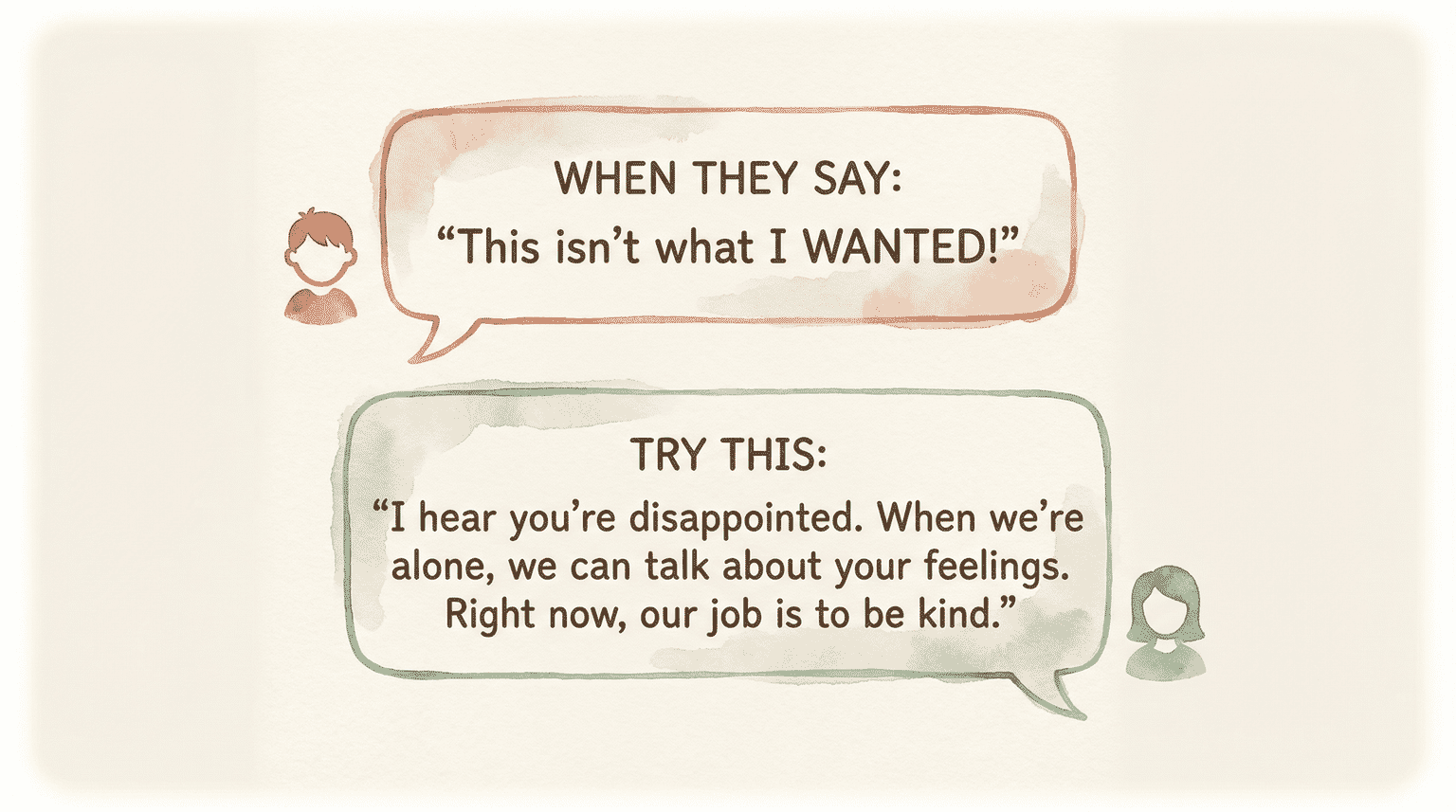
When your child says: “This isn’t what I WANTED!”
Try: “I hear you’re disappointed. When we’re alone, we can talk about your feelings. Right now, our job is to be kind to the person who thought of us.”
For a deeper framework on teaching children about meaningful gift-giving, we’ve outlined approaches that address both the giving and receiving sides.
Holiday Expectation Management
Start before the season: “This year, we’re each choosing three gifts we really want, and we’ll see what happens.” This prevents the endless lists and inevitable disappointment when 47 items don’t materialize.
Correcting Existing Entitlement
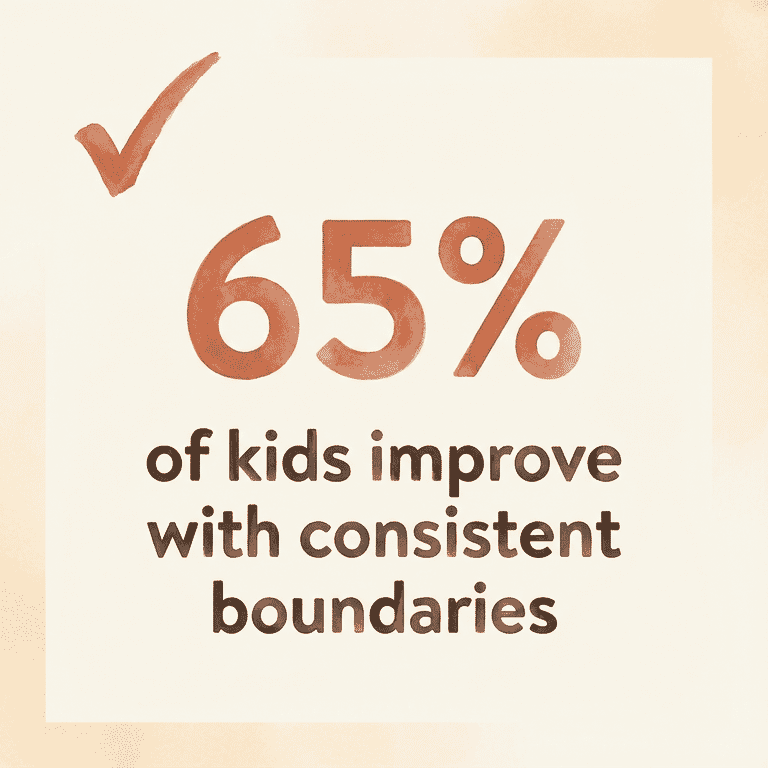
Prevention is easier than correction—but correction is absolutely possible. Research on structured parenting interventions shows significant improvement, with one study finding 65% of children moving from problematic to healthy behavior ranges after consistent intervention.
Why Correction Differs from Prevention
With prevention, you’re building habits in neutral territory. With correction, you’re changing patterns your child already relies on—and they will push back. Hard.
Claire Lerner’s insight helps here: “The goal was to show the child that the parent could tolerate her upset.” Your child’s protests aren’t evidence that limits are harming them—they’re evidence that limits are working.
Expect Regression Before Progress
When you suddenly start holding boundaries, your child will escalate. The tantrums may get worse. The negotiations more intense. This is normal. They’re testing whether you mean it this time.
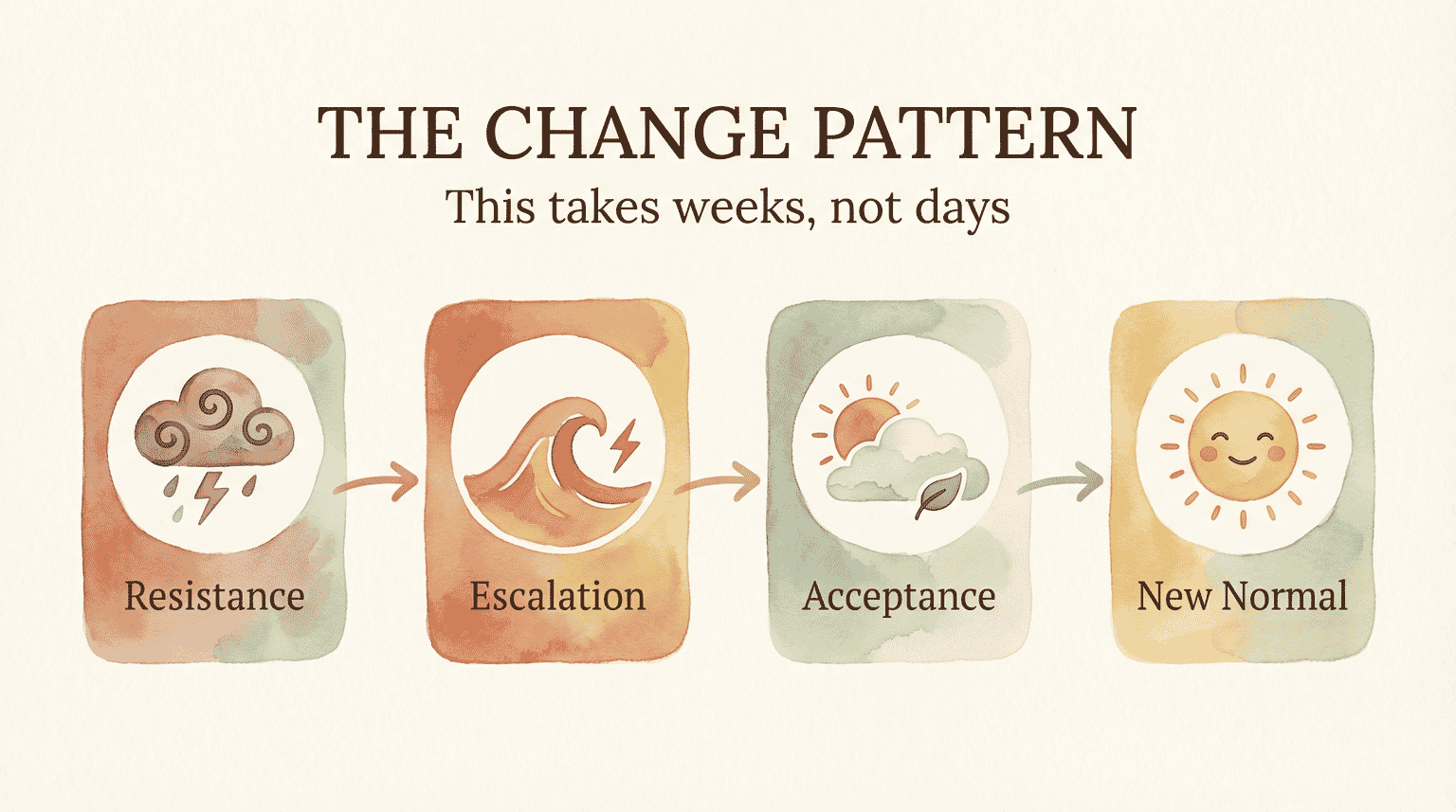
Stay consistent. The pattern typically looks like: initial resistance → escalation → gradual acceptance → new normal. This takes weeks, not days.
Signs of Progress
Watch for these shifts:
- Accepting “no” faster (fewer rounds of negotiation)
- Expressing gratitude unprompted
- Showing concern for others’ needs
- Handling disappointment without meltdown
- Participating in chores without battle
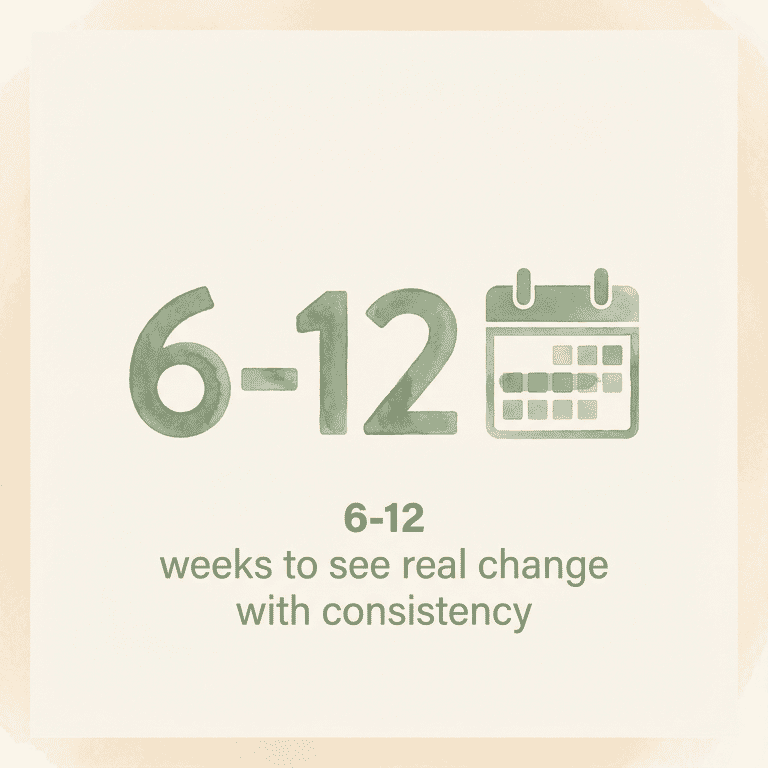
Studies on structured parenting programs show significant behavioral improvements at 6-month follow-up. But you’ll start seeing small shifts much sooner if you stay consistent.
Remember: progress isn’t linear. Bad days happen. That doesn’t mean the approach has failed.
When One Strategy Doesn’t Work
If you’ve been consistent with a strategy for 3-4 weeks without progress, try combining it with another rather than abandoning it.
Scripts for Common Situations
Here’s the language that works—collected from research and refined through my eight-kid testing lab.
When your child says: “I want it NOW!”
Try: “I hear you want it right away. Let’s talk about when it could happen and what we can do while we wait.”
When your child says: “That’s not FAIR!”
Try: “It might not feel fair. Fair doesn’t always mean equal—it means everyone gets what they need.”
When your child says: “Why do THEY get to…”
Try: “I hear you comparing. In our family, we focus on what we have, not what others have.”
When your child says: “I don’t HAVE to!”
Try: “You’re right—you’re making a choice. And that choice has a consequence. Which will you pick?”
When your child says: “This isn’t what I WANTED!”
Try: “You’re disappointed. That’s okay to feel. What can you find to appreciate about this gift?”
The pattern in all of these: acknowledge the feeling, hold the boundary, offer appropriate choices or perspective.
Frequently Asked Questions

At what age can children understand gratitude?
Research shows genuine empathy emerges around age 3, with understanding that others have different feelings and perspectives. By age 8, children can extend empathy more broadly. This means gratitude practice can start young—even 2-year-olds can learn “thank you”—but deep appreciation develops over years.
How long does it take to see improvement in entitled behavior?
With consistent intervention, most families see meaningful change within 6-12 weeks. Studies on structured parenting programs show significant behavioral improvements at 6-month follow-up. Expect initial regression before progress—this is normal and indicates your limits are working.
What if my partner or co-parent doesn’t follow the same approach?
Consistency matters, but perfection isn’t required. Even one caregiver holding firm creates progress. Focus on aligning around 2-3 core strategies rather than trying to synchronize everything. Children adapt to different expectations from different caregivers—the key is that each person holds their own boundaries.
Should I feel guilty about saying no to my child?
Quite the opposite. Dr. Baxley emphasizes that teaching compassion requires saying no sometimes. When you cave to avoid their upset, you’re teaching that demands work and that they can’t handle disappointment. Holding limits—even when it’s hard—is an act of love for who they’re becoming.
What About You?
Have you seen entitlement creep up on your family? I’d love to hear what caught your attention—and what strategies actually helped shift the pattern.
Your entitlement stories help other parents realize they’re not alone in this.
References
- Psychology Today: How Not to Raise an Entitled Child – Claire Lerner on limit-setting strategies
- The Psychology of Entitlement – Research on developmental origins
- Pepperdine: Entitled Children Strategies – Dr. Michael Wetter on the entitled/spoiled distinction
- CNBC: Parenting Expert on Entitlement – Dr. Traci Baxley’s five toxic mistakes framework
- Collaborative for Children: Promoting Gratitude – Early intervention research
- Nature: Parental Over-Protection Study – 2024 research on autonomy and entitlement
- WHO: Evidence-Based Parenting Guidelines – Discipline strategies with research support

Share Your Thoughts