
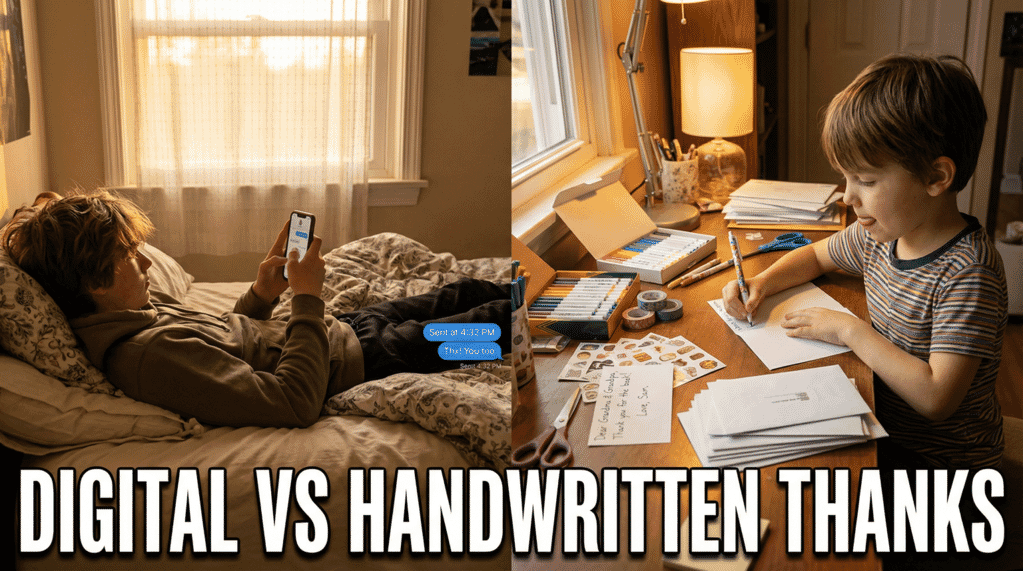
In an age when a chatbot can draft a thank you note in seconds, does the format still matter?
My librarian brain couldn’t let this question go. With eight kids cycling through birthday parties, holidays, and grandparent gifts, I’ve watched thank you notes evolve from crayon scribbles to typed texts. When my teenager asked if a quick Instagram DM “counted,” I realized I needed to know what the research actually says—not what etiquette columns assume.
What I found surprised me. The answer isn’t as simple as “handwritten is always better.” But what happens in your child’s brain during each type of note-writing? That part is fascinating.
Key Takeaways
- Handwriting activates widespread brain regions for movement, vision, and memory—typing doesn’t
- Kids who write thank you notes by hand remember gifts longer and process gratitude more deeply
- In the AI age, handwritten notes signal authenticity in ways digital messages can’t
- Digital thank-yous work better for time-sensitive, casual, or peer-to-peer situations
- Teach kids to choose their method intentionally based on context, not just convenience
What Happens in the Brain During Handwriting
Norwegian University of Science and Technology researchers recently strapped EEG sensors onto 36 students and asked them to either write or type words. The difference in brain activity was striking.
Writing by hand activated widespread electrical activity across brain regions responsible for movement, vision, sensory processing, and memory. Typing? Minimal activity in those same areas.
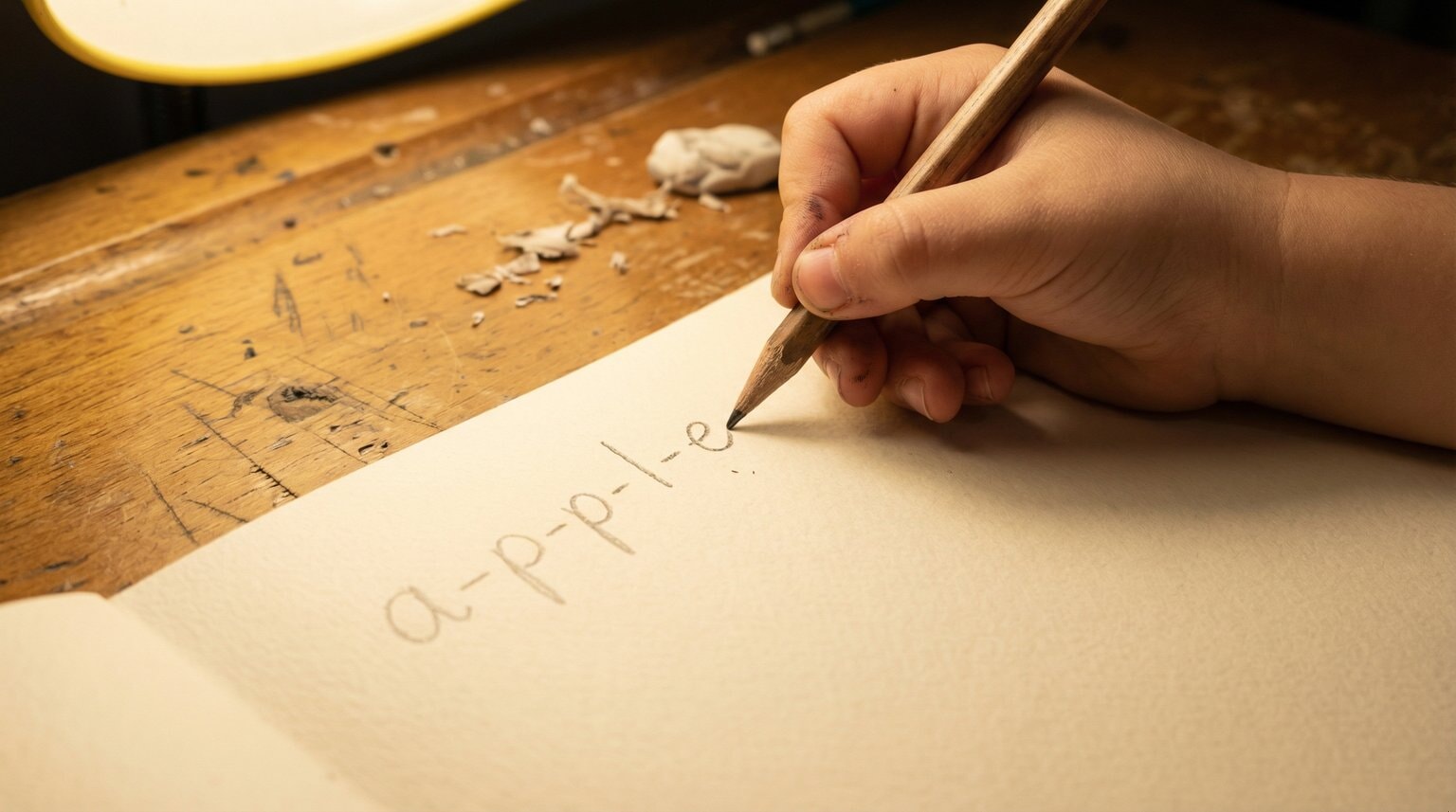
“When you are typing, the same simple movement of your fingers is involved in producing every letter, whereas when you’re writing by hand, you immediately feel that the bodily feeling of producing A is entirely different from producing a B.”
— Professor Audrey van der Meer, Neuropsychologist, Norwegian University of Science and Technology
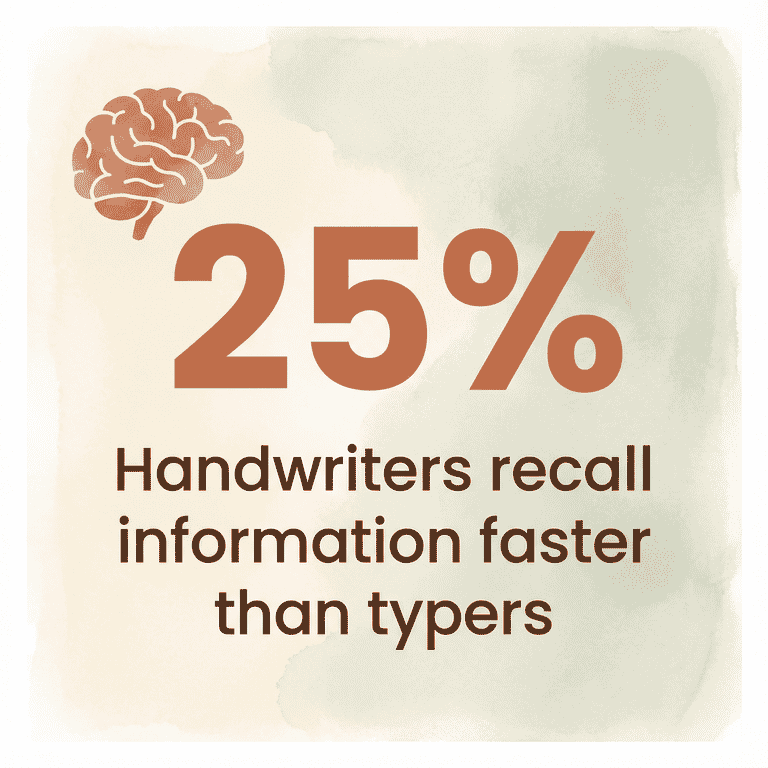
This isn’t just academic trivia. A systematic review of 33 studies from Cornell University found that students with handwritten notes scored significantly higher on quizzes. Japanese researchers discovered handwriters recalled information 25 percent faster than those who typed.
In my house, this shows up in unexpected ways. My 8-year-old remembers what she thanked Grandma for months later.
My 15-year-old, who texted his thanks? He’d forgotten the gift by dinner.
Van der Meer puts it bluntly: “It’s very tempting to type down everything… It kind of goes in through your ears and comes out through your fingertips, but you don’t process the incoming information.”
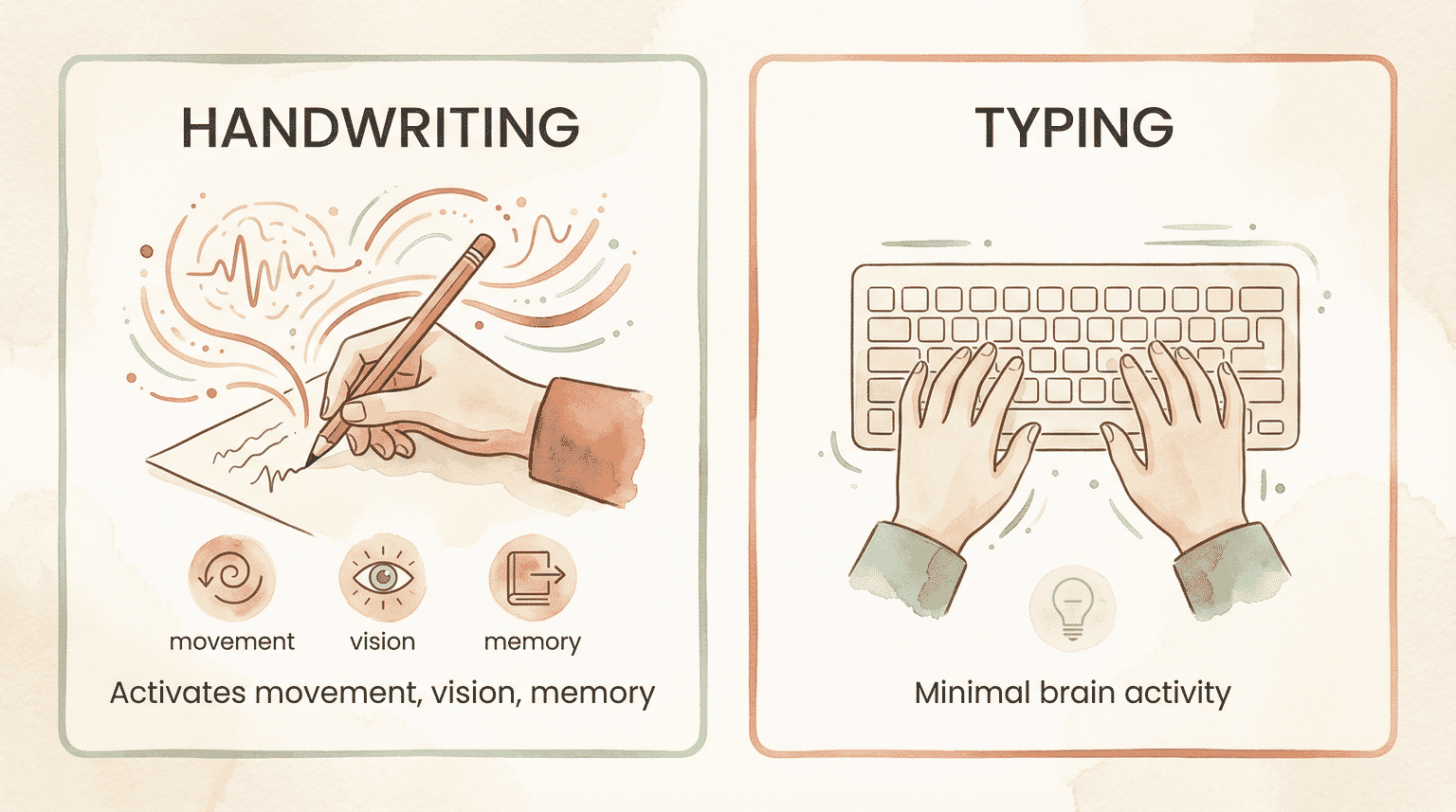
For thank you notes, this matters. When children write by hand, they’re not just communicating gratitude—they’re encoding the experience of receiving and appreciating the gift more deeply into memory.
The Emotional Dimension: Processing Gratitude Through Writing
Here’s something the neuroscience doesn’t fully capture: the mood shift.
Research published in Frontiers in Human Neuroscience found participants reported significantly higher positive mood during handwriting than typing. They felt more “vigor” and “activity” when writing with a pen—regardless of how familiar they were with either method.
Psychology Today’s analysis of this research adds another layer: writing helps people process emotional experiences through sense-making. The greater the cognitive effort to find meaning, the greater the appreciation and improved mood.
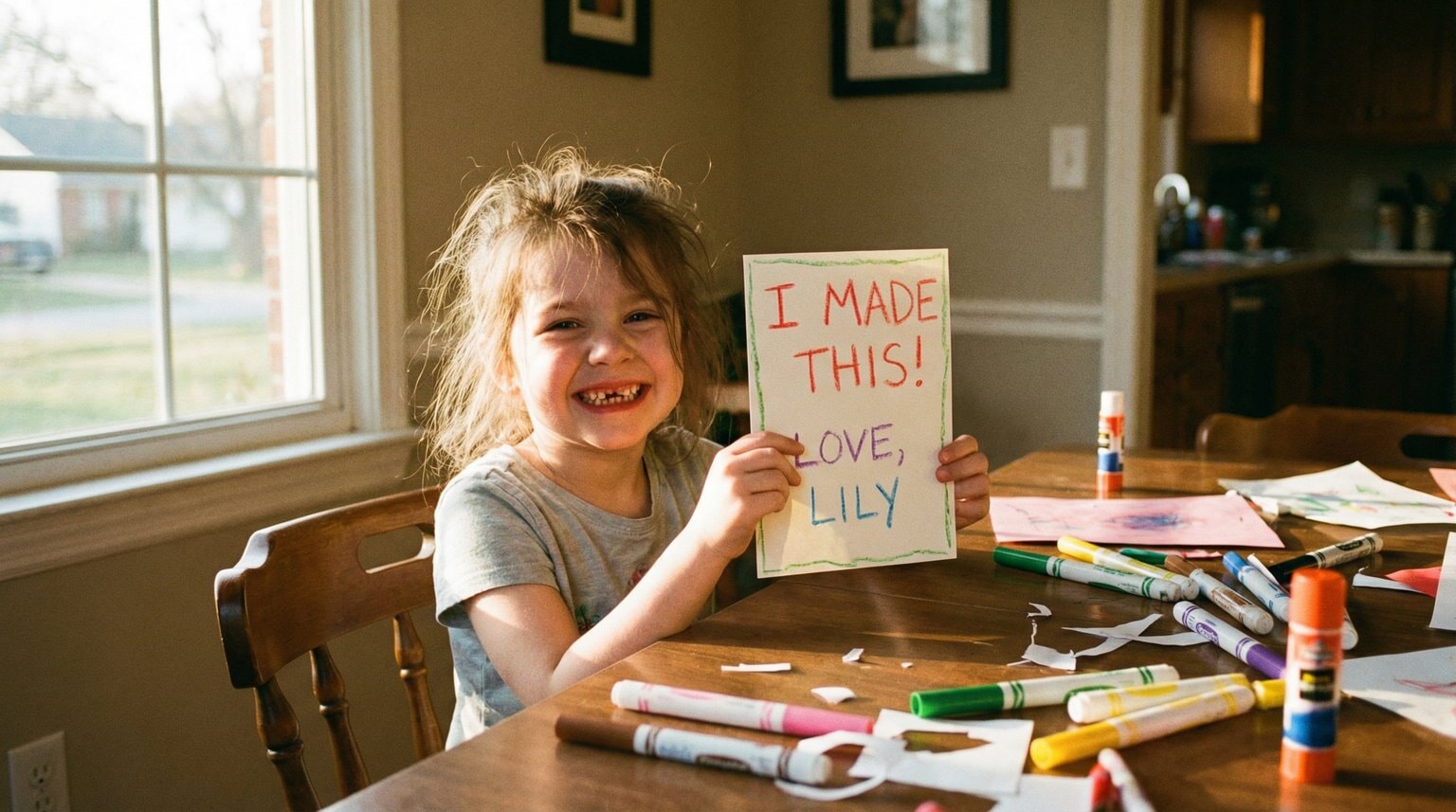
When my 6-year-old labors over a thank you note—tongue out, gripping the pencil like her life depends on it—she’s not just practicing penmanship. She’s processing the joy of receiving that gift. The slowness is a feature, not a bug.
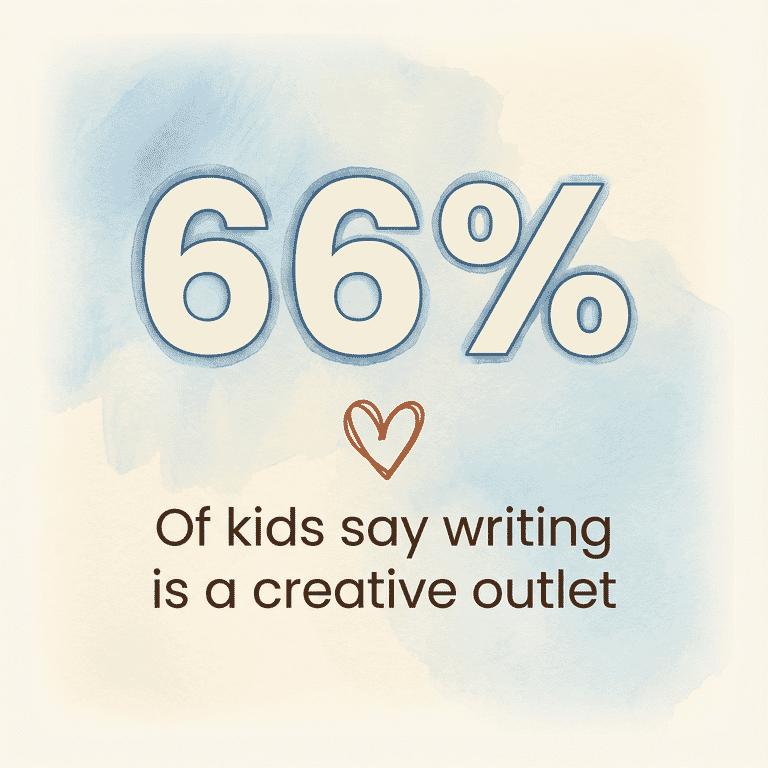
The National Literacy Trust surveyed over 9,000 children aged 8-18 in the UK. Among those who wrote letters:
- 66.1% said writing was an outlet for creativity
- 57.3% used it to express thoughts and feelings
- 45.2% agreed that writing made them feel better overall
Two-thirds of children who write by hand see it as a creative outlet, not just a chore.
That shift in perspective changes everything about how kids approach thank you notes.
One child’s response stopped me: “I write letters to my friends to make them happy. I write letters to my parents so they know how much I love them… so they know how much I appreciate them.”
That’s not etiquette. That’s emotional processing through the physical act of writing.
The Authenticity Question: Handwriting in the AI Age
Here’s where the evolution gets interesting.
MIT Sloan Management Review recently examined how AI has changed perceptions of written communication: “More than ever, when people receive texts, emails, or other digital messages, they have reason to wonder whether an actual human being wrote them.”
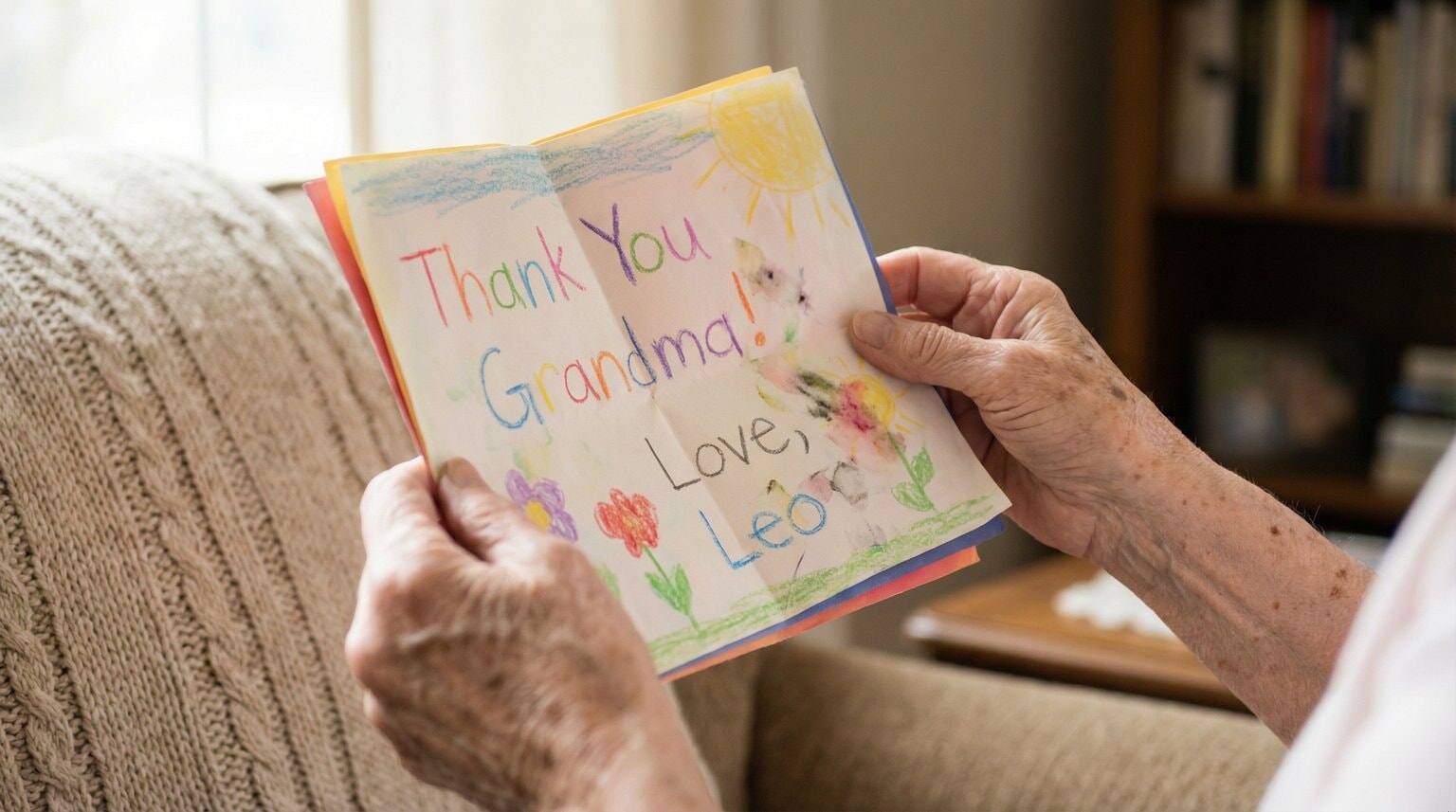
This uncertainty has fundamentally shifted what a handwritten note communicates. It now carries the “significant connotation” that a real person took time to write a personalized message rather than choosing an easier option.
Research from University of Maryland and Yonsei University business schools found that handwritten notes create a measurable “warmth effect”—recipients perceive greater personal effort and authenticity. This translates to stronger relational connection.
For kids, this matters in ways they may not articulate. When my 12-year-old’s handwritten birthday thank you arrived at her friend’s house, the friend’s mom texted me a photo of it. She was genuinely moved. A text message wouldn’t have prompted that response.
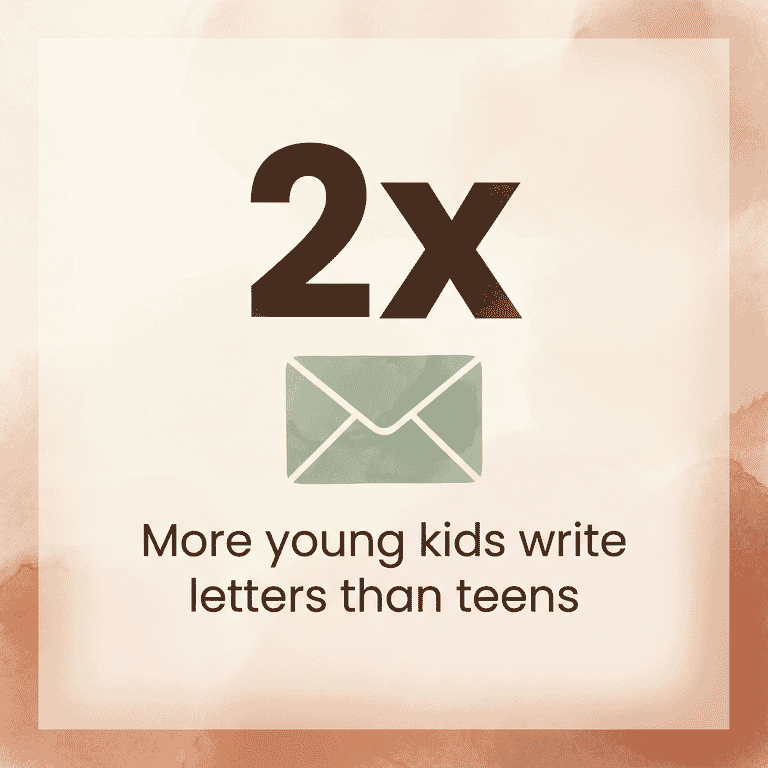
Generational expectations are shifting too. The National Literacy Trust found twice as many children aged 8-11 write letters compared to teenagers aged 14-18.
Younger kids haven’t yet learned to default to digital—and recipients across all ages still recognize the effort handwriting represents.
When Digital Actually Makes Sense

I’d be a lousy researcher if I didn’t acknowledge the nuance here.
The gratitude benefits to the writer occur regardless of format. Studies consistently show that expressing thanks—by any method—improves well-being for the person doing the thanking. A heartfelt text beats a resentful, forced handwritten note every time.
There’s also promising research on hybrid approaches. The Frontiers in Human Neuroscience study found that writing with a digital stylus on a tablet showed similar brain engagement benefits to traditional pen and paper—once users became accustomed to the tool. For kids with fine motor challenges or those more comfortable with tablets, this matters.
Digital works better when:
- Timeliness is critical (thanking a teacher before school ends tomorrow)
- Geographic distance makes mail impractical
- The child has handwriting difficulties that make the process frustrating rather than meaningful
- The relationship is peer-to-peer and casual
Handwritten carries more weight when:
- The gift was significant (milestone birthday, graduation)
- The giver is from an older generation who values the effort
- You want the note to become a keepsake
- Teaching your child to slow down and reflect is part of the goal
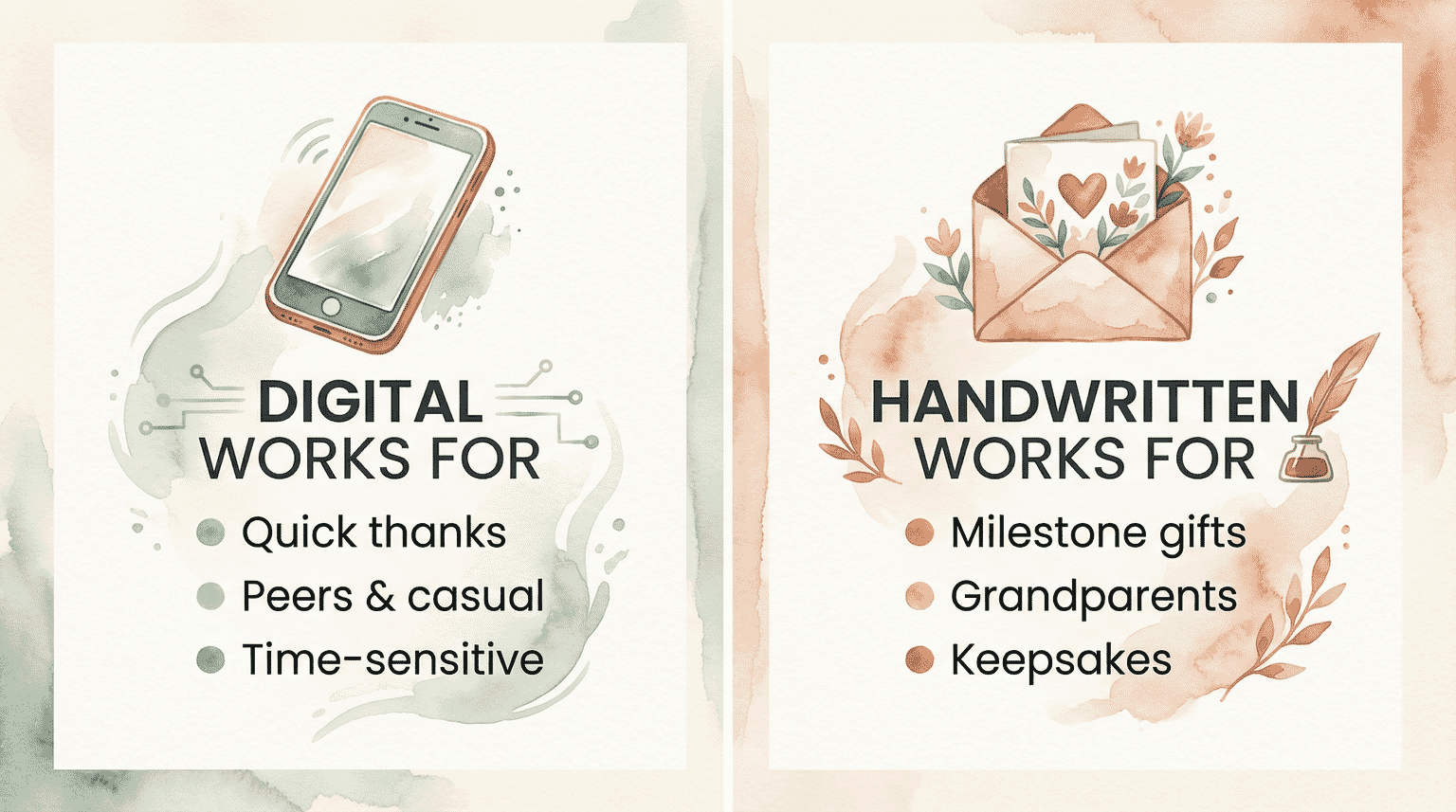
The key isn’t rigid rules—it’s helping children learn to read the context and choose intentionally.
What This Means for Teaching Gratitude
So where does this leave us?
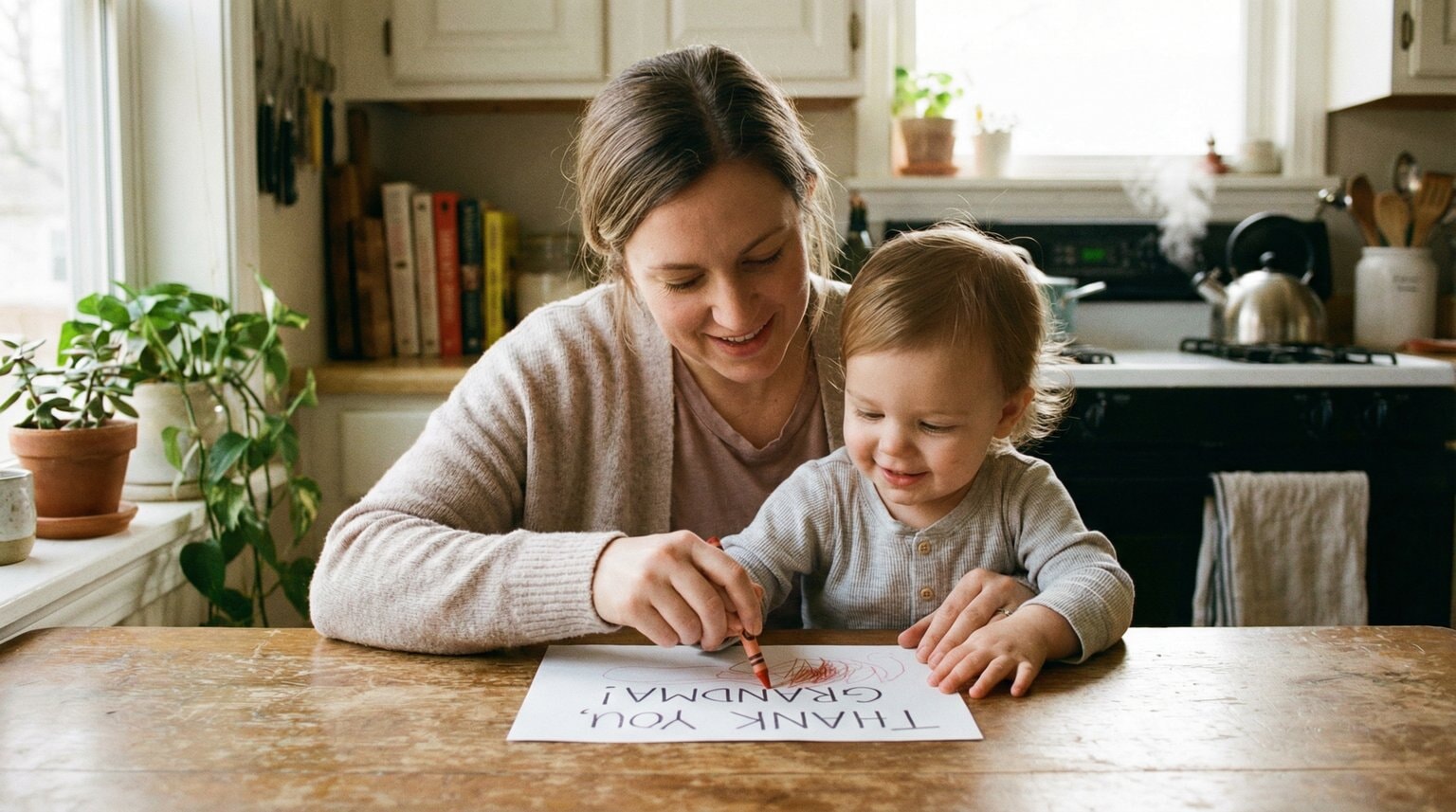
After digging through the research, I’ve landed on teaching both methods—explicitly. Not as competing options, but as different tools for different situations.
For younger children (under 8), handwriting wins on developmental grounds alone. Sophia Vinci-Booher, assistant professor of educational neuroscience at Vanderbilt University, puts it clearly: “I think there’s a very strong case for engaging children in drawing and handwriting activities, especially in preschool and kindergarten.”
The fine motor practice, the cognitive engagement, the emotional processing—all of it serves their development in ways a typed message can’t replicate.
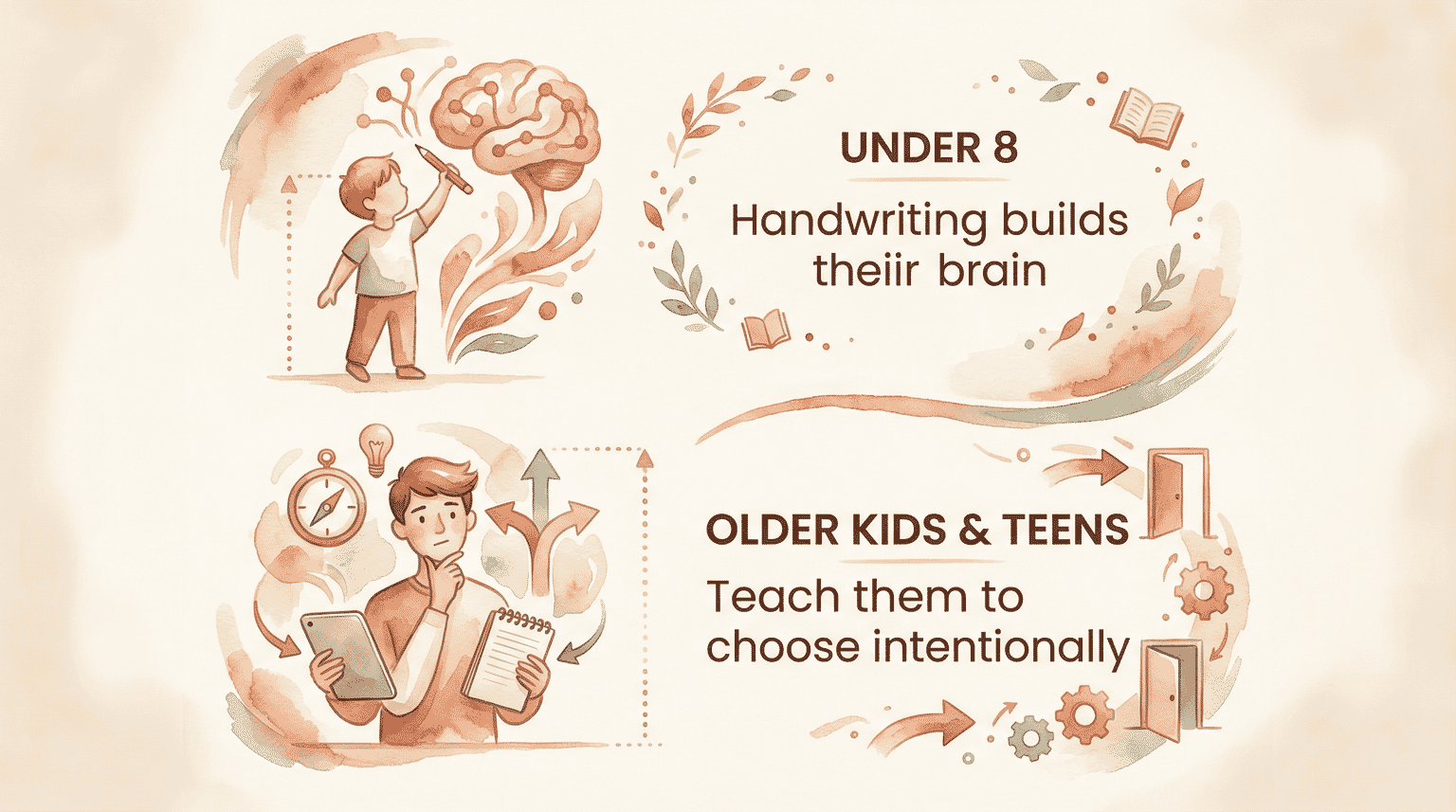
For older children and teens, the conversation shifts to appropriateness and intention. Which method matches this situation? What will the recipient appreciate? What are you trying to communicate beyond “thanks”?
This is where making gratitude expression part of your family’s gift-giving traditions helps. When thank you notes are expected and normalized—whether handwritten or digital—kids stop seeing them as punishment and start recognizing them as relationship-building.
If you’re struggling with resistance, I’ve written about practical strategies for getting kids to write thank you notes that have worked across my crew of eight—from the eager-to-please 6-year-old to the eye-rolling teenager.
The research is clear: handwriting engages the brain more deeply and signals authenticity powerfully—especially now. But the most important thing isn’t the format. It’s that children learn to express gratitude intentionally, choosing their method thoughtfully rather than defaulting to whatever’s easiest.
In my house, that looks like handwritten notes for grandparents and milestone gifts, texts for peers and quick acknowledgments. The goal isn’t perfect etiquette. It’s raising kids who notice what others do for them—and take the time to say so.
Frequently Asked Questions
Why is handwriting better than typing for the brain?
Norwegian University of Science and Technology research shows that writing by hand activates widespread brain connectivity across regions responsible for movement, vision, sensory processing, and memory. Typing produces minimal activity in these same areas because it uses the same simple finger movement for every letter, while handwriting requires unique motor patterns that engage the brain more deeply.
Do handwritten thank you notes mean more?
Research indicates handwritten notes create a “warmth effect”—recipients perceive greater personal effort and authenticity. In the AI era, when digital messages might be machine-generated, handwritten notes carry additional significance as proof that a real person invested time. However, the gratitude benefits to the writer occur regardless of format.
Is it rude to send a digital thank you?
Digital thank you messages are appropriate in many contexts, particularly when timeliness matters or the relationship is casual. Research shows expressing gratitude benefits both sender and recipient regardless of format. The key is matching format to context—milestone gifts and older relatives often warrant handwritten notes, while peer acknowledgments suit digital methods.
Why do some people prefer handwritten notes?
National Literacy Trust research found that people who write by hand report emotional benefits including feeling connected, having a creative outlet, and processing thoughts and feelings. The physical act of writing also triggers deeper cognitive engagement, creating greater appreciation for what they’re expressing thanks about.
What About You?
Does your family do handwritten or digital thank-yous? I’m curious whether grandparents actually prefer texts to cards now—or whether the divide is exactly what you’d expect. Would love to hear what works across your generations.
Your thank-you stories help other families navigate this tricky tradition.
References
- Why Writing by Hand Is Better for Memory and Learning – Norwegian University of Science and Technology brain connectivity research
- Why Writing by Hand Is Better for Your Brain – Cornell systematic review of 33 note-taking studies
- Advantage of Handwriting Over Typing on Learning Words – Mood and learning benefits research
- Writing by Hand Can Boost Brain Connectivity – Emotional processing through writing
- Children and young people’s letter writing in 2021 – National Literacy Trust research on children’s letter-writing
- Amid Growing AI, Humanize Communication – MIT Sloan on handwriting authenticity in the digital age

Share Your Thoughts