
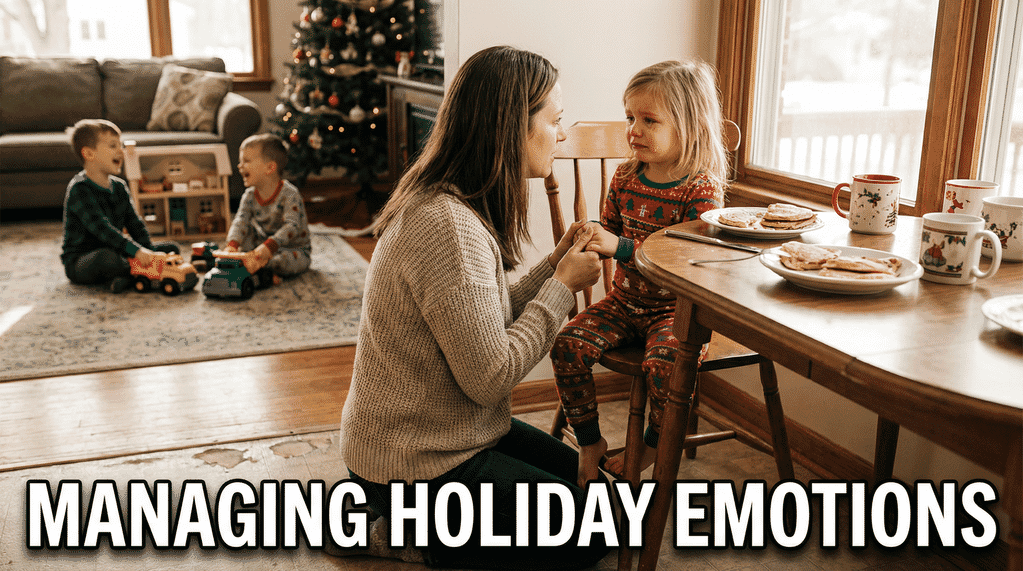
It’s 7:14 AM on Christmas morning. Your oldest rips open the biggest box under the tree—it’s exactly what she wanted. Before you can even grab your coffee, your youngest’s face crumples. “Why did SHE get that?” The day you’ve been planning for weeks is now teetering on the edge of chaos.
I’ve watched this exact scene unfold in my house more times than I can count. With eight kids spanning ages 2 to 17, Christmas morning in our home is basically a research study in sibling comparison dynamics. And here’s what I’ve learned: you can’t prevent kids from noticing what siblings received, but you can change how those moments unfold.
Here’s what’s actually happening developmentally when your kids compare gifts—and what to do in real time when it starts.
Key Takeaways
- Children develop fairness expectations by age 2, but acting fairly when real rewards are involved is much harder—this “knowledge-behavior gap” is normal.
- Prevention beats correction: create individual unwrapping zones, match visual gift appeal, and plan opening order in advance.
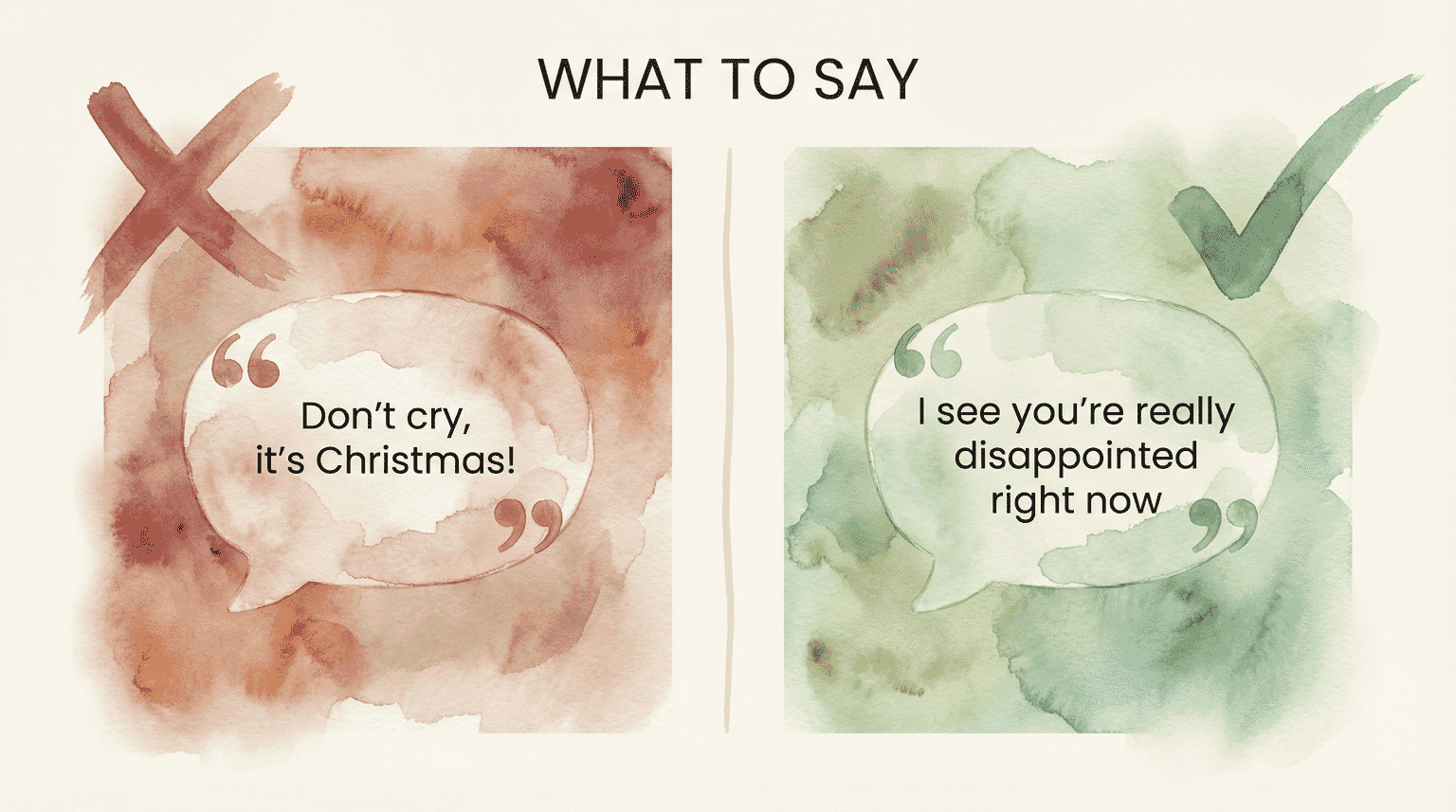
- When emotions overflow, validate feelings first—dismissive responses like “Don’t cry, it’s Christmas!” intensify reactions.
- The child who “won” needs guidance too—teach graciousness without making their joy feel wrong.
- Research shows children engage in fewer conflicts when parents actively guide them through disagreements rather than ignoring them.
Why Gift Comparison Happens (And Why It’s Normal)
Before I get into specific scenarios, let me share something that changed how I approach Christmas morning entirely.
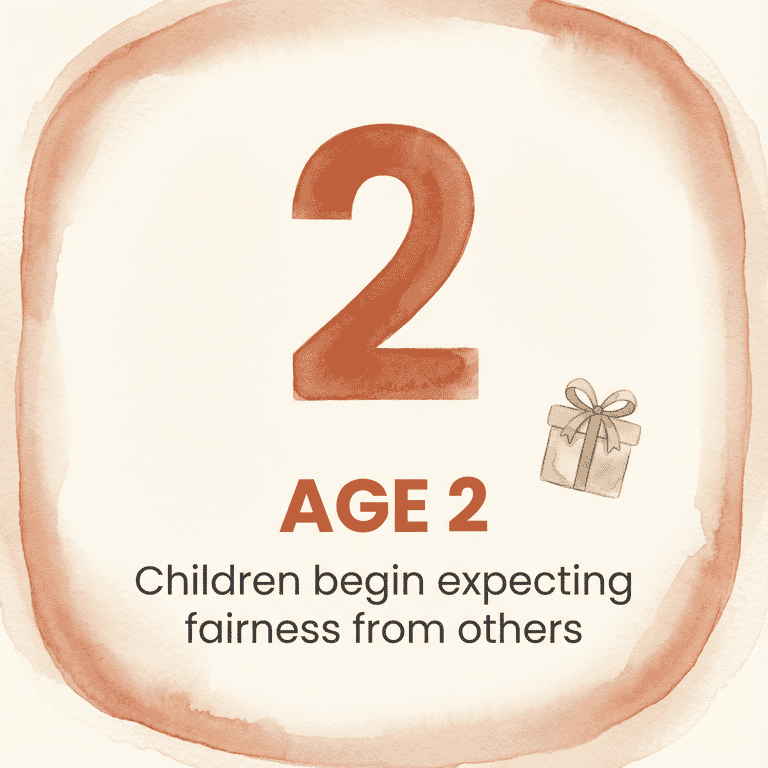
Research on fairness perception shows that expectations of fairness emerge within the first two years of life. By preschool, children start sharing fairly in some contexts. But here’s the catch: there’s a significant “knowledge-behavior gap” at play. Your child may genuinely understand that sharing is good and that everyone should be grateful—but when real rewards are at stake, that knowledge often disappears.
This is why the “you know better” lecture doesn’t work. Your six-year-old does know better. They just can’t access that knowledge when their sibling is holding the toy they desperately wanted.
Understanding this doesn’t excuse poor behavior, but it should shift your response from frustration to guidance.
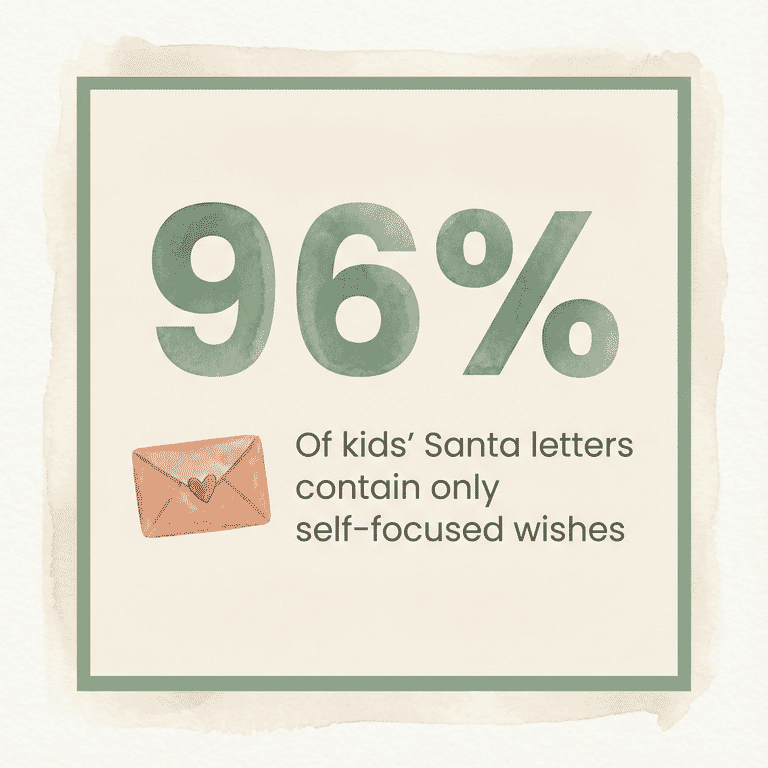
A 2022 study on children’s consumption development found that 96.1% of children’s letters to Santa contained self-oriented gift requests, while only 12.7% included wishes for others. Children under 8 especially struggle to process the symbolic meaning of gifts—they see what’s physically in front of them, not the love or thought behind it.
That nearly universal self-focus isn’t selfishness—it’s developmental reality. Young children are still building the cognitive architecture for considering others’ perspectives.
When your child melts down over a sibling’s gift, they’re not being ungrateful. They’re being five.
Before Presents Open: Setting Up Success
The best Christmas morning interventions happen the night before. Psychology Today’s analysis of holiday family dynamics found that conflict often “begins with a single small insult or misunderstanding that can grow into a character assault.” Planning events carefully is critical because changes create unhappiness.
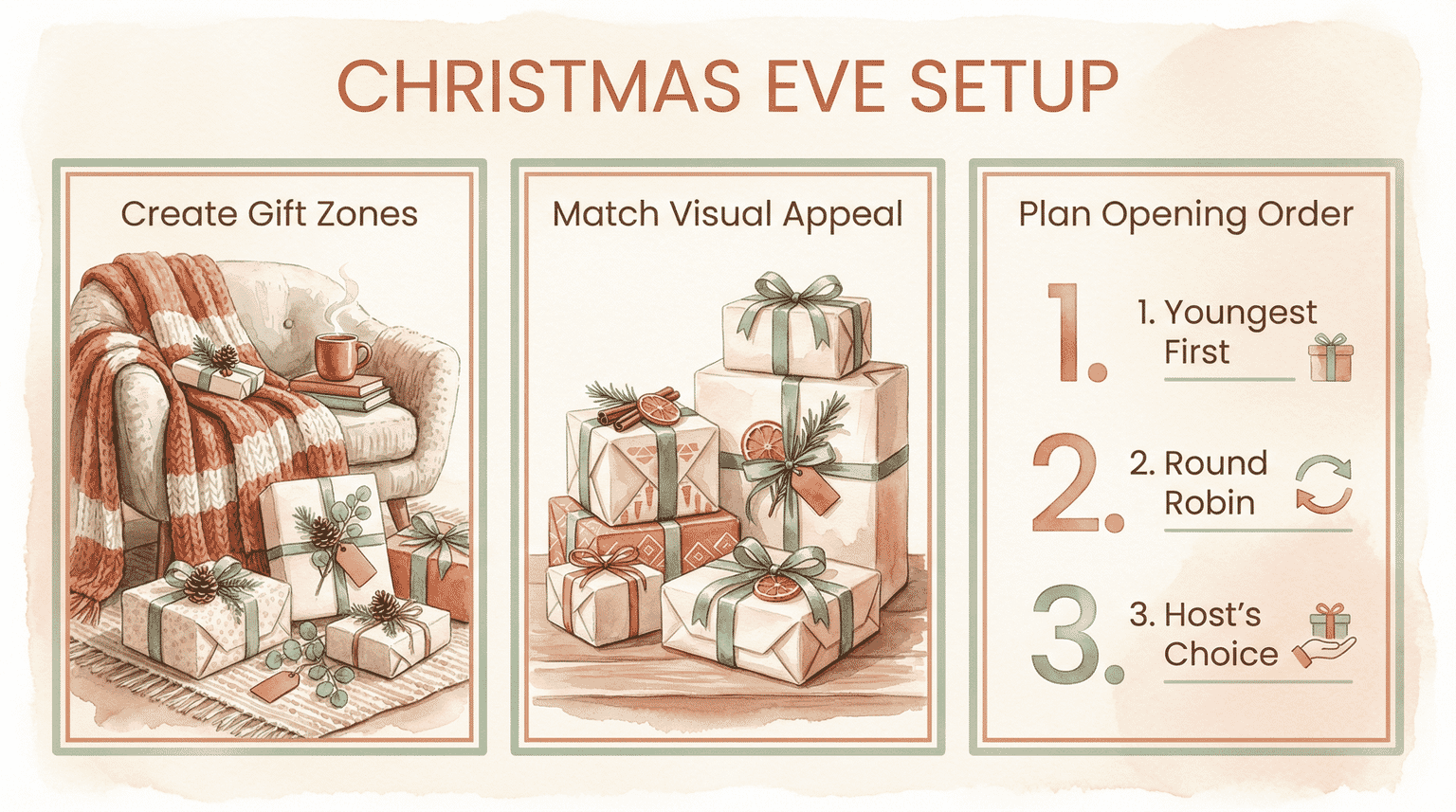
The Christmas Eve Setup
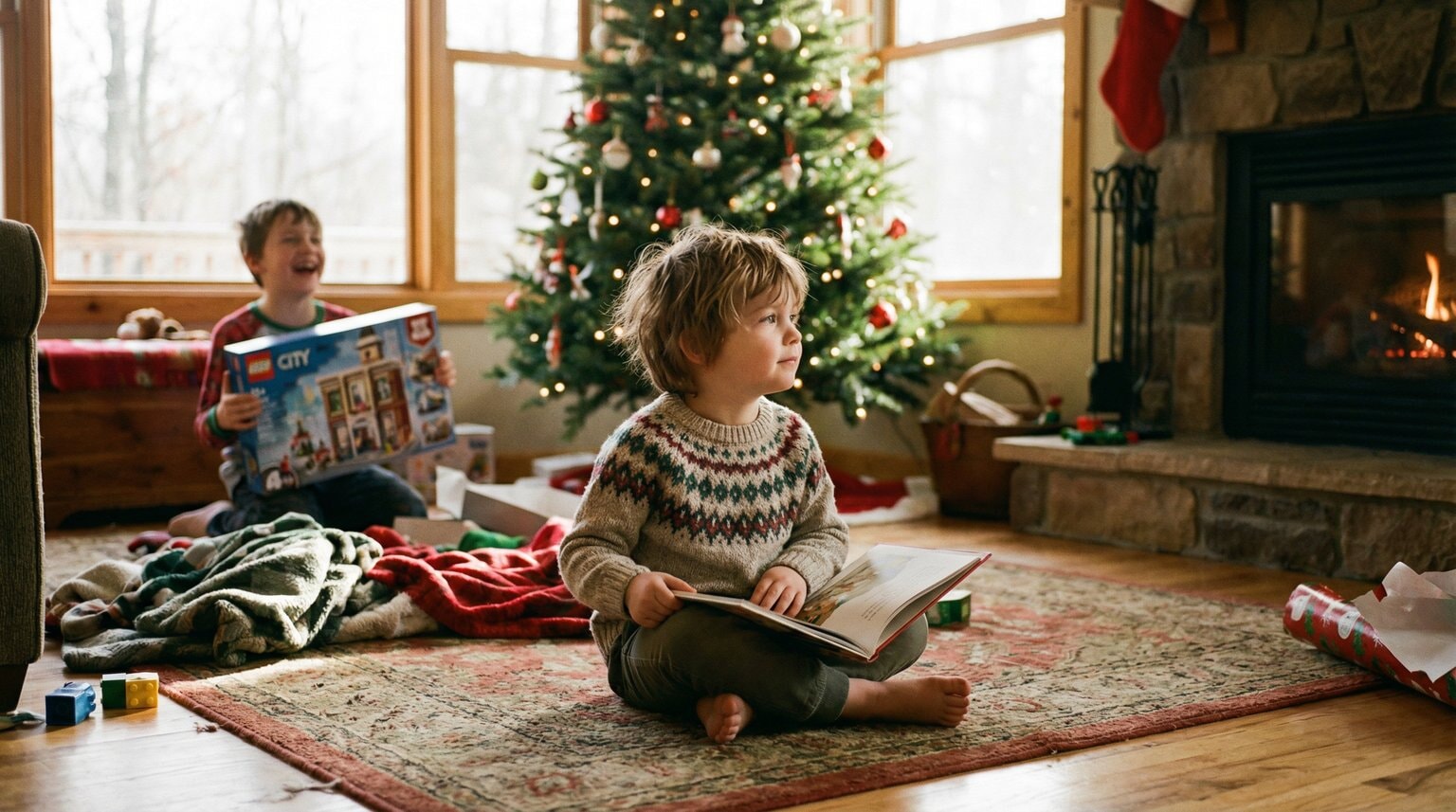
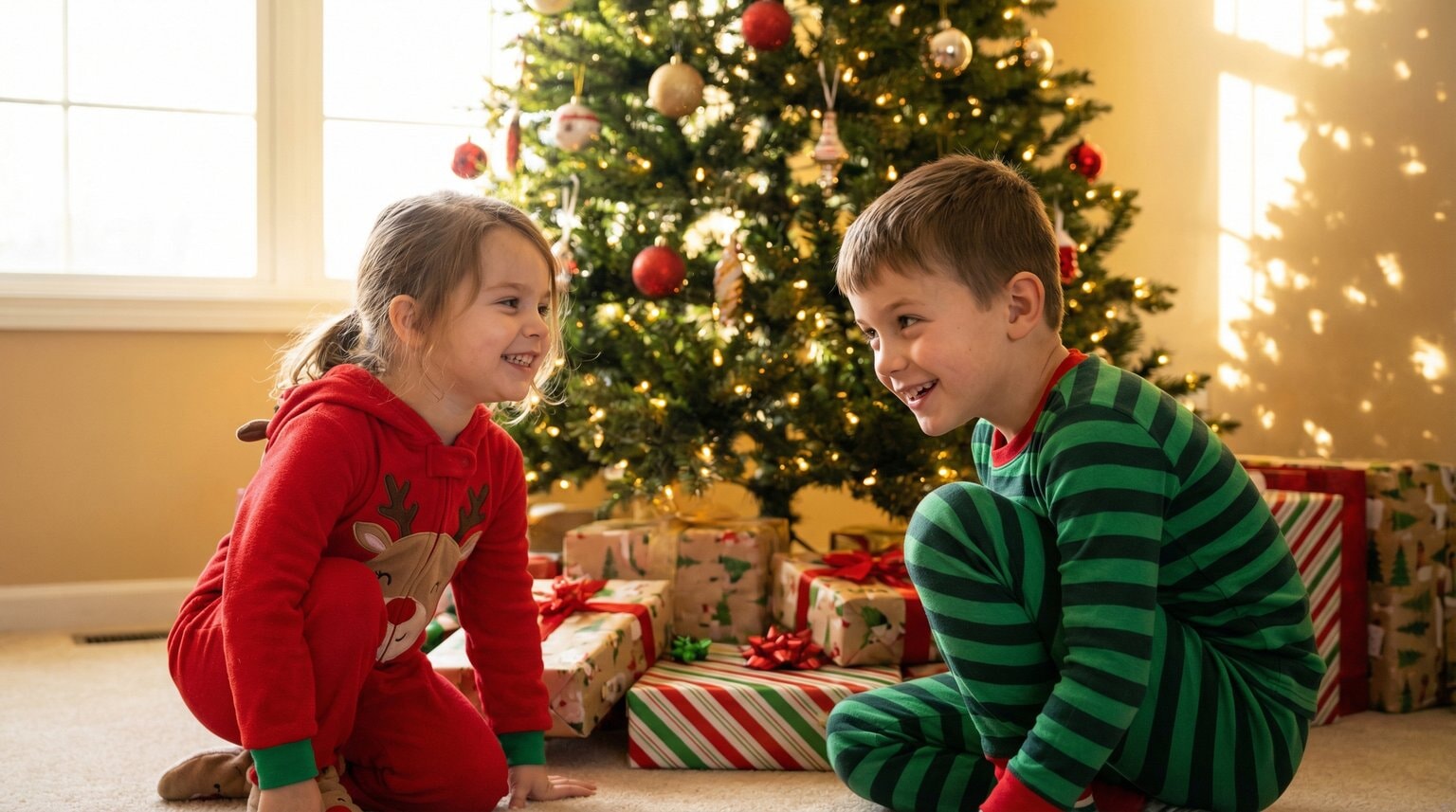
Create individual gift spaces. In my house, each child has their own “zone” for presents—a blanket, a section of floor, or a specific chair. This reduces the side-by-side comparison that triggers immediate jealousy.
Consider wrapping psychology. Research on differential treatment shows that children’s perceptions of fairness matter as much as actual equality. If one child’s pile looks significantly larger (even if the value is similar), you’re setting up comparison before a single bow is untied. Match visual appeal when possible—similar paper, similar-sized items visible.
Decide your opening order in advance. We rotate who opens first each year, and everyone knows the rotation. Predictability reduces arguments about fairness.
The Morning Briefing
Before anyone touches a present, I gather the kids for a 30-second reset:
“Everyone’s going to get something they’re excited about today. If you see something someone else got that looks cool, you can say ‘That’s awesome!’—and then focus back on your own gifts. If big feelings come up, that’s okay. We’ll handle them together.”
This isn’t about killing excitement. It’s about naming what might happen before it happens—which gives kids a framework for managing their own emotions.
If you’re dealing with broader common gift-giving problems, addressing them before Christmas morning makes the day itself much smoother.
The First Signs of Comparison
The Sideways Glance
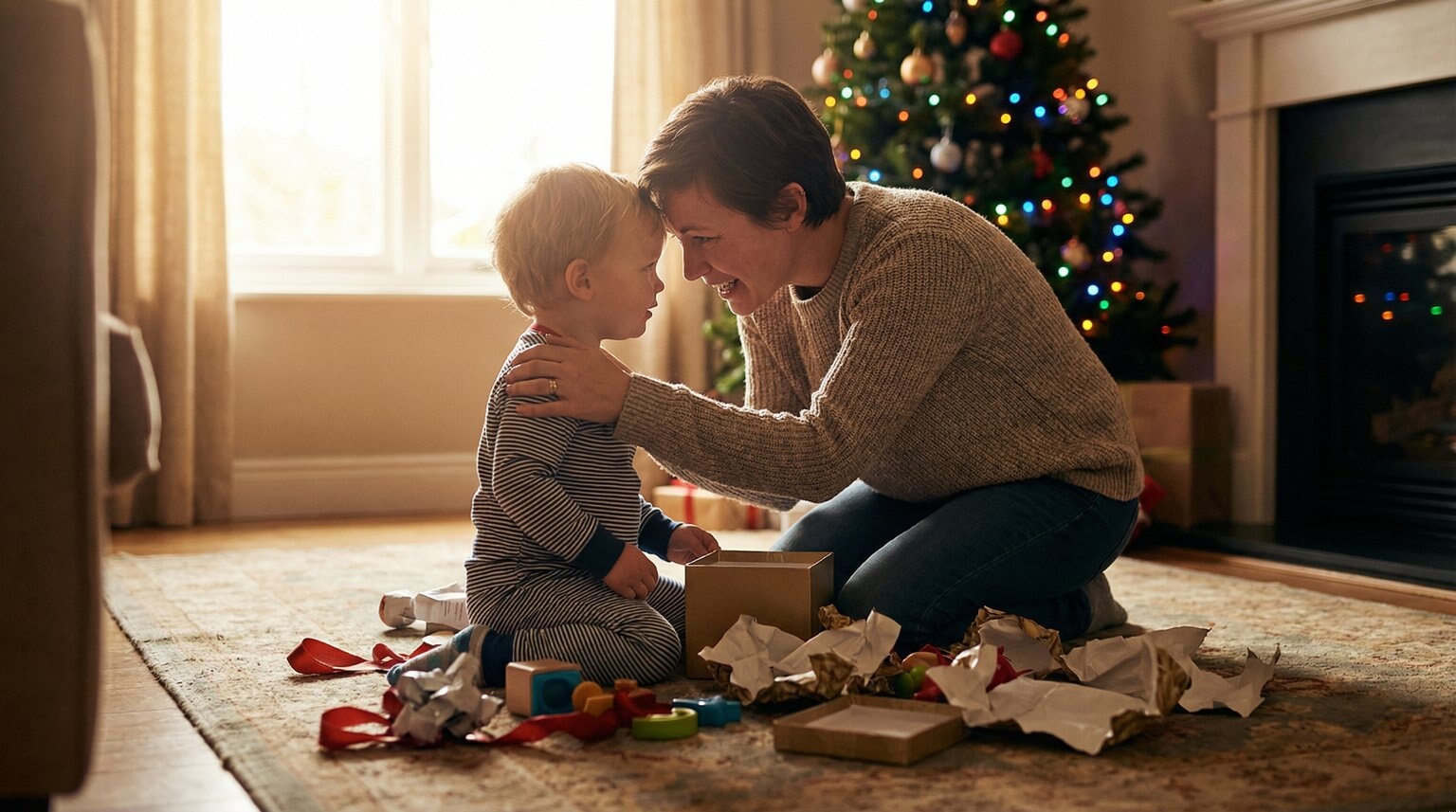
You’ll learn to recognize it: the pause in unwrapping, eyes sliding toward a sibling’s pile, the slight shift in body language.
This is your intervention window. Before words come out, try a simple redirect:
“Hey, show me what you’ve got there! Let’s see it.”
Physical engagement—getting down to their level, focusing on their gift—often breaks the comparison spiral before it builds.
Why Did They Get THAT?
When the question comes, and it will, resist the urge to justify or explain. Lead with validation:
“You noticed that toy looks really cool. It’s hard when something catches your eye, isn’t it?”
Then redirect:
“Let’s see what else is waiting for you—I think there’s something in there you’re going to love.”
Avoid comparison traps yourself. Saying “Well, you got XYZ which is just as good” invites them to debate relative gift merit. Not a conversation you want at 7 AM.
When Emotions Overflow
Tears and Disappointment
Northeastern University psychologist Laurie Kramer found that parents know collaborative problem-solving works best for sibling conflicts, but observations showed the opposite—most parents actually ignore conflicts when they happen. Her research is clear: “Ignoring sibling conflicts is not the most effective strategy, at least for kids under the age of 8. Young children need a caregiver to guide them through the conflict management process.”
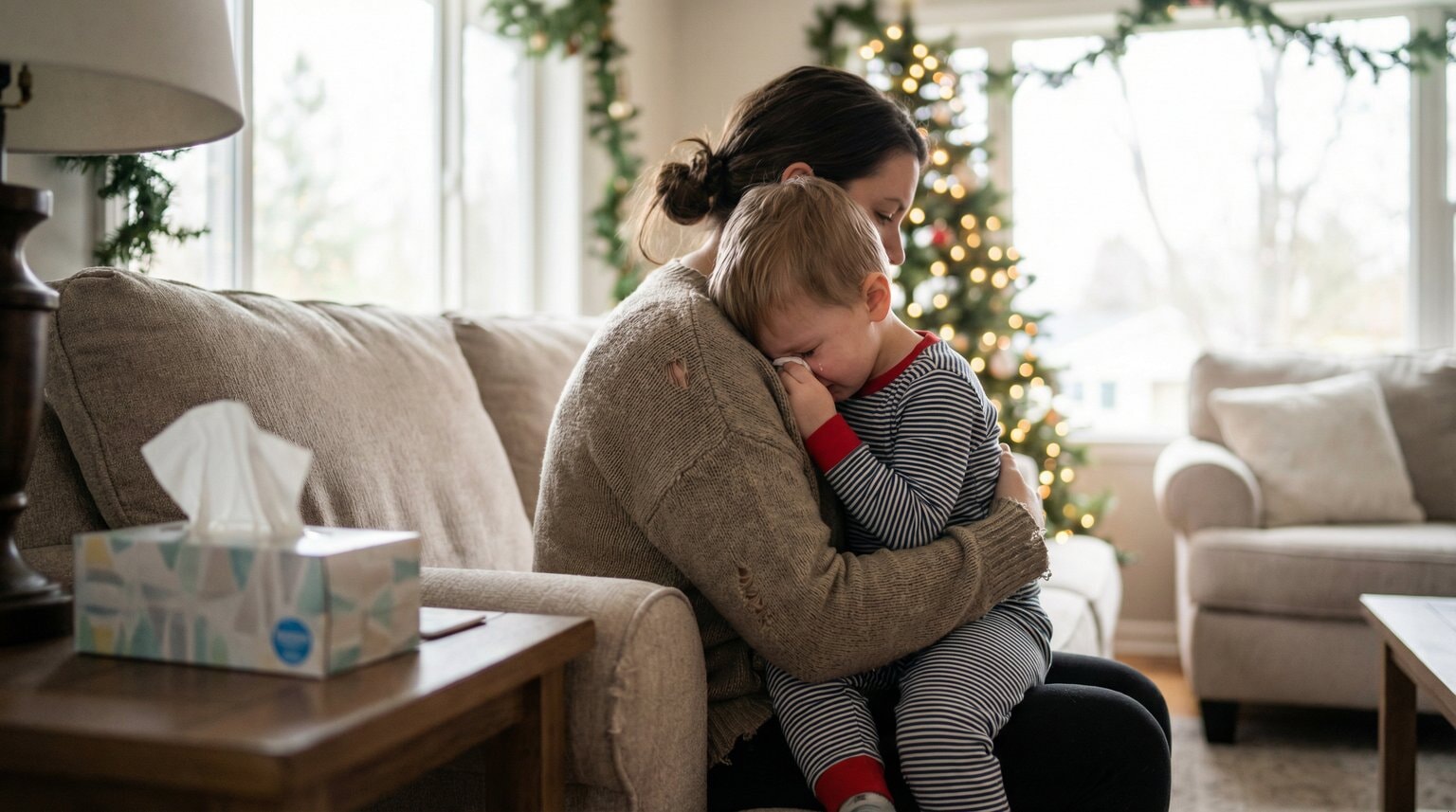
When tears come, don’t minimize:
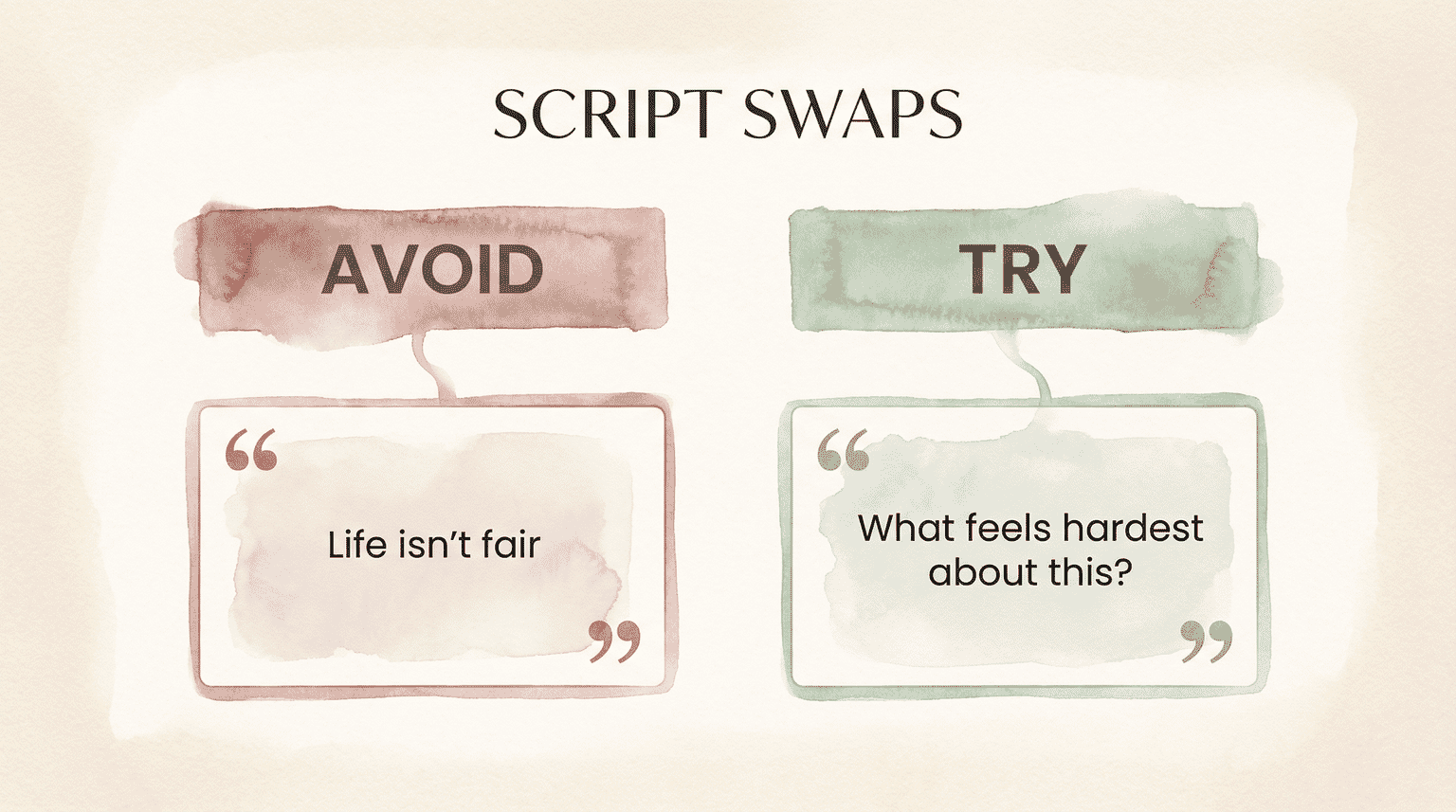
| Avoid | Try Instead |
|---|---|
| “Don’t cry, it’s Christmas!” | “I see you’re really disappointed right now. Let’s take a minute.” |
| “You’re being ungrateful—look at all you got!” | “I can tell something feels hard about this. Want to tell me?” |
Whitney Goodman, author of Toxic Positivity, notes that dismissive responses result in “the denial, minimization, and invalidation of authentic experiences and emotions.” Phrases like “That’s not a big deal!” or “You’re oversensitive” shut down feelings rather than helping children process them.
Sometimes a location change helps. “Come sit with me for a minute” removes them from direct comparison without making it a punishment.
The Angry Outburst
If disappointment tips into anger—yelling, throwing, grabbing at a sibling’s gift—safety comes first. Calmly remove the child from the situation:
“I can see you’re really upset. We’re going to take a break in the other room, and we can talk about it.”
Don’t try to problem-solve in the peak of emotion. Once they’ve calmed:
“You were really mad about something. Can you tell me what was happening inside?”

Kramer’s research found that when parents actively guide children through conflicts, children engage in fewer conflicts overall and are more positive with each other.
Children may actually interpret parents’ silence during conflicts as permission to fight. Your involvement matters more than you think.
Silent Withdrawal
Not every child explodes. Some shut down, going quiet and disengaging. This internalized jealousy can be harder to spot but matters just as much.
Watch for the child who stops opening gifts, says “I’m fine” flatly, or disappears into a corner with their phone.
Later, in private:
“I noticed you got quiet during presents. Sometimes Christmas morning brings up big feelings. Anything you want to talk about?”
Give space for “no” while leaving the door open.
The Child Who “Won”
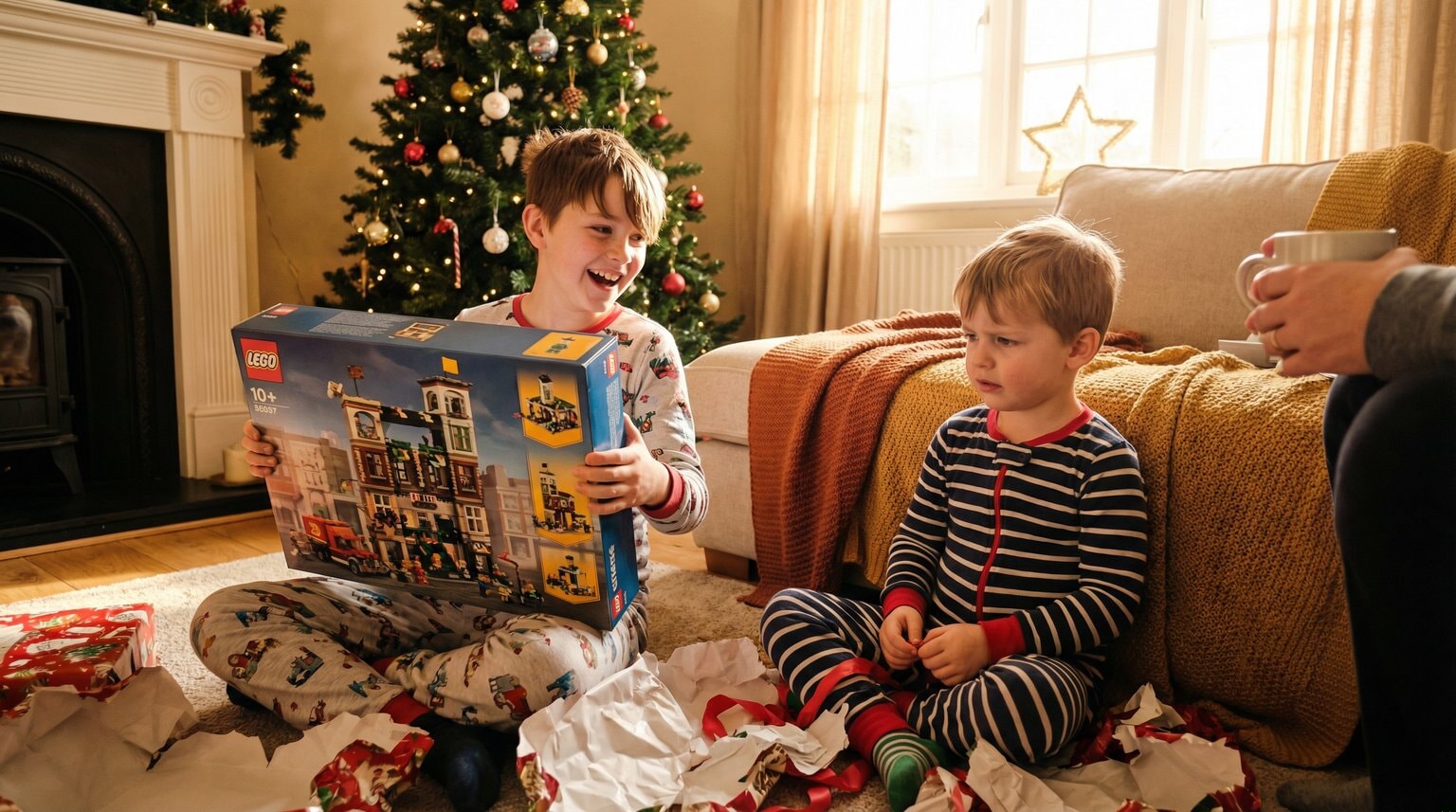
Here’s what every competitor article misses: the child who received the “best” gift needs guidance too.
Teaching Graciousness Without Guilt
When your oldest opens something amazing and a sibling melts down, your instinct might be to tell the “winner” to downplay their excitement or immediately share. This backfires—it teaches them their joy is wrong.
Instead:
“I love seeing you so excited about that. Your sister is having some big feelings right now—sometimes that happens when something looks really cool. You can enjoy your gift AND be kind to her.”
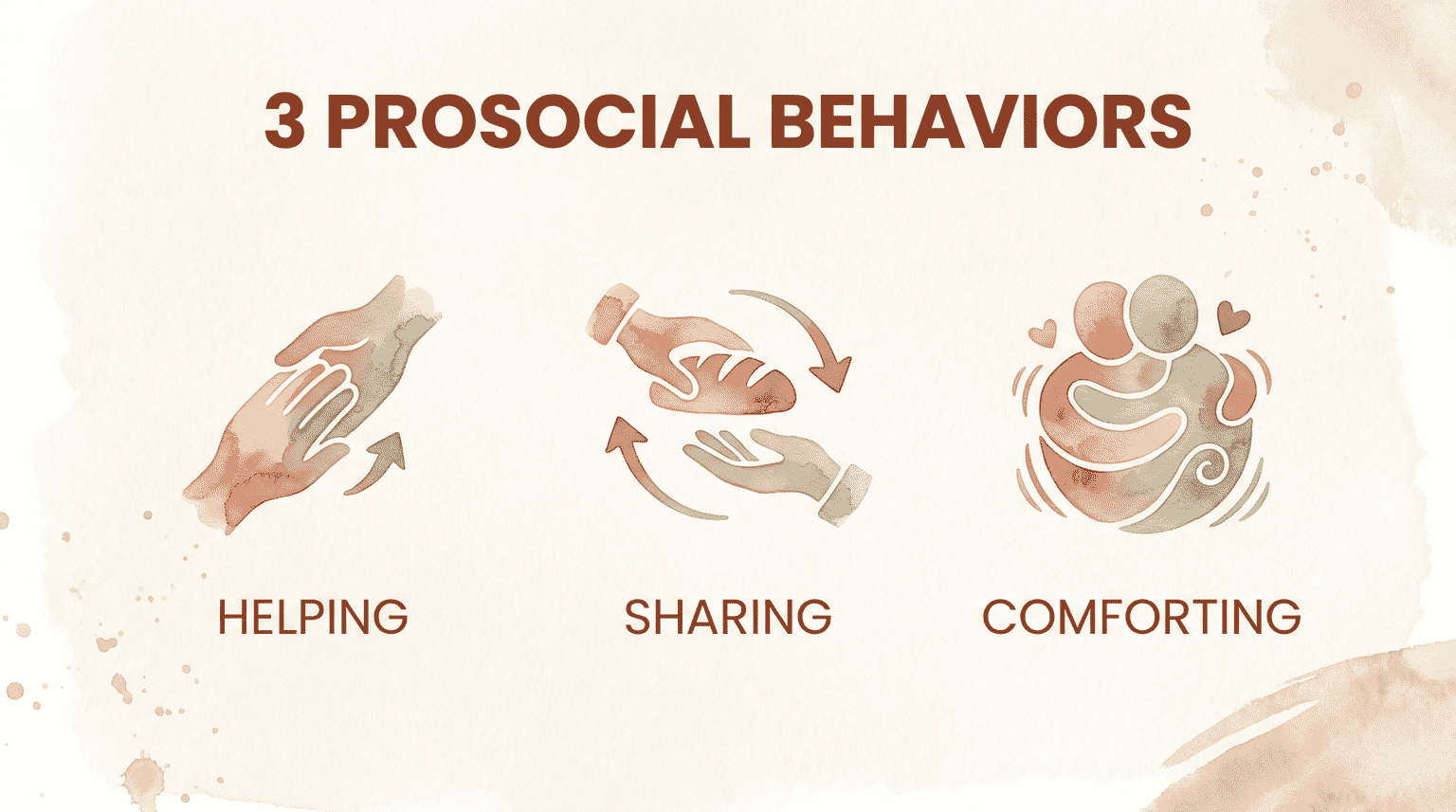
Cambridge prosociality research identifies three prosocial behaviors siblings influence: helping, sharing, and comforting. These can be encouraged without forcing:
“Later, if you want to show her how it works, I bet she’d think that was cool.”
Natural sharing emerges more readily when it’s an invitation rather than an obligation.
After the Last Gift: Recovery and Repair
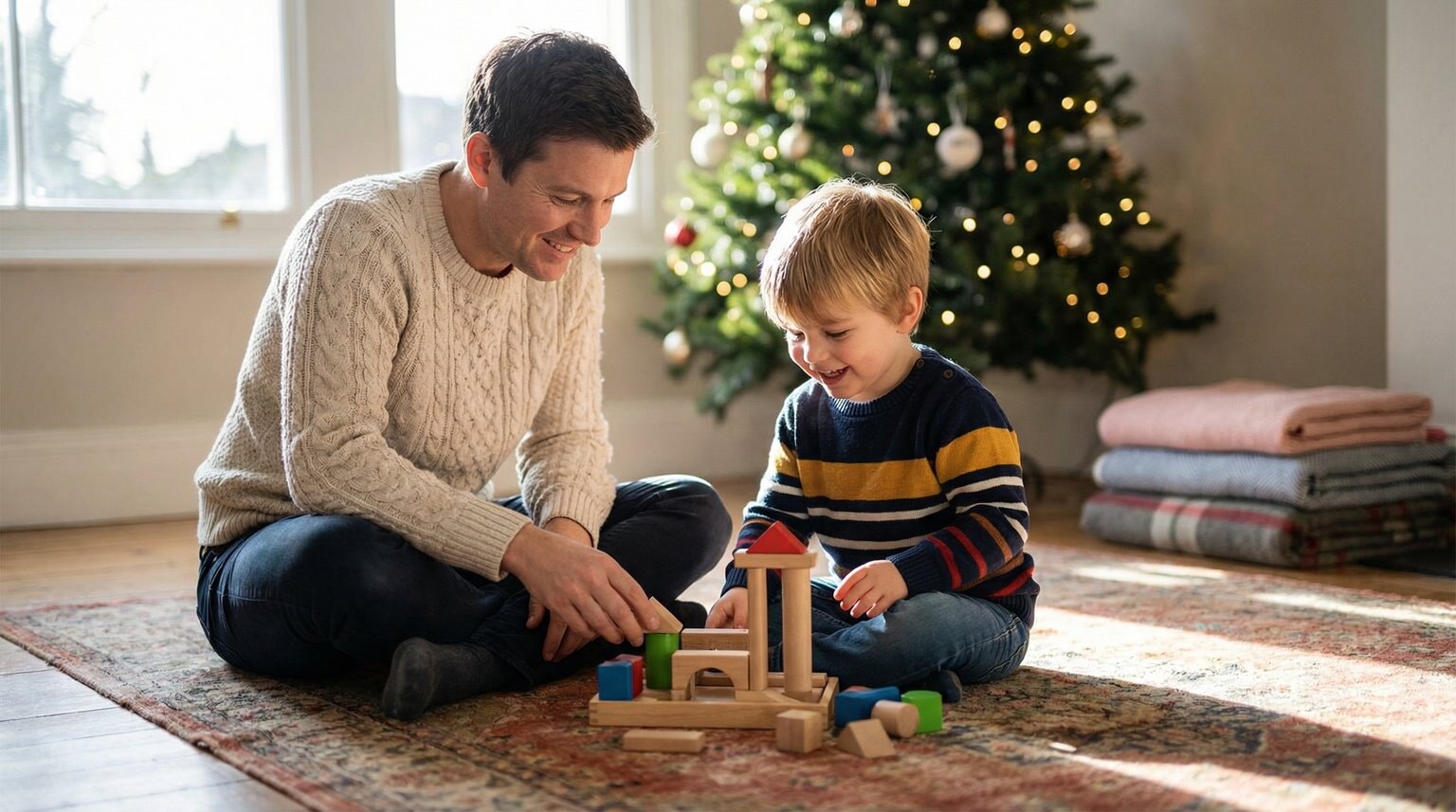
Post-Meltdown Reconnection
The morning didn’t go perfectly. Now what?
Once everyone has calmed down (this might be after breakfast, or even that afternoon), find a quiet moment for reconnection:
“This morning got a little bumpy. How are you feeling now about everything?”
Listen without defending your gift choices or relitigating the conflict. Sometimes kids just need to feel heard.
Then shift forward:
“What was your favorite thing you opened? Want to go play with it together?”
When Jealousy Lingers
Most gift comparison fades within hours. If your child is still fixated days later—bringing up their sibling’s gift repeatedly, refusing to play with their own things, or showing ongoing resentment—it may signal something deeper.
This is where understanding why identical gifts don’t solve comparison becomes important. Perception of fairness matters more than actual equality, and a child who feels perpetually “less than” may need more than present-redistribution.
Consider:
- Is there an underlying sibling dynamic that needs attention?
- Does this child feel seen and known in the family?
- Are they communicating something about what they actually needed?
Sometimes jealousy that shows up at birthday parties or holidays is just the visible tip of feelings that need processing year-round.
Quick-Reference Script Bank
When They Say “That’s Not Fair!”
Try: “It feels unfair right now. I hear that. What’s the part that feels hardest?”
Try: “Fairness doesn’t always mean same. You each got things chosen just for you.”
Avoid: “Life isn’t fair, get used to it.”
Comparison Deflection
Try: “Your brother is excited about his gift. You get to be excited about yours. Both can be true.”
Try: “I picked that for him because it’s perfect for him. I picked yours because it’s perfect for you.”
Gratitude Redirection
Try: “Tell me one thing about your gift that surprised you.”
Try: “What are you going to do with this first?”
Frequently Asked Questions
Why do siblings fight over Christmas presents?
Fairness expectations develop by age 2, but acting fairly when real rewards are involved is much harder. Children may genuinely understand sharing but still melt down when a sibling opens something exciting. This “knowledge-behavior gap” is normal and developmental—not a character flaw.
Should siblings get equal Christmas gifts?
Perception matters more than dollar amounts. Research shows children’s sense of whether treatment is “fair” impacts sibling relationships regardless of reality. Focus on gifts that make each child feel individually known rather than matching spending exactly.
What do you say when a child says “that’s not fair” about gifts?
Start by acknowledging the feeling: “You wish you got that too—it looks really cool.” Avoid dismissive phrases like “Don’t be ungrateful,” which research shows intensifies reactions. After validation, guide them to express their perspective before problem-solving together.
How do you stop kids from comparing presents?
Prevention beats correction. Create individual unwrapping spaces, open gifts in rounds rather than all at once, and plan the opening order in advance. Structure and predictability reduce comparison triggers more effectively than telling children not to compare.
Your Turn
How do you handle the “that’s not fair” moments on gift-opening days? I’m curious what scripts or systems have worked—and whether separate unwrapping spaces have helped anyone else as much as they’ve helped me.
Your Christmas morning strategies help other families navigate the chaos too.
References
- McAuliffe et al. – Inequity Aversion Research – Developmental timeline for fairness responses and the knowledge-behavior gap
- Laurie Kramer Research, Northeastern University – Sibling conflict intervention strategies for children under 8
- Psychology Today – Holiday Family Dynamics – Conflict prevention through planning and structure
- Young Consumers – Children’s Consumption Development – Research on children’s gift expectations and self-oriented requesting

Share Your Thoughts