

You’re standing in the party supply aisle, scrolling through your phone. An hour ago, you opened Pinterest for “simple dinosaur cake ideas.” Now you’re looking at a three-tiered fondant masterpiece with erupting chocolate volcano, wondering if you can learn cake decorating in six days.
Your kid just wants friends and cake. So why does this feel like a competitive sport? That social media pressure is real.
Welcome to the birthday party arms race—the escalating pressure parents feel to host increasingly elaborate celebrations, fueled by curated social media content that makes every party look like a professional event.. If you’ve felt it, you’re not alone. And there’s real psychology behind why it hits so hard..

Key Takeaways
- Social media’s “positivity bias” means you’re comparing your real planning process to everyone’s highlight reel
- Your brain’s amygdala activates when you sense social imbalance—that pressure you feel is neurological, not weakness
- Being excluded from party photos hurts more than being excluded from the actual party
- Children remember who was there and how they felt, not production value
- Setting boundaries before browsing and focusing on connection over documentation breaks the cycle
Scenario 1: Scrolling Before Planning
The moment: You open Pinterest or Instagram to gather party ideas. Thirty minutes later, you close the app feeling like nothing you could possibly do will be enough.
What’s actually happening: Research from NIH (2022) explains this perfectly. Since users control what they share online more than they would offline, social media content is predominantly positive—achievements, beautiful moments, perfectly executed parties.
Due to this “positivity bias,” learning from observation easily results in detrimental comparisons. You’re not comparing your party to average parties. You’re comparing to everyone’s best day.
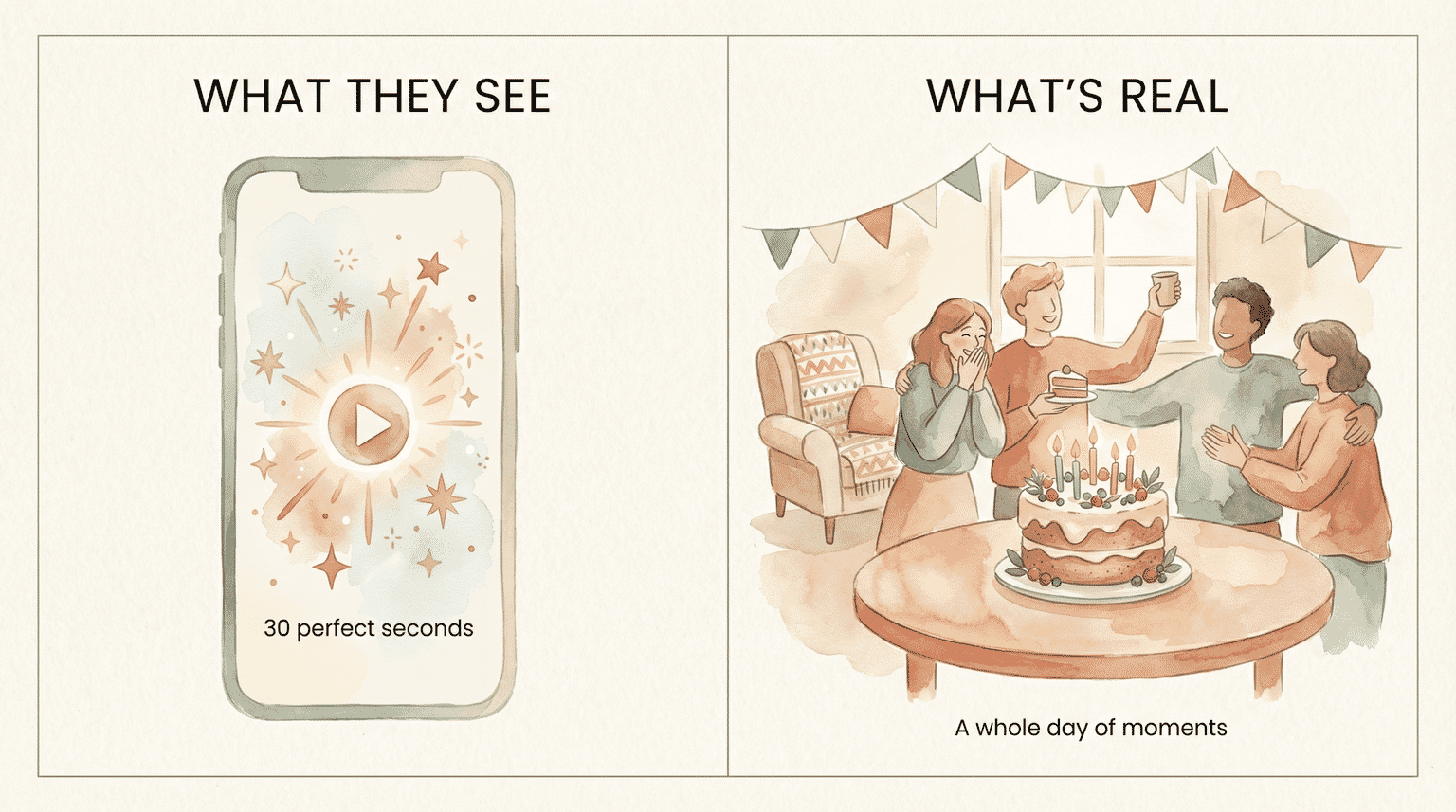
The algorithm makes this worse. It shows you the most engaging content, which means the most elaborate, photogenic celebrations. Your baseline shifts without you realizing it.
What to do:
- Set a timer before browsing (15 minutes max)
- Bookmark exactly 3 ideas, then close the app
- Remind yourself: the algorithm isn’t showing you reality
What to say to yourself:
“I’m seeing highlight reels, not full stories. Most parties don’t look like this.”
Scenario 2: The Elaborate Invitation Arrives
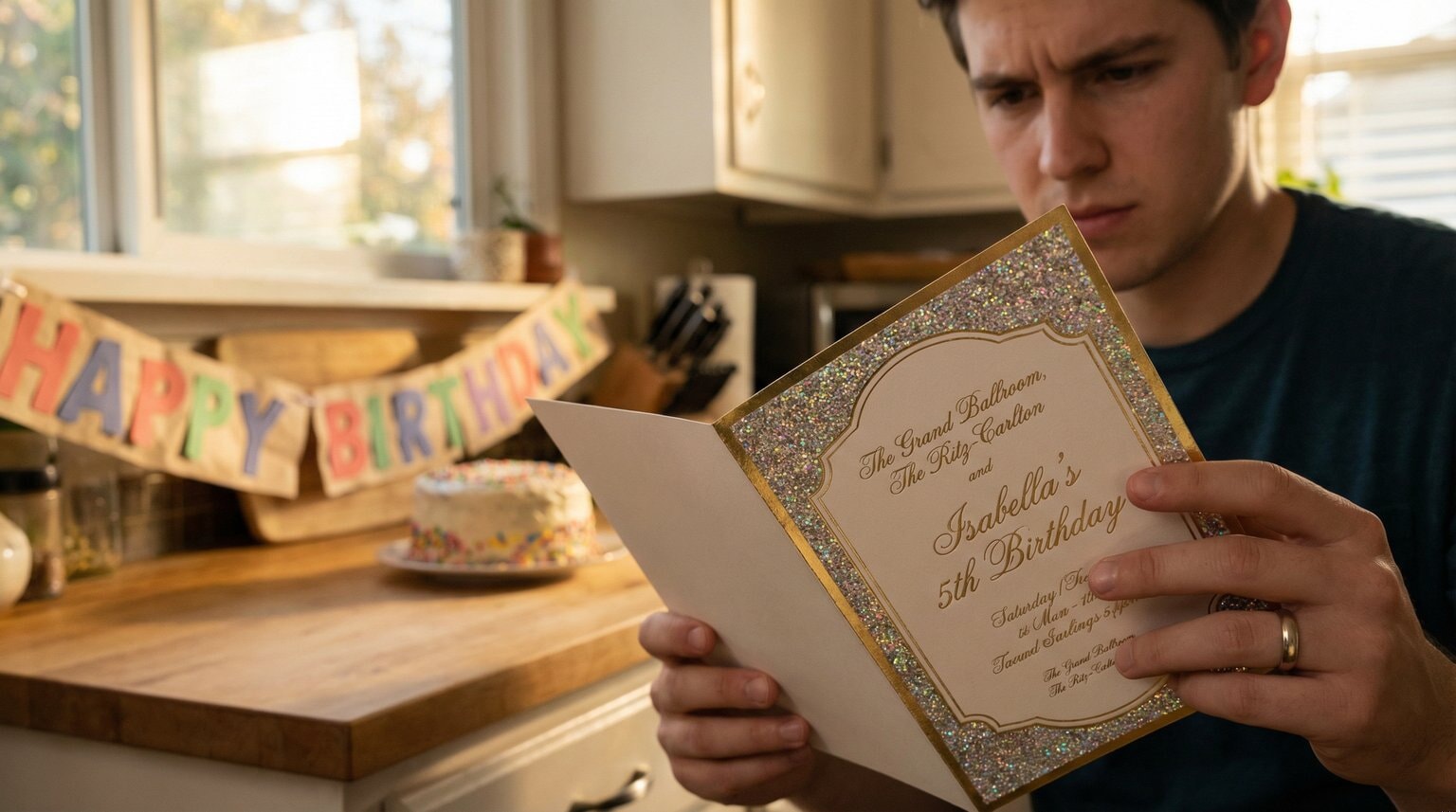
The moment: Your child’s classmate is having a party at a professional venue with a photographer, custom decorations, and what looks like a production budget. Your planned backyard party suddenly feels inadequate.
What’s actually happening: A longitudinal study of German schoolchildren found that from the parent’s point of view, birthday parties are an exchange of goods and children between families and households, where norms of reciprocity are particularly strong. When someone gives more, your brain registers it as imbalance.
Here’s the neurological piece: nonreciprocal partners stimulate negative feelings through amygdala activation—the same brain region associated with fear and anxiety. That pressure you feel isn’t weakness. It’s your brain doing exactly what it evolved to do.
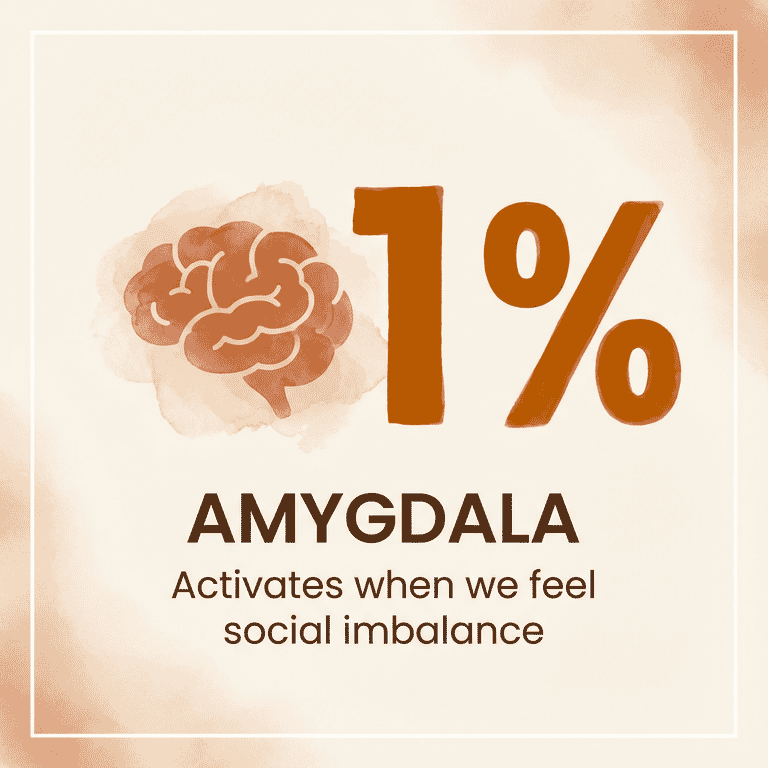
Your amygdala—the brain’s threat detection center—fires when it senses you’re on the losing end of a social exchange. This isn’t about being petty or competitive.
It’s ancient wiring designed to maintain group standing. Understanding this helps you recognize the feeling without acting on it.
What to do:
- Distinguish appreciation (“That sounds fun!”) from obligation
- Remember: different families have different budgets, values, and circumstances
- Your party doesn’t need to “match” anyone else’s
What to say to your child:
“Every family celebrates differently, and that’s what makes each party special.”
What to say to your partner:
“Let’s decide based on what we value, not what we saw.”
Scenario 3: Your Child Compares Parties
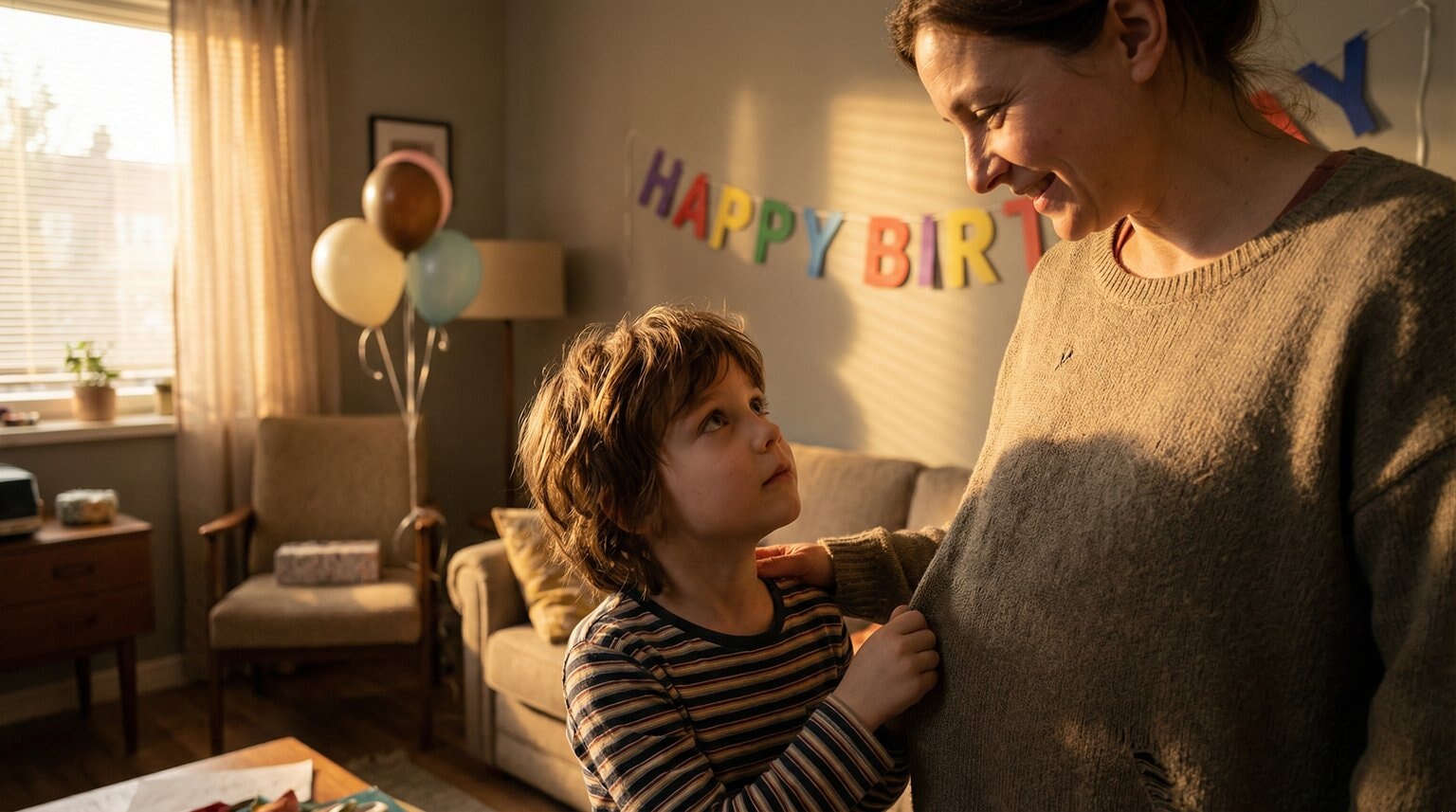
The moment: “Mom, why can’t we have a bouncy castle like Emma’s party?” Your child seems disappointed before their party has even happened.
What’s actually happening: Children absorb messages about worth and value through celebration. Research on identity and birthdays suggests that parents are keenly aware of how children derive a sense of value or worth through these occasions. Kids pick up on this—they’re learning that parties signal something about who they are.
When your child compares parties, they’re not being ungrateful. They’re processing social information the same way adults do.
What to do:
- Acknowledge the feeling without promising to match it
- Involve your child in planning something meaningful to them
- Redirect from “stuff” to connection
What to say:
“What matters most about a birthday is celebrating YOU with people who love you. What’s one thing that would make you feel really special?”
This is similar to when your child notices friends got ‘better’ gifts—comparison is developmentally normal, even when it’s uncomfortable.
Scenario 4: Planning for the Photos
The moment: You catch yourself arranging the cake angle for Instagram before the birthday child has even seen it. The party is happening, but you’re already thinking about how it will look online.
What’s actually happening: A 2024 review found that FOMO compels individuals to engage in activities primarily to showcase them on social media rather than for personal enjoyment. This fundamentally alters why we do things—including how we celebrate.
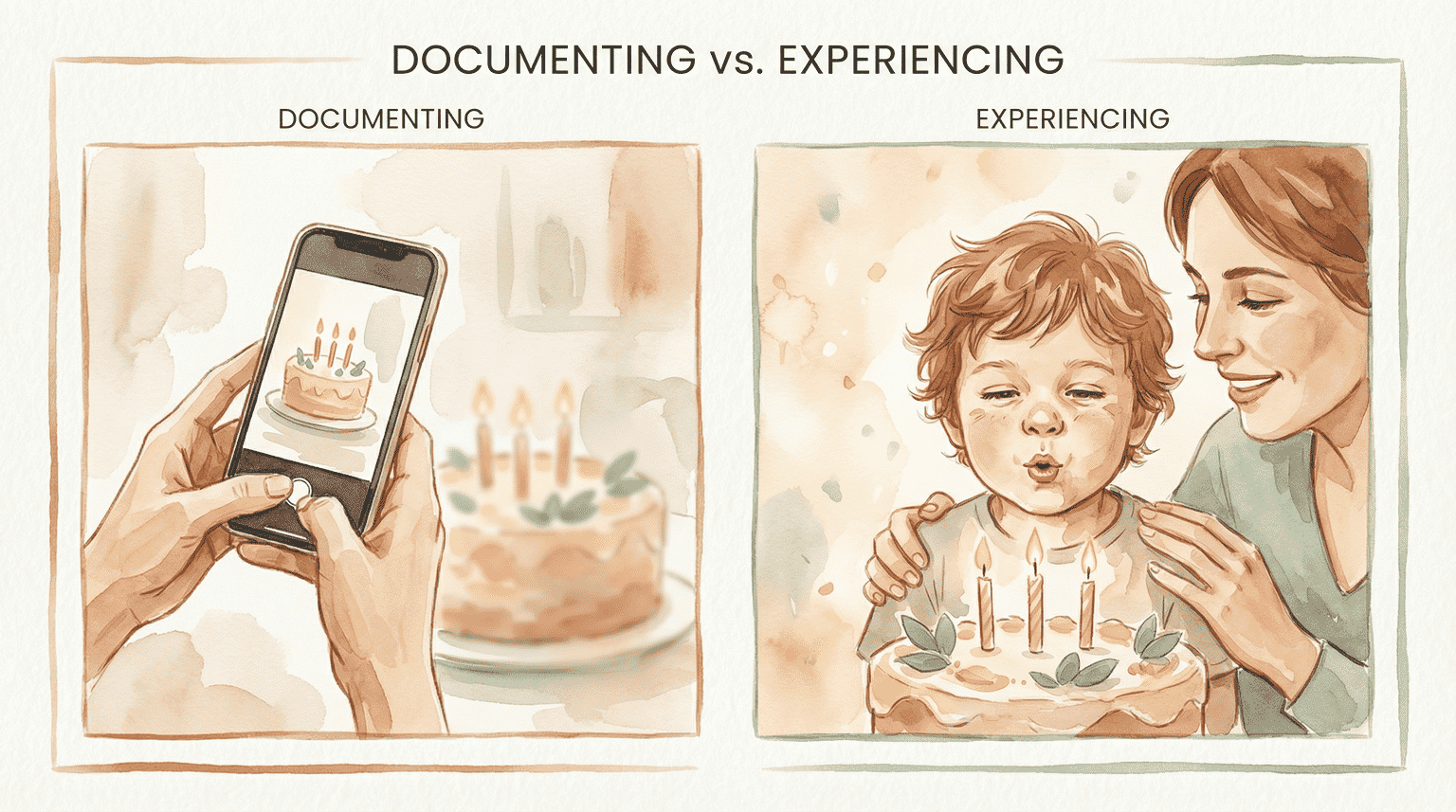
When the documentation becomes more important than the experience, something’s shifted. I’ve caught myself doing this more times than I’d like to admit—adjusting decorations for the camera while my actual child waited to see their cake.
What to do:
- Designate a “phone-free first moment” when your child sees the cake, opens presents, or blows out candles
- Let your child’s reaction happen without a camera between you
- If you want photos, take them after the genuine moment
What to say to yourself:
“The memory matters more than the post. I can document without directing.”
Scenario 5: Deciding What to Post

The moment: The party was genuinely wonderful. But now you’re anxious about what to share. Who’s in the photos? Who might feel excluded? What message does this send?
What’s actually happening: The psychological stakes of posting are real. University of Basel researcher Christiane Büttner studied exactly this phenomenon and found something striking.
“The worst experience for people was being excluded at a party and then also being excluded in an Instagram post.”
— Christiane Büttner, University of Basel Researcher
Even more surprising: the effect of ostracism was larger on Instagram than offline. Being left out of party photos hurt people’s wellbeing even when the actual party experience was positive.
Büttner’s research revealed that photo exclusion triggers a stronger negative response than being excluded from the event itself. The digital record becomes more significant than the lived experience.
She notes that even people who claim not to care about being tagged show measurable negative reactions. The effect accumulates over time.

What to do:
- Consider group shots over individual features
- Ask other parents before posting photos of their children
- Focus captions on gratitude, not showcase
What to say (as caption):
“Grateful for this crew and a sweet celebration” (rather than detailing every elaborate element)
This connects to family traditions that create lasting meaning—when we shift focus from performance to genuine gratitude, the celebration feels different.
Scenario 6: After You’ve Posted
The moment: You shared party photos, and now you’re checking for likes. The engagement feels lower than you expected. A party you actually enjoyed now feels somehow… diminished.
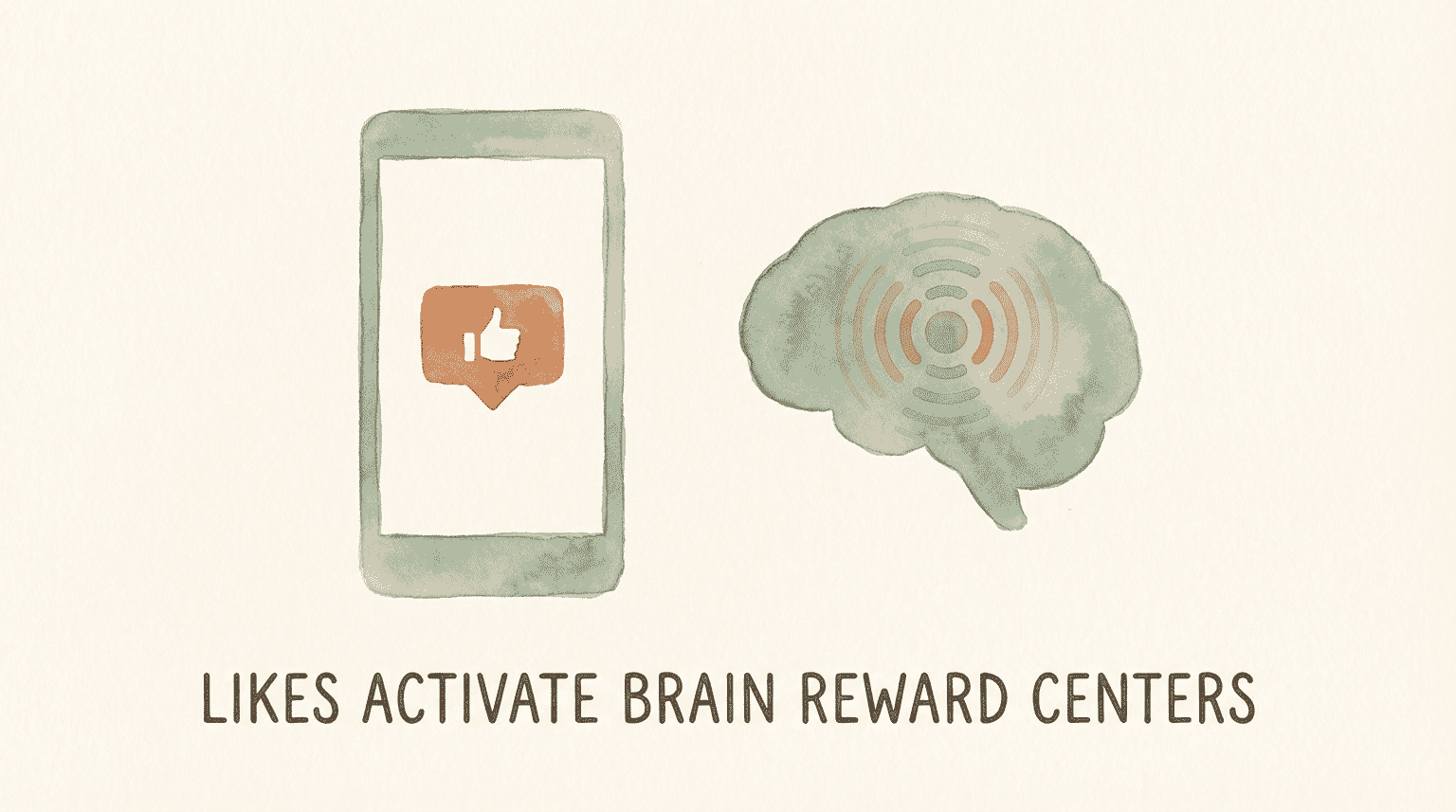
What’s actually happening: Seeking feedback on social media has been linked to reduced self-esteem and depressive symptoms, especially when self-worth depends on online validation. Getting fewer likes than others is associated with experiences of rejection and negative mood—even when the underlying experience was positive.
The research shows receiving positive feedback on social media coincides with activation of brain reward structures. We’re literally getting a neurochemical hit from engagement. When that hit doesn’t come, we feel it.
What to do:
- Set a “check once” boundary—look at engagement once, then close the app
- Reconnect with the actual memory, not the documented version
- Consider: who is this post really for?
What to say to yourself:
“The party happened for my child, not my feed. We had a good day regardless of what anyone clicks.”
Scenario 7: Breaking the Cycle
The moment: You’re exhausted by the escalation year after year. You want off this ride—but worry your child will suffer socially if you opt out.
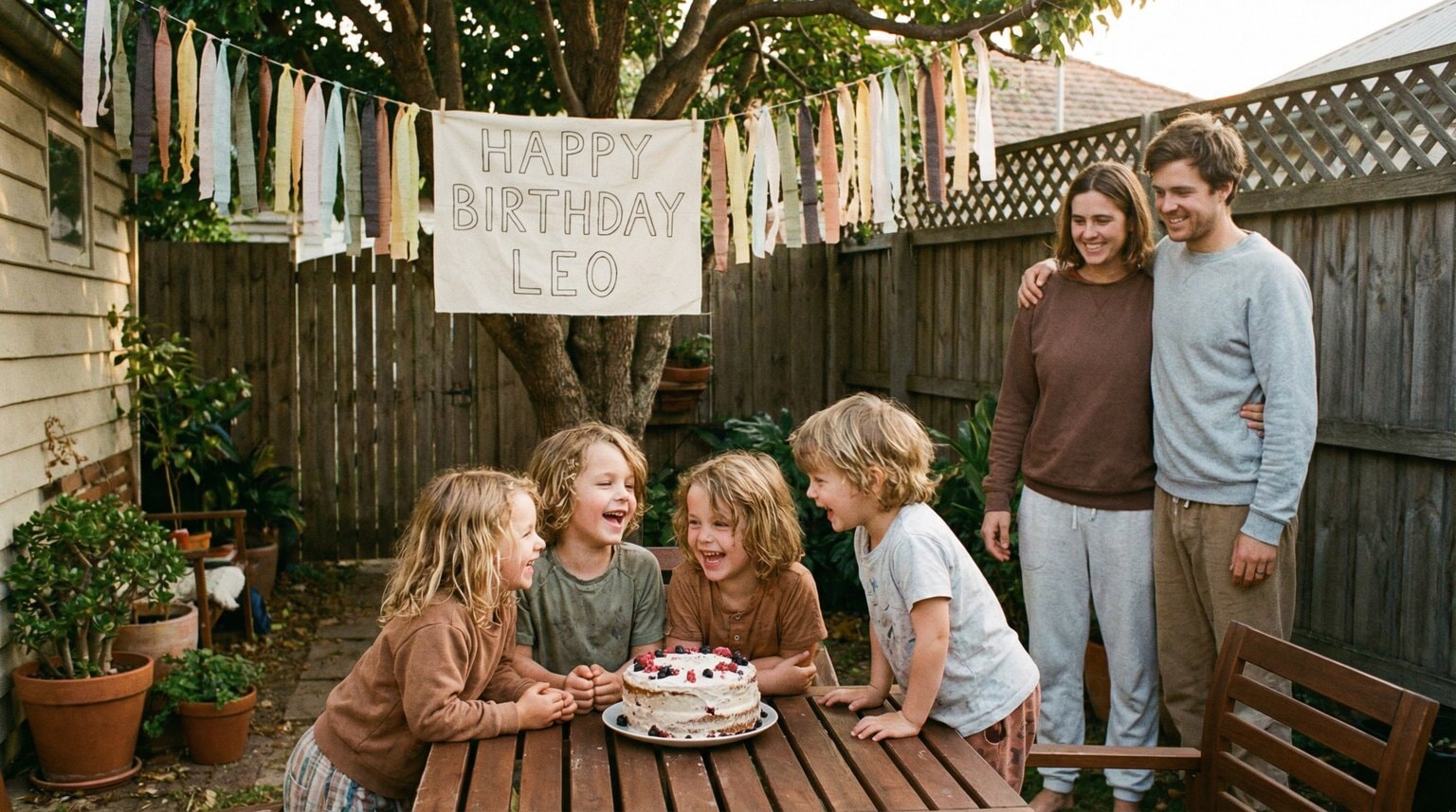
What’s actually happening: The desire to step back conflicts with fear of consequences. But here’s what developmental research actually shows: children’s memories of parties are shaped more by emotional connection than by elaborateness. They remember who was there and how they felt, not the production value.
Brian Hughes, cofounder of American University’s Polarization and Extremism Research Lab, is blunt about social media’s impact: “These are all Band-Aid solutions. The harms, in general, outweigh the benefits.” The platforms themselves create pressure that no amount of careful posting can fully solve.
What to do:
- Declare your family’s approach: “We do small celebrations focused on [your value]”
- Find like-minded parents (they exist and are often relieved to find you)
- Build traditions that have nothing to do with documentation
- Explore how digital culture shapes gift expectations to understand the broader context
What to say to your child:
“Our family celebrates by [your tradition]. That’s what makes our birthdays special.”
Reclaiming Birthday Joy
The birthday party arms race isn’t a character flaw. It’s a predictable response to curated content, social comparison psychology, and platforms designed to keep us engaged. Understanding the mechanism doesn’t make the pressure disappear—but it helps you recognize when it’s happening.
Permission slip: Opting out doesn’t harm your child. Scaling back doesn’t mean you love them less. The elaborate party you saw on Instagram took hours to set up, a second to photograph, and probably left that parent as exhausted as you’d be.
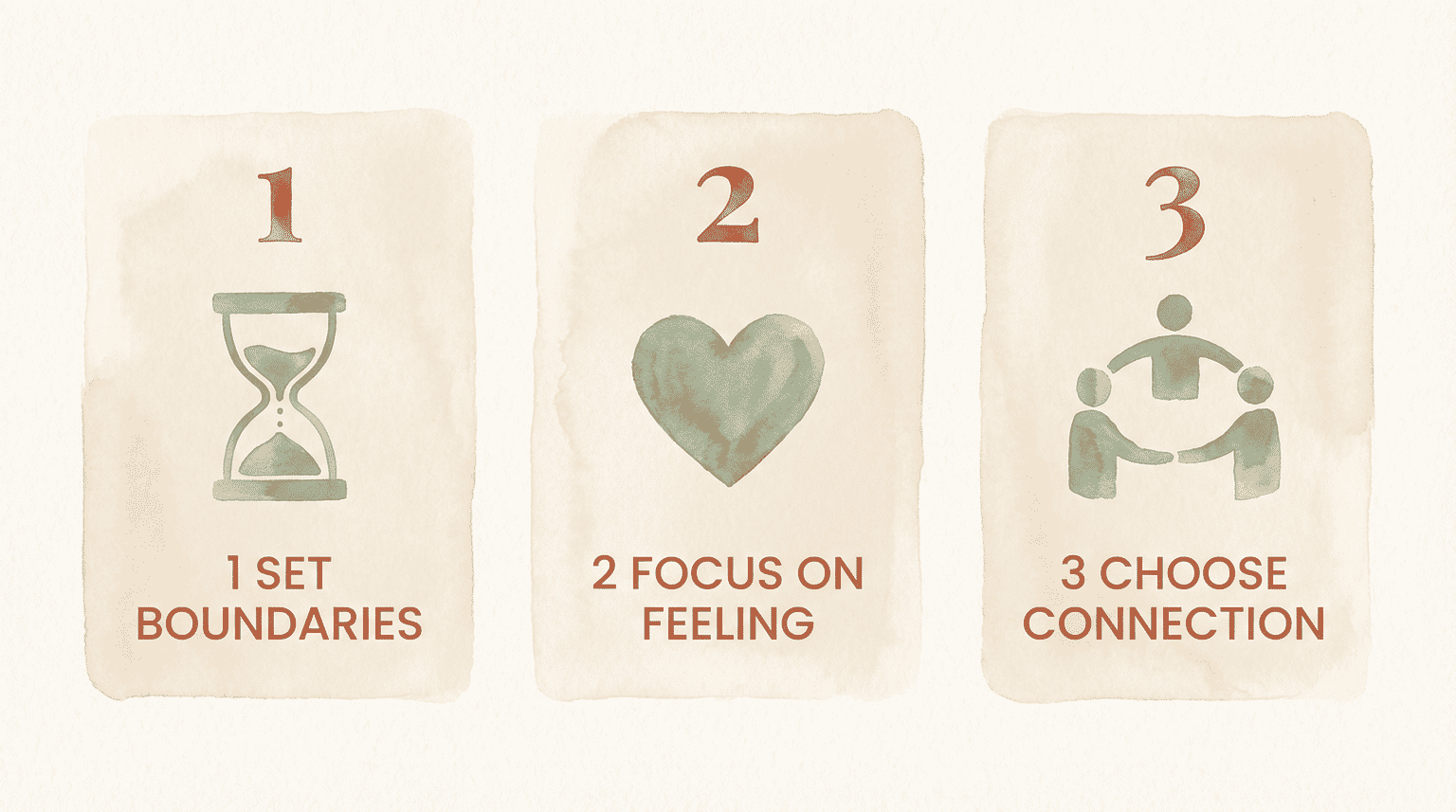
The best parties—the ones kids actually remember—are measured by connection, not production value. Your child wants to feel celebrated by people who love them. That doesn’t require a three-tiered cake.
Frequently Asked Questions
What is the birthday party arms race?
The birthday party arms race is the escalating pressure parents feel to host increasingly elaborate children’s birthday celebrations, driven by exposure to highly-curated party content on social media platforms like Instagram and Pinterest. Each impressive party raises the perceived baseline for what’s “normal.”
Why does social media make birthday parties feel so stressful?
Social media platforms show you the most engaging, polished content—not average parties. Research shows that because users control what they share, online content is overwhelmingly positive, creating unrealistic standards. Your brain compares your real planning process to everyone else’s finished highlight reel.
Should I stop posting my child’s birthday party photos?
Not necessarily, but post thoughtfully. Research shows exclusion from party photos affects wellbeing more than exclusion from the event itself. Consider group shots, ask permission before posting other people’s children, and focus captions on gratitude rather than showcasing elaborate elements.
How do I plan a birthday party without social media pressure?
Set a strict time limit before browsing ideas, bookmark only 2-3 inspirations, and close the app. Make decisions based on your family’s values and budget, not on matching what you’ve seen. Focus planning conversations on what would make your child feel celebrated and connected, not what would photograph well.
I’m Curious
Have you found yourself in the birthday party arms race? I’d love to hear what’s helped you step back—or whether you’ve just accepted that Pinterest-level parties are your life now. No judgment either way.
Your party survival stories might save another parent’s sanity.
References
- University of Basel Social Media Ostracism Research – Research on how Instagram exclusion affects psychological wellbeing
- World Journal of Advanced Research and Reviews – 2024 review on social media’s impact on mental health and FOMO
- Social Network Sites as Learning Environments (NIH) – Research on how social media creates distorted expectations through observational learning
- Birthday Party Networks Study – Longitudinal research on social reciprocity in children’s party invitations
- Identity Selection and Birthdays – Research on how birthdays function in identity construction
- American University Expert Commentary – Expert analysis on social media platform harms

Share Your Thoughts