
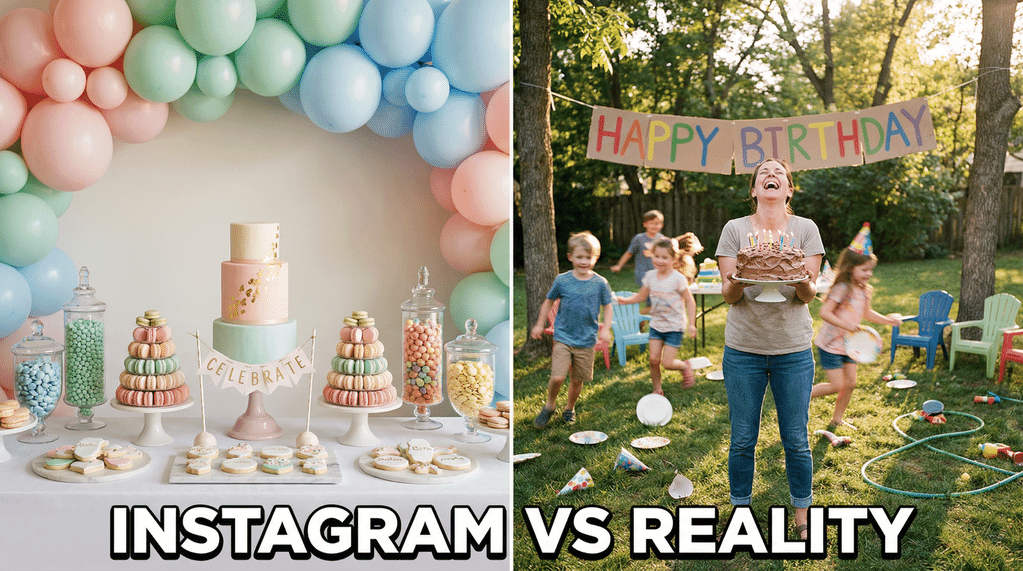
It’s 11pm. The last guest left three hours ago. You’ve scrubbed frosting off the ceiling, located six missing party favors, and finally collapsed on the couch.
So naturally, you open Instagram.
Five minutes later, you feel worse than before. Someone’s child had a coordinated balloon arch, a dessert table that belongs in a magazine, and forty-seven perfectly posed photos with zero visible meltdowns.
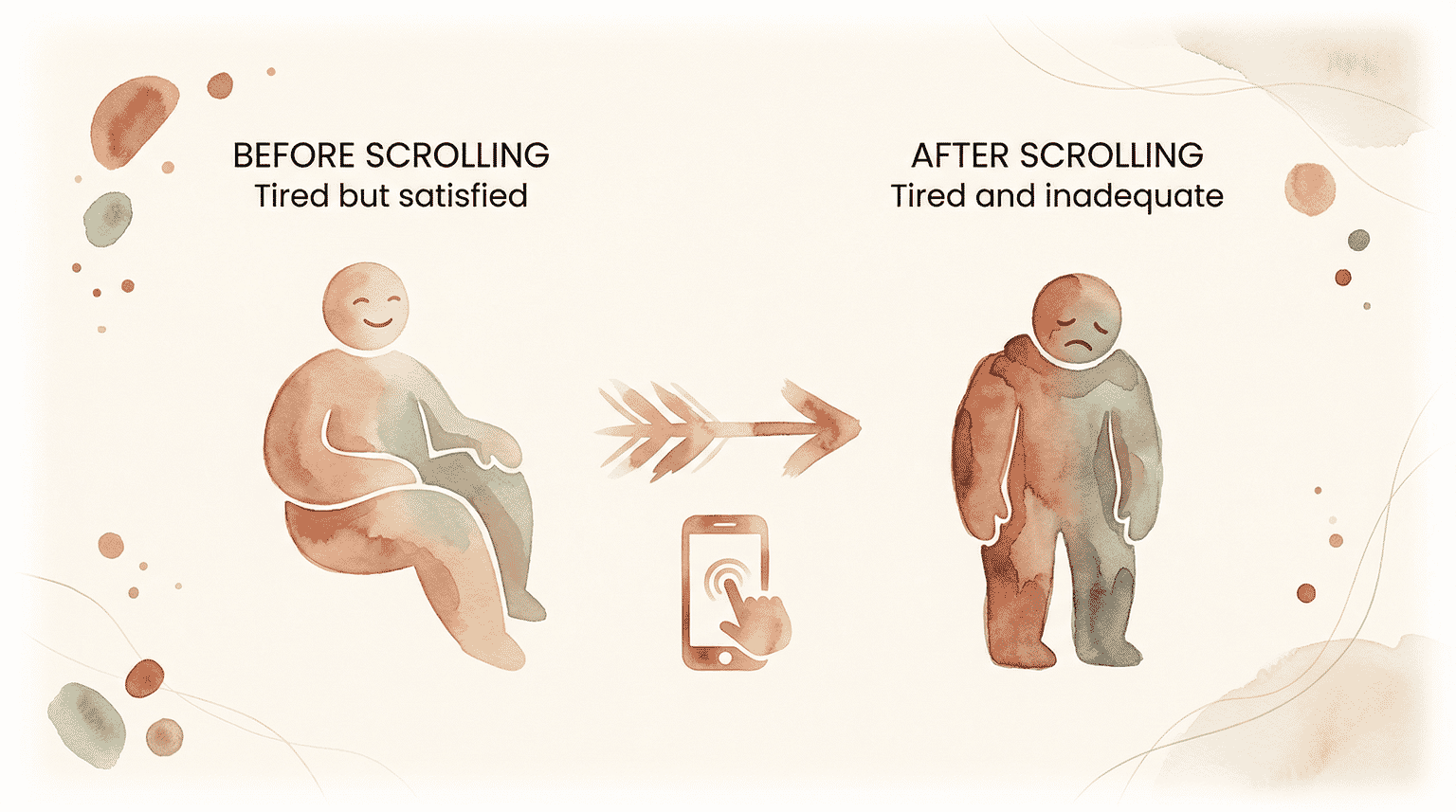
Here’s what the research actually shows about why this happens—and why this pressure is lying to you.
Key Takeaways
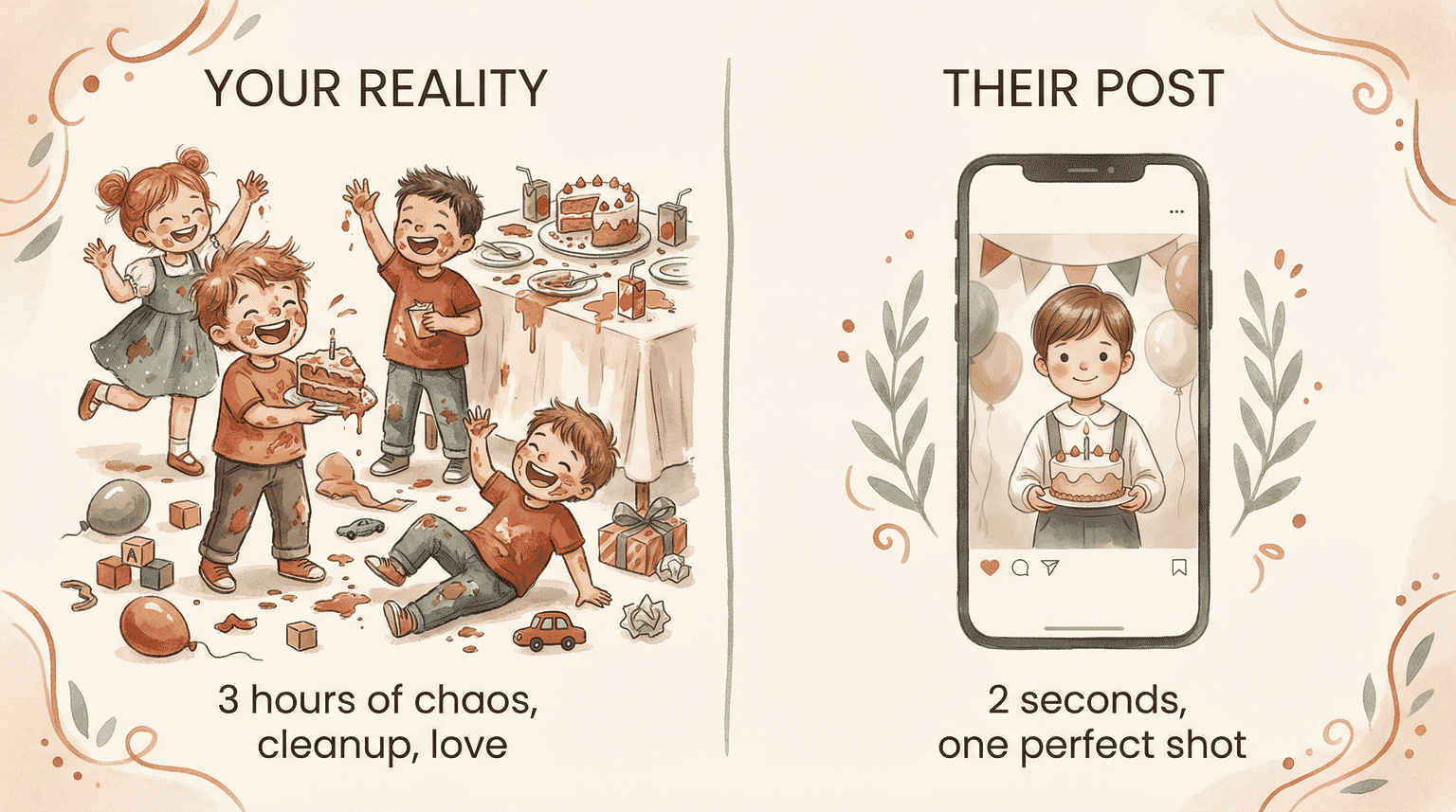
- You’re comparing your full 3-hour experience to someone else’s curated 2-second highlight
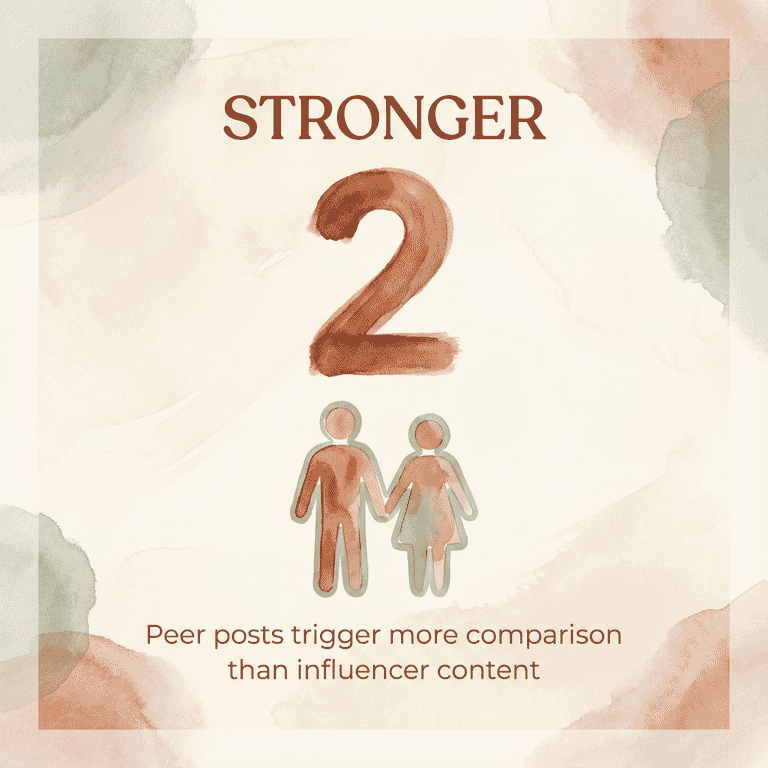
- Posts from peers (parents like you) trigger stronger comparison than influencer content
- Staging Instagram moments depletes the same energy you need to actually enjoy the party
- The only metric that matters: Did your kid have fun?
The Worst-to-Best Trap
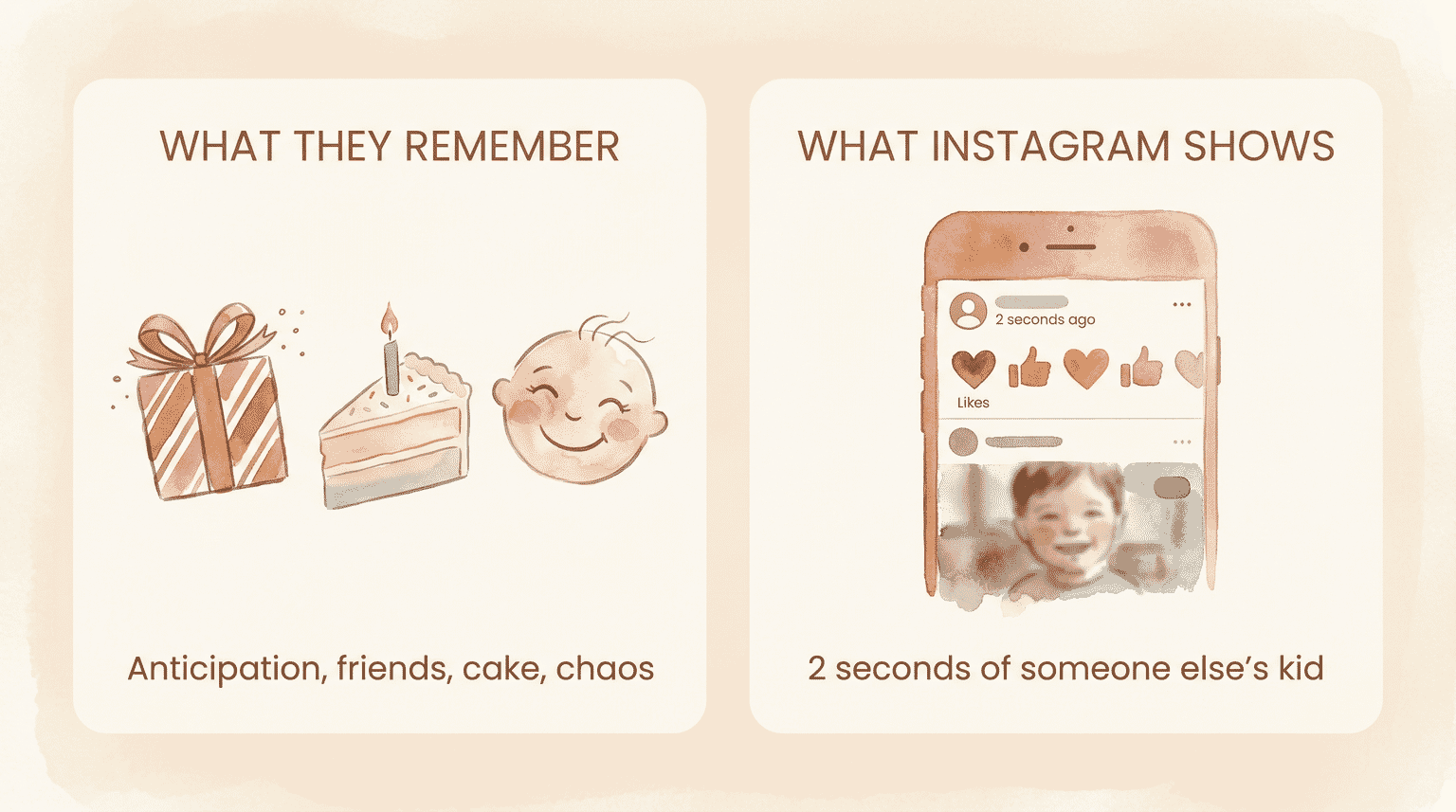
You’re comparing your full experience to someone else’s curated two seconds.
A 2022 NIH-published study found that celebration content on social media triggers the strongest comparison responses. And here’s the part that surprised me: peer content (other parents you actually know) hits harder than influencer content. Your brain registers that coordinated balloon arch as achievable because someone like you did it.
One teen in the study put it starkly: seeing others at events made her restrict how she acted, constantly thinking about how many likes they got.
This comparison dynamic doesn’t disappear when we become adults—we just shift from worrying about our appearance to worrying about our parenting appearance.
You’re scrolling in pajamas after cleanup. They posted their single perfect shot. Psychologists call this the “worst-to-best” comparison trap, and research confirms that knowing photos are staged doesn’t actually prevent the comparison from affecting you.
Let that sink in. Even when you know what you’re seeing isn’t real, your brain still processes it as a benchmark.
The Hidden Cost of Documenting
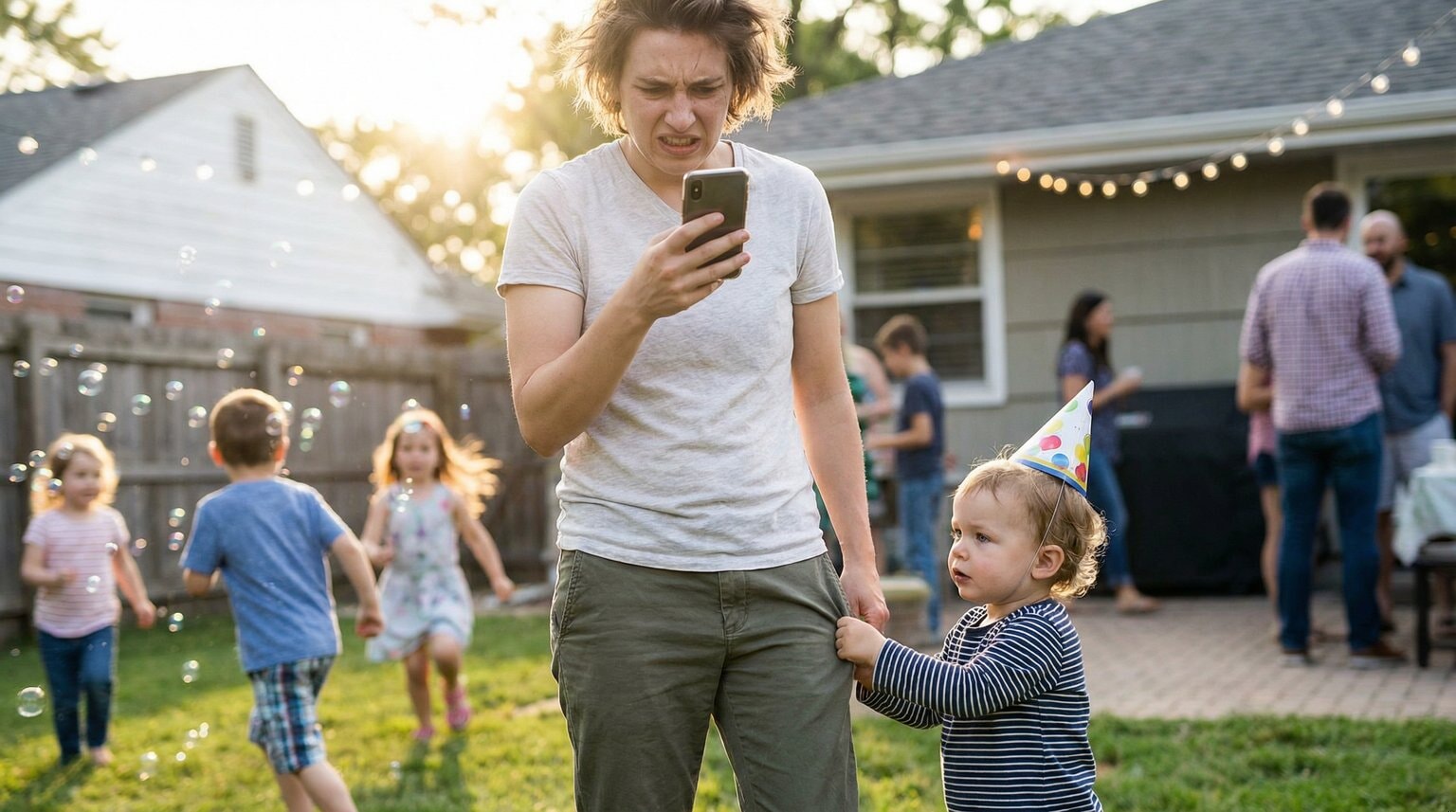
Here’s what nobody talks about: staging Instagram-worthy moments while hosting a party depletes the same energy you need to actually enjoy it.
Researchers call this “front stage exhaustion”—the self-regulatory effort of performing requires a finite social energy resource that, when depleted, results in fatigue. You can’t be fully present blowing bubbles with your 4-year-old while also mentally framing the shot.
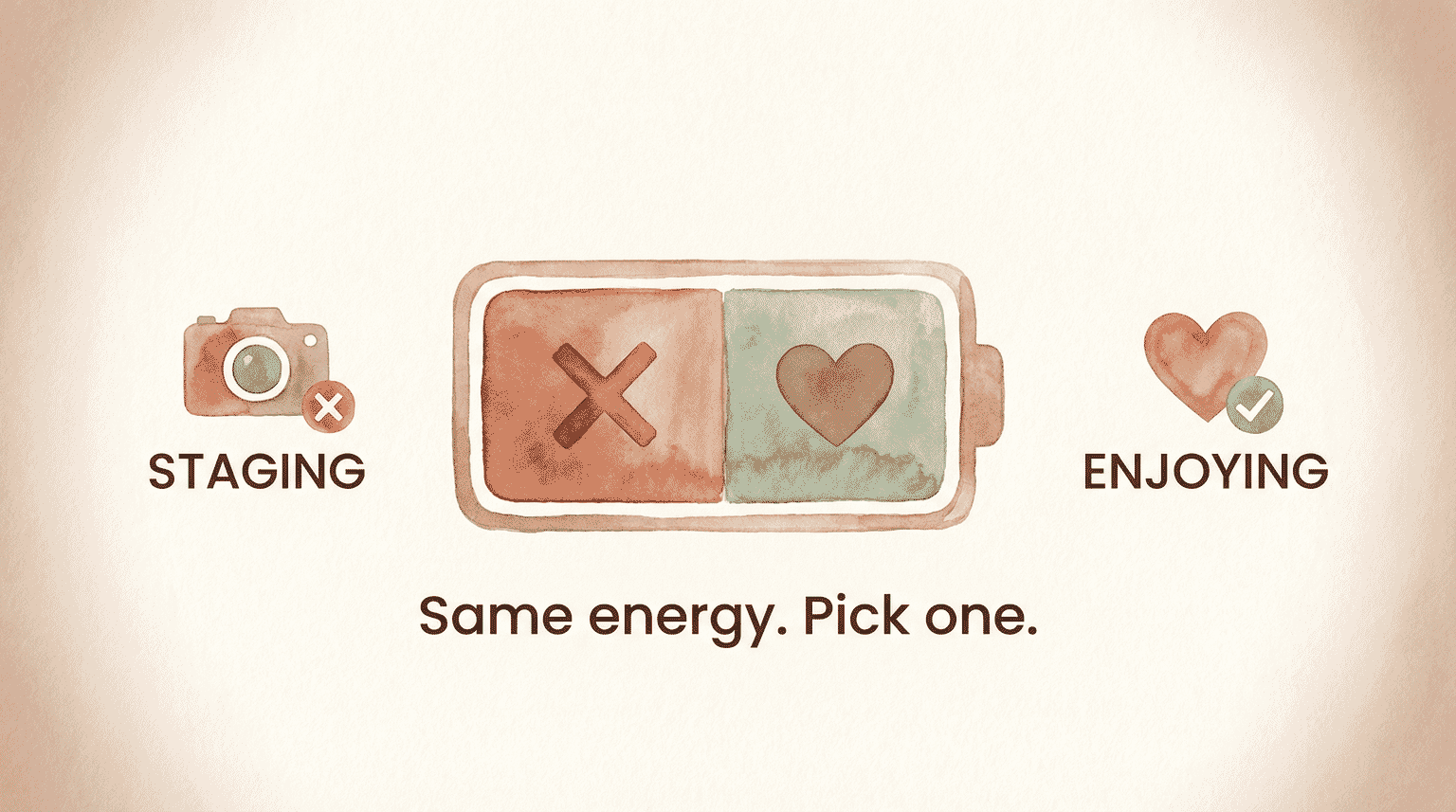
I’ve hosted enough birthday parties to know: you get the photos or you get the memories. Rarely both.
If you want to understand more about how we share celebrations online and why it feels so complicated, that’s worth exploring.
What Your Kid Actually Remembers
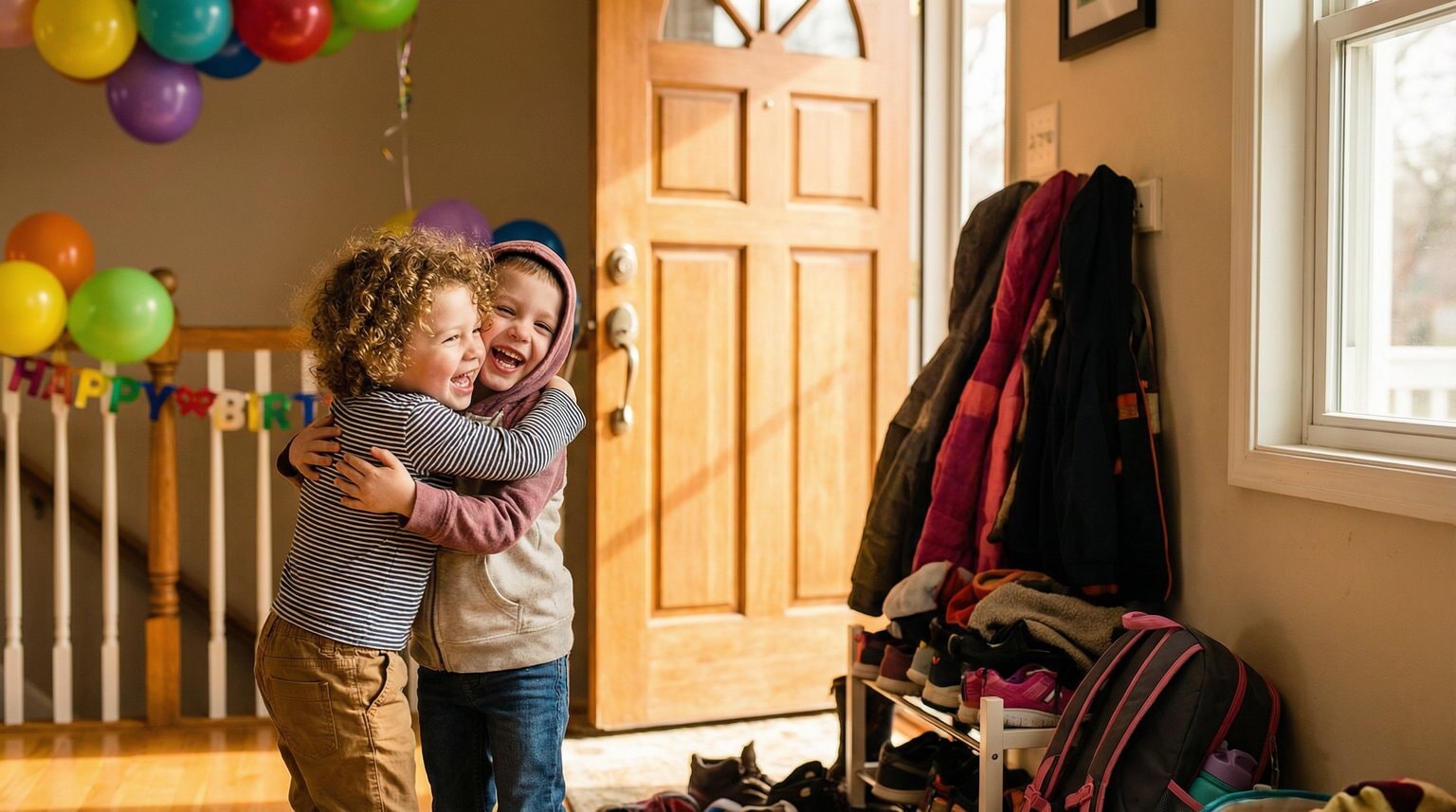
Your child experienced the whole party—the anticipation, the chaos, the sugar rush, the moment their best friend arrived. Instagram shows two seconds of a stranger’s child looking angelically at cake.
The neuroscience of social comparison reveals something important about authentic sharing.
“Some people present authentically online and feel fine afterward. Others post things that don’t represent who they really are—and that makes them feel bad.”
— Jeff Hancock, Director, Stanford Social Media Lab
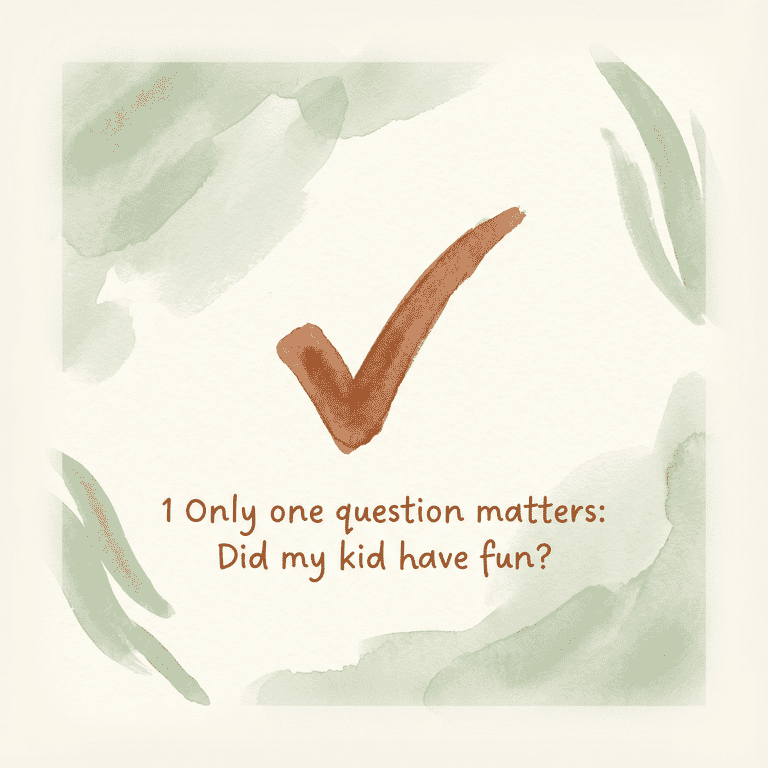
So before you scroll, ask yourself one question: Did my kid have fun?
That’s the only metric that matters. Not the backdrop. Not the coordinating outfits. Not what anyone else posted.
The birthday traditions that actually stick are rarely the Instagram-perfect ones—they’re the ones your kid remembers.
If you’re feeling the pull of the party comparison spiral, you’re not alone—and stepping back from the highlight reel is the first real step.
Join the Conversation
Have you felt the party comparison spiral after scrolling? I’m curious whether stepping back from Instagram during planning season has helped—or whether the pressure shows up regardless.

Your stories always help me remember I’m not the only one feeling this.
References
- PMC/NIH: How Adolescent Girls View Social Media Images – Research on social comparison and celebration content
- PMC/NIH: Social Network Sites and Mental Health – Meta-analyses on online comparison effects

Share Your Thoughts