
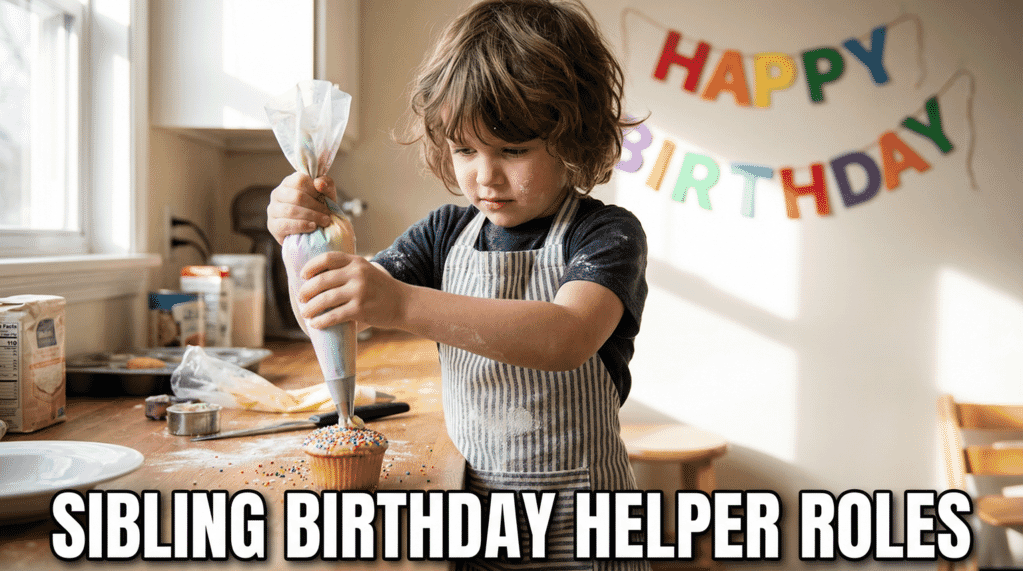
Your youngest is turning 5, and your 7-year-old is already asking, “What about ME?”
Here’s the thing: research shows that giving siblings a meaningful role doesn’t just prevent meltdowns—it actually benefits both kids.
Key Takeaways
- Children as young as 4 can adjust their helping behavior based on a younger child’s abilities—they’re ready for real jobs, not just distractions
- Frame helper roles as a privilege (“You know them better than anyone”) rather than a consolation prize—this teaches celebrating others’ joy
- When older children help younger siblings, both develop greater empathy
- Birthday helper roles aren’t just party logistics—they’re relationship investments
The Three-Tier Framework
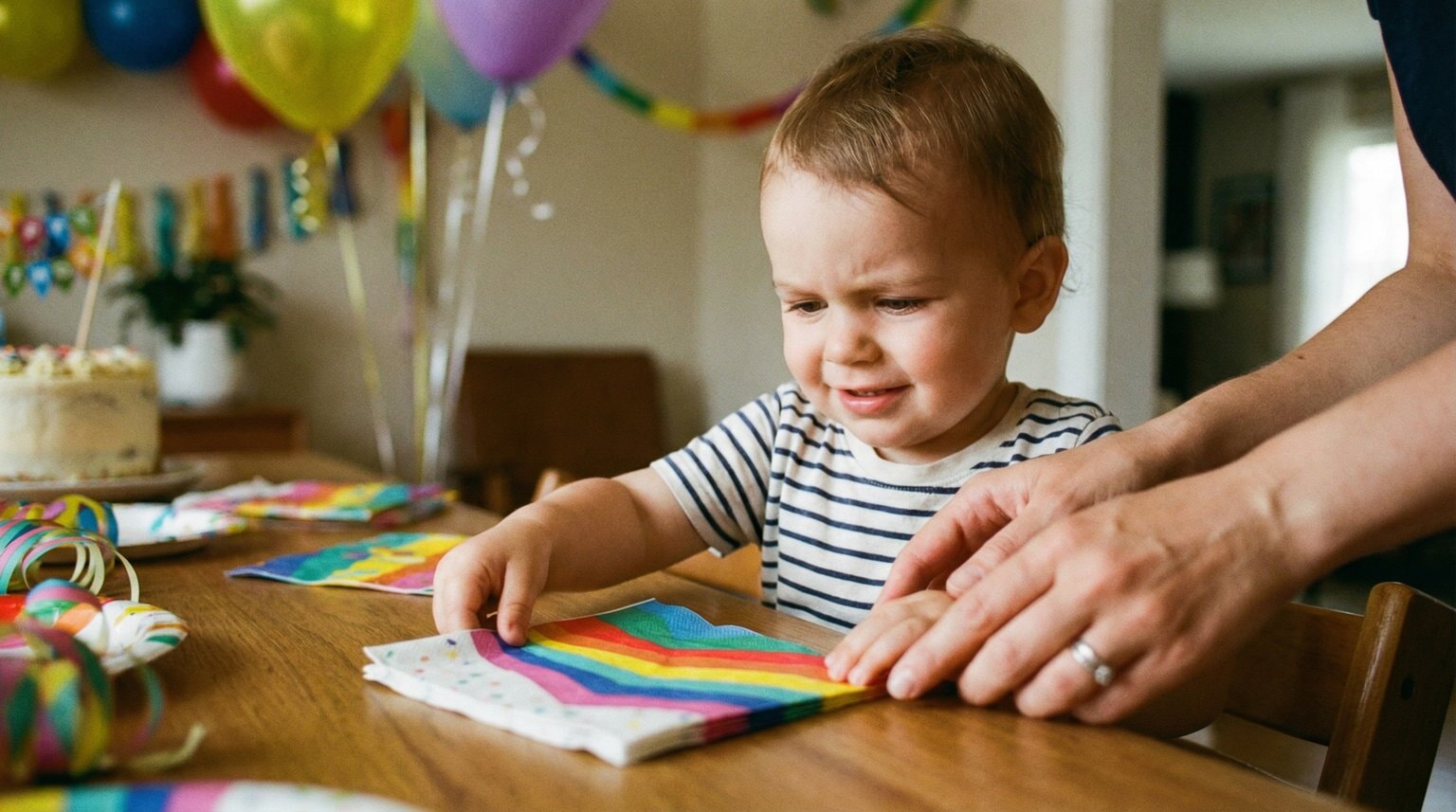
Utah State researchers found that children as young as 4 can adjust their helping behavior based on a younger child’s abilities—much like parents do. That means even your preschooler is ready for a real job, not just a distraction.
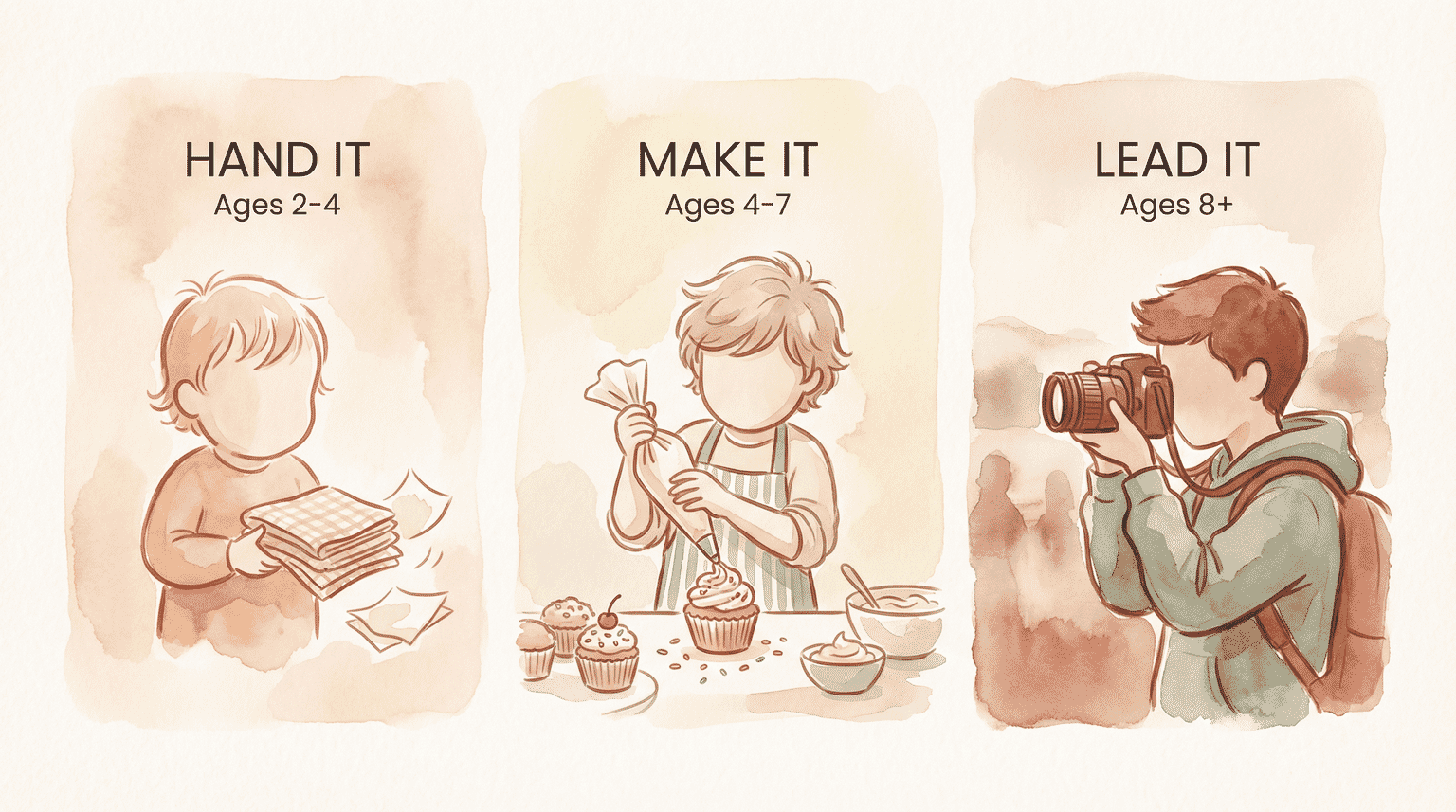
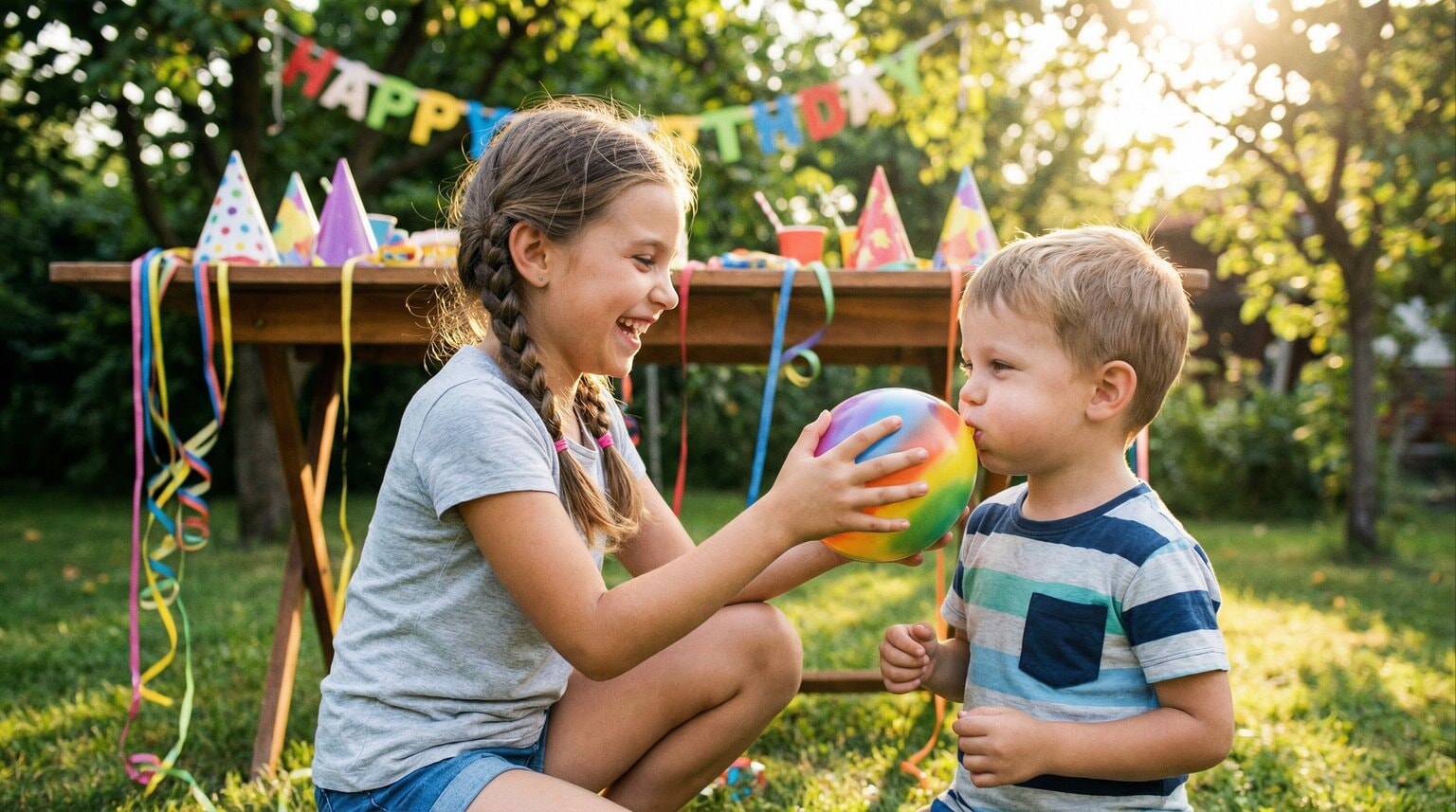
Hand It (Ages 2-4): Toddlers thrive on simple, repetitive tasks. Let them place napkins on the table, hand out party hats, or deliver cards to guests. They feel important; you get actual help.
Make It (Ages 4-7): This is the sweet spot for creative involvement. Decorating cupcakes, wrapping a special gift, making a welcome sign—these tasks give kids ownership over part of the celebration.
Lead It (Ages 8+): Older kids can run a game station, take photos, or greet arriving guests. University of Tennessee research shows that when older children help younger siblings, both develop greater empathy—so your tween benefits too.
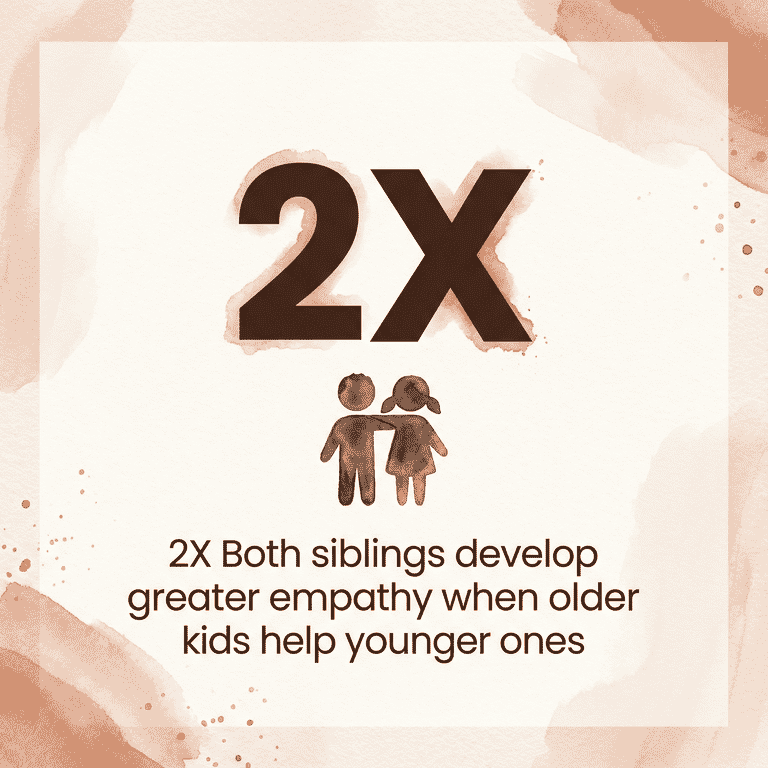
Here’s what makes this framework worth the effort: the benefits flow both directions. Your older child isn’t just “helping out”—they’re building emotional intelligence.
When kids practice adjusting their behavior to support someone younger, they’re developing the same empathy skills that will serve them in friendships, classrooms, and eventually their own families.
The Script That Works
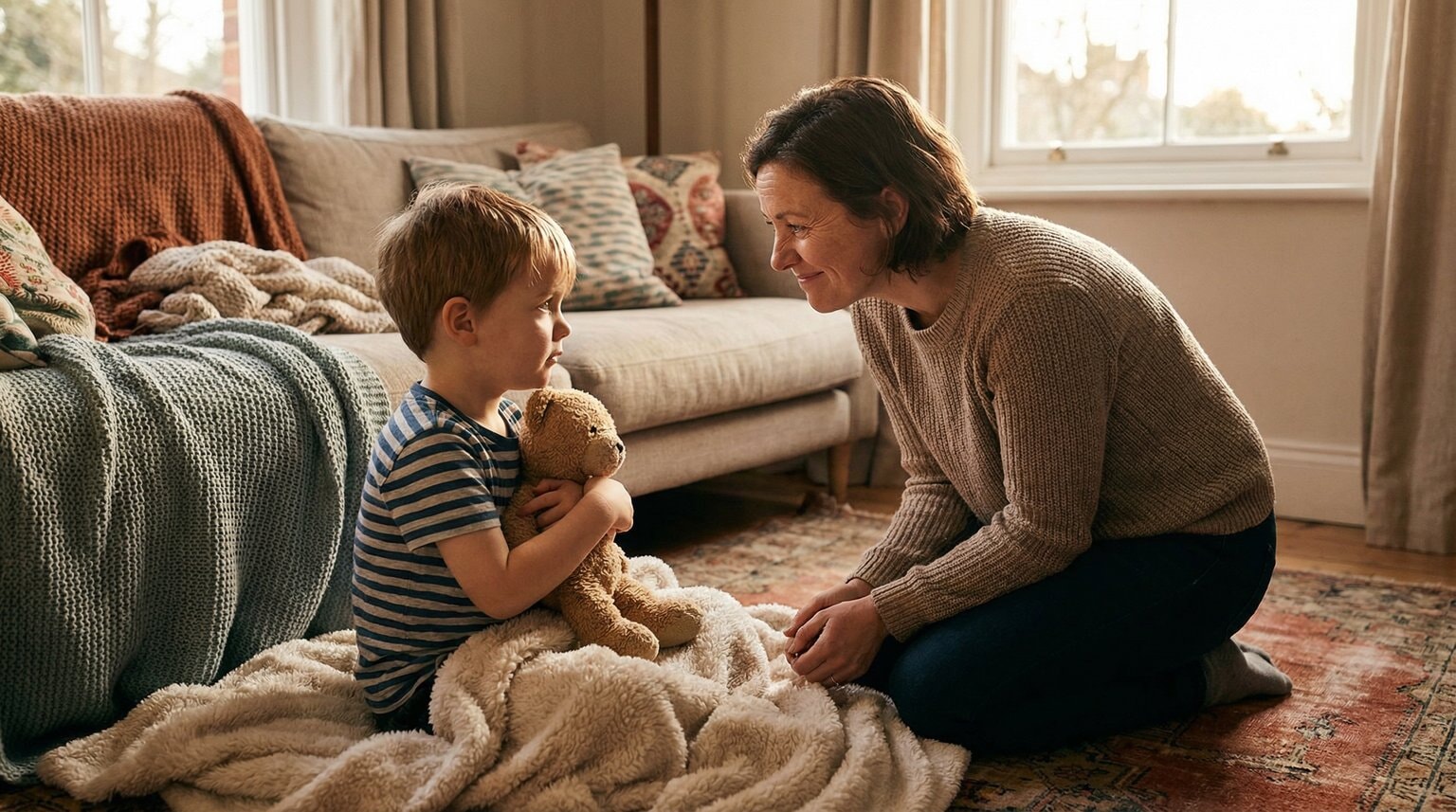
When you’re dealing with sibling jealousy at birthday parties, how you frame the helper role matters. Try this:
“You have a special job because you know [birthday child] better than anyone. Can you be in charge of [specific task]?”
This positions helping as a privilege, not a consolation prize. And honestly? Kids can smell the difference from a mile away.

The first approach—”Here, you can open one too”—tells your child they’re being managed. The second approach tells them they’re essential. That distinction makes all the difference when emotions run high.
Why This Actually Matters
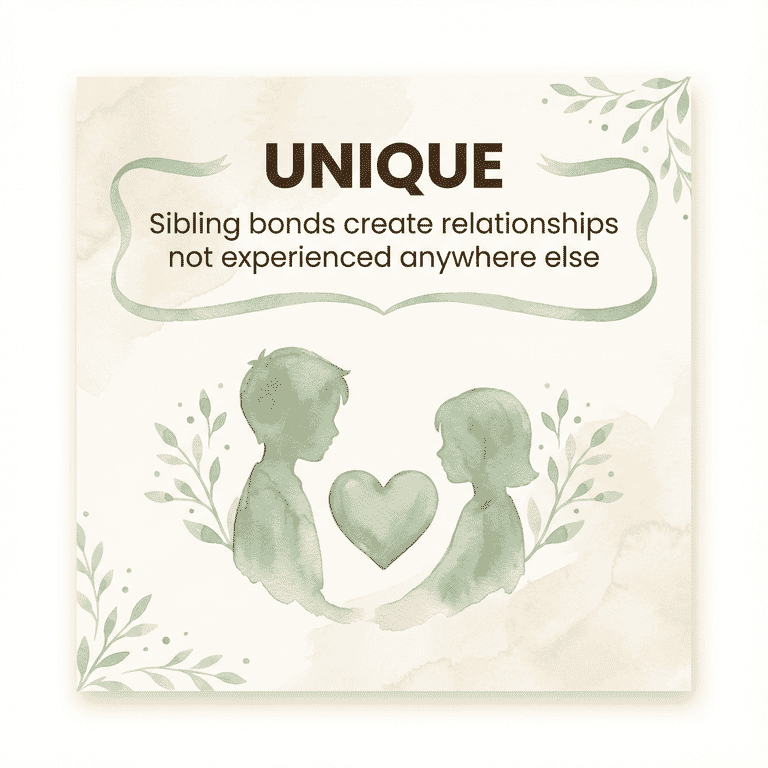
According to University of New Hampshire researchers, the extensive time siblings spend together creates bonds not experienced in other relationships. Birthday helper roles aren’t just party logistics—they’re relationship investments.
No other relationship in your child’s life will have this same foundation—thousands of hours of shared meals, car rides, bedtimes, and yes, birthday parties.
Every positive interaction during these high-stakes moments adds to that foundation. And when gift-opening creates tension, having already contributed makes siblings more generous in the moment.
Let that sink in. You’re not just getting through another party—you’re building something that lasts.
Over to You

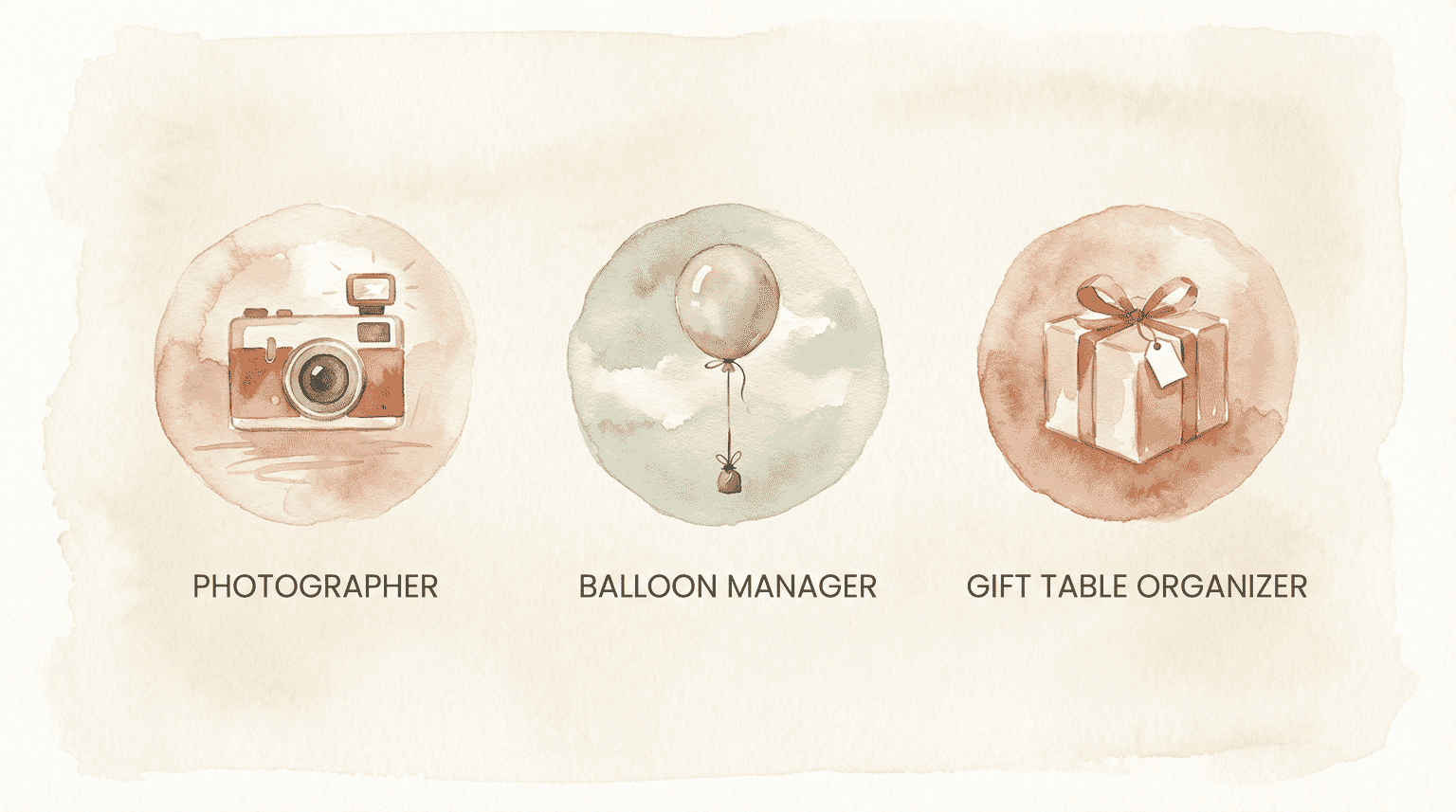
What helper role has worked best for your non-birthday sibling? I’ve tried photographer, balloon manager, and gift-table organizer with varying success. Would love to hear what’s actually kept the jealousy at bay.
Your experience might help another parent avoid the birthday meltdown.
References
- Utah State University (2023) – Early sibling developmental support research
- University of Tennessee at Chattanooga (2023) – Sibling impacts on development across the lifespan
- University of New Hampshire SAARA (2025) – Positive sibling relationships research

Share Your Thoughts