

Standing in the craft aisle, you’re staring at paper chains, sticker charts, and advent-style boxes, wondering if you really need another project. Meanwhile, your child has asked “How many more sleeps?” four times since breakfast.
Here’s the thing: that relentless question isn’t annoying—it’s actually your child’s brain doing something remarkable.
Research shows that anticipation triggers genuine happiness—it’s the psychology of anticipation at work. The countdown your kid is begging for? It’s not just killing time—it’s genuinely improving their daily mood.
“Imagining good things ahead of us makes us feel better in the current moment. It can increase motivation, optimism and patience and decrease irritability.”
— Simon A. Rego, Chief Psychologist, Montefiore Medical Center
But here’s what most countdown guides miss: there’s a real difference between building anticipation and drowning in it. After doing birthday countdowns with eight kids across every age, I’ve learned that simpler almost always beats elaborate—and the research backs this up.
Key Takeaways
- Anticipation itself creates happiness—countdowns aren’t just killing time, they’re boosting your child’s daily mood
- Match countdown length to age: 3-5 days for toddlers, 7-10 for preschoolers, up to two weeks for school-age kids
- Visual countdowns work because children need to see time passing—paper chains, stickers, and envelopes all provide this
- Small and consistent beats elaborate and escalating—your child doesn’t need bigger surprises each day
- Birthday countdowns can become meaningful family traditions that boost resilience and self-esteem
Why Birthday Countdowns Actually Work
My librarian brain couldn’t let the “why” go without digging into it. Turns out, the ability to wait isn’t something kids are born with—it’s a skill they develop through practice.
Cross-cultural research published in Psychology Today (2025) found something fascinating: over 70% of children raised in cultures with waiting expectations successfully completed delay tasks, compared to children without such practice who struggled significantly.
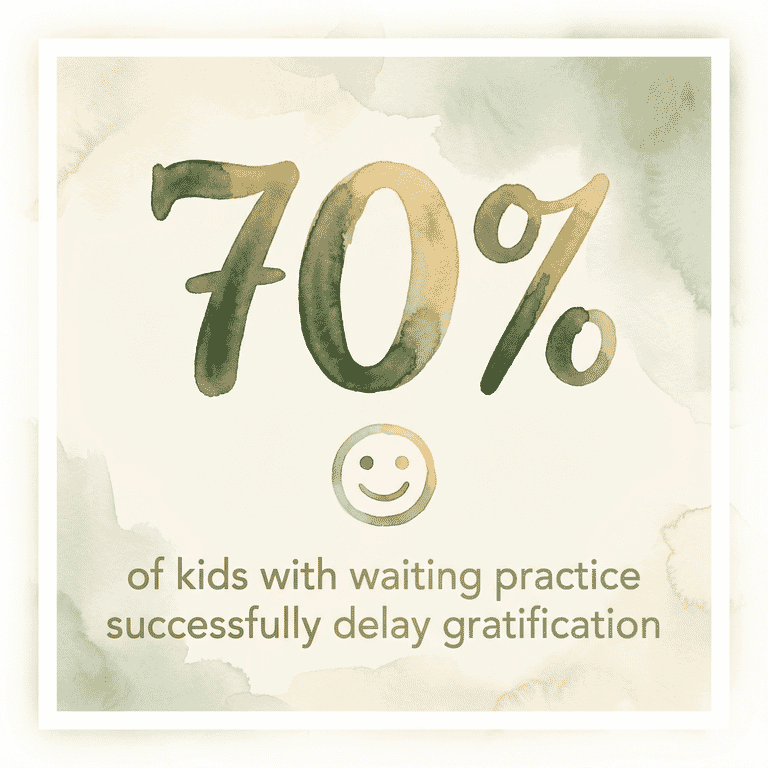
Even more interesting? U.S. kids actually excel at waiting to open wrapped presents—because birthday parties and Christmas morning give them regular practice.
This suggests children can be taught to be more patient and wait, given the right environment and background. Birthday countdowns provide exactly that structured practice.
Here’s the other piece: our brains genuinely prefer having specific numbers to track. When we know something good is coming, we get an endorphin boost that improves focus, creativity, and mood. The countdown itself becomes part of the reward, not just the waiting room before the reward.
Visual Countdowns Kids Can Track Themselves
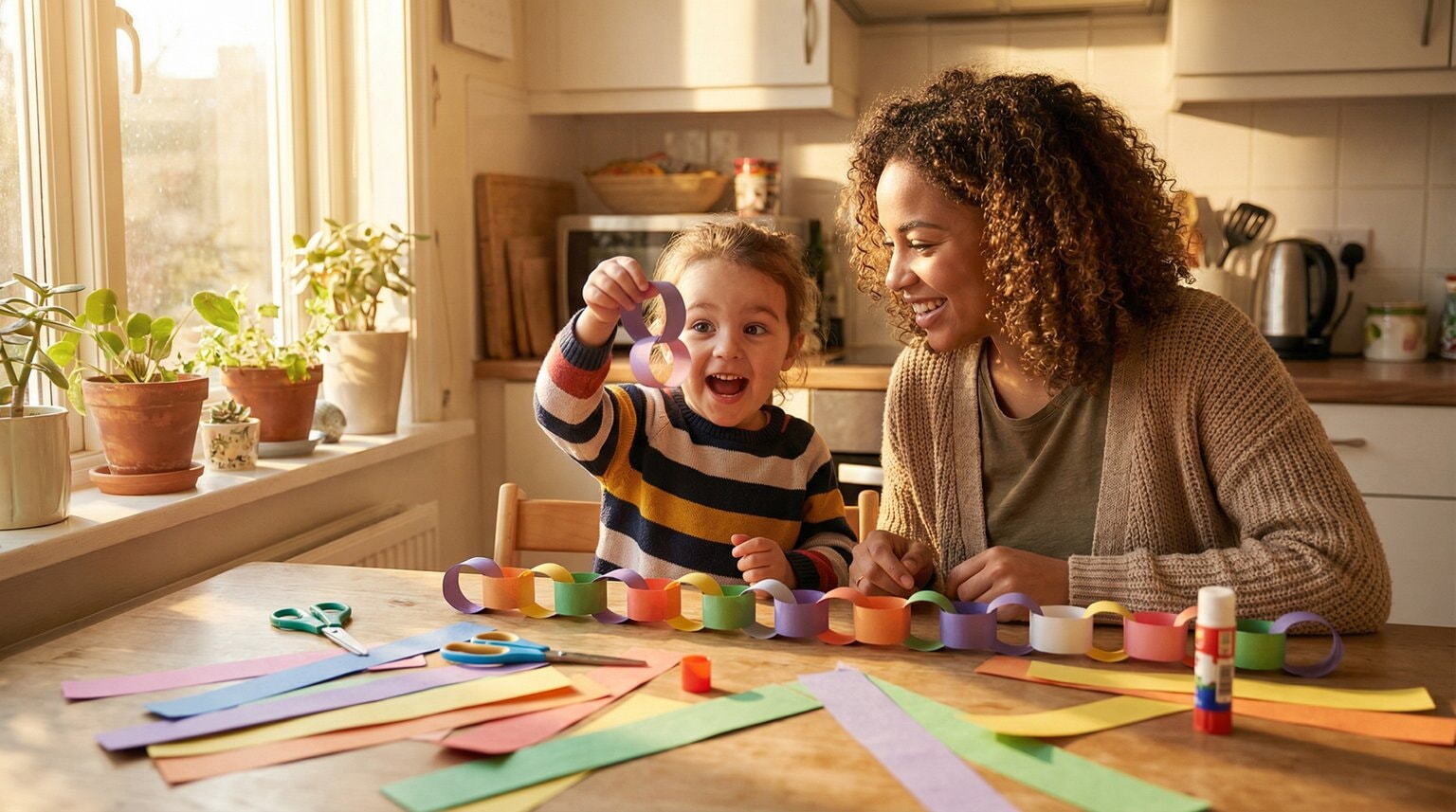
For children who can’t yet grasp abstract time, seeing days disappear makes the wait feel real and manageable. Research from Indiana University shows that children benefit from “seeing the numbers coming off the list”—the visual removal helps even non-reading children understand time passing.
Paper chain countdown (ideal for ages 3-7)
This remains my go-to for younger kids. Each day, your child physically removes a link, watching the chain shrink. The tactile involvement transforms abstract “days” into something concrete. My 4-year-old counts her remaining links every single morning—it gives her a sense of control over the waiting.
Implementation tip: Make the final link a different color so they know exactly when the birthday arrives.
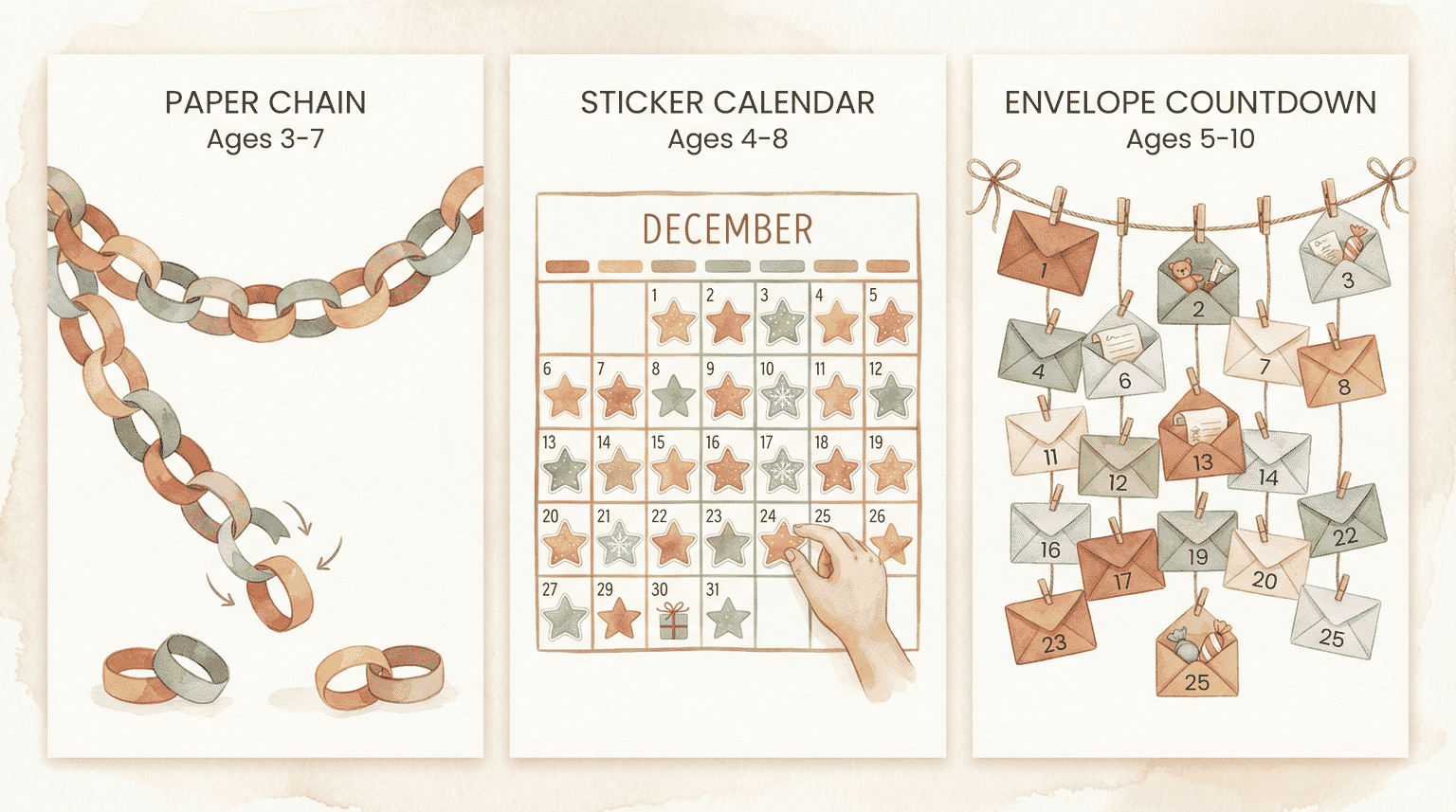
Countdown calendar with stickers (ideal for ages 4-8)
Print a simple month view or use a dedicated countdown chart. Each morning, your child places a sticker on the completed day. The filling-in process works differently than removing links—it shows progress made rather than time remaining.
Implementation tip: Let your child pick the stickers. This small choice increases their investment in the whole process.
Numbered envelope countdown (ideal for ages 5-10)
Hang numbered envelopes on a string or tape them to a door. Inside each: a simple activity slip, joke, or birthday fact about your child (“You said your first word at 11 months!”). School-age kids love the daily mystery element.
Implementation tip: Don’t overthink the contents. A knock-knock joke or “pick tonight’s dessert” works perfectly.
Activity-Based Countdowns That Don’t Escalate
Here’s where I see parents burn out: feeling like each countdown day needs to top the last. Research from Tulane University offers permission to stop: “Anticipating a smattering of small, delightful experiences can be as enjoyable as looking forward to one big event.”
Small and consistent beats elaborate and escalating every time.
Balloon pop countdown (ideal for ages 4-9)
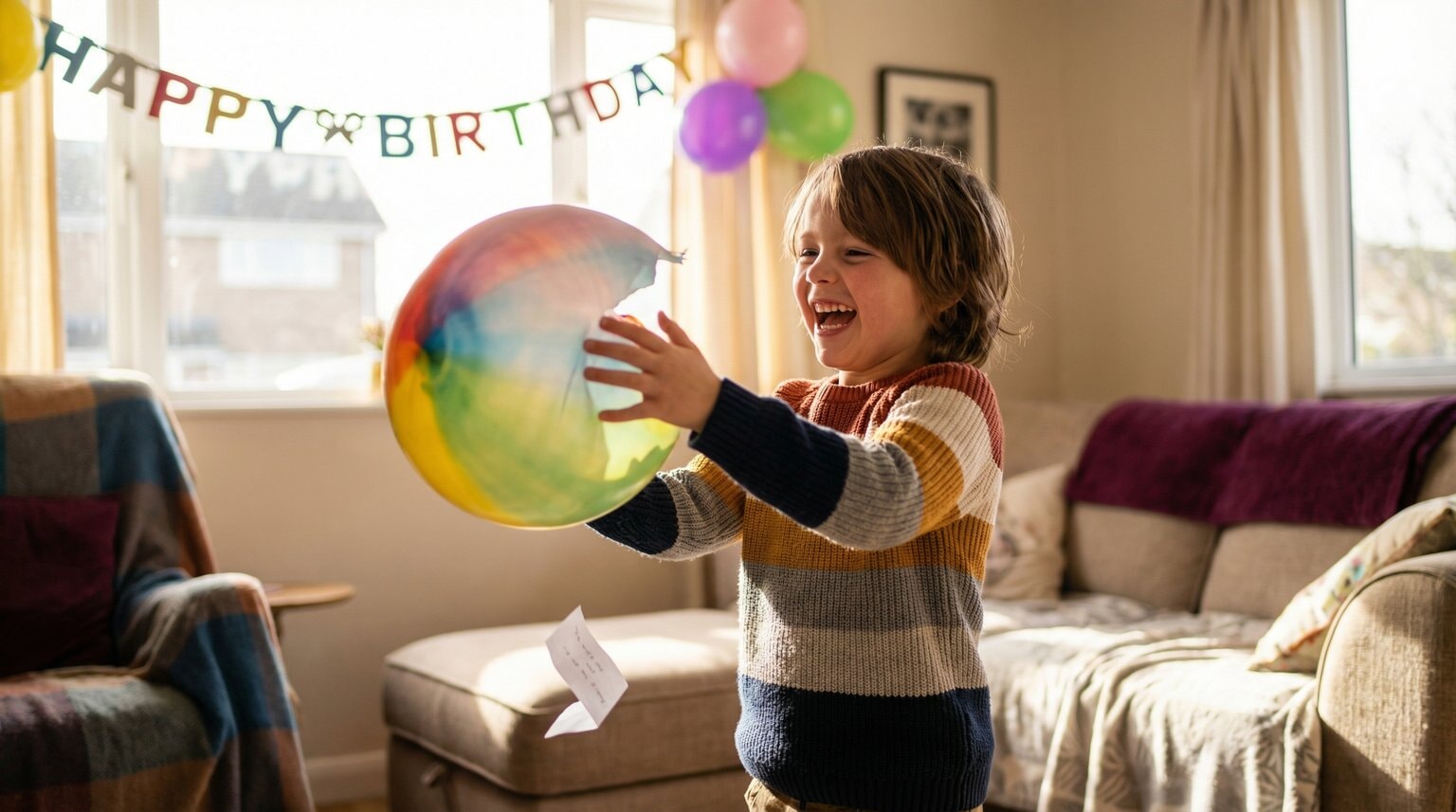
Write activities or small surprises on slips, roll them up, insert into balloons before inflating. Each day, your child pops one balloon. The “pop” adds excitement without requiring increasingly impressive contents.
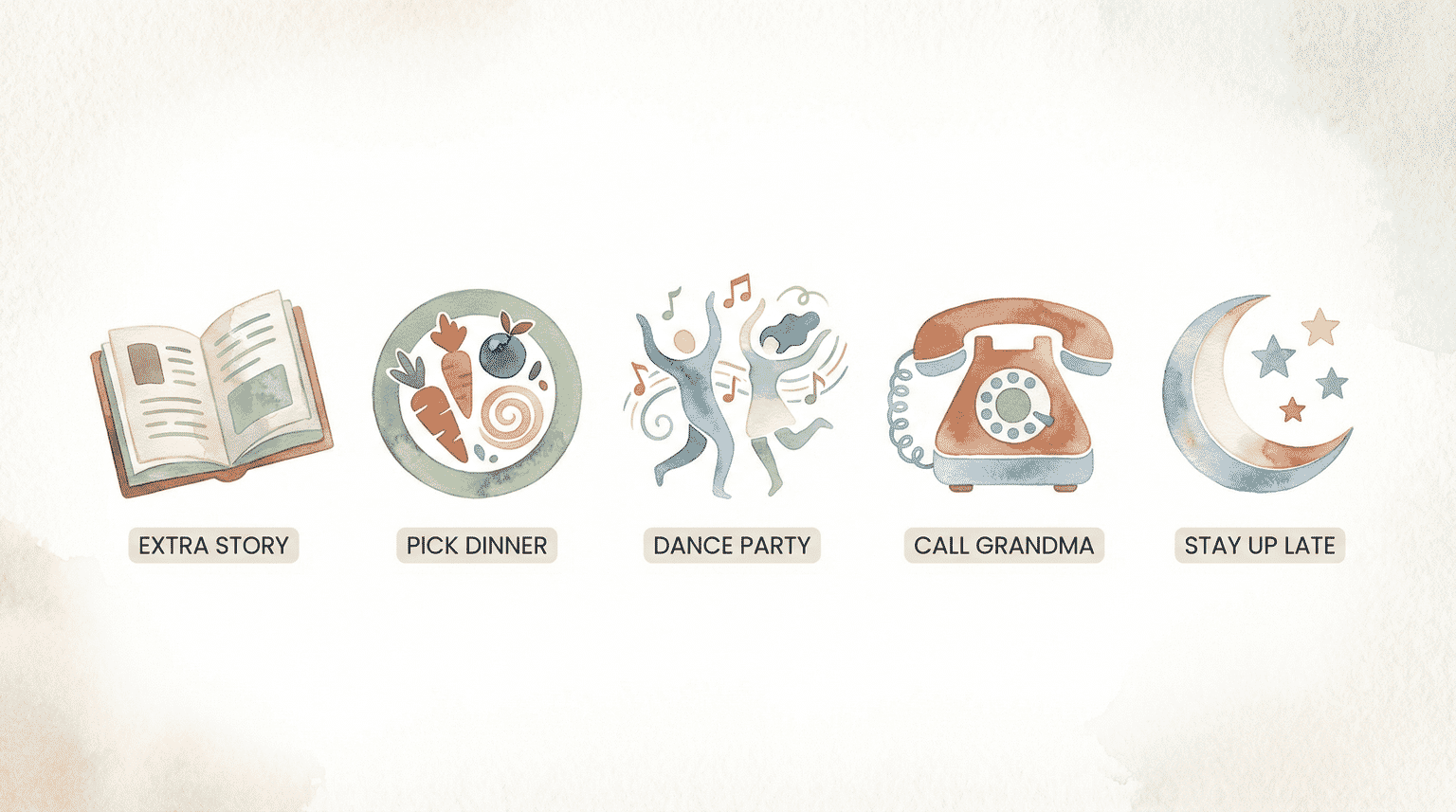
Balloon contents that work: “Extra story tonight,” “You pick dinner,” “Dance party before bed,” “Call Grandma,” “Stay up 15 minutes late.”
Birthday privilege countdown (ideal for ages 5-12)
No supplies needed—just a list. Each countdown day grants one special privilege: pick the breakfast, sit in the “good” seat, choose the family movie, skip one chore. My kids honestly get as excited about choosing dinner as they do about actual presents.
Countdown jar with activity slips (ideal for ages 3-8)
Fill a jar with folded papers, each containing a simple activity. Your child draws one each morning. Keep activities low-effort: color a picture, play a game together, have dessert first, take a special bath with glow sticks.
The key across all these options is consistency over complexity. Predictability works like a safety signal for the brain—it tells kids “you’re safe, you know what’s coming, you can relax.” That’s actually how you prevent overwhelm: make each day feel reliably special, not increasingly so.
Tradition-Building Countdowns
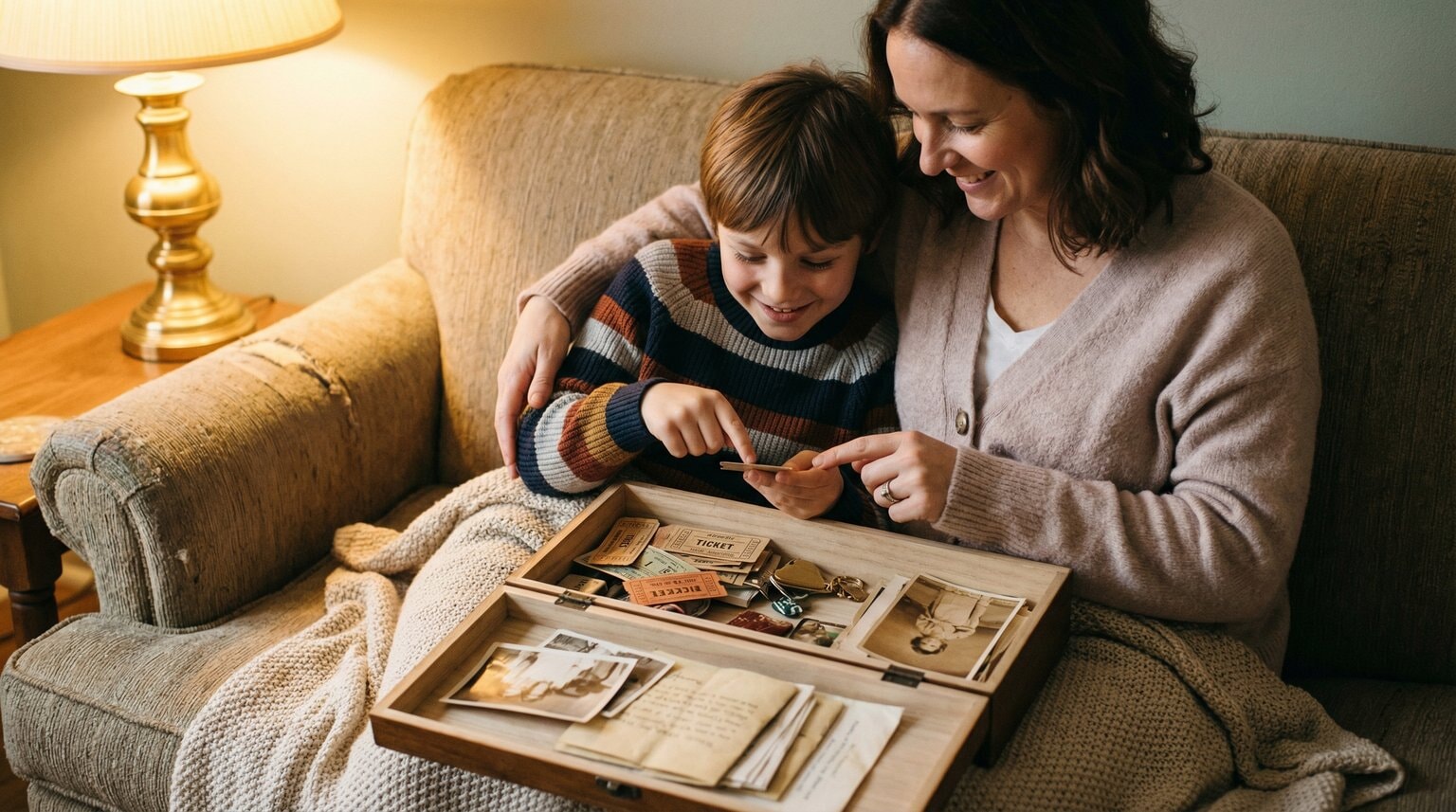
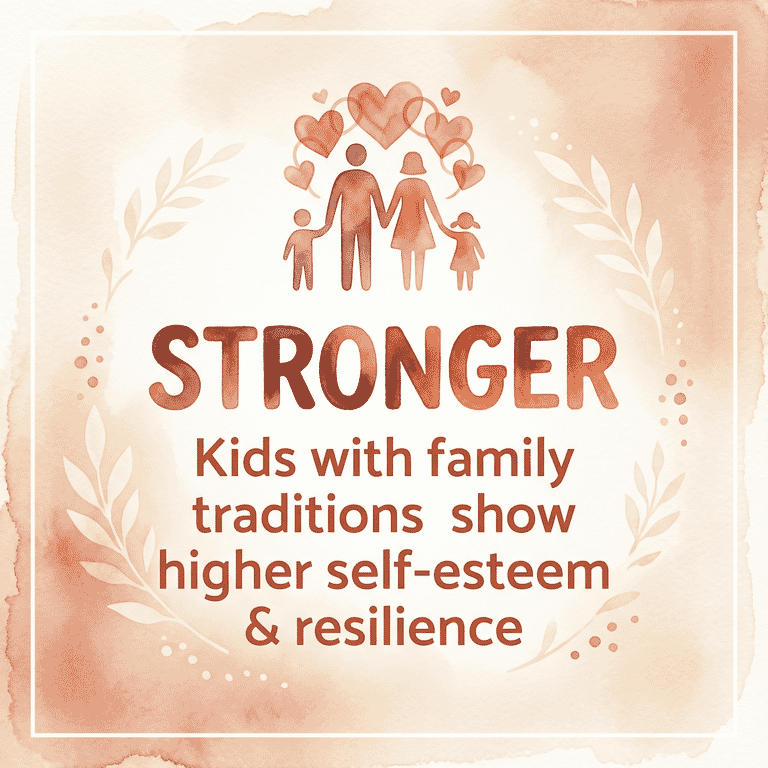
The 50-year review in the Journal of Family Psychology found family traditions are associated with closer relationships and provide a sense of security during stressful times. Emory University research shows children with strong knowledge of family traditions demonstrate higher self-esteem and increased resilience.
Birthday countdowns can become exactly this kind of meaningful ritual.
Throughout the year, drop small items into a special box: little trinkets, notes, photos, ticket stubs from family outings. During the countdown week, your child opens one item per day, remembering the year that’s ending.
This turns the countdown into a reflection, not just a race to the finish line.
Annual birthday interview (all ages)
Capture your child’s thoughts with an annual birthday interview the night before or morning of their birthday. Making this the countdown finale creates a meaningful ritual that documents who they are at each age. My teenagers now ask for their interview.
Letter tradition (ideal for ages 6+)
Write a letter to your child each day of the countdown, or have them write to their future self. Collect these in a birthday journal that grows each year. For detailed approaches, see our guide to the birthday letter tradition. This creates a keepsake that becomes more valuable over time.
These tradition-style countdowns become the family traditions that create lasting memories—the kind your kids will want to continue with their own families someday.
How Long Should Your Countdown Last?
This is where most guides fail you completely. They offer 25-day or 30-day countdowns without mentioning that length matters enormously by age.
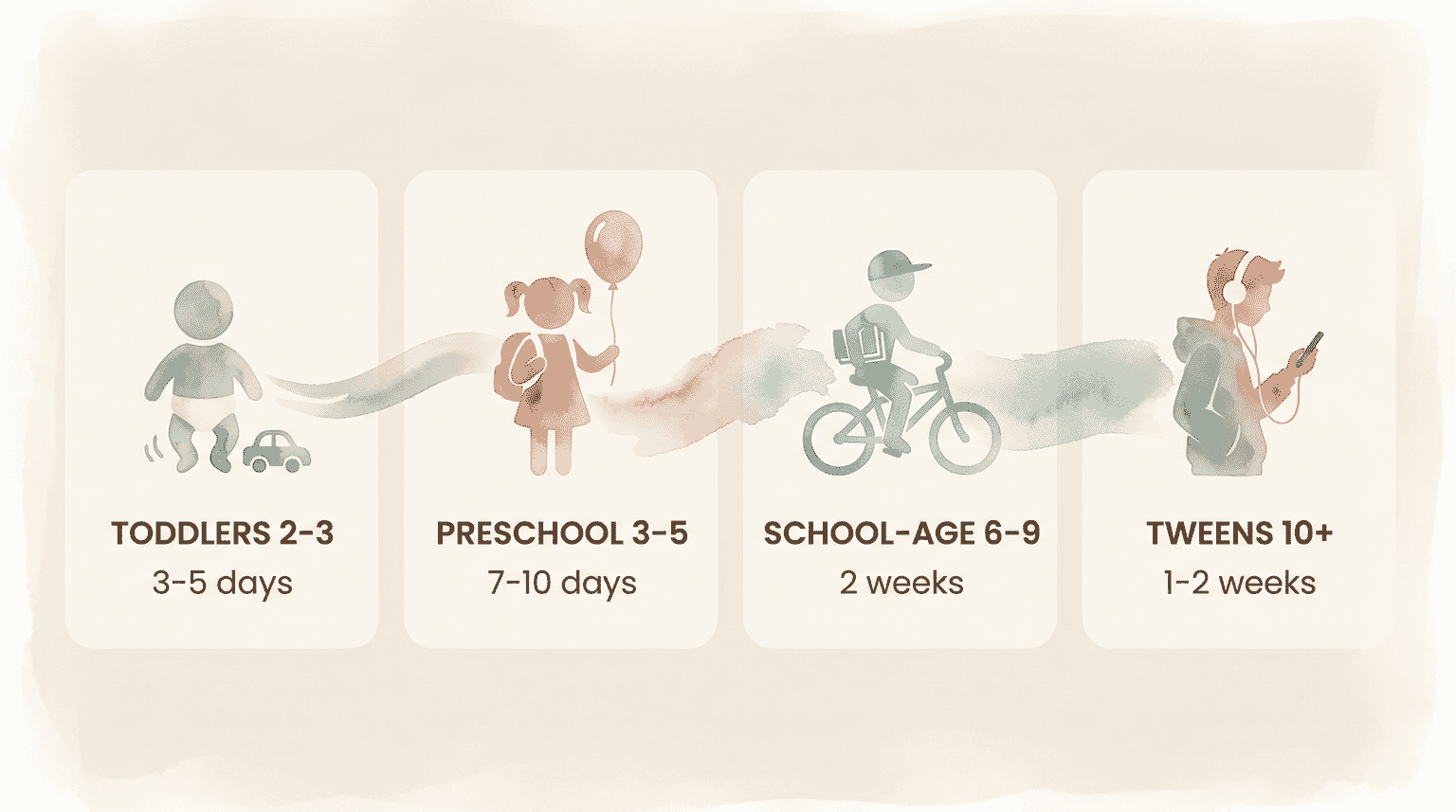
Toddlers (ages 2-3): Keep countdowns to 3-5 days maximum. Their sense of time is still developing—”tomorrow” and “next week” feel identical. A 30-day countdown is meaningless and potentially frustrating.
Preschoolers (ages 3-5): 7-10 days works well. They understand “sleeps” as a counting unit and can track a week without losing interest or becoming overwhelmed.
School-age (ages 6-9): Two weeks is typically manageable. They grasp calendar time and enjoy the extended anticipation—but beyond 14 days, interest often plateaus.
Tweens and teens (ages 10+): Can handle longer countdowns if they’re interested, but honestly? Many older kids prefer a shorter, more concentrated countdown week. Let them choose.
The research supports specificity here: our brains achieve more consistent results when we have concrete numbers to track. Whatever length you choose, make it visual and finite.
Avoiding Countdown Overwhelm
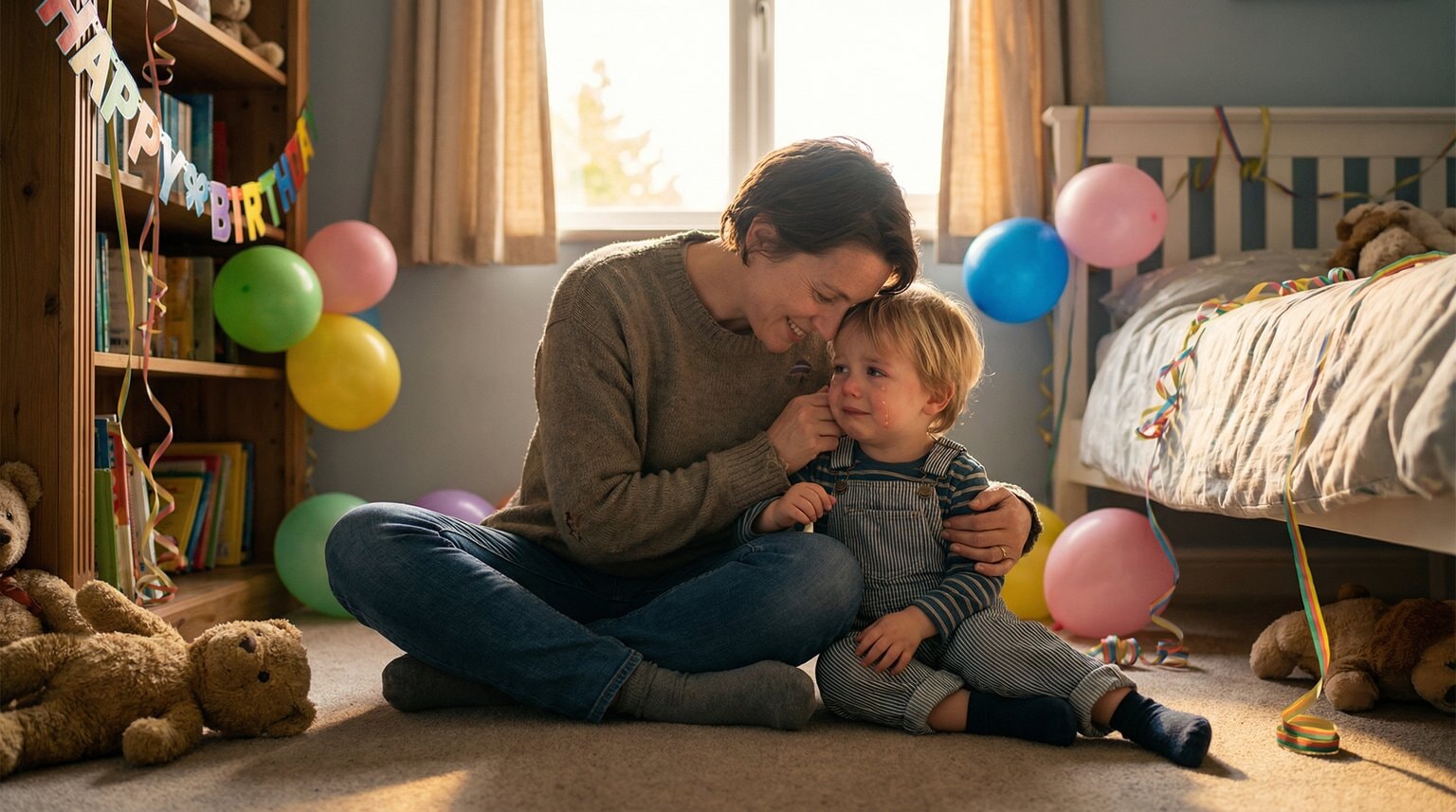
You’ve probably noticed this: there’s a thin line between excited-anticipation and anxious-overwhelm. Here’s how to stay on the right side.
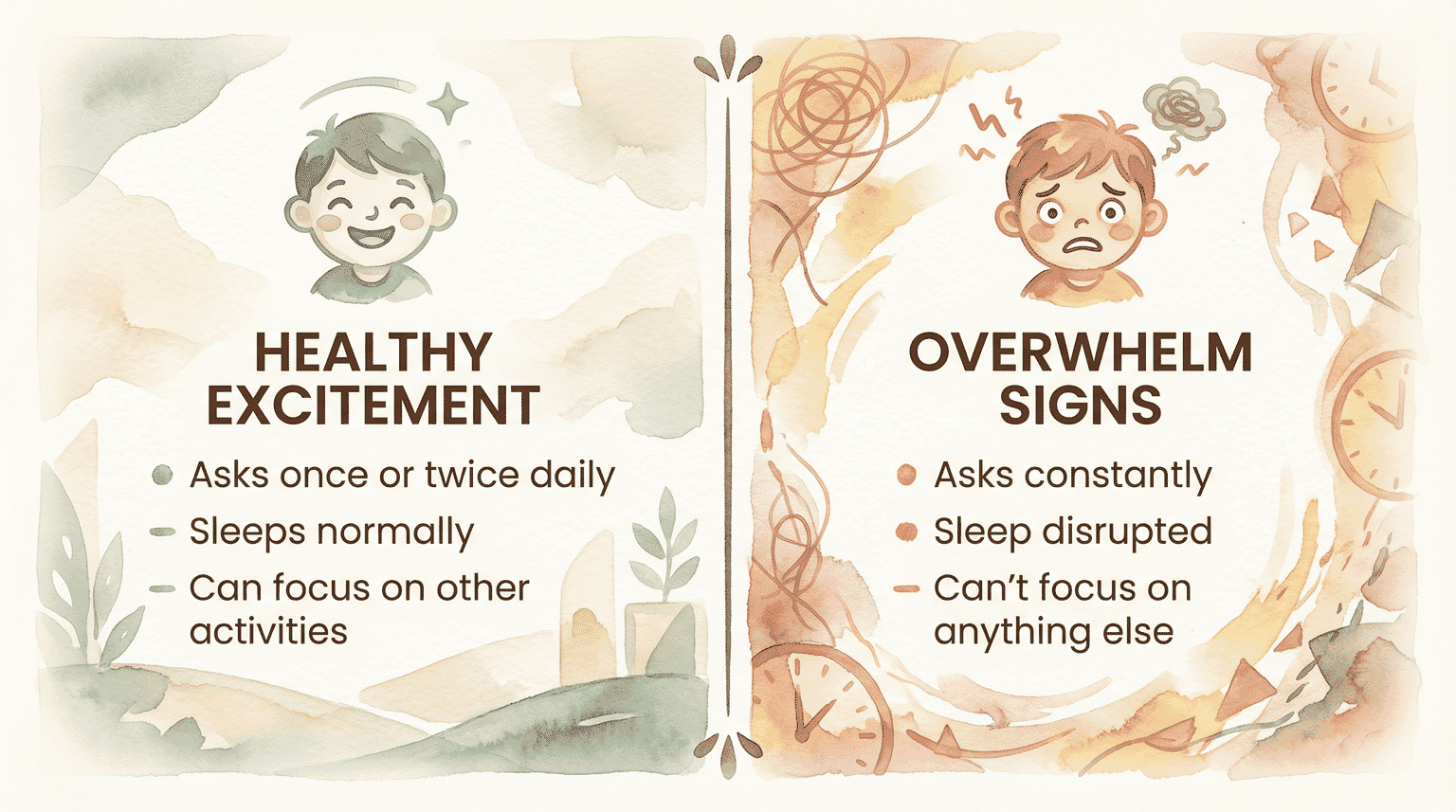
Signs excitement is tipping into anxiety:
- Sleep disruption (can’t fall asleep, waking early)
- Increased tantrums or emotional meltdowns
- Inability to focus on anything else
- Repeated questions beyond normal (“How many more?” asked every hour)
Why 7 days often beats 30
Shorter countdowns maintain excitement without exhausting anyone—including you. If your child seems overwhelmed by anticipation, there’s nothing wrong with starting the countdown later than planned.
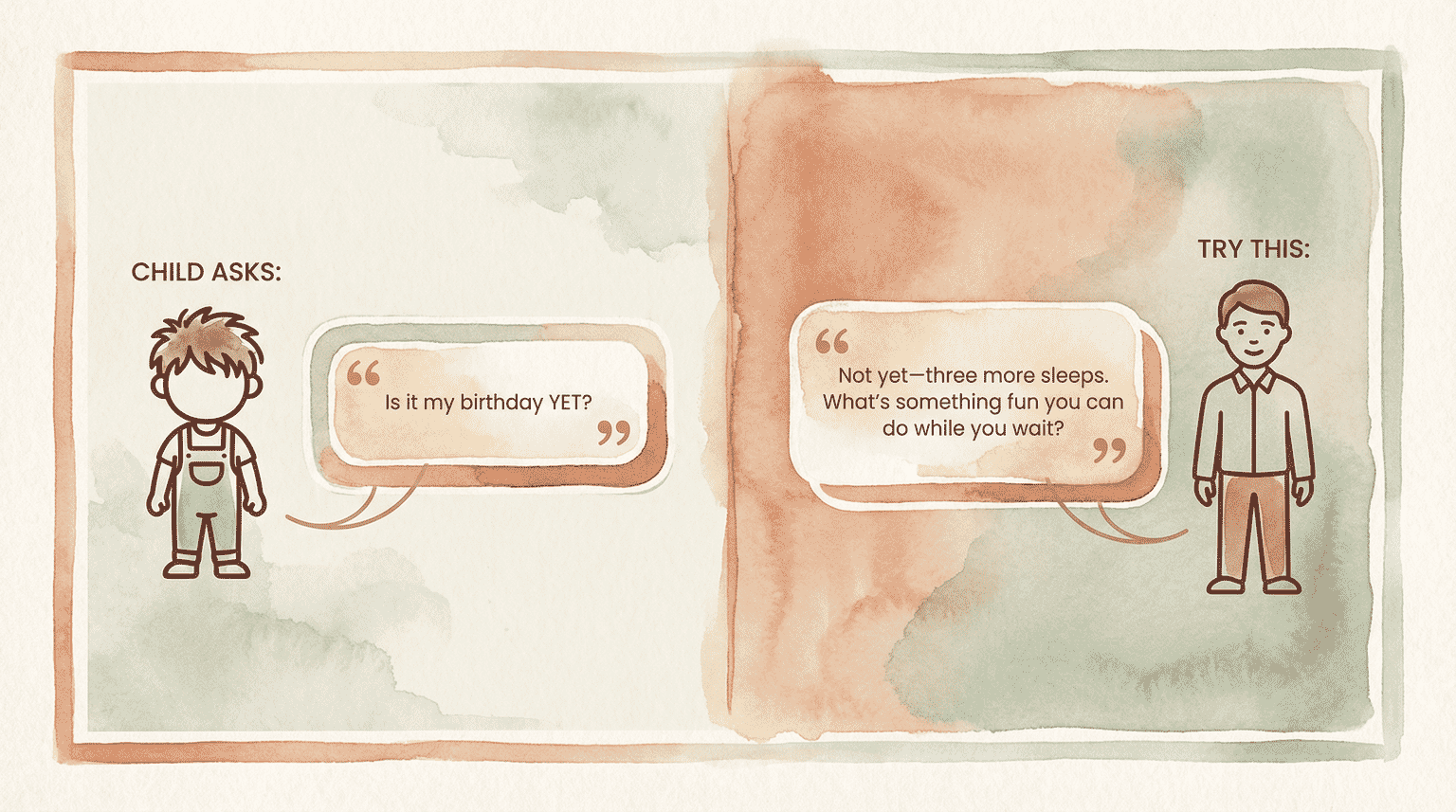
Handling “How many more days?”
Research shows that around age 5, children develop the ability to generate their own waiting strategies. Instead of just answering the question, try responding: “What can you try while you wait?” This teaches them to manage anticipation rather than just endure it.
When the countdown goes wrong
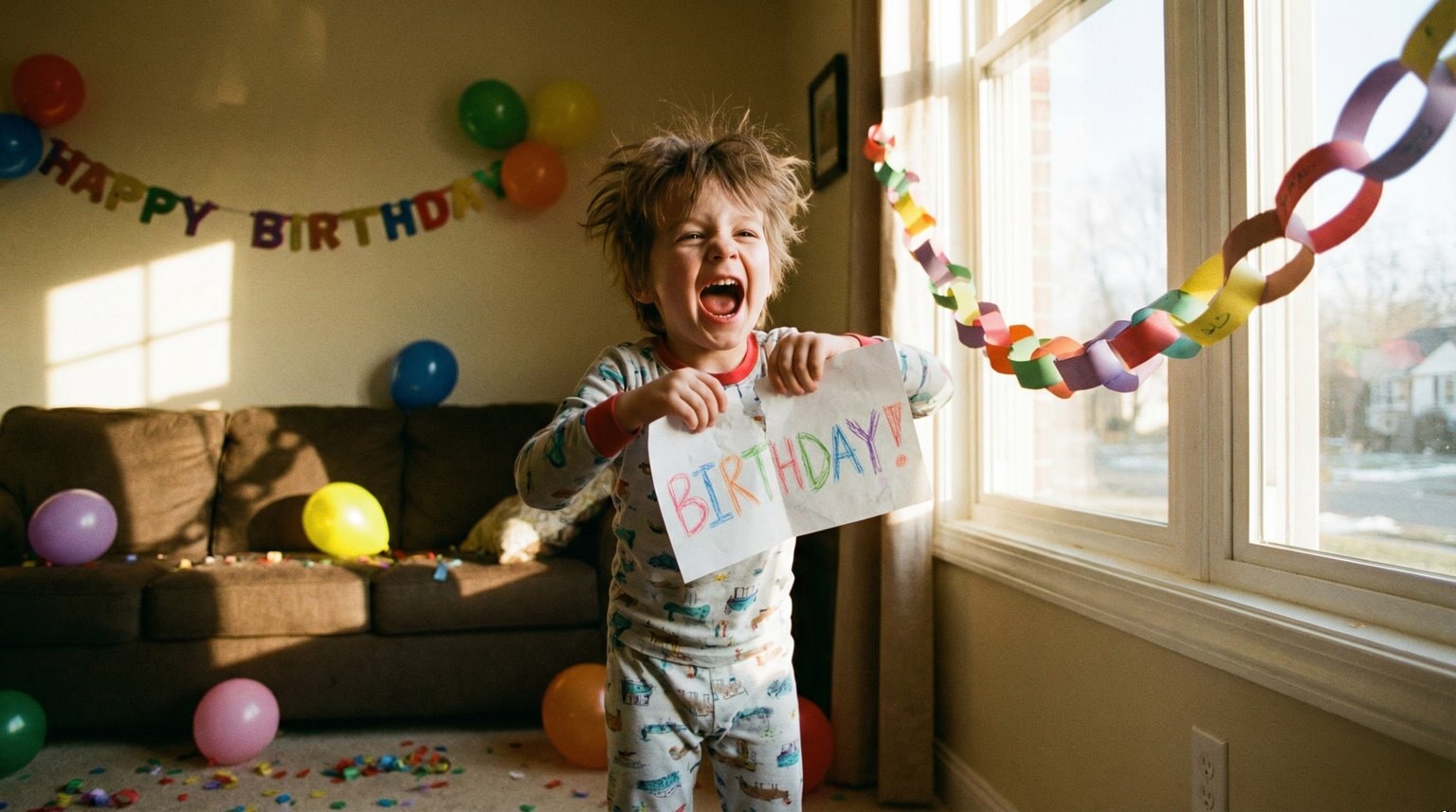
Balloons pop prematurely. Chains break. Kids peek in envelopes. It happens.
In my house, this looks like: “Well, that didn’t go as planned! Let’s figure out what to do.” The countdown doesn’t have to be perfect to work—it just has to be consistent and manageable.
Your gut feeling that simpler is better? The research absolutely backs you up. A good countdown doesn’t have to be elaborate—it just needs to give your child something concrete to track and something small to enjoy each day.
Frequently Asked Questions
How many days should a birthday countdown be?
Match countdown length to your child’s age: 3-5 days for toddlers, 7-10 days for preschoolers, and up to two weeks for school-age children. Research shows our brains prefer specific numbers to track, so whatever length you choose, use a visual method your child can see shrinking.
How do you make a birthday countdown for kids?
Start with a visual format your child can physically interact with—paper chains, sticker calendars, or numbered envelopes all work well. Choose a duration appropriate for their age, then build in a simple daily element: removing a link, placing a sticker, or reading an activity slip. Consistency matters more than complexity.
What age can kids understand countdowns?
Children begin understanding visual countdowns around ages 3-4 when they can see physical changes like links disappearing or stickers filling in. Around age 5, children develop the ability to generate their own waiting strategies, making countdowns even more effective. For children under 3, keep countdowns very short (2-3 days) with concrete visual elements.
How do I help my child wait for their birthday?
Give them tools, not just distraction. Use a visual countdown they can control (paper chain, sticker chart), acknowledge their excitement without amplifying it (“Three more sleeps—I know you’re excited!”), and teach them to ask themselves “What can I try?” when waiting feels hard. Keep daily activities small so anticipation stays steady rather than building to overwhelm.
What About You?
What birthday countdown has worked best at your house? I’ve tried paper chains, sticker charts, and candy-filled advent boxes—each with different results. Would love to hear what’s built genuine anticipation without driving you crazy.
I test every suggestion with my own countdown-obsessed crew!
References
- Why Children Can’t Just Wait – Cross-cultural research on how children develop waiting skills
- From Chaos to Calm – Research on predictability and children’s mental health
- Counting Up & Counting Down – Psychology of anticipation and why specific numbers matter
- Using Visual Supports – Evidence for visual countdown methods
- To Enjoy Life More, Embrace Anticipation – Expert perspectives on anticipation’s psychological benefits
- Creating Unique Family Traditions – Long-term benefits of family rituals

Share Your Thoughts